
Edwardian Clothes Press
These Edwardian clothes press examples offer practical storage and handsome period timber, making them essential pieces for traditional bedrooms.
What an Edwardian clothes press is
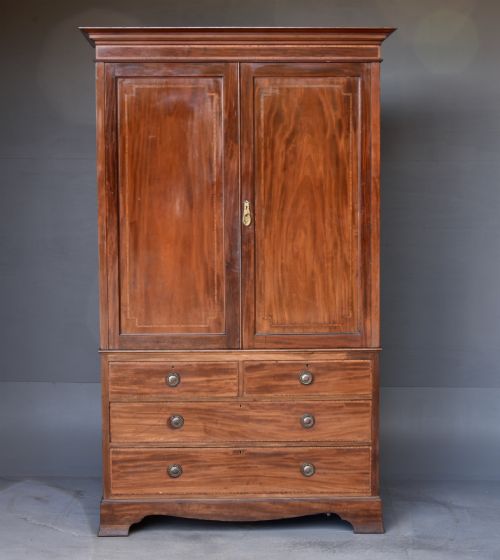
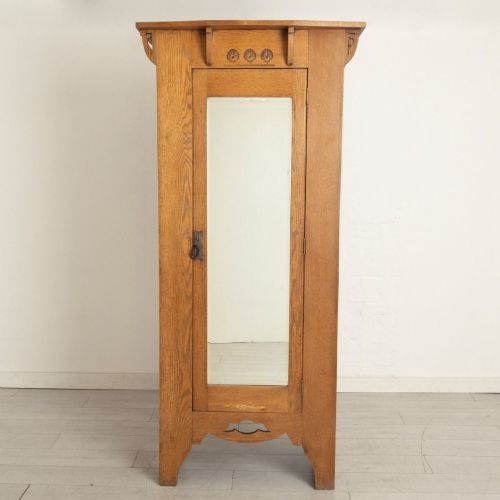
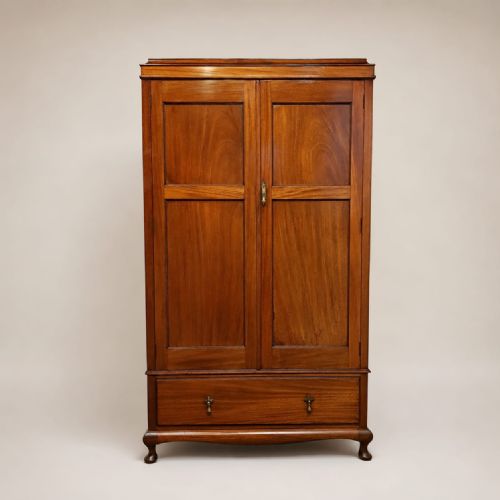
An Edwardian clothes press functions as a traditional storage cabinet, combining hanging space with internal trays or drawers for folded garments. These pieces date from the Edwardian era around nineteen hundred and typically manifest as substantial bedroom furniture.
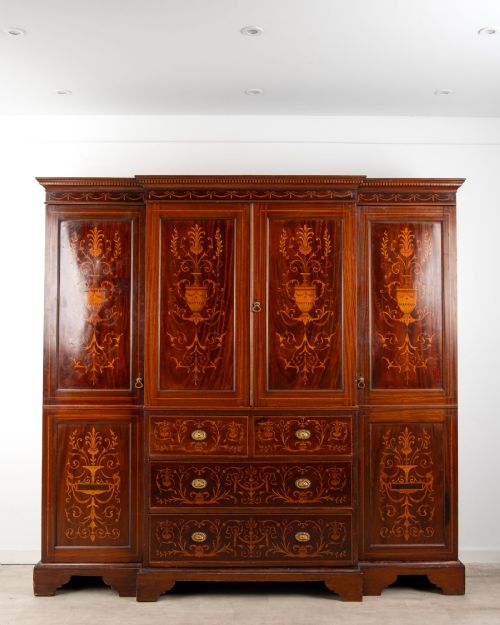
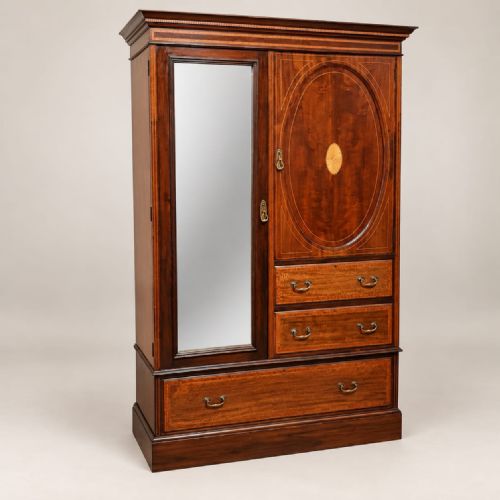
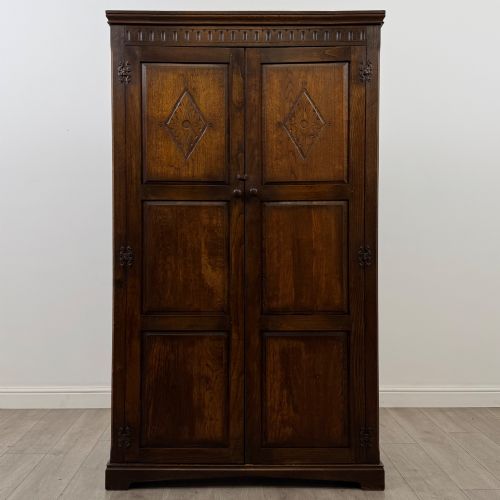
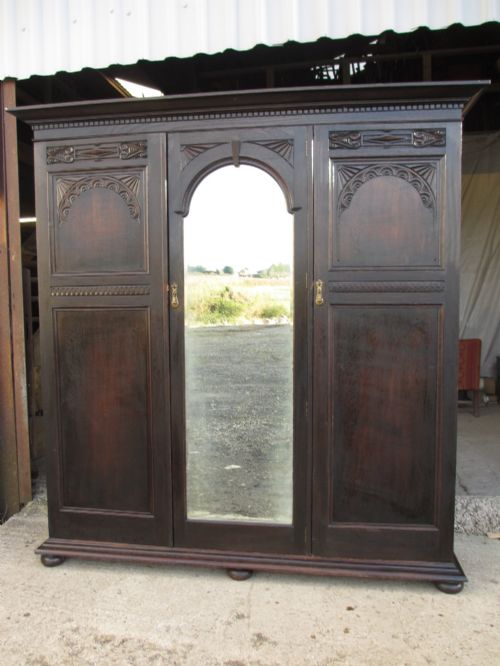
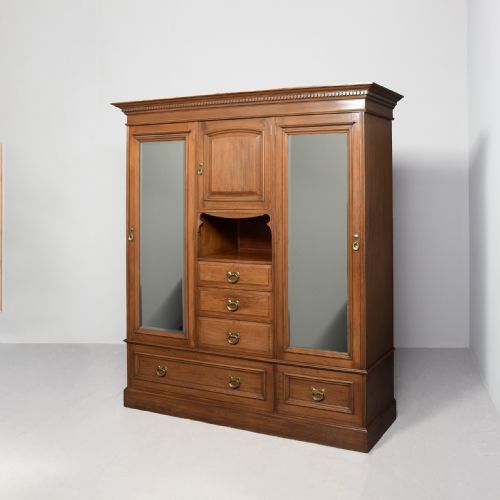
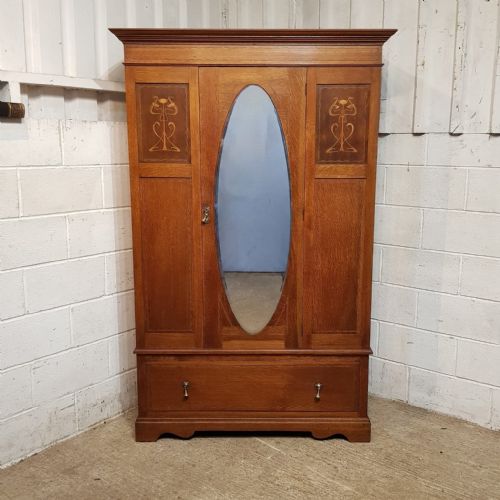
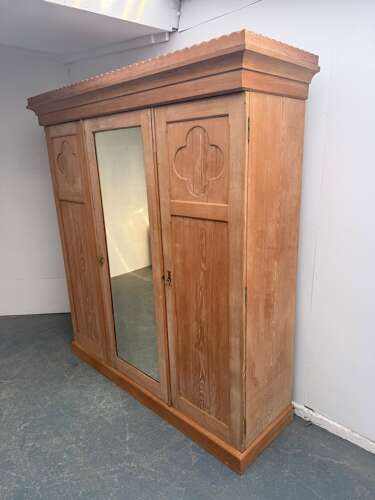
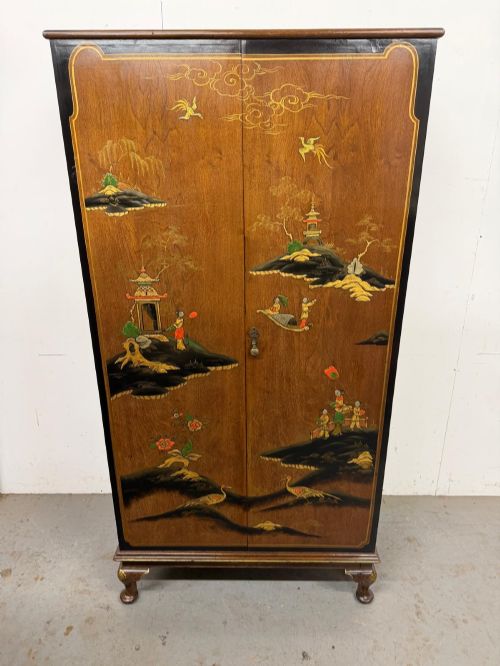
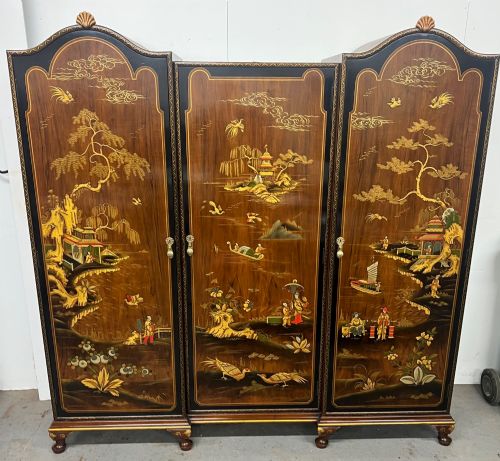
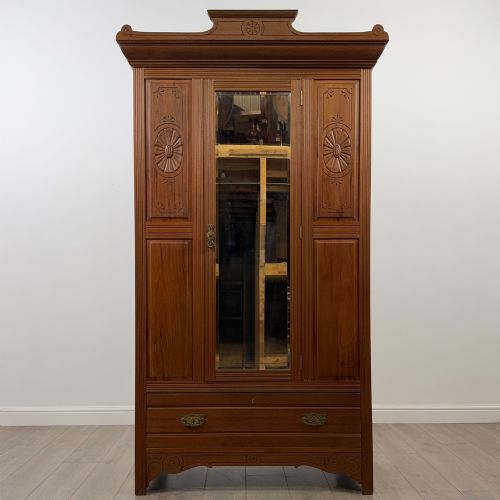
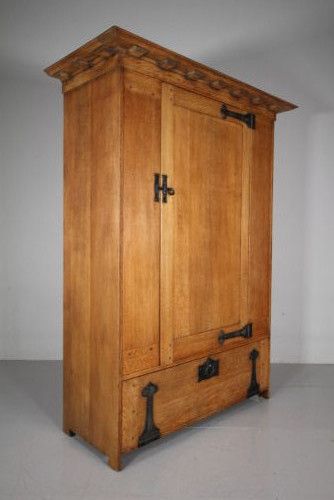
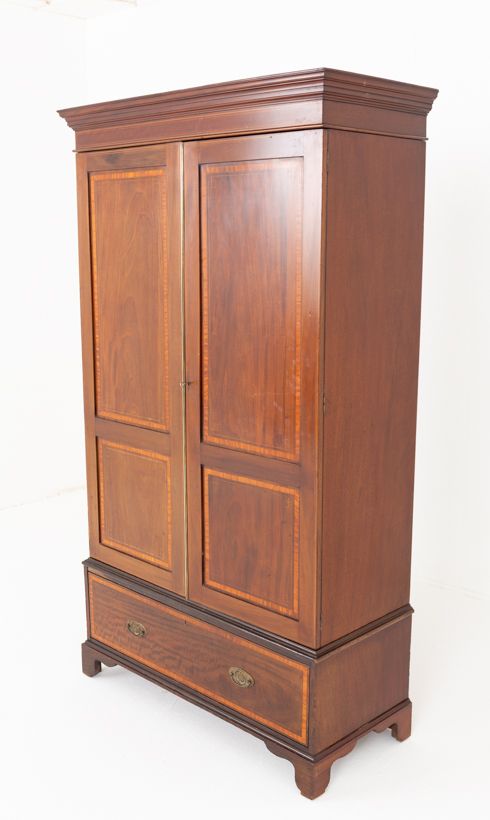
The inventory on this page shows forms ranging from single and double wardrobes to combination pieces and compactum styles. Buyers will frequently encounter mahogany and pine constructions, often with inlaid details or mirror glass doors.
Earlier archive examples demonstrate bow front profiles alongside dwarf heights and breakfront designs. These variations provide options for different room proportions while maintaining the characteristic Edwardian aesthetic.
Indicators of quality and refinement
The grade of timber selection distinguishes standard utility pieces from more ambitious commissions. Finely figured flame mahogany veneer and intricate satinwood inlay denote a higher tier of cabinet making.
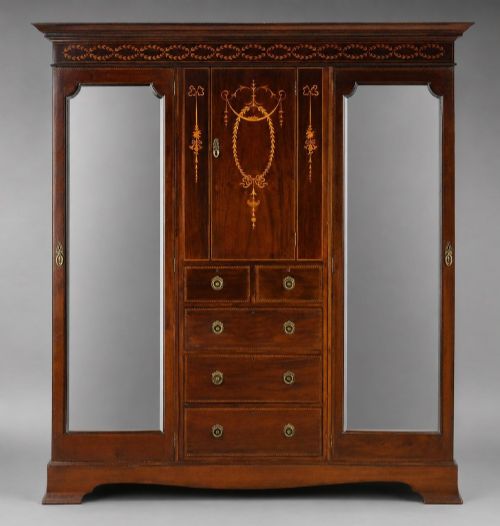
Structural complexity also dictates worth, separating simple single wardrobes from breakfront multi-door combination pieces and compactums. Internal arrangement sophistication, such as dedicated linen slides, marks the better examples.
Retail Price Guide 2026
Typical UK retail prices for edwardian clothes press, calculated from the Sellingantiques database of over a million retail prices indexed since 2003. This retail price guide relies exclusively on Sellingantiques data; no external sources or auction records are used, so the figures do not describe the wider market.
A gentleman's compactum ensures your trousers stay pressed without the need for modern electric gadgets.
Denby and Spinks·Maples and Son
The Edwardian Clothes Press Glossary
- Compactum
- A multi-section wardrobe combining hanging space, drawers, and clothes press trays within one unified carcass. This efficient form maximises storage in Edwardian bedrooms.
- Flame mahogany veneer
- A thin slice of timber cut from where a branch joins the trunk, displaying a distinctive flammiform grain pattern. Cabinet makers applied this to prominent door panels for visual impact.
- Satinwood
- A pale, lustrous exotic timber used extensively for stringing and decorative inlay work during the Edwardian period. It creates sharp contrast against darker woods like mahogany.
- Breakfront
- A piece of furniture where the central section projects forward from the flanking wings. This architectural arrangement adds depth and presence to larger wardrobes.
- Linen slide
- A shallow internal pull-out tray designed for storing folded garments and household linens. These wooden shelves are characteristic of traditional clothes presses.
Frequently Asked Questions
How do I use a clothes press today?
These cabinets suit modern bedrooms by offering a blend of hanging space and deep internal drawers for folded garments. They provide generous storage while introducing period character to the room.
Larger combination and breakfront versions require adequate wall space, whereas dwarf or narrow models fit more compact layouts easily.
What woods were used in Edwardian presses?
Makers predominantly utilised mahogany, oak, and ash for the main carcasses and structural elements. Pine also appears frequently, particularly on utility pieces or internal components.
Satinwood frequently appears as contrasting inlay, while flame mahogany veneer enhances the visual appeal of primary doors.
How do I tell different wardrobe types apart?
Single and double wardrobes focus primarily on vertical hanging capacity behind panelled or mirrored doors. Clothes presses and compactums integrate horizontal sliding trays alongside drawers and hanging sections.
Breakfront models exhibit a stepped facade where the middle section advances forward from the sides.
Are these pieces easy to dismantle?
Many Edwardian wardrobes and clothes presses were constructed with sectional carcases to allow delivery into period homes. Cornices and plinths often detach, and the main sides may unbolt from the back.
Checking construction details helps determine whether a large triple or breakfront wardrobe can be easily moved into your bedroom.