
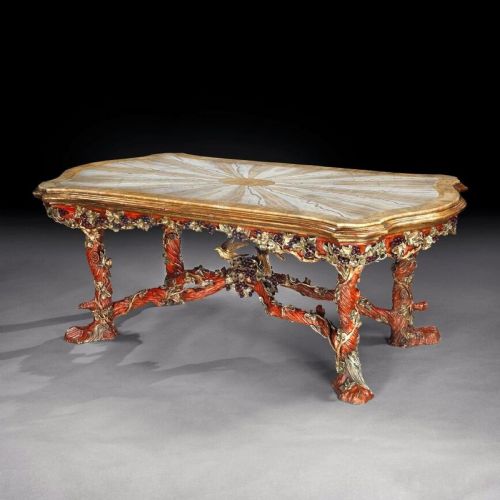
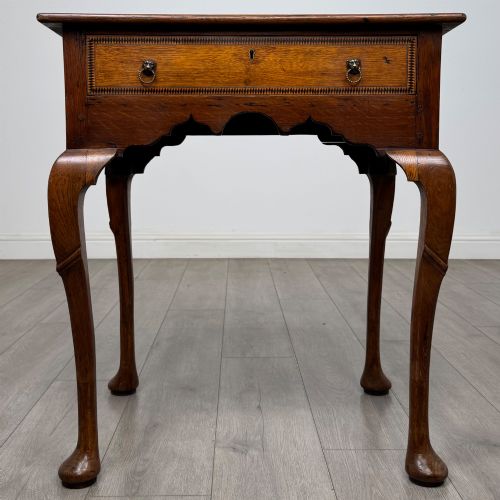

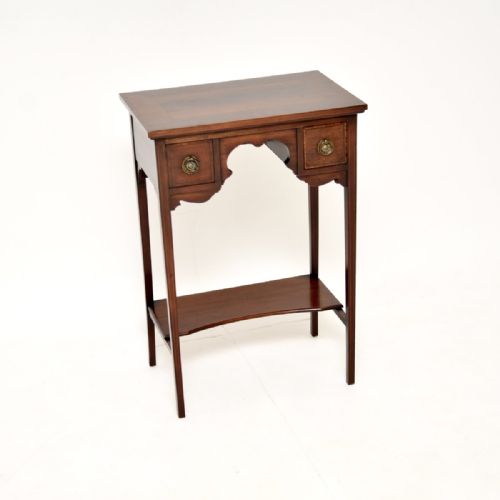
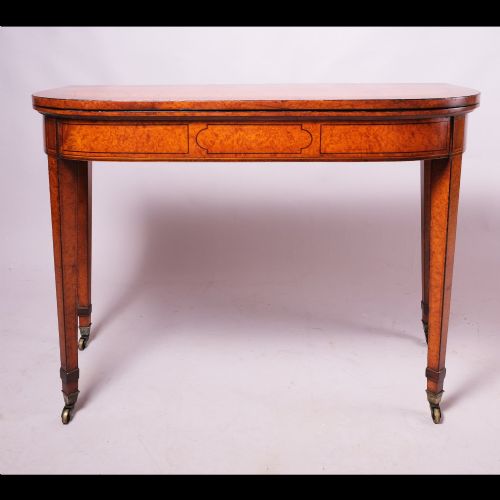

Inlaid Hall Console Table
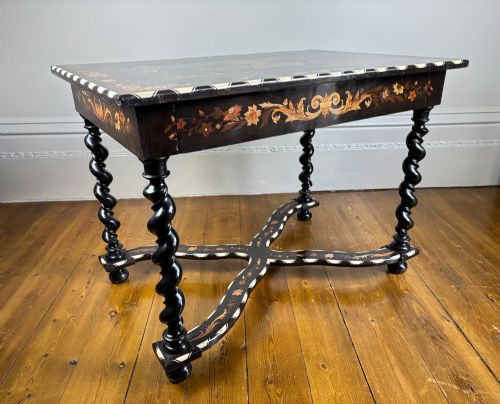
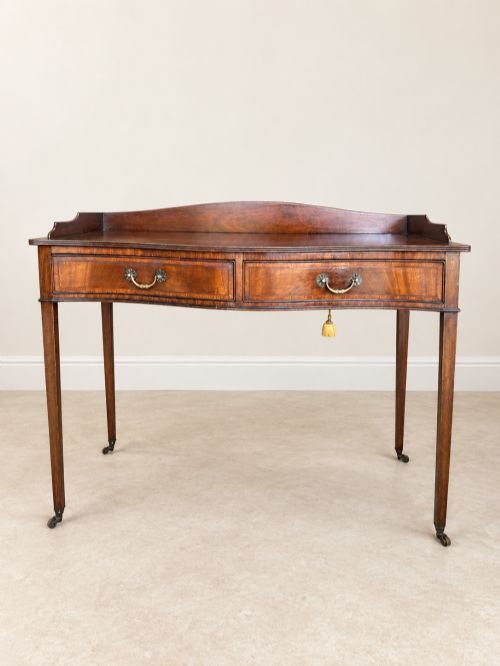
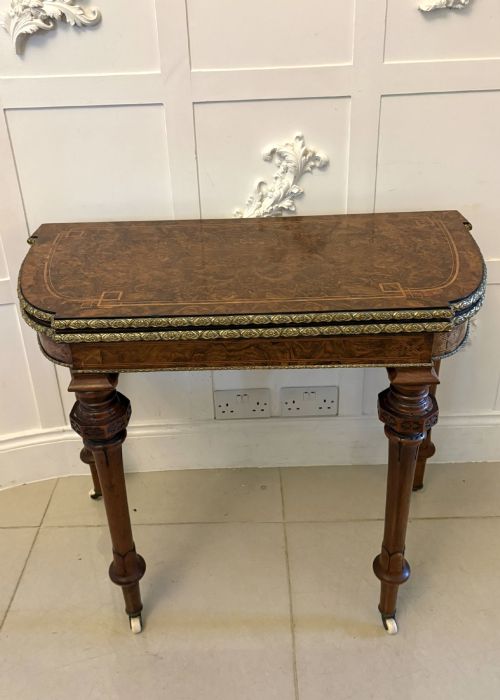
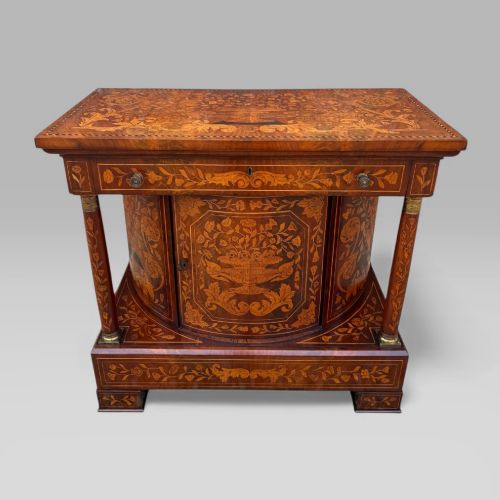
These inlaid hall console table pieces combine functional furniture with meticulous surface decoration.
Inlaid Hall Console Table
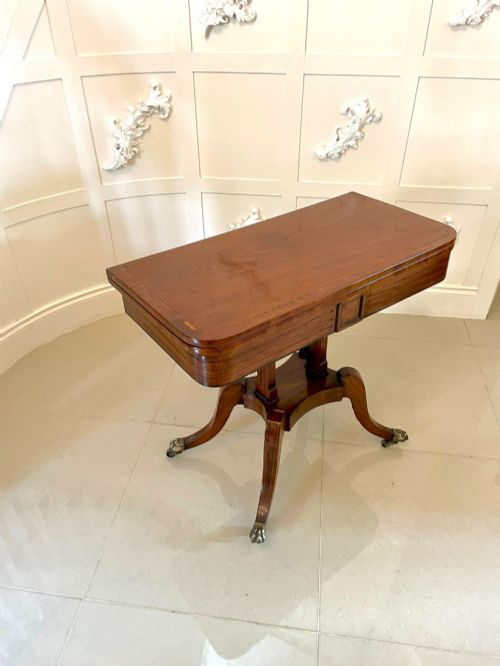
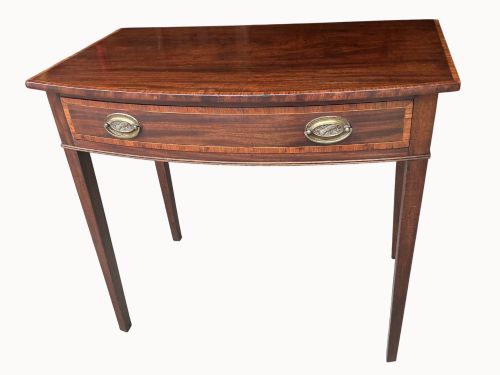
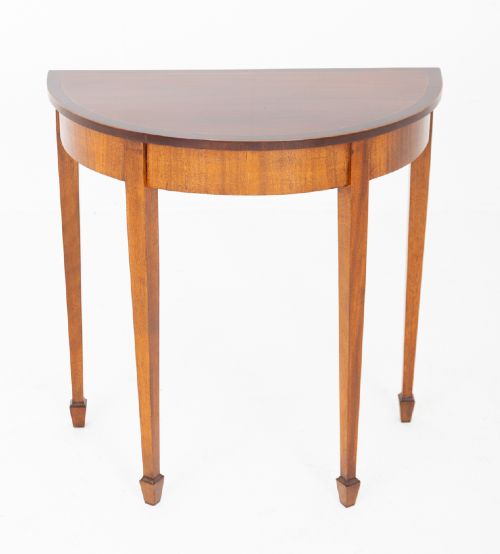
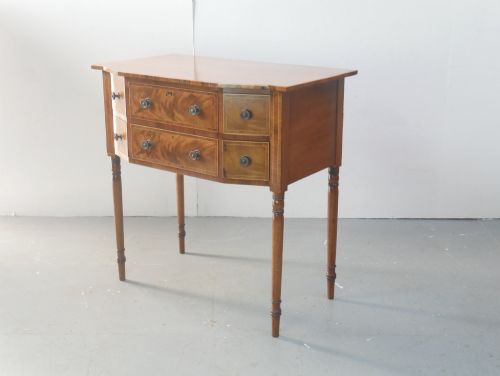
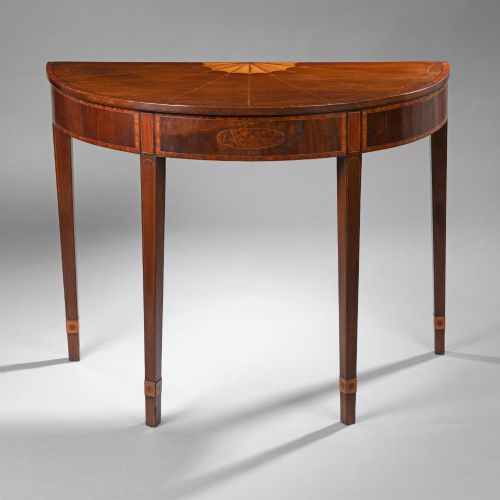
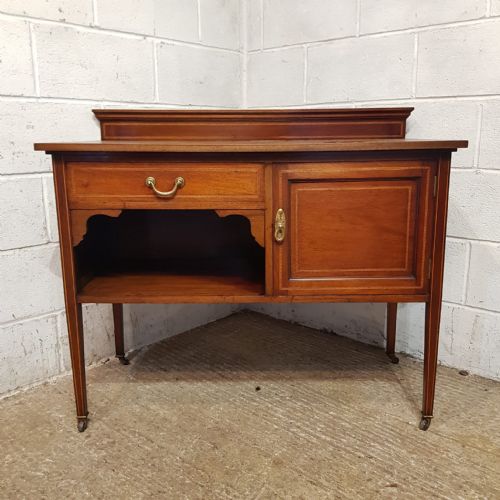
An inlaid hall console table is a narrow piece designed to sit against a wall in an entranceway or principal room, often taking the form of a demi lune, side table, or card table.
The evidence shows examples spanning from the eighteenth century through the Georgian, Regency, and Edwardian periods up to the nineteen thirties.
Mahogany forms the primary body of many pieces, frequently paired with satinwood, boxwood, and marquetry details to create contrasting decorative surfaces.
How they were made
Cabinet makers utilised dense timbers like mahogany, rosewood, and oak as the structural carcase for these tables.
Surface ornamentation relied on meticulous wood inlay, boxwood inlay, satinwood inlay, and marquetry, often enhanced with brass mounts or marble tops.
Listings feature items spanning the seventeenth to the twentieth century, with mahogany and inlay appearing across multiple periods.
What varies in quality
The sophistication of the timber selection and the precision of the marquetry define the upper tier of these tables.
Subtlety in crossbanding and the integration of secondary woods such as satinwood or boxwood distinguish finer workshop production from simpler domestic items.
Amleto Bertoni·Gillows
The Inlaid Hall Console Table Glossary
- Demi lune
- A half-moon shape common in console and side tables designed to sit flush against a wall. This profile allows the furniture to occupy minimal depth in narrow spaces.
- Marquetry
- The art of applying pieces of veneer to a structure to form decorative patterns and pictures. Makers used various coloured woods to achieve tonal depth.
- Crossbanding
- A strip of veneer applied to the border of a table top with the grain running perpendicular to the centre. This technique frames the primary timber.
- String inlay
- A narrow, thin line of contrasting wood embedded flush into the surface of the primary timber. It outlines drawers, legs, and table tops.
- Console table
- A table supported by wall brackets or console legs, traditionally fixed or positioned against a wall. They frequently double as side or serving tables.
Inlaid Hall Console Table: Frequently Asked Questions
Where should I place a console table?
These pieces suit entrance halls, reception rooms, and narrow corridors where floor space is limited. Their shallow profile allows them to sit flat against a wall without obstructing passageways.
Pairs or single pieces also serve effectively beneath mirrors or windows, providing a surface for lamps and decorative objects.
How do I identify a Georgian console?
Look for structural proportions characteristic of the eighteenth century, including mahogany timbers and classical restraint in the decorative scheme. Straight or tapered legs often indicate this period.
Check for hand-cut dovetails in the drawer construction and traditional timber shrinkage that confirms age.
What is the difference between a console and a side table?
Console tables traditionally rely on wall support or specific leg placement designed for display against a flat vertical surface. Side tables are generally freestanding items with four independent legs.
Over time, the terms overlap significantly in antique terminology, particularly with demi lune and rectangular forms.
How do I care for inlaid wood surfaces?
Keep wooden furniture away from direct sunlight and heat sources to prevent the veneers and inlay work from drying and lifting. Regular dusting with a soft, dry cloth preserves the finish.
Apply a quality natural wax occasionally to nourish the timber without building up excess residue on the marquetry.