
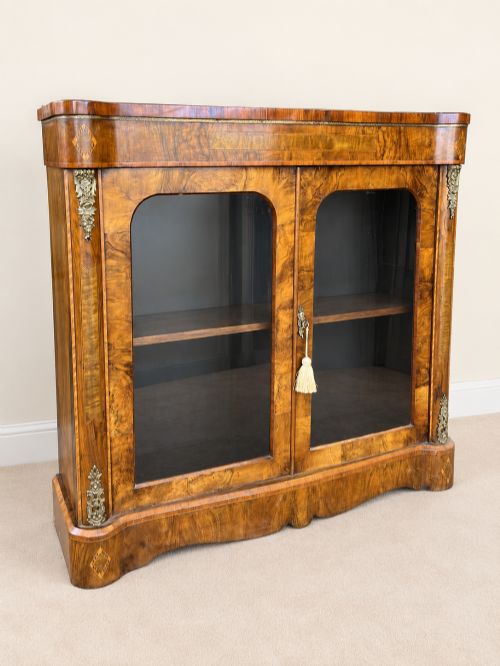
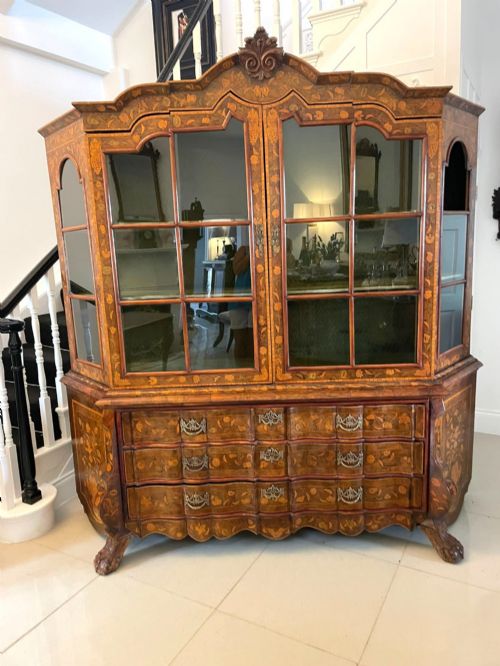
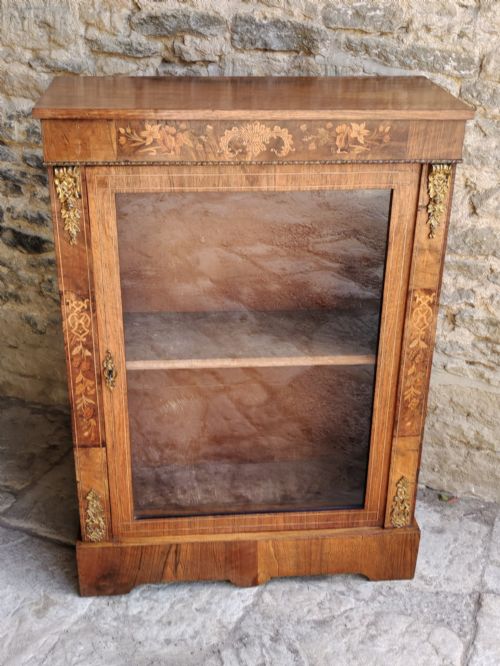
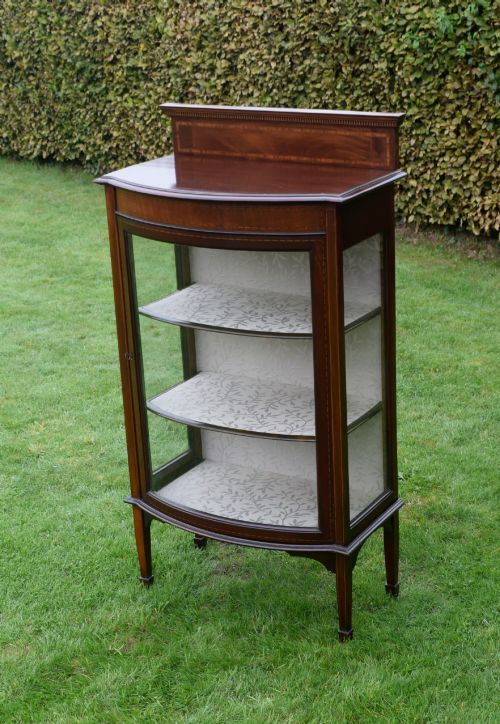
Inlaid Glazed Bookcase
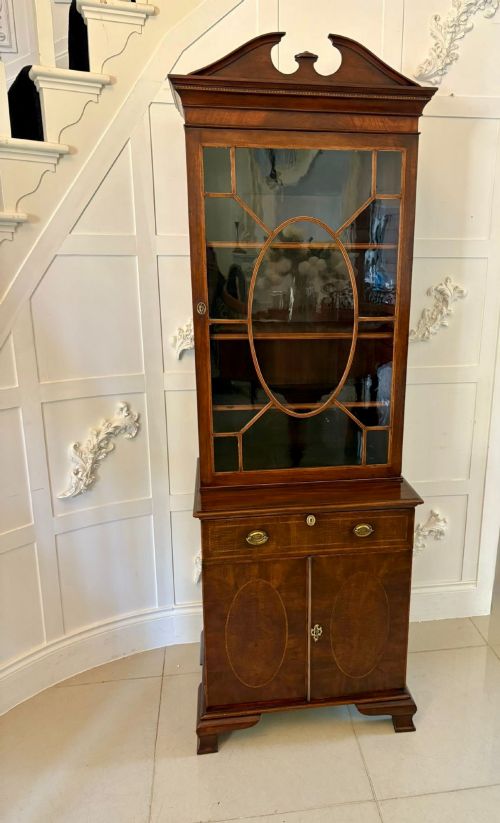
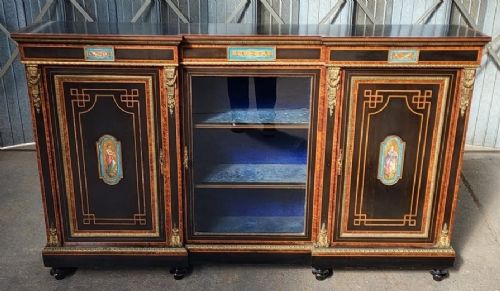
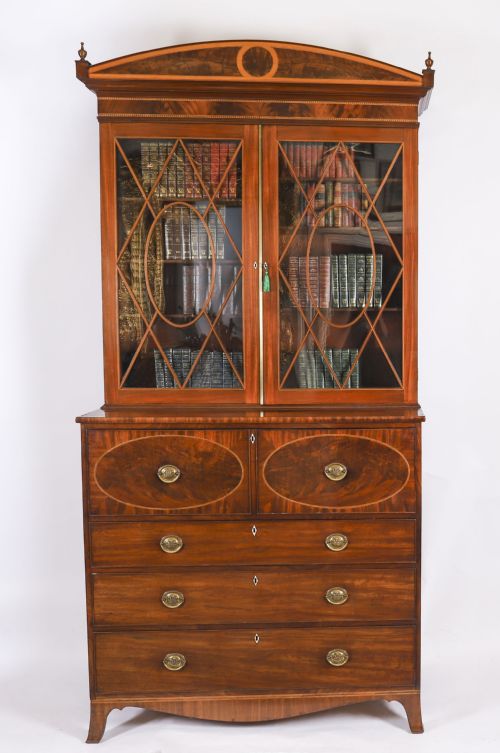
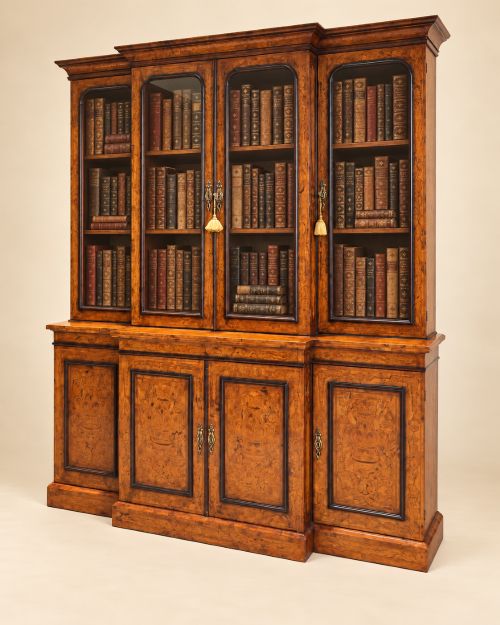
An inlaid glazed bookcase brings together fine cabinet timber, delicate marquetry, and protective glass doors to house a serious book collection or display cherished objects.
Inlaid Glazed Bookcase
When you search for an inlaid glazed bookcase, you encounter refined timber furniture designed to store volumes while keeping them visible behind glass doors. These cabinets span several distinct eras, stretching from George III and Regency periods through the height of the Victorian age into Edwardian times.
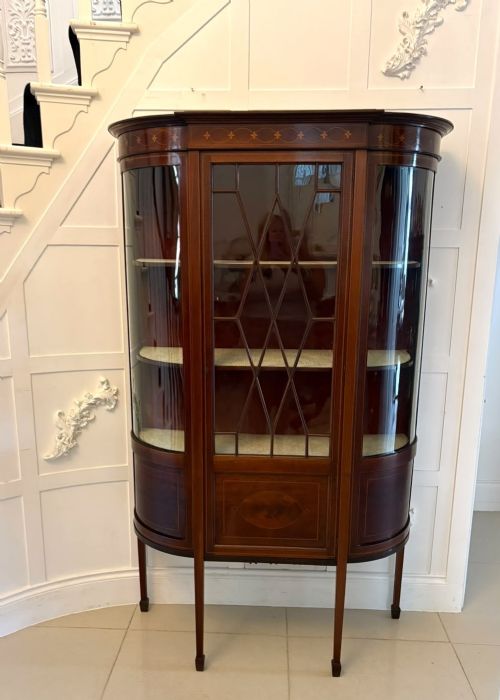
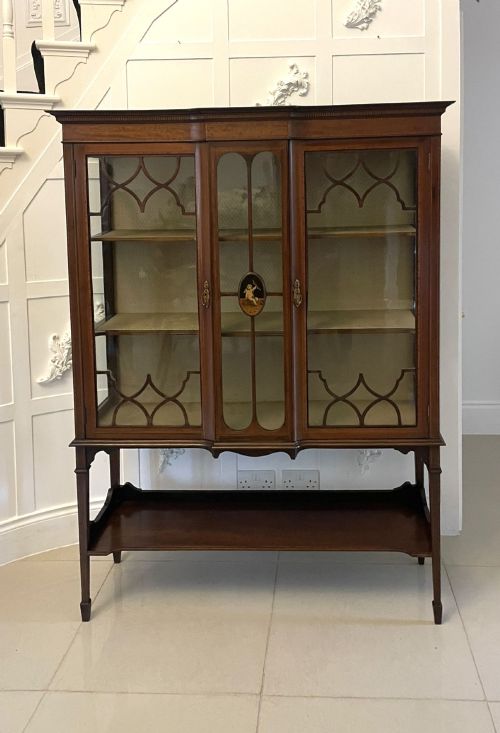
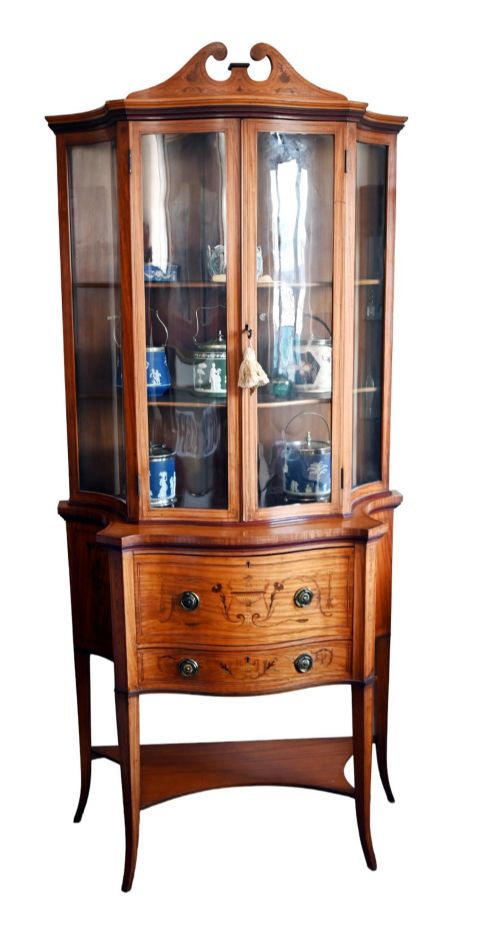
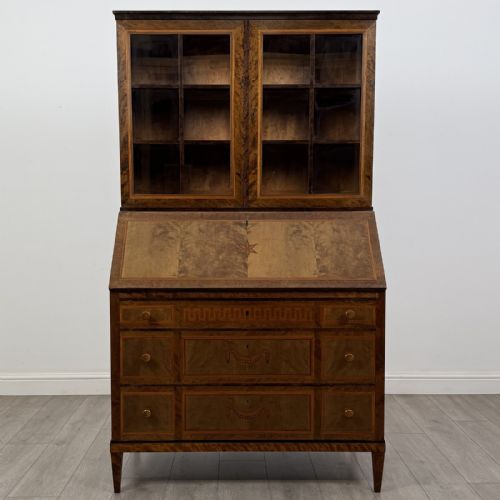
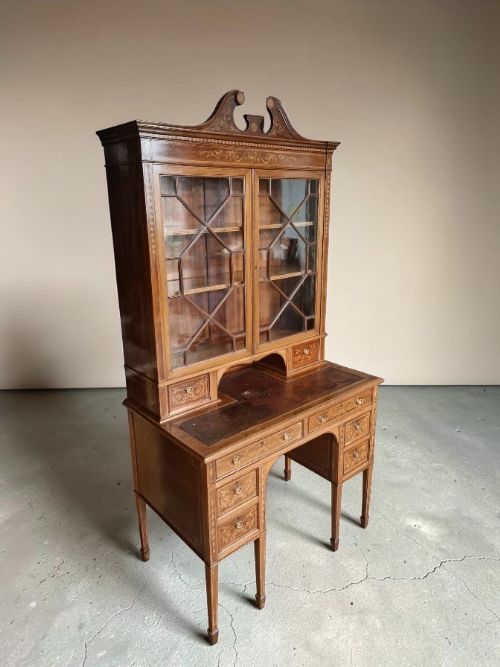
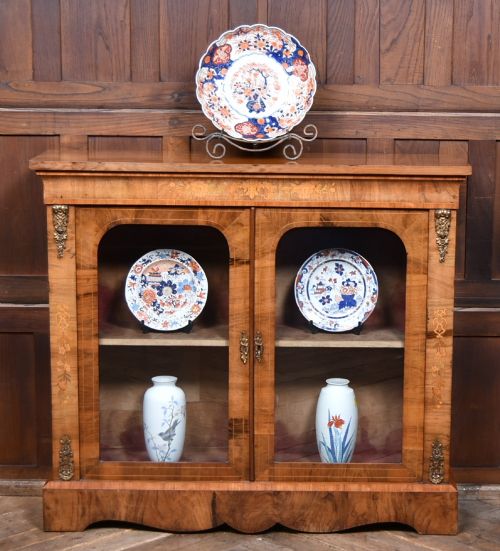
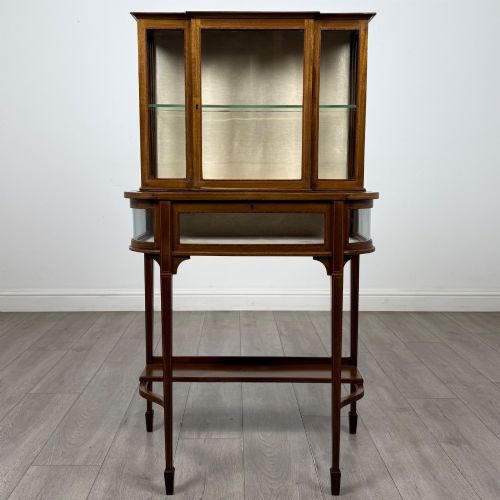
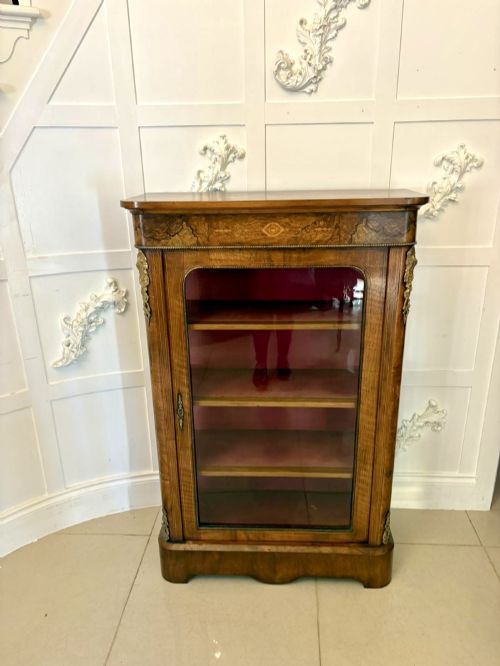
The most common forms on this page include tall breakfront bookcases, freestanding library units, compact pier cabinets, and bureau bookcases that incorporate drop-down writing slopes. Makers from the nineteenth and early twentieth centuries utilised various woods to construct these glazed display pieces for domestic studies and drawing rooms.
Georgian and Regency examples show architectural proportions and restrained stringing, whereas Victorian and Edwardian pieces frequently display richer marquetry motifs and satinwood highlights. Buyers select these cabinets to add functional architectural presence and storage space to a room.
Materials and Technique
Cabinetmakers built these pieces using solid and veneered timbers such as mahogany, walnut, burr walnut, satinwood, and rosewood over sturdy carcases. Woods were chosen for grain movement and colour depth, providing a stable canvas for decorative surface work.
Inlay techniques involved contrasting veneers like boxwood, ebony, and satinwood, cut precisely into geometric stringing, floral swags, or elaborate marquetry panels. Glazing frames, often styled with astragal bars, secured individual glass panes within the door structures.
Some Edwardian makers hid tiny trinket drawers inside the secretaire sections for secret letters.
Assessing Quality
The distinction between standard workshop output and top-tier cabinetmaking rests on timber selection and execution of detail. Superior examples employ highly figured burr walnut, flame mahogany, or dense satinwood matched symmetrically across doors and drawers.
Quality reveals itself in the precision of the inlay work, where joints between contrasting woods remain tight without filler, and in the weight of the brass or ormolu mounts. The construction of the internal adjustable shelving and the clarity of the original glass panes further separate fine pieces from ordinary production.
Edwards and Roberts·Collinson and Lock
The Inlaid Glazed Bookcase Glossary
- Astragal glazing
- Glass doors divided into smaller panes by narrow wooden bars, creating a geometric grid that supports the glass. This method was widely used in Georgian and Victorian library furniture.
- Marquetry
- Decorative patterns formed by fitting contrasting pieces of veneer into a prepared wood ground. Cabinetmakers employed this technique to render floral motifs and complex pictorial scenes.
- Ormolu
- Gilded bronze mounts applied to furniture for decorative effect, often found on high-end Victorian and Regency pieces. The metalwork adds metallic contrast to dark woods like mahogany and ebonised timber.
- Secretaire
- A desk disguised as a standard drawer that pulls down to reveal a writing surface and small pigeonholes. It frequently forms the middle section of a tall bookcase.
- Stringing
- Thin lines of contrasting wood inlay used to outline panels, drawers, and cabinet doors. This subtle banding defines the architectural edges of the timber.
Inlaid Glazed Bookcase: Frequently Asked Questions
How do I tell a Georgian bookcase from a Victorian one?
Georgian bookcases generally display more architectural restraint, clean proportions, and linear stringing, relying on the natural grain of flame mahogany. Victorian examples tend to introduce heavier timber choices like burr walnut and more elaborate marquetry or ormolu mounts.
Interior fittings and drawer construction also shift between these periods, with Georgian workshops using hand-cut dovetails and solid linings that differ from later Victorian manufacturing methods.
Can I adjust the shelves inside these glazed cabinets?
Many of these pieces feature adjustable wooden shelving supported by rack-and-pinion strips or traditional wooden lopers inside the glazed sections. This system allowed owners to alter shelf heights to accommodate different book sizes.
Older library cabinets occasionally feature fixed shelves depending on the specific cabinetmaker's original design and the intended use of the piece.
Where should I place a glazed bookcase in my home?
These cabinets work best against interior walls away from direct sunlight, which can fade delicate mahogany, rosewood, and satinwood veneers over time. Maintaining a stable room temperature helps protect old timber and glass from stress.
Allow enough clearance for the glazed doors to swing open fully, particularly on breakfront or larger freestanding library models.
What is a bureau bookcase?
A bureau bookcase combines a writing desk with a shelved storage cabinet in a single upright piece of furniture. The lower section houses a drop-front writing flap above drawers, while the upper glazed portion stores books.
This dual-purpose form became popular in the eighteenth century and continued through the Edwardian era for home studies and parlours.