
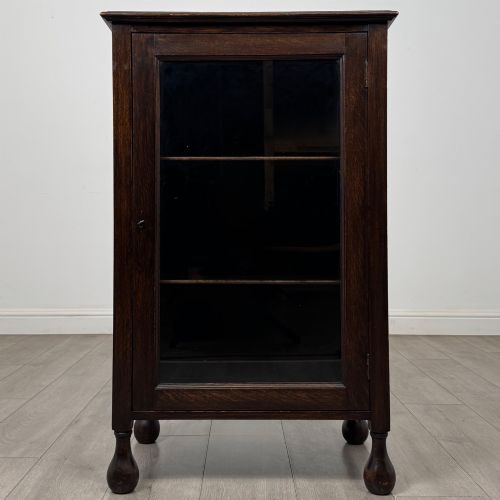
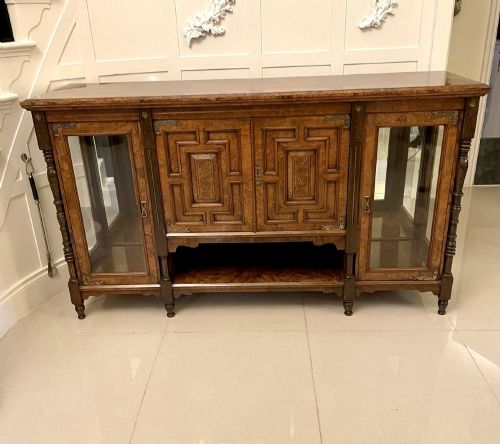
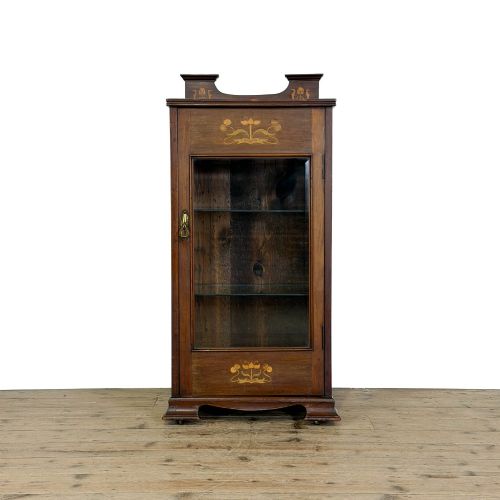
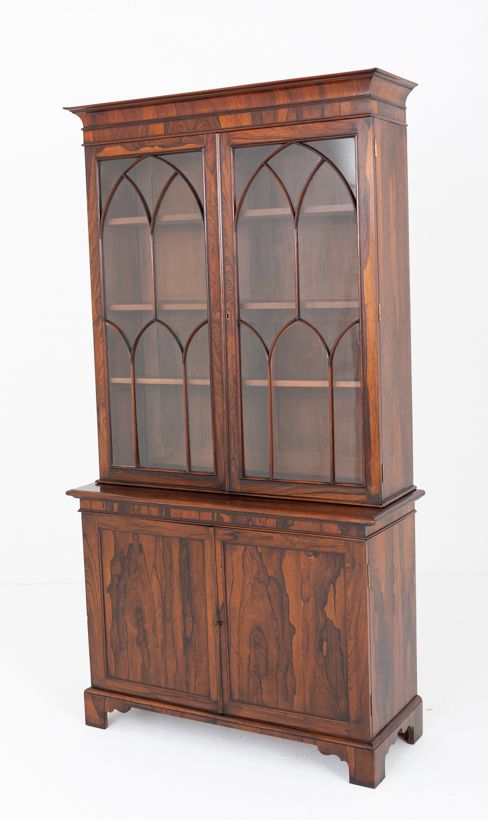
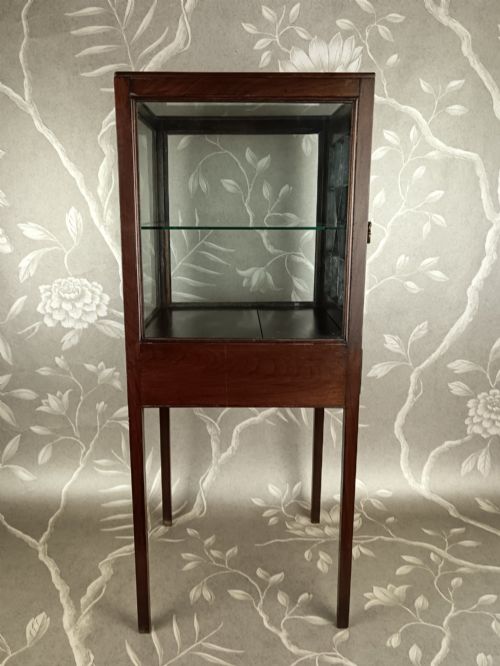
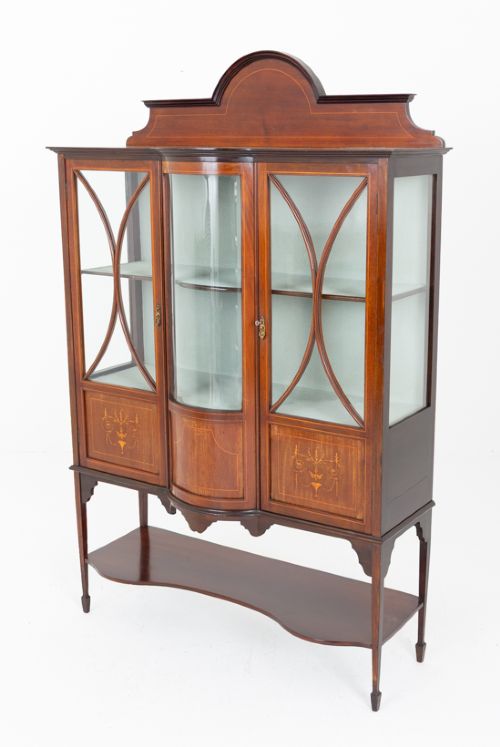
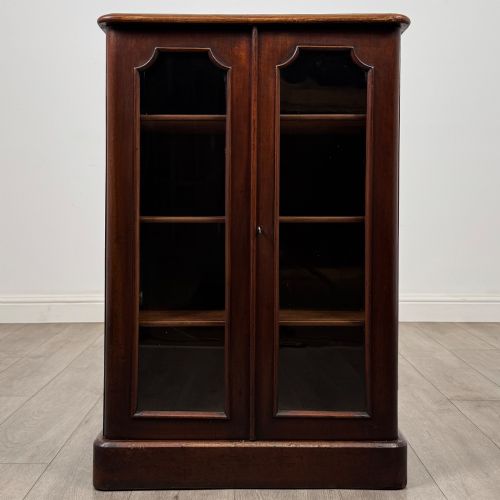
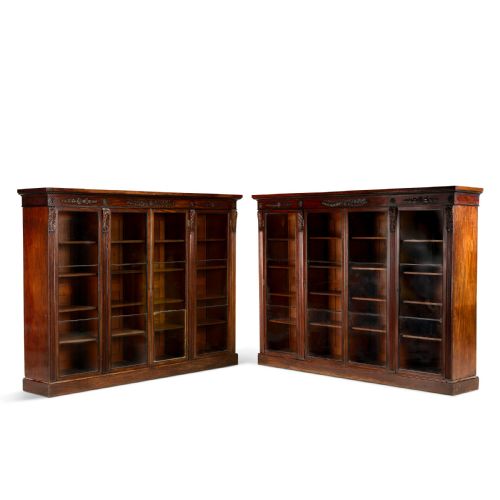
Antique Wood Display Case
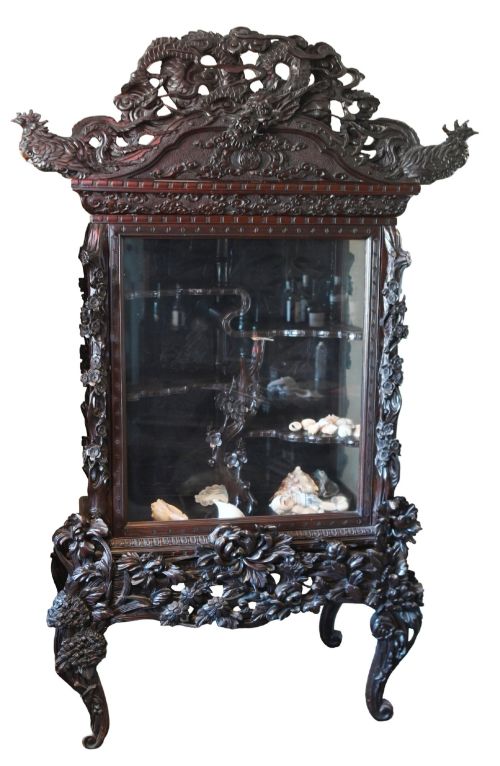
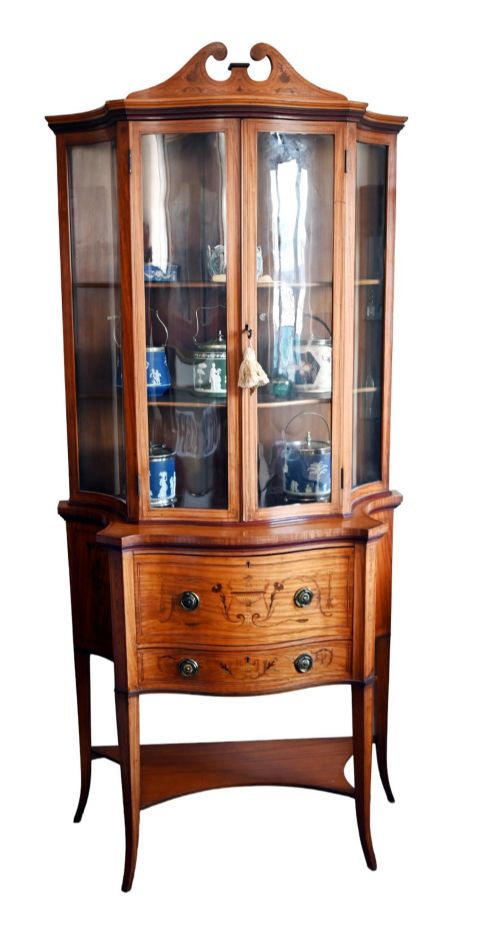
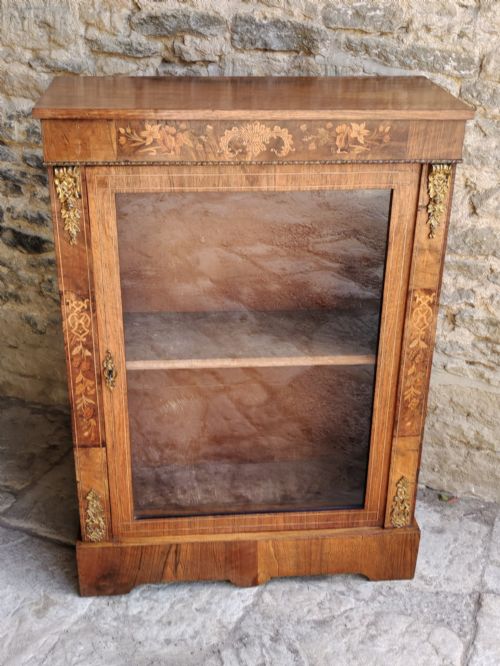
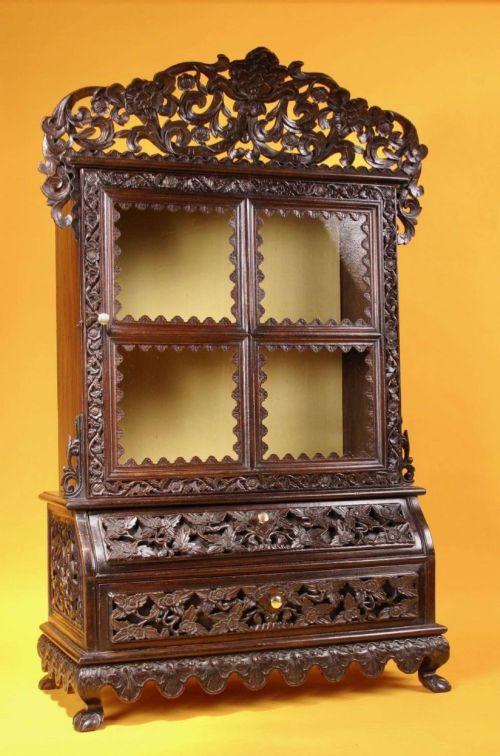
An antique wood display case protects and frames collections behind glass, bringing period craftsmanship directly into the modern room.
Antique Wood Display Case
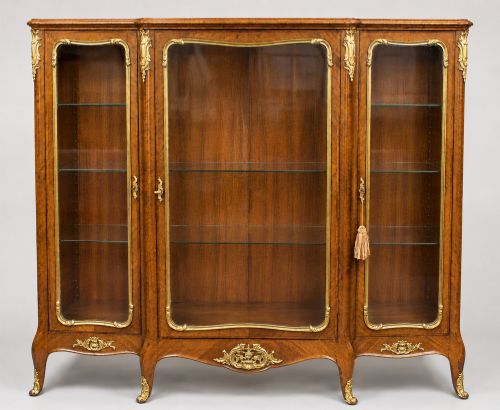
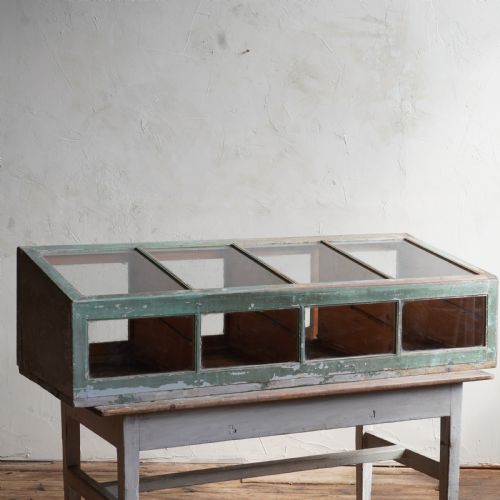
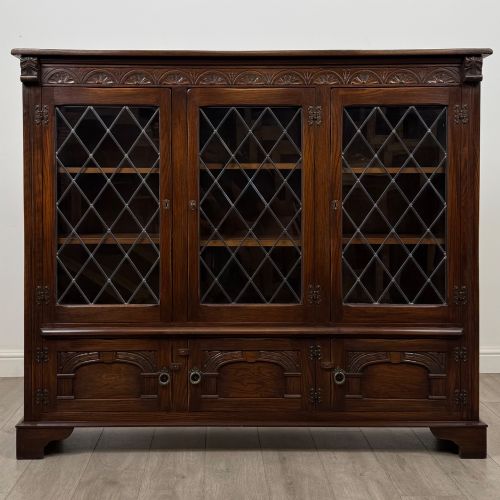
When searching for an antique wood display case, buyers encounter a varied selection of glazed cabinetry spanning the 18th century, Victorian era, and Edwardian period. The forms range widely from towering breakfront bookcases and floor-standing cabinets to compact tabletop vitrines, corner units, and specialised taxidermy or entomology showcases.
Mahogany and walnut predominate among the surviving pieces, often augmented by satinwood, oak, rosewood, and kingwood veneers. Many examples incorporate glass shelving and mirrored backs designed to bounce light through the interior and illuminate the objects housed within.
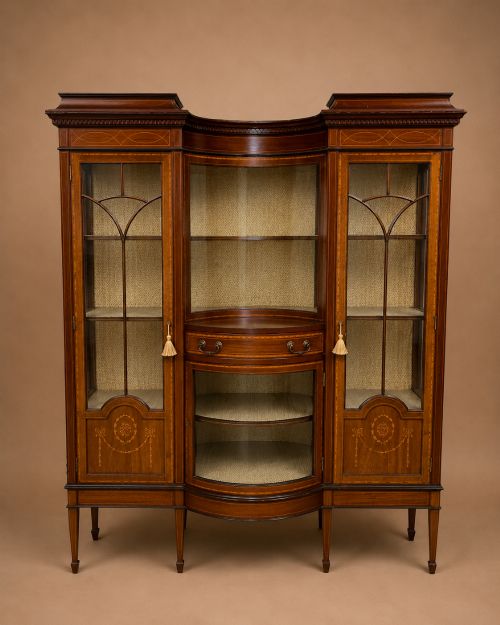
The aesthetic vocabulary stretches from austere Georgian proportions to elaborate Sheraton Revival inlay, Regency elegance, and curved Art Nouveau lines. Whether intended for a formal library, a drawing room, or a specialist natural history collection, these cabinets serve to exhibit prized possessions while keeping dust at bay.
How they were made
Cabinetmakers relied on dense hardwoods like mahogany, walnut, and oak to build sturdy structural carcasses capable of supporting heavy glazed doors and glass shelves. Finer pieces employed exotic veneers such as kingwood and satinwood, enhanced by intricate boxwood and marquetry inlay.
Glazing techniques required precise wooden framing, sometimes curved into serpentine or bow-front shapes to catch the light. Metal mounts in brass, ormolu, or gilt metal often decorated corners, key escutcheons, and door frames, reflecting prevailing styles from Regency to Art Nouveau.
The listings span the 18th, 19th, and 20th centuries, covering Georgian, Regency, Victorian, and Edwardian periods with mahogany, walnut, and oak.
What varies in quality
The standard of a piece rests heavily on the choice of timber and the precision of its grain matching. Cabinets featuring finely figured burr walnut, cross-banded satinwood, or elaborate marquetry sit firmly above plain utility pieces.
Construction details dictate longevity and refinement. Tight dovetailing in the drawers, well-fitted glazed doors that swing true, original brass hardware, and delicate hand-carved mouldings distinguish workshop output of the highest order from standard commercial production.
T. E. Gunn·William Bazeley & Sons
The Antique Wood Display Case Glossary
- Vitrine
- A glass-sided display cabinet designed specifically for showing off porcelain, curiosities, or fine objects. These freestanding or table pieces maximise visibility through glass on multiple sides.
- Bookcase
- A piece of shelving furniture, frequently enclosed with glazed doors in antique examples to protect valuable volumes. They often combine upper display space with a lower wooden cupboard.
- Marquetry
- Decorative veneer work created by fitting small pieces of various coloured woods, shells, or ivory into patterns. It adds pictorial or geometric richness to cabinet doors and friezes.
- Ormolu
- Gilt bronze mounts applied to furniture for decorative effect during the 18th and 19th centuries. These cast brass ornaments catch the eye on high-status cabinets.
- Breakfront
- A large cabinet design where the central section projects forward from the flanking wings. This architectural arrangement breaks up the flat facade of wide bookcases.
Antique Wood Display Case: Frequently Asked Questions
How do I date an antique wooden cabinet?
Dating relies on observing timber choices, construction methods, and stylistic cues present in the woodwork and hardware. For instance, satinwood inlay and serpentine shapes often point to the Sheraton Revival or late 18th century, while heavy ebonising or specific taxidermy styles suggest the Victorian era.
Examining the interior linings, drawer joints, and type of glass can also narrow down the period. Machine-cut screws and modern adhesives generally indicate later 20th-century alterations rather than original craftsmanship.
Where should I place a wood display case?
Display cases require placement away from direct sunlight and severe temperature fluctuations to protect both the wooden frame and the objects inside. Placing them against interior walls prevents timber warping and protects delicate veneers from fading.
Consider room lighting when positioning glazed cabinets, as natural side light enhances mirrored backs and glass shelves. Ensure the floor is level so doors hang straight and latch properly without straining the hinges.
Can I adjust the shelves in an antique cabinet?
Many Victorian and Edwardian cabinets incorporate adjustable shelving systems using wooden ratchets or metal shelf supports. This flexibility allows collectors to house items of varying heights, from tall folios to small porcelain figures.
Earlier pieces from the 18th century often feature fixed wooden shelving integral to the structural rigidity of the carcass. Checking the interior uprights reveals whether the shelves rest on permanent fixed cleats or movable brackets.