
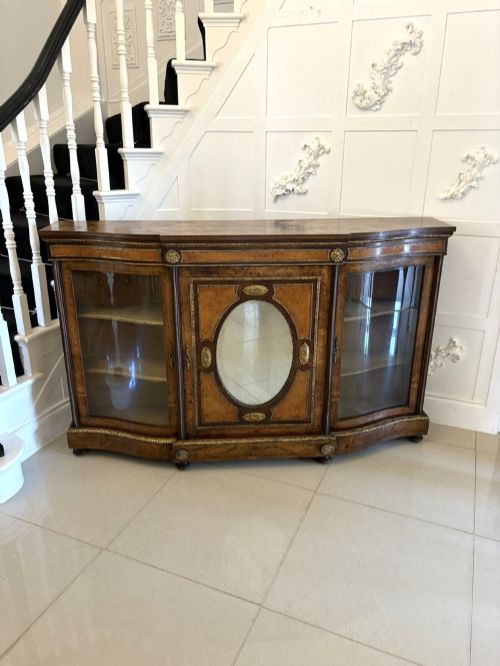
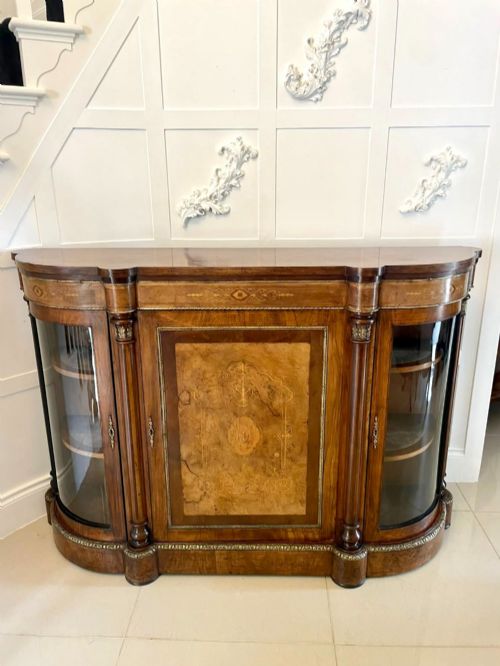
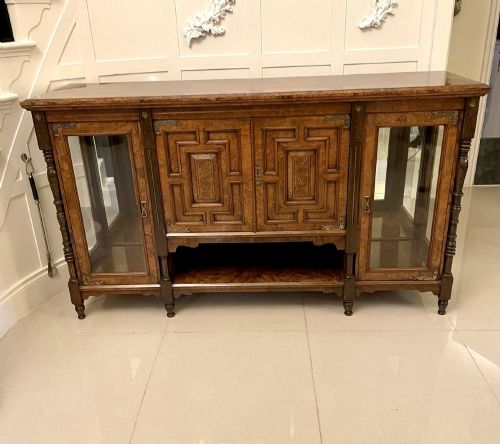
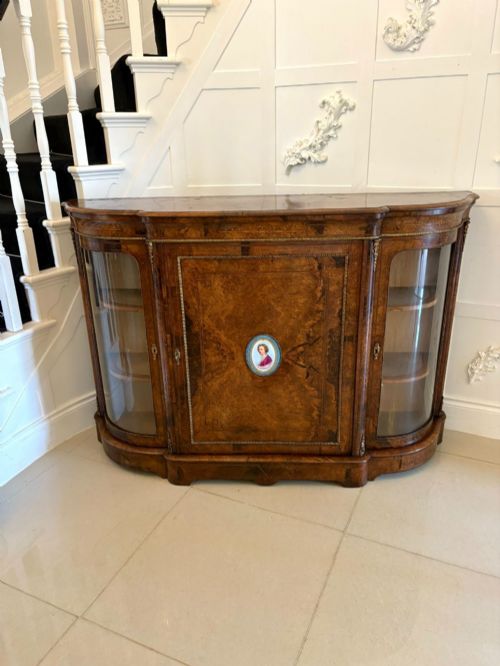


Inlaid Glass Cabinet
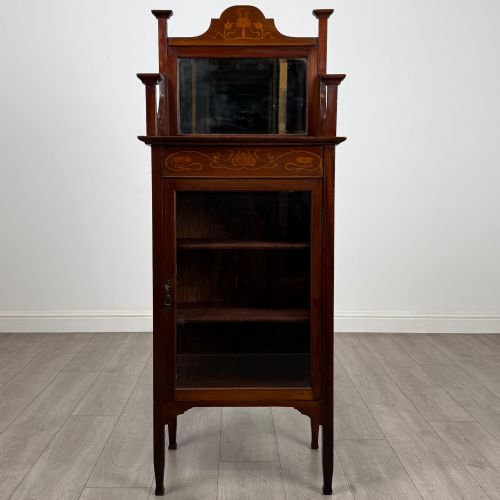
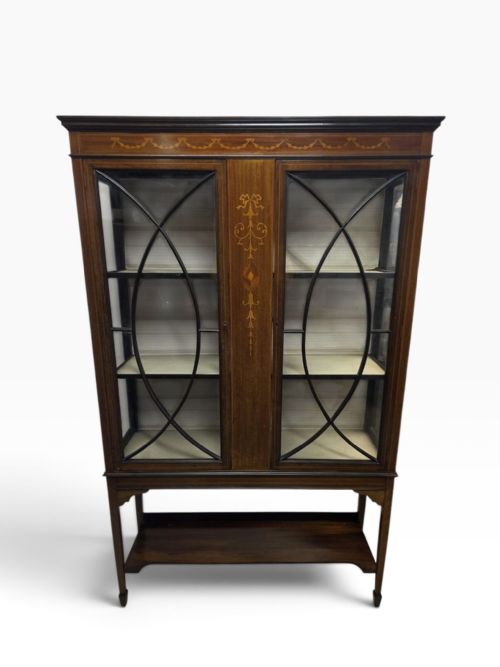
An inlaid glass cabinet brings warmth and refined storage to a room, showcasing treasured objects through glazed doors.
Inlaid Glass Cabinet
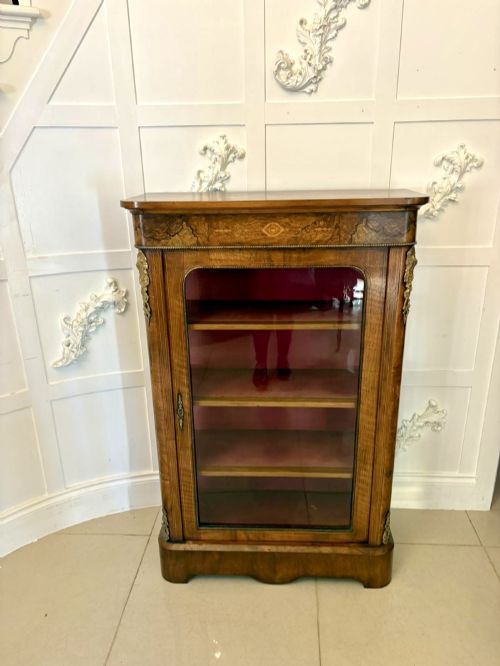
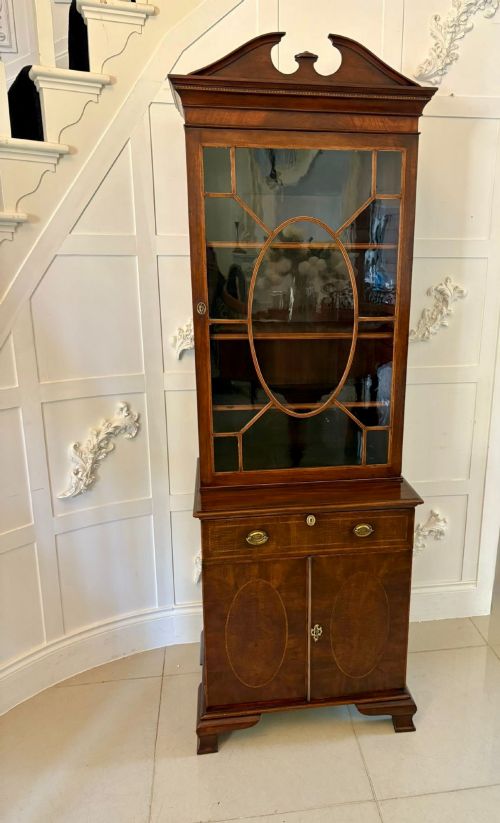
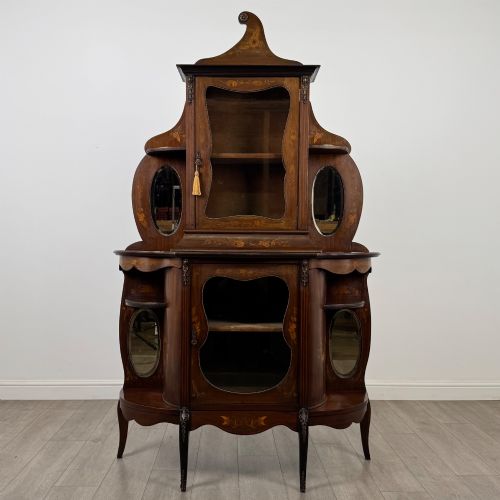
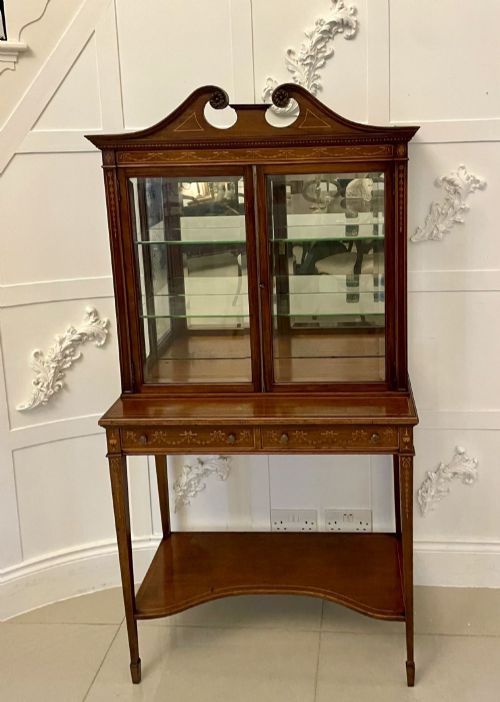
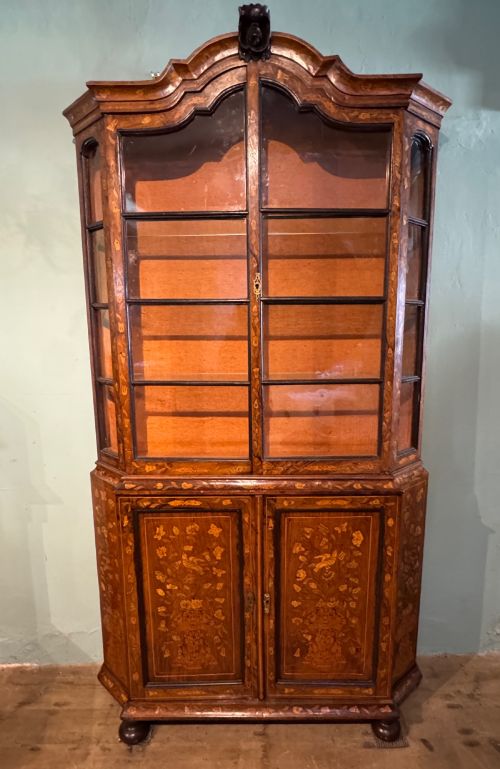
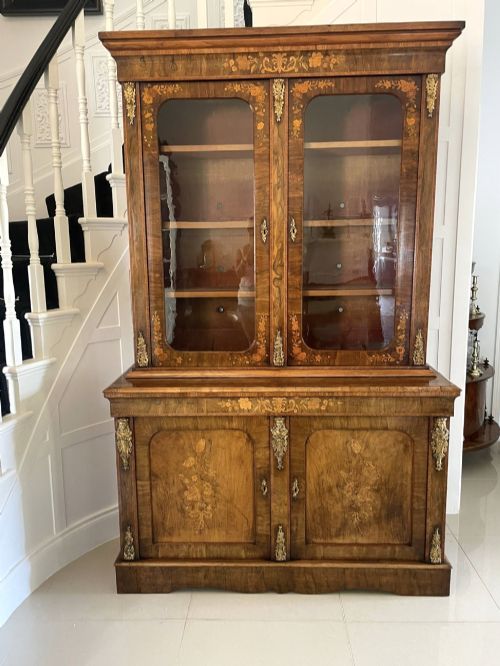
When you search for an inlaid glass cabinet, you encounter display pieces, bookcases, and pier cabinets designed to exhibit ceramics and collectibles. These items span Victorian, Edwardian, and Art Nouveau periods, reflecting centuries of cabinet-making skill.
Mahogany, burr walnut, and satinwood form the primary bodies of these cabinets, frequently enriched with contrasting wood marquetry. The versions you meet most often on this page date from the nineteenth and early twentieth centuries.
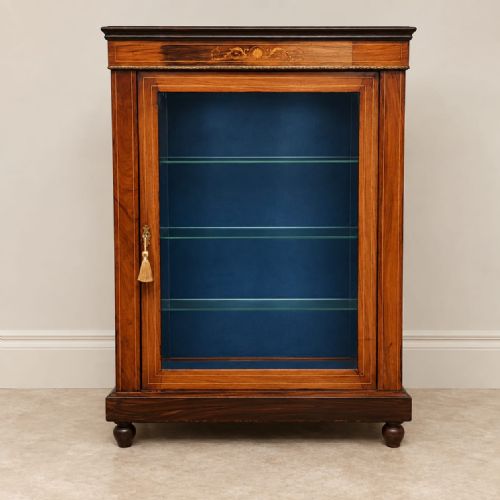
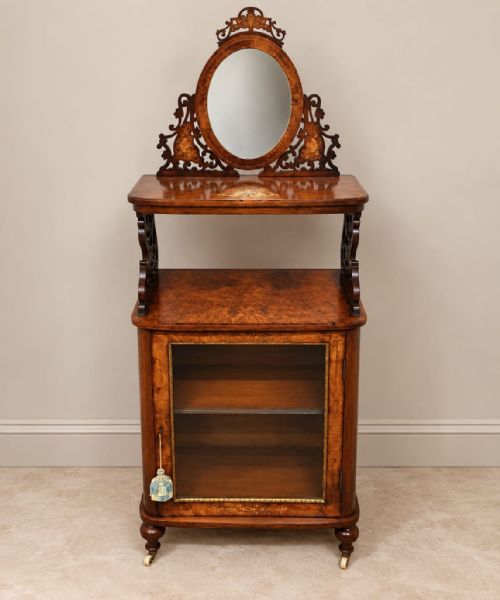
Forms range from compact pier cabinets and serpentine credenzas to tall bookcase cabinets and bijouterie display tables. Each piece serves to protect and display items behind glass while introducing decorative woodwork to an interior.
How they were made
Craftsmen built these cabinets using solid timbers and select veneers like mahogany, walnut, and satinwood over supportive carcases. Cabinetmakers then applied delicate marquetry and stringing in contrasting woods to create intricate floral and geometric patterns.
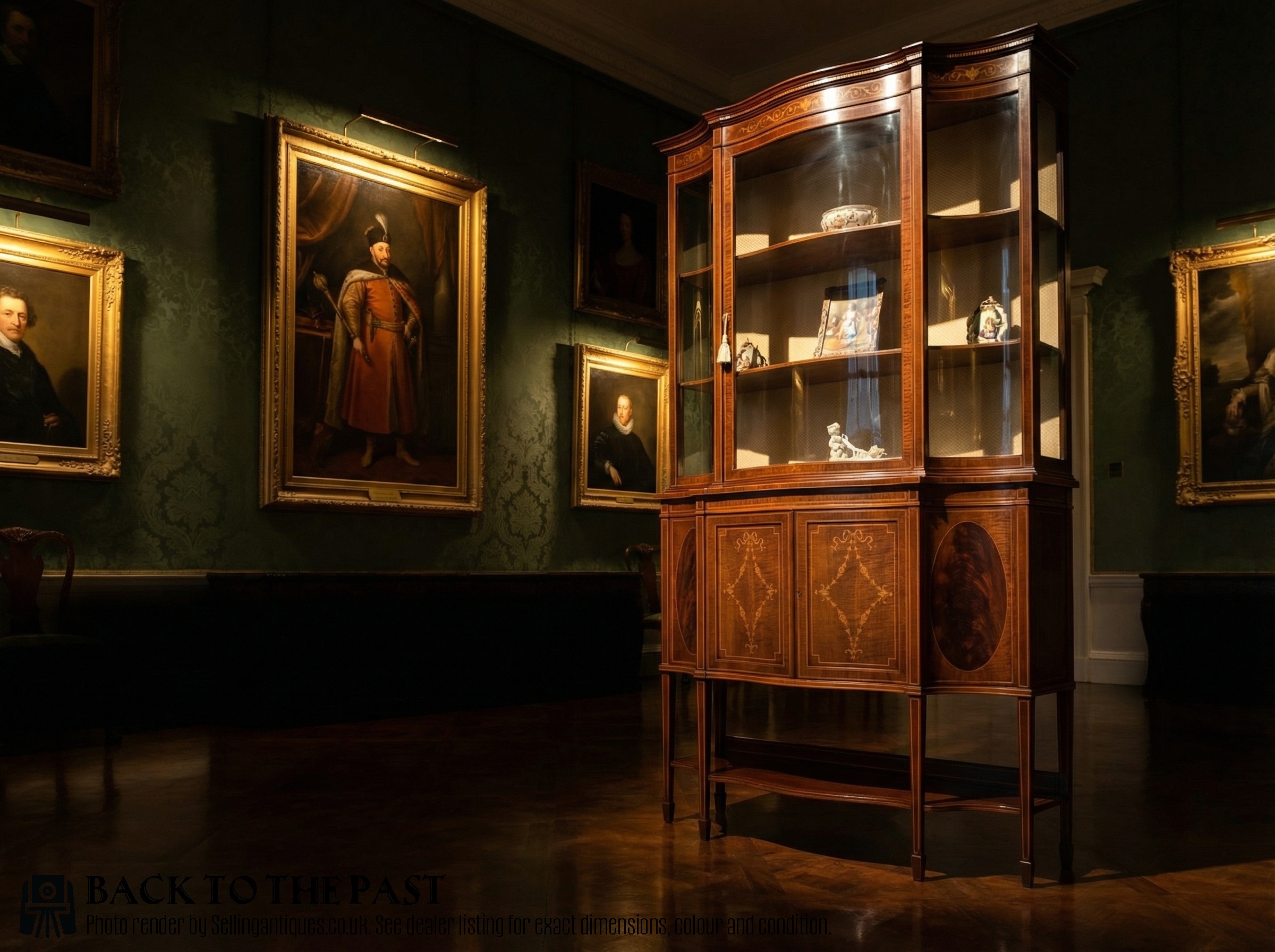
Glazing techniques involved fitting clear or leaded glass panes into wooden doors, sometimes paired with curved or bow-ended frames. Metal mounts in ormolu and brass further accented the doors, hinges, and gallery edges.
Listings feature mahogany, walnut, and satinwood cabinets spanning the Victorian, Edwardian, and Art Nouveau periods.
What varies in quality
The sophistication of the marquetry inlay and the choice of figured timber distinguish finer examples from standard production. Crispness in the carving, the weight of the brass or ormolu mounts, and the clarity of the glass determine overall merit.
Proportion and structural integrity separate exceptional workshop output from routine pieces. Cabinets retaining original glass, sound patination, and balanced proportions hold greater presence in a room.
Edwards and Roberts·Shapland and Petter·D. Hill Carter and Co.
The Inlaid Glass Cabinet Glossary
- Marquetry
- A decorative technique where small pieces of veneer are fitted together to form pictorial or geometric designs on a wooden surface. It often depicts flowers, urns, or scrolling foliage.
- Ormolu
- Gilded bronze mounts applied to furniture for decorative effect. These metal accents frequently frame doors or adorn corners.
- Pier Cabinet
- A narrow display cabinet designed to fit against the wall space between windows. These upright pieces typically feature a single glass door.
- Bijouterie Table
- A glass-topped table specifically made for displaying small valuable items and jewellery. They often stand on slender legs with glazed display wells.
- Stringing
- Thin lines of contrasting wood inlay used to outline panels, drawers, or cabinet doors. It adds subtle definition to mahogany and satinwood surfaces.
Inlaid Glass Cabinet: Frequently Asked Questions
What is an inlaid glass cabinet used for?
These cabinets serve to display porcelain, glassware, and small collectibles while keeping dust away behind glazed doors. They bring a decorative focal point to reception rooms and studies.
Interior placement typically suits corners or wall spaces where natural light enhances the displayed objects through the glass.
How do I date an inlaid glass cabinet?
Dating relies on observing the combination of timber, stylistic motifs, and construction methods recorded in the piece. Victorian examples often utilise burr walnut and heavy ormolu mounts, whereas Edwardian pieces lean towards satinwood and lighter frames.
Examining the backboards, drawer linings, and glass characteristics helps confirm the manufacturing era.
Where should I place a pier cabinet?
Pier cabinets fit naturally against narrow wall sections, particularly between windows or flanking a fireplace. Their slender proportions ensure they occupy minimal floor space while offering vertical display height.
Positioning them away from direct sunlight protects both the wooden veneers and the items inside from fading.
What woods were commonly used?
Mahogany, walnut, and satinwood form the backbone of these cabinets, often enhanced by burr walnut veneers. Inlays frequently incorporate various fruitwoods to achieve contrasting colours in floral motifs.
Oak appears occasionally in secondary carcase framing and internal shelving.