




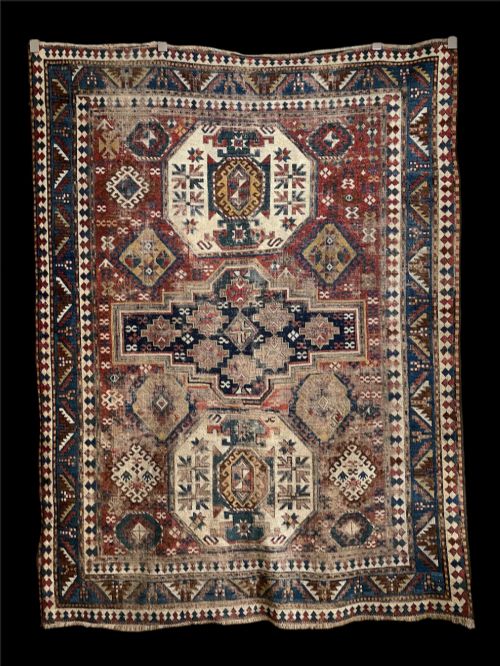


Indigo Wool Floor Rug
When you search for an indigo wool floor rug, you enter a world of woven textiles rooted in Persian and Caucasian traditions.
Indigo Wool Floor Rug
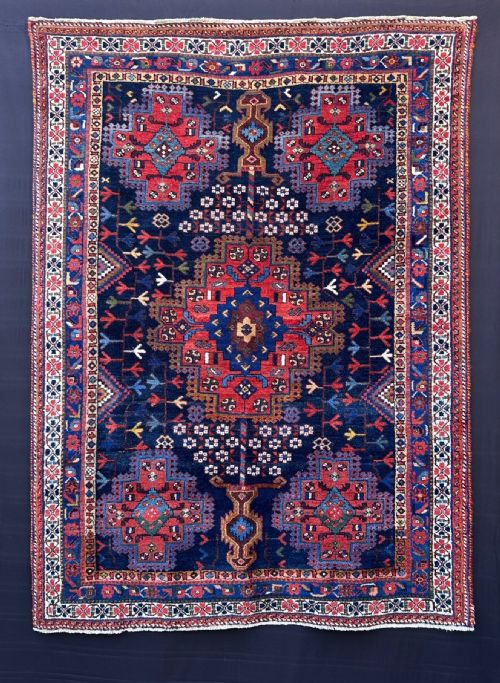
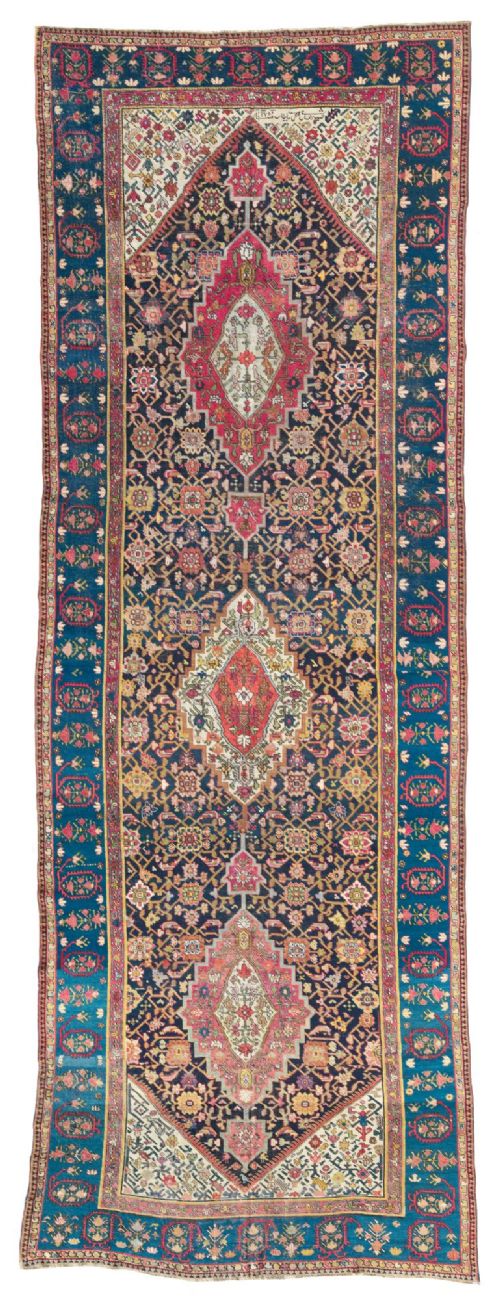
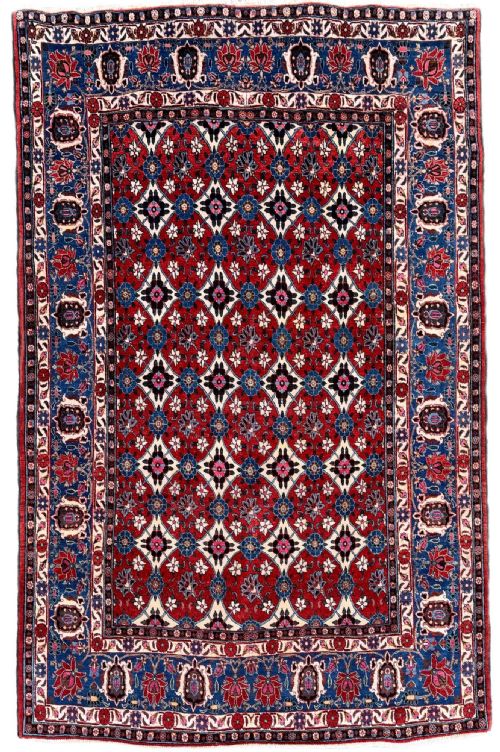
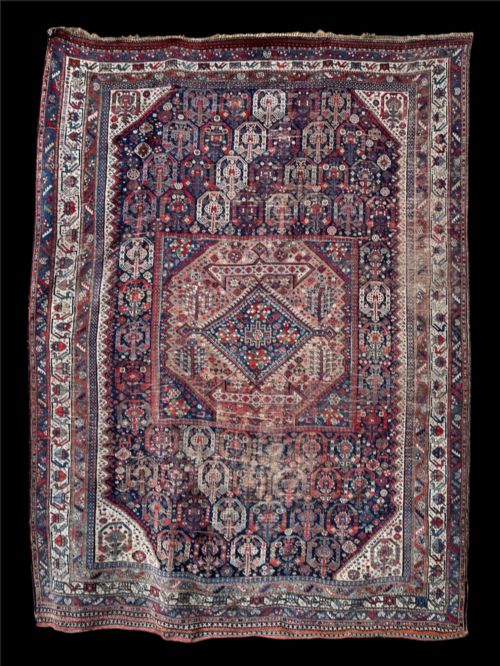
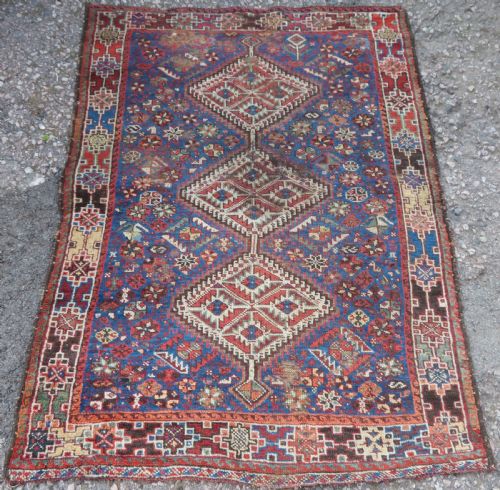
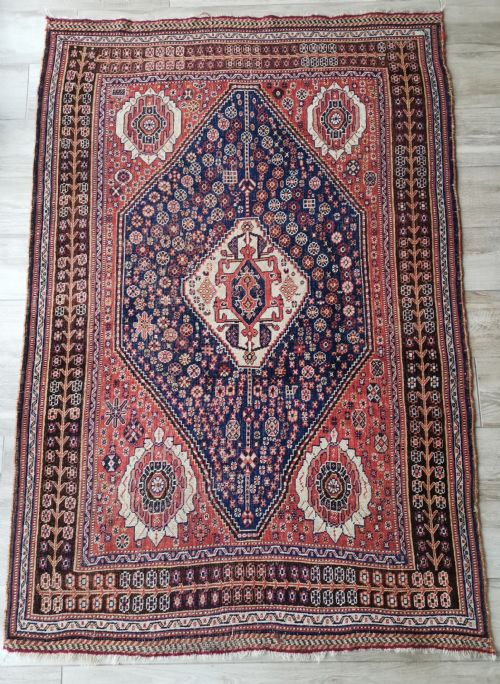
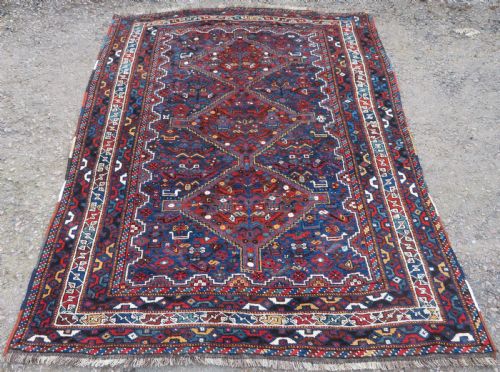
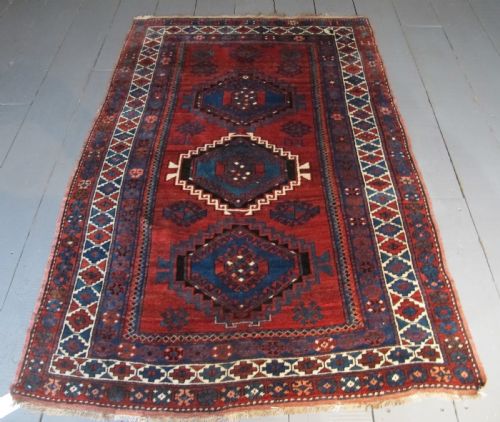
An indigo wool floor rug brings together traditional regional weaving styles from Persia, the Caucasus, and surrounding areas. These pieces span from the late nineteenth century into the early decades of the twentieth century.
The selections available here include tribal carpets, village rugs, runners, and saddlebags. Buyers encounter formats ranging from smaller area rugs to large room-sized carpets.
Tribal pieces such as Khamseh, Qashqai, and Afshar works appear alongside Caucasian rugs featuring geometric motifs and stars. Each piece reflects the specific heritage of its weaving community.
Materials and construction
The primary material underpinning these textiles is wool, frequently complemented by cotton foundations and occasional uses of goat hair. Natural dyes provide the distinct colour palette that defines the category.
Weavers constructed these floor coverings using hand-knotting techniques on vertical or horizontal looms. The tight integration of pile and foundation created durable surfaces intended for daily domestic use.
Some antique saddlebags still retain the original woollen tassels intended to keep desert dust away from travelling belongings.
Assessing quality
Quality in these woven textiles rests upon the density of the knotting and the handling of the wool. Finer knots allow for sharper definition within geometric or medallion patterns.
The depth and consistency of the natural dyes contribute significantly to the visual merit of a piece. Skilled use of indigo creates rich tonal variations that develop character over decades.
The Indigo Wool Floor Rug Glossary
- Indigo
- A natural blue dye extracted from plants, prized for its deep and permanent hue in traditional floor coverings.
- Pile
- The vertical or diagonal loops of yarn that form the usable surface of a woven textile.
- Kelleh
- A long, rectangular format of carpet traditionally suited for specific architectural spaces within traditional homes.
- Medallion
- A central ornamental motif placed in the field of a rug, often geometric or floral in conception.
- Boteh
- A stylised almond or pear-shaped motif commonly found in Persian and tribal textile designs.
Indigo Wool Floor Rug: Frequently Asked Questions
How do I clean an antique wool rug?
Gentle surface vacuuming without a beater bar removes loose dust without disturbing the wool pile. Professional specialist cleaning remains necessary for deep maintenance.
Water and harsh chemical detergents damage natural dyes and weaken the cotton or wool foundation. Prompt blotting handles accidental spills safely.
Where were these rugs made?
The pieces originate primarily from regions across Persia, the Caucasus, and western Afghanistan. Communities such as the Qashqai, Khamseh, and Afshar produced distinctive tribal works.
Village workshops in areas like Bidjar, Heriz, and Karaja generated heavier carpets designed for formal settings. Each location imparted specific colour choices and structural traits.
Can I place these rugs in high traffic areas?
Traditional wool construction provides high natural durability suited for moderate foot traffic in living spaces and hallways. Placing a quality underlay beneath the rug prevents sliding and cushions the pile.
Direct, harsh sunlight causes natural dyes to fade over extended periods. Rotating the rug periodically balances environmental exposure.
How do I determine the age of a rug?
Structural analysis of the foundation materials, knot count, and dye palette offers primary clues to the period of manufacture. Stylistic variations in tribal medallions also help place pieces within the nineteenth or early twentieth century.
Comparative study of regional weaving habits clarifies the historical context of unsigned items. Subtle irregularities in older hand-knotted pieces confirm traditional production methods.