




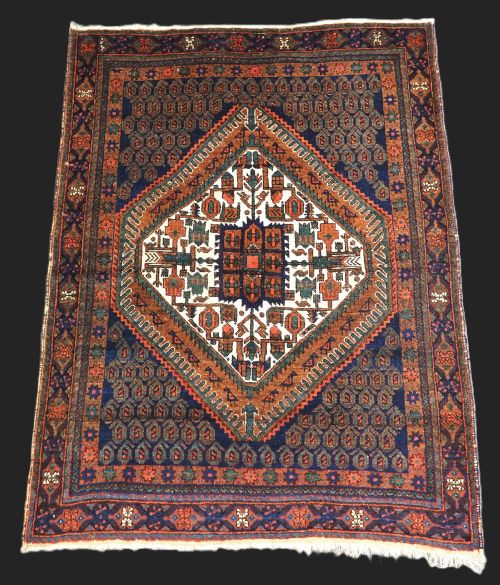


Afshar Medallion Rug
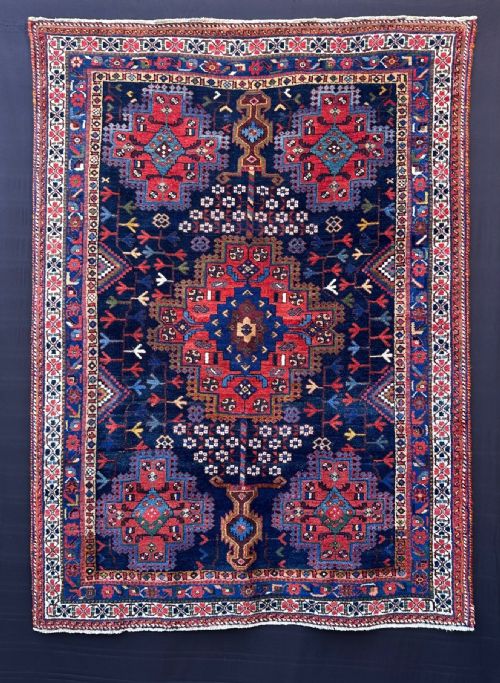
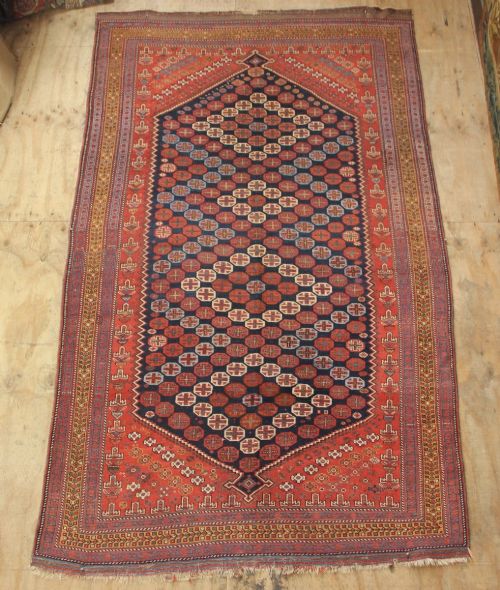
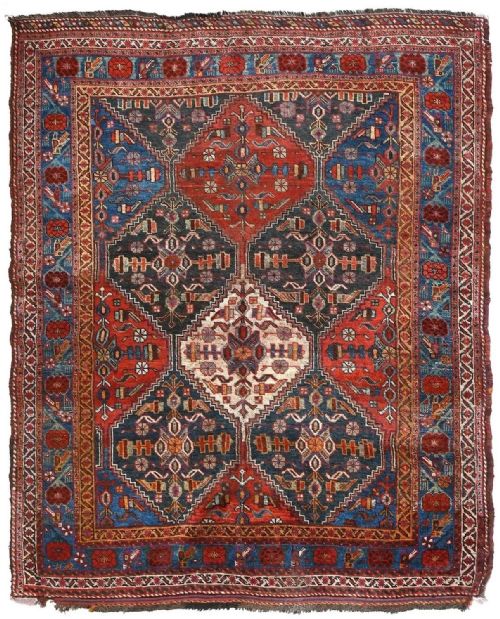
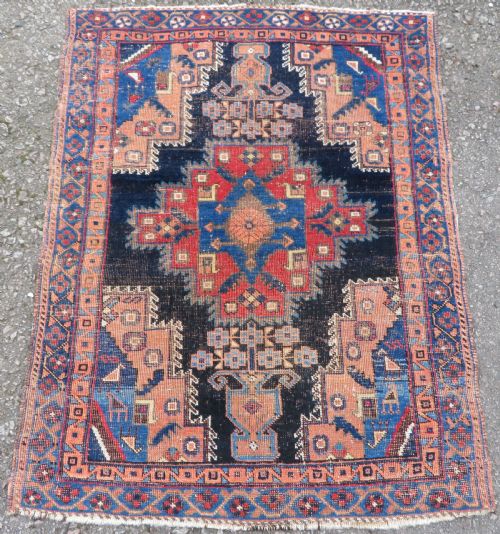
Afshar medallion rugs are South Persian tribal floor coverings woven in wool and cotton that bring distinct geometric character to a room.
Afshar Medallion Rug
When you search for an afshar medallion rug, you are looking at South Persian tribal weaving from regions such as Neiriz and the Kerman province. These pieces date across the late nineteenth and early twentieth centuries, spanning periods from eighteen eighty to nineteen forty.
The format ranges from small tribal rugs to larger area rugs and carpets featuring classic medallion and boteh designs. You will most frequently encounter antique examples produced around nineteen hundred, displaying traditional South Persian tribal motifs.
The physical form is typically a flat-woven or pile-knotted textile utilising wool on cotton foundations. These rugs reflect the distinctive aesthetic of tribal workshops in southern Persia.
How they were made
The construction relies upon wool pile knotted onto cotton foundation threads. This combination provides the characteristic weight and structure found in South Persian tribal weaving.
Weavers utilised traditional hand-knotting techniques to execute geometric medallion patterns and boteh designs. The resulting textiles demonstrate the durable methods employed in regional workshops.
Afshar Medallion Rug Retail Price Guide 2026
Typical asking prices for afshar medallion rug among the pieces listed under this phrase on Sellingantiques today, from the lower quarter to the upper quarter. They describe what is for sale here now, not the wider market.
Tribal weavers tucked small lucky charms into the pile to ward off the evil eye while tying the knots.
What varies in quality
Quality in these South Persian weavings is determined by the precision of the knotting and the crispness of the medallion geometry. Finer examples display tightly packed pile and sharply defined tribal motifs across the field.
The handling of wool and the condition of the cotton foundations also distinguish finer rugs from heavily worn or distressed pieces. The integrity of the weave dictates the overall standard of the textile.
The Afshar Medallion Rug Glossary
- Afshar
- A South Persian tribal designation denoting rugs originating from the tribes of the Kerman province and Neiriz region. These pieces are recognised by their geometric layouts and distinctive medallion designs.
- Medallion
- A central ornamental motif set within the field of the rug. In these tribal weavings, it often takes a geometric or hooked form.
- Boteh
- A traditional almond-shaped or paisley motif representing a floral shoot or cypress tree. It frequently appears alongside the central medallion in regional designs.
- Pile
- The vertical or slanted wool threads that form the wearable surface of the rug. This soft layer sits atop the structural foundation.
- Foundation
- The underlying grid of warp and weft threads that supports the knotted wool pile. In these examples, the foundation is constructed from cotton.
Afshar Medallion Rug: Frequently Asked Questions
Where were afshar medallion rugs made?
These rugs originate from southern Persia, specifically associated with tribal production in the Kerman province and the Neiriz region. The weavers worked within traditional nomadic and village communities.
Production spanned the late nineteenth century through the mid twentieth century, utilising local materials such as wool and cotton.
What is a boteh design?
The boteh is an almond-shaped or teardrop motif that appears frequently in these South Persian tribal rugs. It is an ancient Near Eastern symbol representing life and eternity.
In regional weaving, these motifs surround the central medallion or fill the field in repeating rows.
How do I date an antique afshar rug?
Dating relies on stylistic markers, structural analysis, and material wear recorded across examples from periods like eighteen eighty through nineteen forty. Earlier pieces often display distinct natural dye palettes and finer regional wool.
Examining the condition of the cotton foundations and the tightness of the knotting helps place the rug within its approximate era.
Are these rugs suitable for daily use?
These South Persian tribal textiles are constructed with wool pile on cotton foundations for functional floor use. Their durable construction makes them practical for placement as area rugs or carpets in living spaces.
Placing an appropriate underlay beneath the rug helps protect the historic foundation during everyday walking.