


Indian Carved Pedestal Table
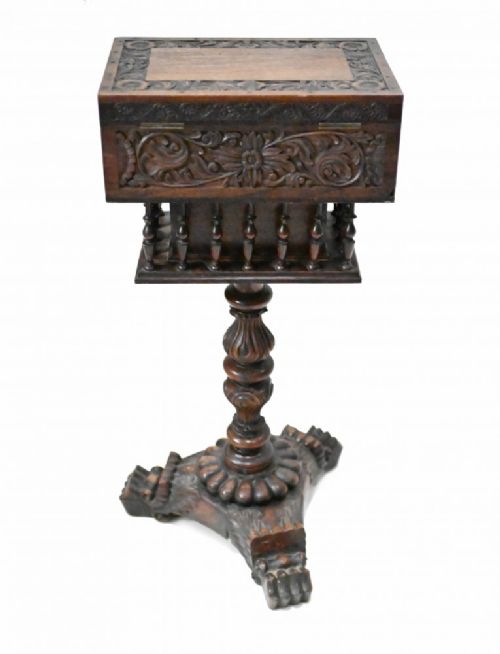
An indian carved pedestal table brings dense, intricate craftsmanship into a room, offering a functional surface rooted in colonial-era trade and artistry.
Indian Carved Pedestal Table
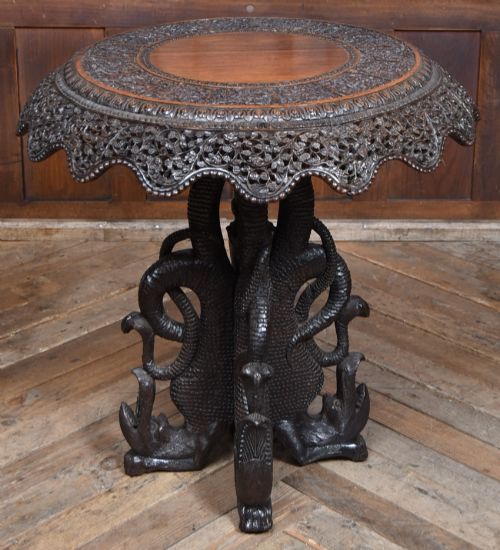
An indian carved pedestal table is a striking piece of furniture that unites traditional eastern motifs with classic western forms, typically featuring a central pillar supported by carved feet or a platform base. These tables originate from periods of British colonial presence in the subcontinent and Southeast Asia, spanning the nineteenth century and into the early decades of the twentieth century.
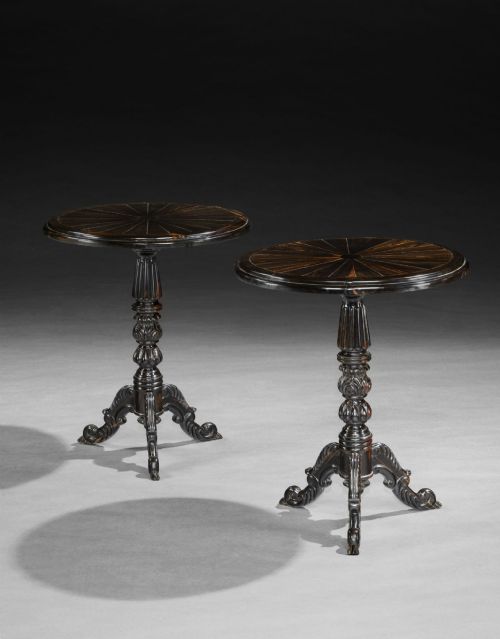
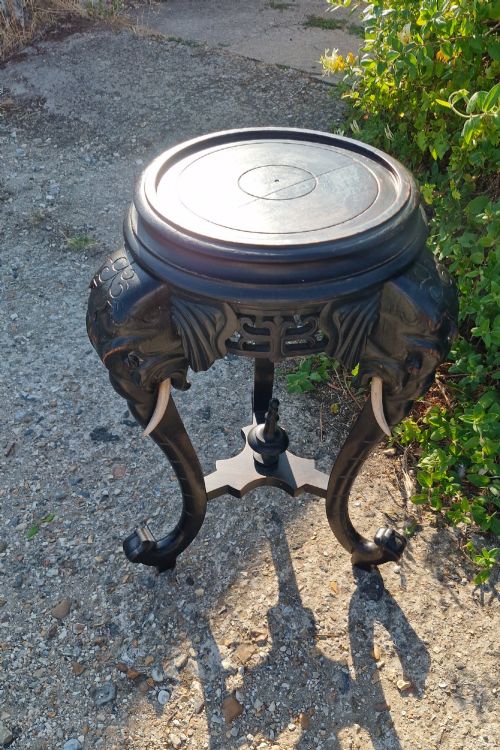
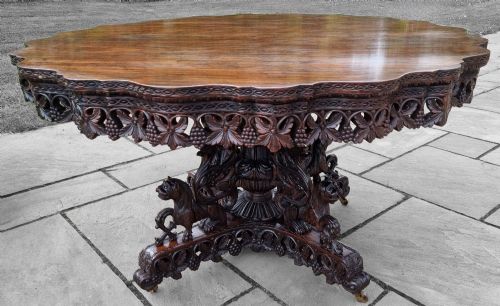
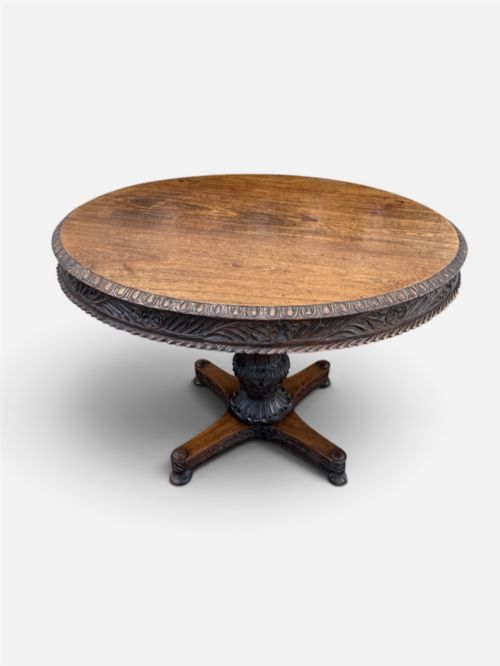
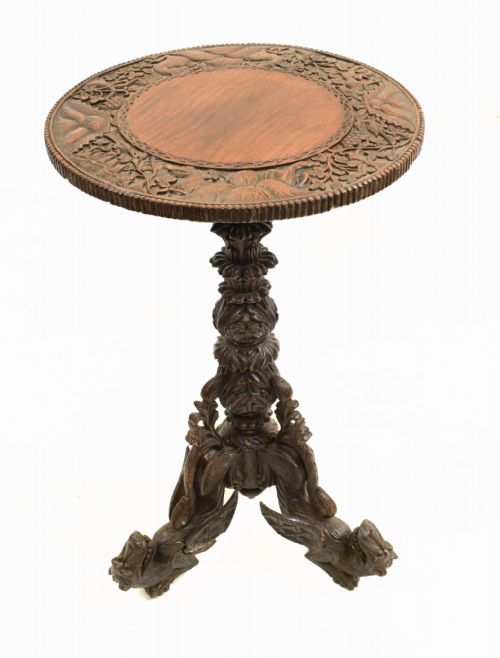
The forms on this page include tilt-top occasional tables, centre tables, and smaller wine tables designed for domestic use. The carving is deeply textured, frequently displaying intricate foliage, geometric patterns, or figural elements such as elephants and camels.
Most examples found here fall under the broad category of Anglo-Indian or Burmese colonial furniture, reflecting regional workshops that adapted local timbers for British drawing rooms and libraries. A buyer will encounter circular, hexagonal, and shield-shaped tops supported by heavily sculpted pedestals.
Materials and construction methods
The makers relied upon dense, durable hardwoods such as padauk, rosewood, teak, and ebony, which could withstand the deep incision of intricate relief carving without splintering. These timbers were often polished to a dark, lustrous finish that highlighted the varied grain of the wood.
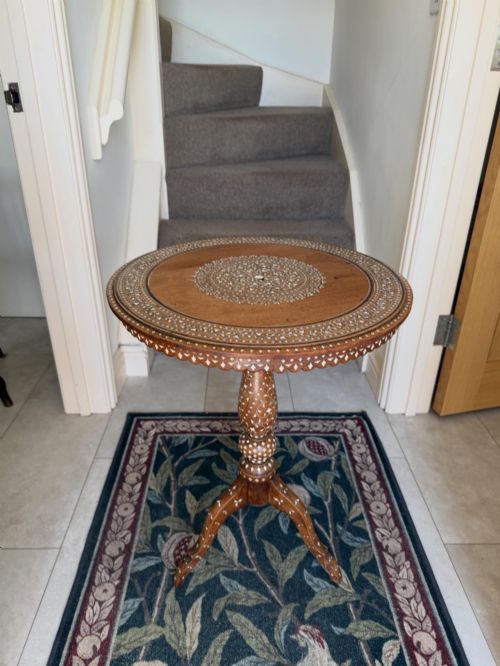
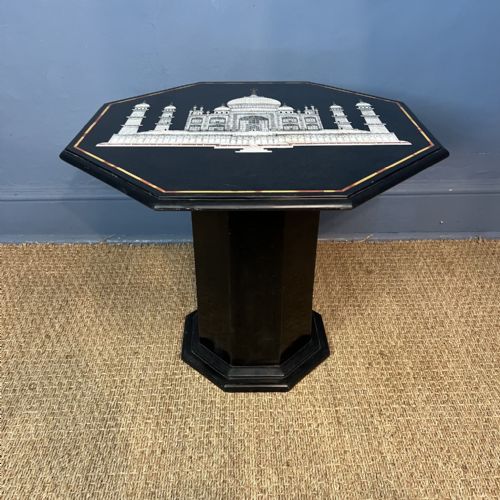
Joinery combined traditional pin and socket methods with robust central pillar constructions to support the heavy, solid timber tops. Certain pieces incorporate contrasting materials, using mother-of-pearl inlay, black marble, or brass accents to break up the dense expanses of carved wood.
Listings feature woods including teak, rosewood, padauk, and satinwood, alongside mother-of-pearl and black marble inlay.
Distinctions in craftsmanship and design
Quality rests upon the depth, sharpness, and discipline of the carving itself, where superior examples exhibit crisp undercut details rather than shallow, rounded impressions. The selection of the timber also dictates value, with dense exotic woods like coromandel or finely figured satinwood marking out superior regional output.
Proportion and structural integrity define the better pieces, ensuring the heavy central pedestal securely balances the top without wobble. The precision of inlaid elements, such as mother-of-pearl or contrasting specimen woods, further separates standard production from exceptional studio work.
Currie & Co
The Indian Carved Pedestal Table Glossary
- Anglo-Indian
- Furniture made in India during the British colonial period, combining local artisan techniques with European furniture forms. It reflects a distinct cross-cultural design aesthetic.
- Padauk
- A heavy, durable tropical hardwood with a reddish hue used extensively in colonial furniture making. It accepts fine carving and polishes to a deep lustre.
- Tilt-top table
- A table designed with a mechanism allowing the top to pivot into a vertical position when not in use. This conserved space in nineteenth-century drawing rooms.
- Teapoy
- A small occasional table or stand historically used for holding tea canisters and equipment. Later versions evolved into general small-scale serving tables.
- Hoshiarpur
- A North Indian city renowned for intricate woodwork, specifically known for detailed inlay work utilising brass, bone, or contrasting wood.
Indian Carved Pedestal Table: Frequently Asked Questions
How were these tables used originally?
These tables served as versatile occasional pieces in nineteenth-century drawing rooms, libraries, and parlours, holding lamps, books, or tea services.
Their sturdy central pedestals allowed them to sit comfortably in the centre of a room or beside seating without obstructive corner legs.
How do I distinguish regional styles?
Burmese pieces often display exceptionally deep, continuous figural and floral carving across the entire surface, sometimes incorporating two-tier structures.
Anglo-Indian examples from regions like Bombay or Hoshiarpur frequently integrate specific regional flourishes such as dense foliate scrolls, carved animal motifs, or intricate surface inlay.
Are tilt-top mechanisms common?
Tilt-top mechanisms appear frequently on occasional and centre tables from the nineteenth century, designed to allow easy storage against a wall.
The brass or iron catch beneath the top secures the surface firmly in the horizontal position during daily use.
How do I care for carved hardwood?
Maintain the timber by dusting regularly with a soft, dry brush to prevent dirt from settling in the deep recesses of the carving.
Keep the piece away from direct heat sources and sudden humidity changes to protect the dense hardwoods from drying out or splitting.