
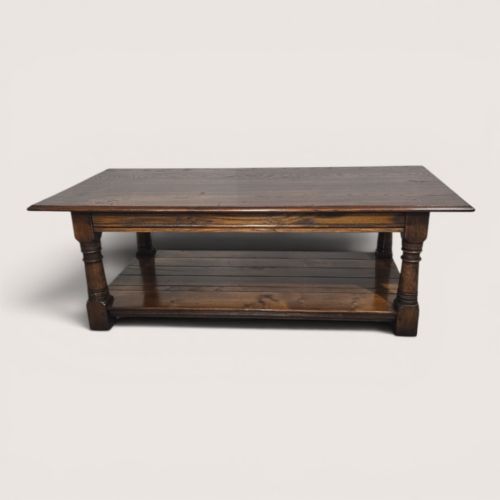



Carved Solid Wood Table
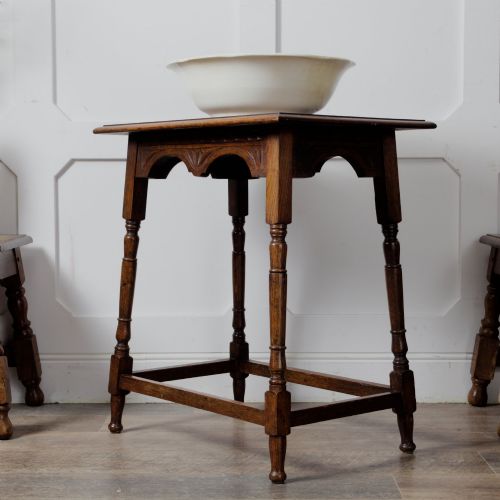
A carved solid wood table brings substantial grain, heavy timber, and deep historical character directly into a room.
Carved Solid Wood Table
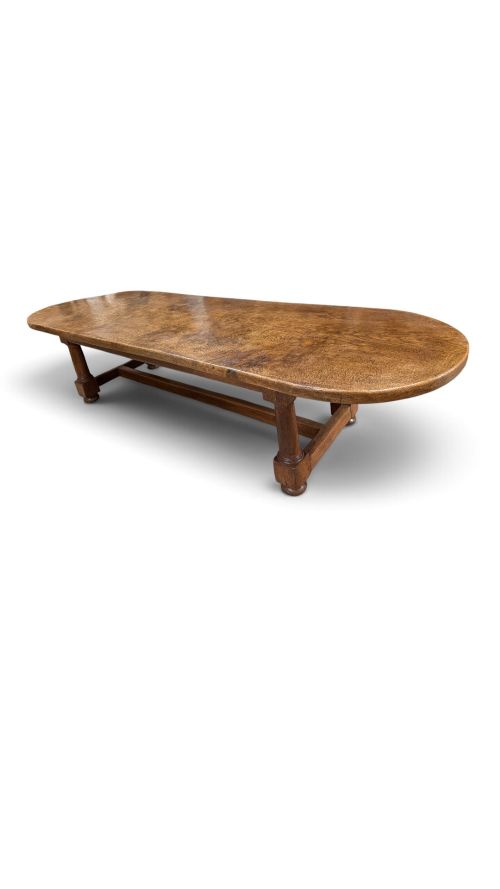
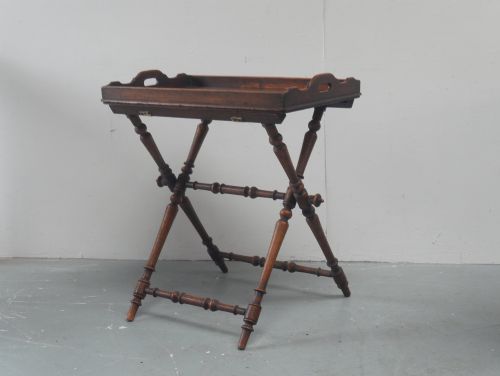
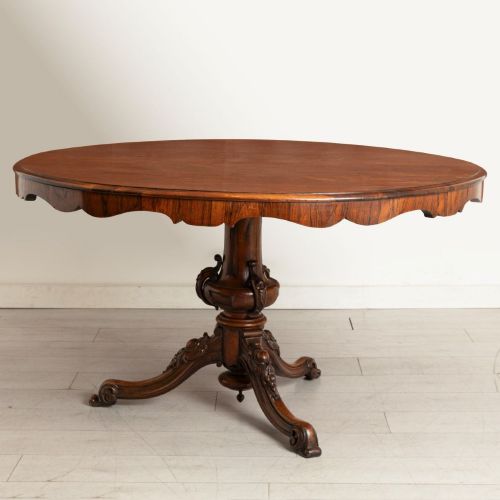
When searching for a carved solid wood table, buyers encounter a diverse selection of heavy timber furniture spanning multiple centuries and global origins. These pieces range from substantial refectory dining tables and occasional coffee tables to elaborate centre tables and tilt-top designs.
The examples available on this page draw heavily from the eighteenth, nineteenth, and early twentieth centuries. Oak and rosewood dominate the listings, alongside walnut, mahogany, ash, and padauk, reflecting traditional cabinet-making practices across British, European, Indian, and African workshops.
Buyers are most likely to meet solid oak dining tables from the eighteenth and nineteenth centuries, alongside Victorian walnut and rosewood occasional tables. Rustic country farmhouse styles and revival movements such as Jacobean and Arts and Crafts appear frequently alongside Anglo-Indian and tribal works.
How they were made
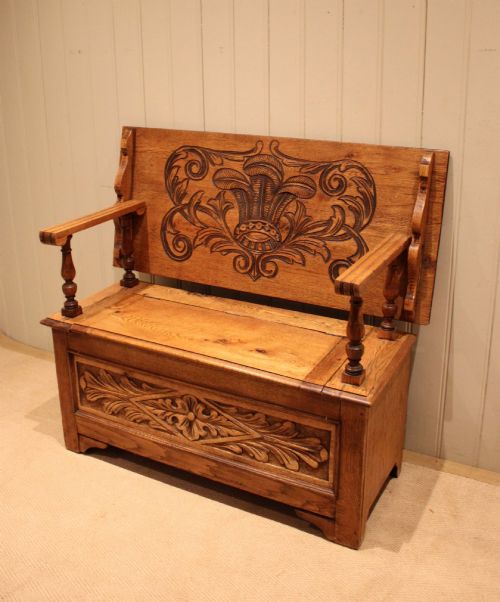
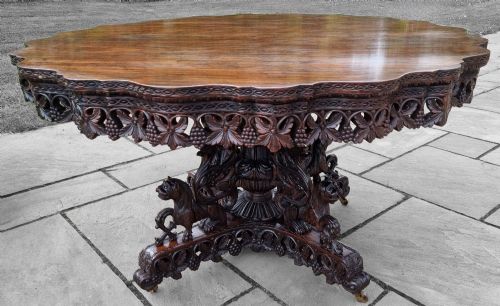
Cabinet makers utilised heavy native and exotic hardwoods, selecting solid oak, walnut, mahogany, rosewood, and ash for their structural density and rich grain patterns. These timbers were often hand-carved with motifs ranging from linenfold and Green Man reliefs to foliate scrolls and figural elements.
Construction relied upon traditional joinery techniques, using planks, joint stools, and refectory frames designed to support significant weight. Metal components such as cast solid brass sabots and brass fittings appeared on select nineteenth-century pieces to protect legs and accent polished surfaces.
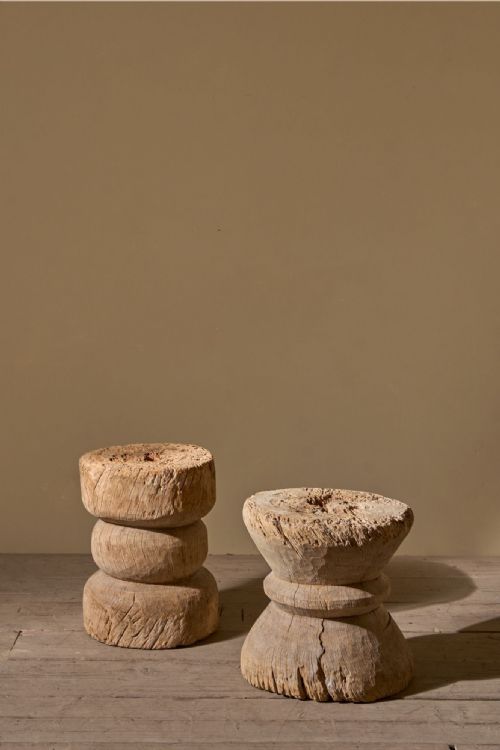
One listed table originates from an African Bamileke ceremonial bed that doubles brilliantly as a large coffee table.
What varies in quality
The standard of carving distinguishes superior examples, where depth, sharpness, and fluidity of the hand-chiselled detail demonstrate the maker's skill. Surface finish and timber selection also drive variation, as choice cuts of figured rosewood, walnut, or single-plank oak with strong natural patination command greater visual presence.
Structural integrity and the retention of original components, such as turned bases, tilt-top mechanisms, and brass sabots, dictate the overall coherence of a piece. Proportions play a role too, as smaller sideboards, Sutherland tables, and refectory tables maintain balance without appearing clumsy.
The Carved Solid Wood Table Glossary
- Refectory table
- A long, narrow dining table traditionally used in monasteries and large halls, built with sturdy stretcher rails supporting heavy timber legs.
- Tilt-top
- A tabletop hinged to a central column or pedestal, allowing it to be folded vertically to save space when not in use.
- Padauk
- A heavy, durable tropical hardwood featuring a distinct reddish hue and prominent grain, seen on nineteenth-century Anglo-Indian pieces.
- Sabot
- A protective metal sleeve fitted to the foot of a table leg, commonly cast in solid brass during the nineteenth century.
- Patina
- The deep gloss and surface alteration developed by wood over decades or centuries of handling, polishing, and exposure to light.
Carved Solid Wood Table: Frequently Asked Questions
How do I date a carved solid wood table?
Dating relies on observing the timber species, construction joinery, and decorative carving styles associated with specific periods like the eighteenth century or the Victorian era.
Examining tool marks, fixings, and the natural wear of the wood grain helps confirm the age of the piece.
Are these tables suitable for everyday dining?
Many of these pieces, particularly the refectory and plank dining tables, were built precisely for heavy daily use.
Their solid timber construction provides robust durability, though modern care should be taken to protect antique finishes from moisture and heat.
What is a tilt-top table used for?
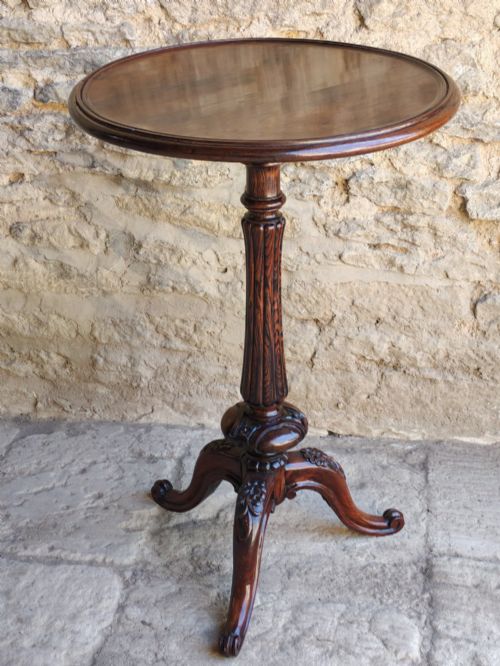
A tilt-top table served as a versatile piece of furniture in nineteenth-century parlours and drawing rooms, easily moved against a wall when folded.
This space-saving design allowed the room to clear quickly while displaying the polished solid wood top as decorative panelling.
How do I maintain a solid oak or rosewood surface?
Maintaining these surfaces involves regular dusting with a soft cloth and occasional application of appropriate natural waxes to nourish the grain.
Avoiding direct sunlight and placing protective barriers beneath hot or wet items preserves the original patina over time.