


Impasto Oil Landscape
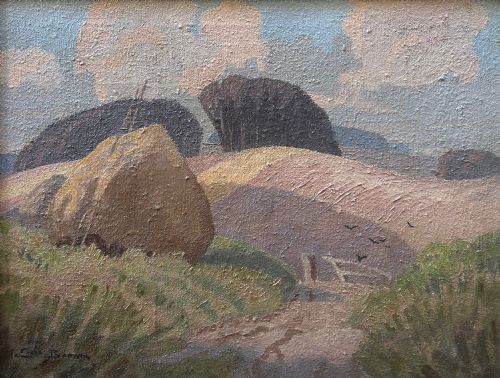
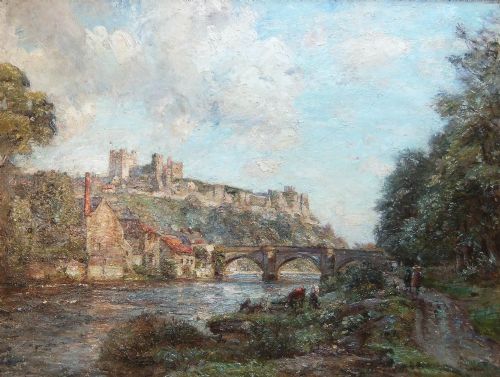
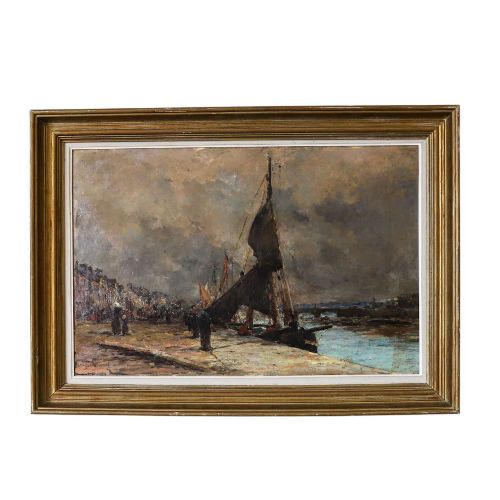
When you search for an impasto oil landscape, you seek works where thick, tactile pigment captures light and motion across canvas or board.
Impasto Oil Landscape
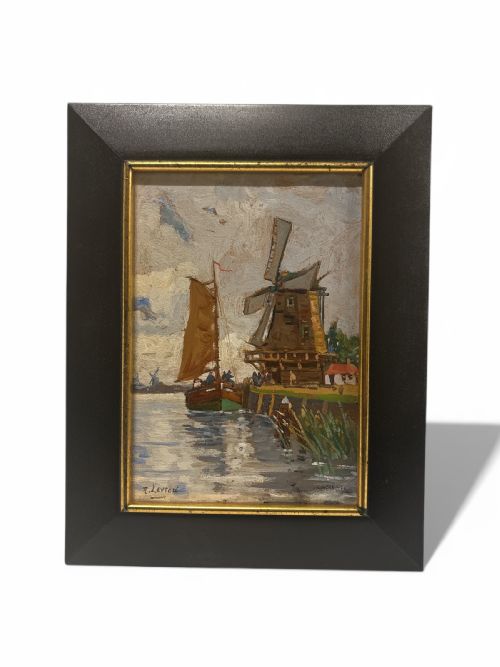
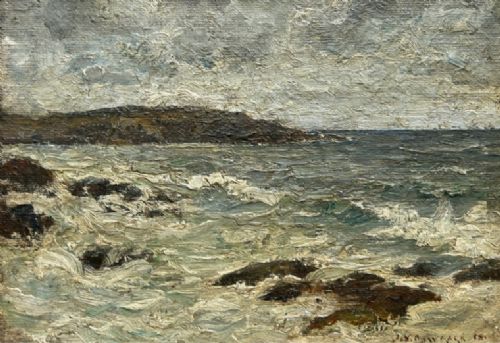
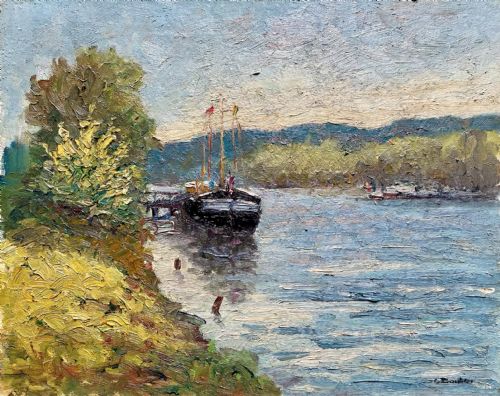
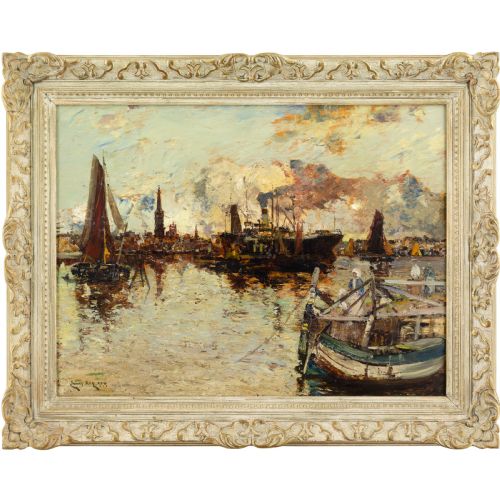
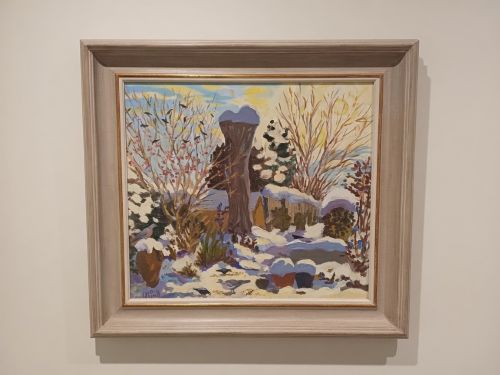
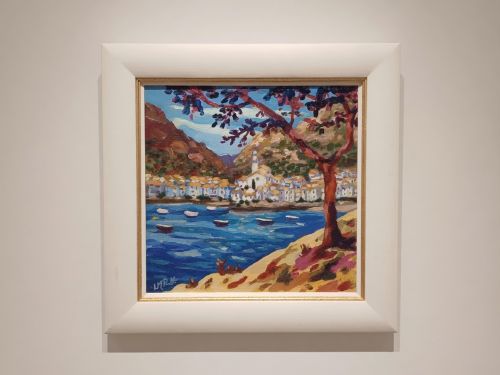
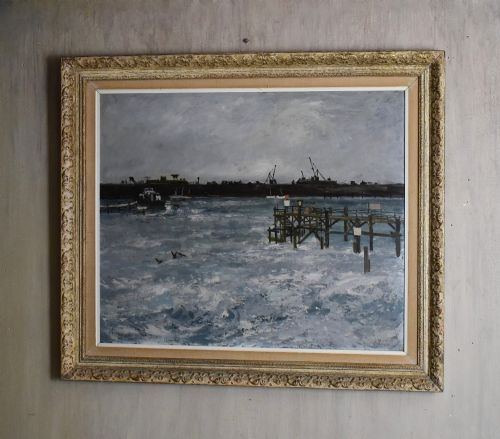
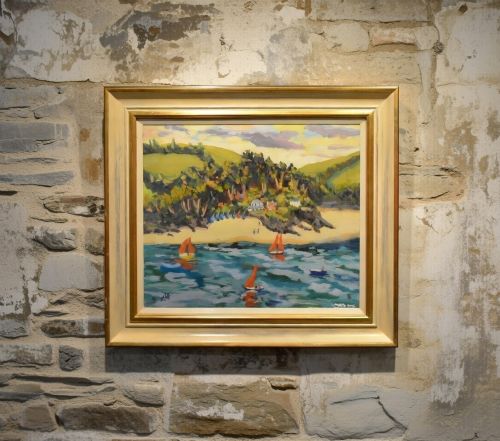
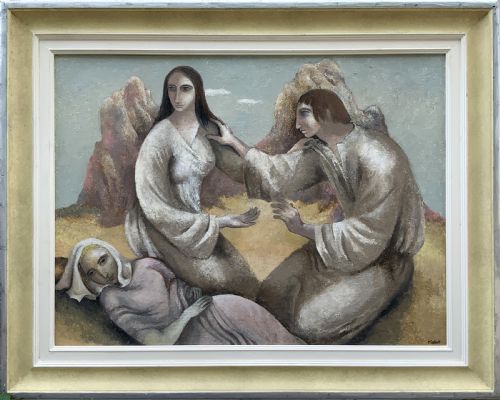
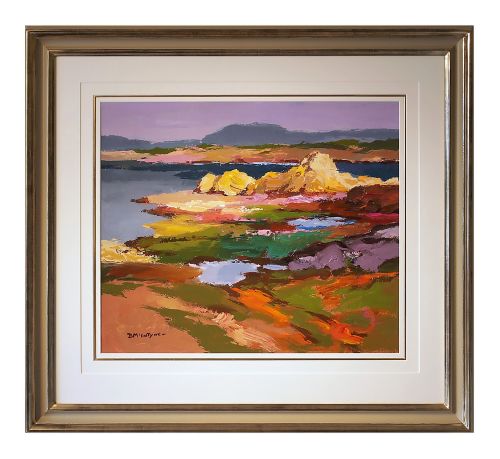
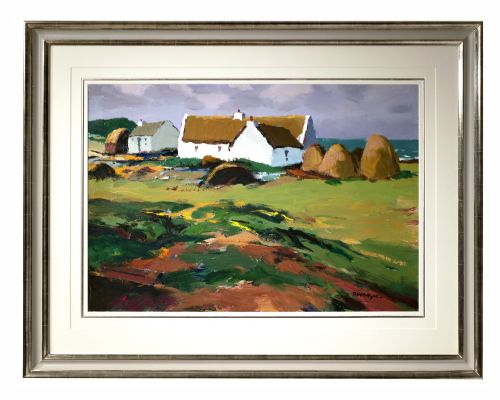
An impasto oil landscape is a painted view of nature or townscapes where oil paint is applied thickly, often leaving visible brushstrokes or palette knife marks that stand proud of the support. The works on this page span the twentieth century, taking in Edwardian examples up to mid-century modernist and post-impressionist interpretations.
The subjects range widely across British and continental European scenes, encompassing rugged coastal views, quiet estuaries, industrial northern towns, and sunlit French harbours. Many examples capture specific regional topographies, from the Lake District and Dorset to the Seine near Giverny and Marseille.
You are most likely to encounter pieces executed on canvas or board, housed in period wood frames, reflecting styles such as British Impressionism, Post-Impressionism, and Mid-Century Modern. These paintings combine tangible surface texture with a strong sense of place and atmosphere.
What varies in quality
Quality in these works rests upon the confidence of the handling and the dynamic interaction between pigment and light. Stronger pieces demonstrate a purposeful rhythm in the application of thick paint, where every stroke defines form and atmosphere rather than serving as mere surface decoration.
The sophistication of the palette and the fidelity of spatial depth also distinguish the upper tier of works. Masterly compositions balance heavy impasto textures with controlled tonal harmonies, ensuring the physical substance of the paint enhances the underlying landscape.
Listings feature works spanning from the Edwardian era through to the late twentieth century, utilising oil on both canvas and board.
Kenneth Cozens·R Leyton·James Kay·Lucy Pratt·Peter Brannan·Eric Brown·Christine Nesbit·Donald McIntyre·Herbert Royle·Lilian Colbourn·Fred Yates·Ronald Ossory Dunlop·Helen Layfield Bradley·Jean-Baptiste Olive·Raymond Picque·James Fry·Gabriel Dauchot·Cecil Rochfort D'Oyly-John·Caroline Burnett·Mercedes Legrand·E A Minardo·Hein Hoppmann
The Impasto Oil Landscape Glossary
- Impasto
- A technique where paint is laid onto a canvas in very thick areas, usually thick enough that the brush or palette knife strokes are visible. This method adds a three-dimensional quality and tangible texture to the surface of the artwork.
- Post-Impressionism
- An art movement that developed from about 1886 against impressionism, led by artists who extended impressionist limits while retaining its use of vivid colours and thick application. It prioritised symbolic content and structural order over mere visual recording.
- Board
- A rigid flat material used as a painting support instead of stretched canvas. Artists working in the twentieth century frequently utilised wood or composite boards for stability and portability.
- Gilt Frame
- A wooden frame finished with a thin layer of gold leaf or metallic paint. These surrounds were often matched to the period of the painting to complement its tonal range.
Impasto Oil Landscape: Frequently Asked Questions
What is an impasto oil landscape?
An impasto oil landscape is a painting of natural scenery or townscapes where the oil paint is laid on thickly, creating a raised, textured surface.
Artists use this method to capture the play of light and atmosphere by allowing physical brushstrokes and palette knife marks to remain prominent on the canvas or board.
How do I care for these paintings?
Keep these works out of direct sunlight and away from rapid fluctuations in temperature and humidity to protect both the wooden support and the oil paint.
Dust the textured surface gently with a soft, dry brush rather than using damp cloths or chemical cleaners that might disturb the thick pigment.
How do I date an impasto landscape?
Examine the style of the brushwork, the framing materials, and any signatures or inscriptions on the reverse of the canvas or board.
Mid-century and post-impressionist works often feature distinct modernist colour palettes and framing techniques characteristic of the twentieth century.
Where were these landscapes painted?
These paintings depict scenes from across Britain and continental Europe, including coastal harbours, rural fields, and urban streetscapes.
Artists frequently travelled to specific regions like the Mediterranean, Normandy, or northern industrial towns to capture local light and topography.