



Impasto Coastal Landscape Art
Impasto coastal landscape art captures the salt spray and shifting light of the shore through heavy, textured layers of oil paint.
Impasto Coastal Landscape Art
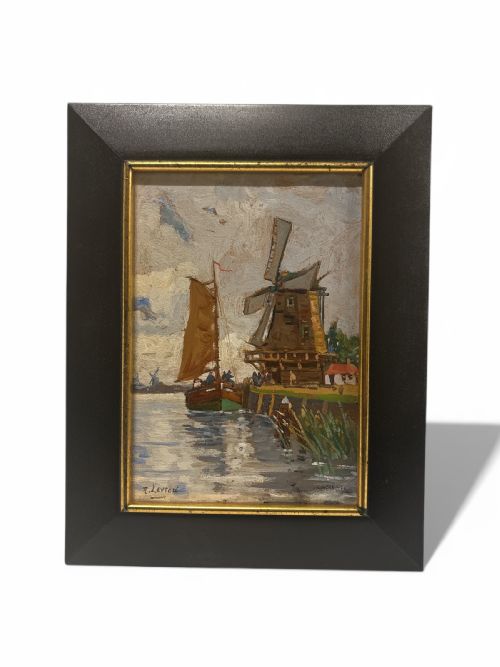
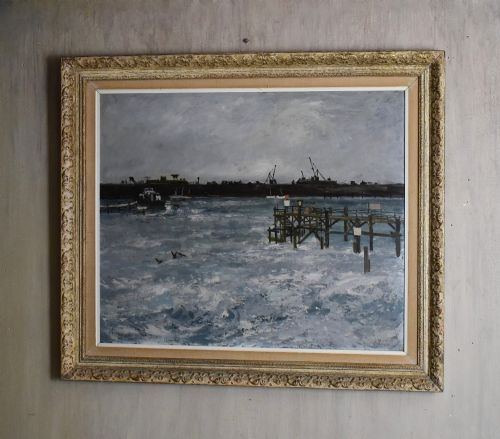
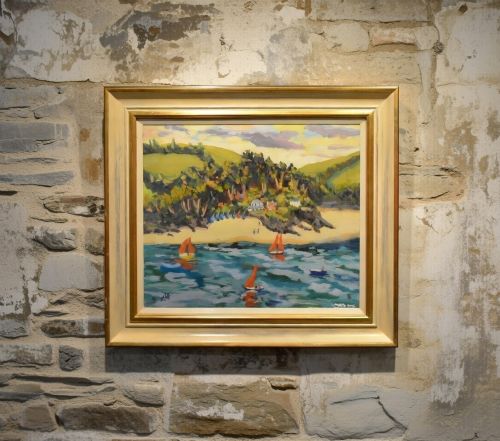
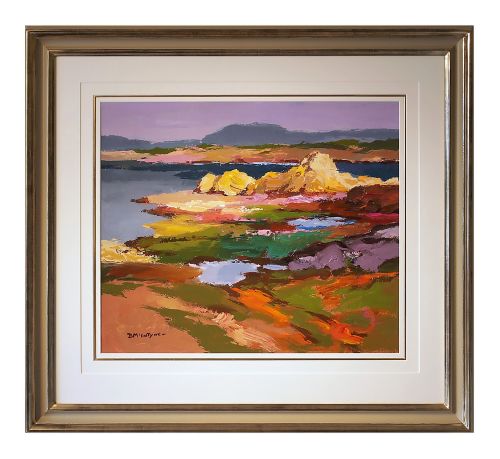
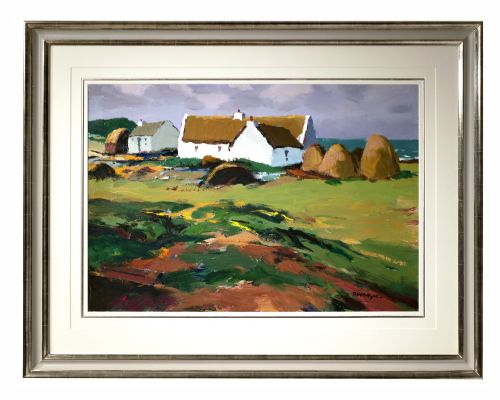
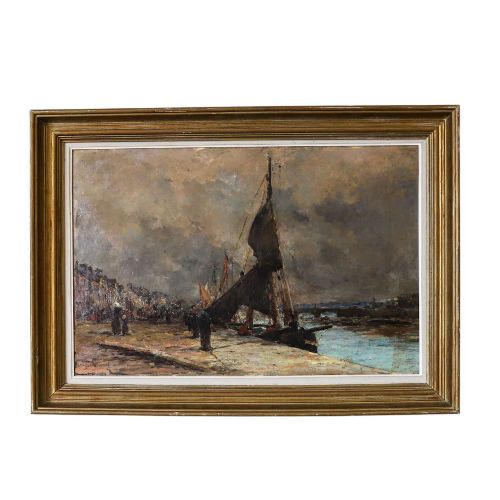
Impasto coastal landscape art consists of oil paintings depicting harbours, estuaries, and rocky shores created from the nineteenth century through the mid-twentieth century. These works capture maritime subjects ranging from French ports to British fishing villages and tidal rivers.
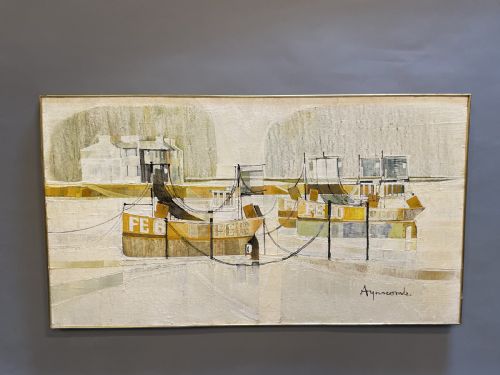
The most common examples on this page date from the nineteen-fifties and nineteen-sixties, reflecting mid-century impressionist and post-war British movements. Artists applied thick pigments to canvas, board, and panel to record the textures of boats, water, and coastal buildings.
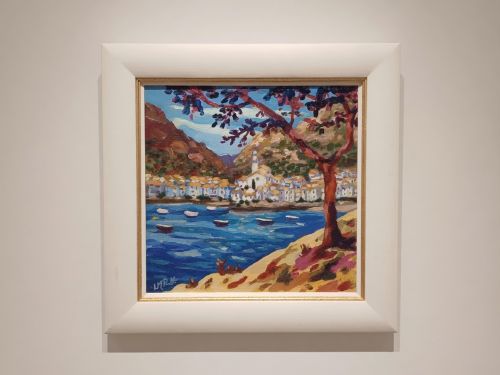
Subjects encompass bustling quaysides, quiet estuaries, and open seascapes recorded by artists working across Britain and France. Many pieces focus on specific locations, including Cornish harbours, Welsh bays, and the Mediterranean coast.
Materials and technique
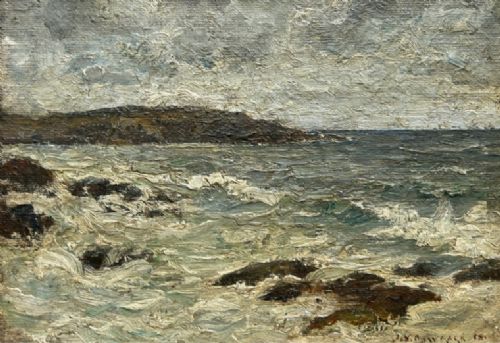
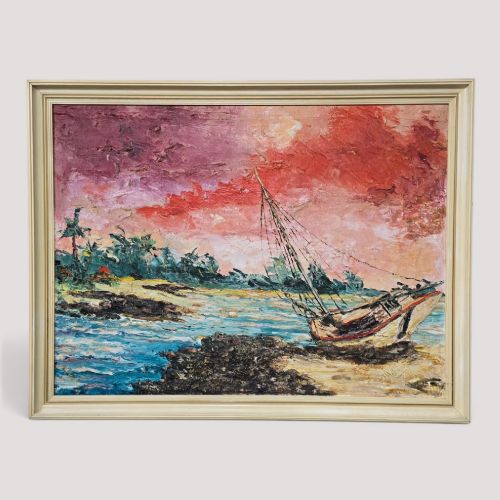
Painters used oil paint applied thickly to surfaces such as canvas, wood, board, and panel, often building up physical relief using brushes or palette knives. This method leaves raised ridges and marks that catch the light and emphasise the movement of water and clouds.
Substantial gilt or wooden frames frequently enclose these oil paintings, protecting the edges of the canvas or board. The combination of dense pigment and durable wooden supports ensures the textured surfaces survive intact over decades.
Listings feature oil paintings on canvas, wood, and board spanning the nineteenth century through the nineteen-sixties.
Distinctions in quality
Quality rests on the confidence and precision of the handling, where physical texture serves to describe light and form rather than merely accumulating on the surface. Skilled artists use thick paint to build spatial depth and atmosphere in marine settings.
Provenance and documentation also distinguish the works, with signed canvases and pieces by known mid-century or French impressionist painters offering clearer historical attribution. The relationship between the painted texture and the specific coastal geography reveals the artist's familiarity with the subject.
Kenneth Cozens·R Leyton·Lucy Pratt·Peter Brannan·Donald McIntyre·Helen Layfield Bradley·Jean-Baptiste Olive·Raymond Picque·James Fry·Cecil Rochfort D'Oyly-John·Florence Hess·Edward M Elliott·Jack R Mould·E Elliot
The Impasto Coastal Landscape Art Glossary
- Impasto
- A technique where oil paint is laid on an area of the surface very thickly, usually thick enough that the brush or palette knife strokes are visible. This creates a tactile, three-dimensional quality on the canvas.
- Estuary
- The tidal mouth of a large river, where the tide meets the stream. These coastal transition zones provided frequent subject matter for twentieth-century marine painters.
- Post-Impressionism
- A predominantly French art movement that developed from about eighteen-eighty to nineteen-fourteen, extending impressionism while rejecting its limitations. Artists painted with vivid colours and thick application while emphasising geometric forms.
Impasto Coastal Landscape Art: Frequently Asked Questions
What is impasto coastal landscape art?
These works are oil paintings that portray maritime scenes using thick, raised applications of paint. They focus on harbours, rivers, and coastal views from various twentieth-century periods.
Artists utilise the heavy texture to describe the rough surface of water, wooden boats, and stone quaysides. The physical depth of the paint gives these landscapes a strong sense of place and atmosphere.
Where were these coastal scenes painted?
The locations span British fishing ports, Welsh bays, and French coastal regions such as Provence and the Riviera. Many pieces record specific harbours in Cornwall, Dorset, and Brittany.
Painters often travelled to active maritime centres to capture working boats, tides, and coastal architecture. The resulting views document specific regional landscapes from the nineteenth and twentieth centuries.
How do I date these oil paintings?
Dating relies on stylistic movements, framing, artists' recorded lifespans, and signatures inscribed on the canvas or board. Mid-century works often reflect post-war British or impressionist approaches.
Nineteenth-century and early twentieth-century pieces display different framing styles and canvas preparations. Signatures and gallery labels on the reverse provide further chronological evidence.
How should I display them at home?
These textured oil paintings suit rooms with consistent lighting that can catch the raised brushstrokes and palette knife marks. Placing them away from direct sunlight protects the oil pigments over time.
Most pieces arrive in period wooden or gilt frames that complement the maritime subject matter. Standard picture hanging hardware supports the weight of canvas stretched over wood or mounted on board.