





Imari Porcelain Bowl
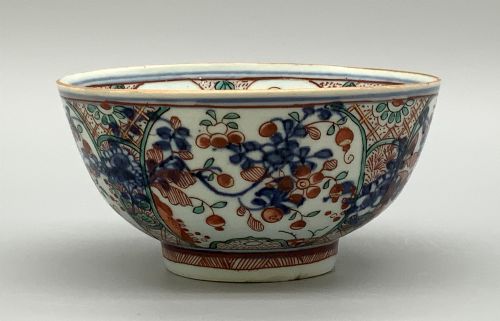
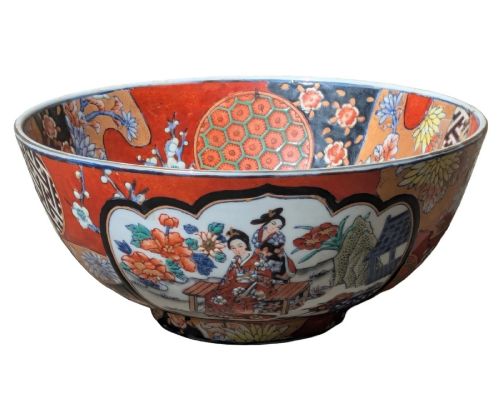
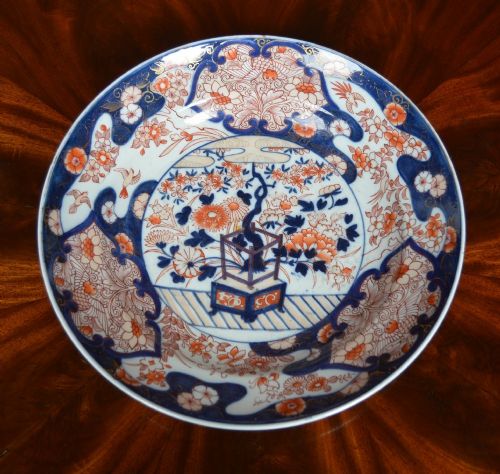
An imari porcelain bowl brings together rich iron-red, cobalt blue and gilt decoration derived from centuries of Japanese and European export traditions.

Imari Porcelain Bowl
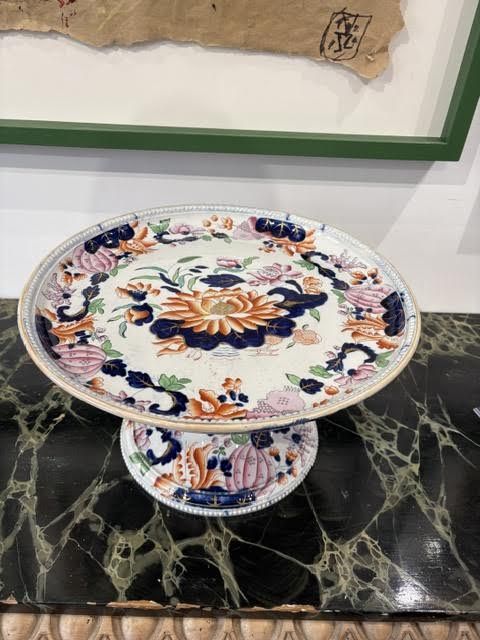
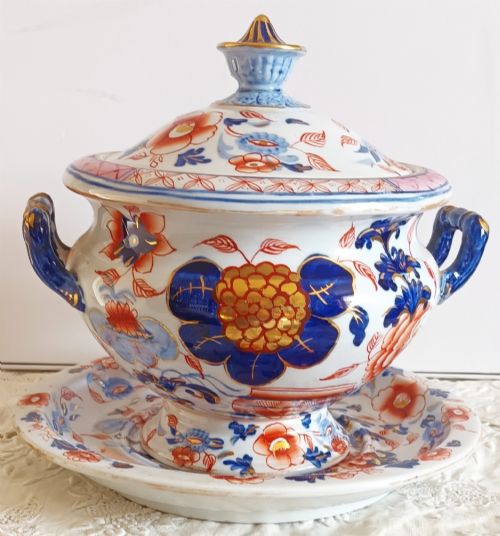
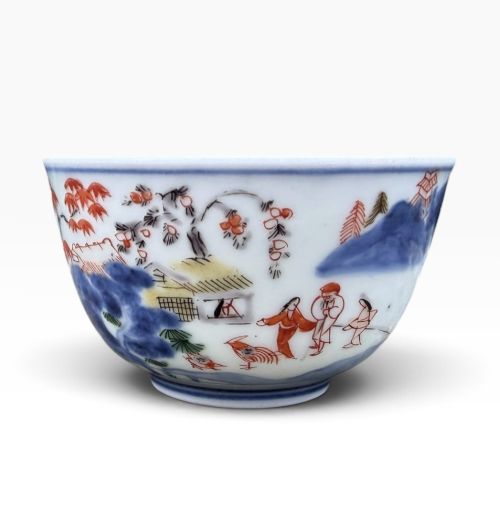
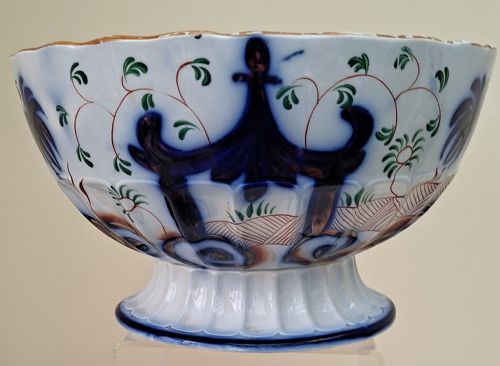
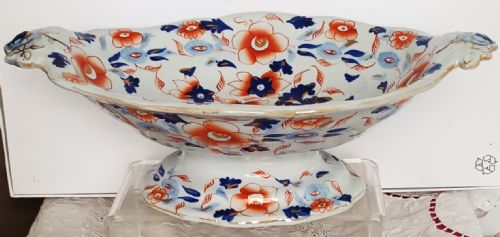
An imari porcelain bowl encompasses traditional Japanese export wares from the Edo and Meiji periods alongside Chinese export pieces and later European interpretations produced in English potteries.
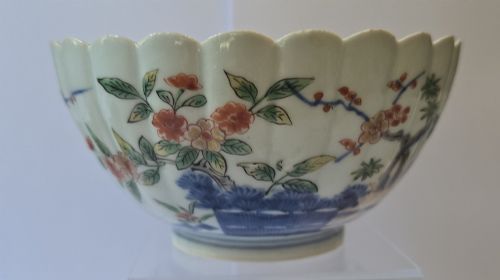
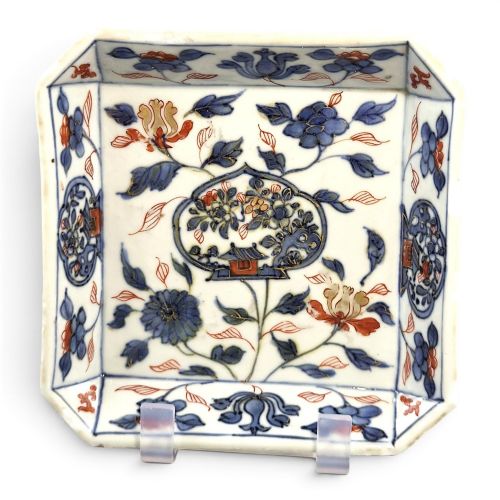
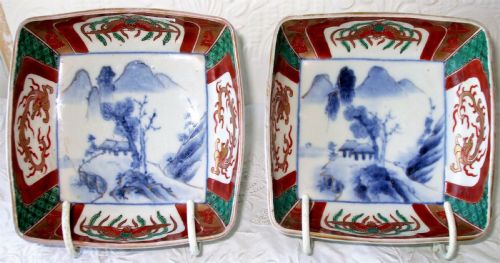
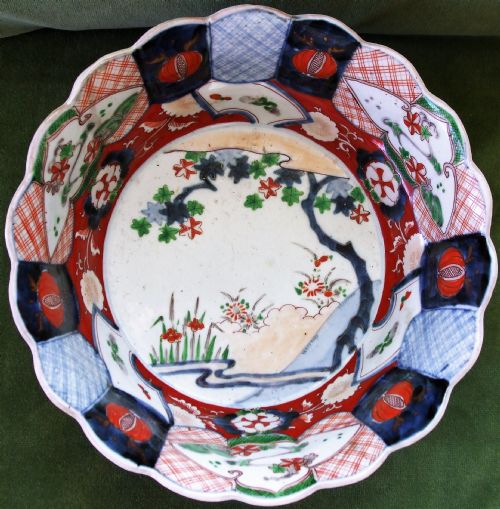
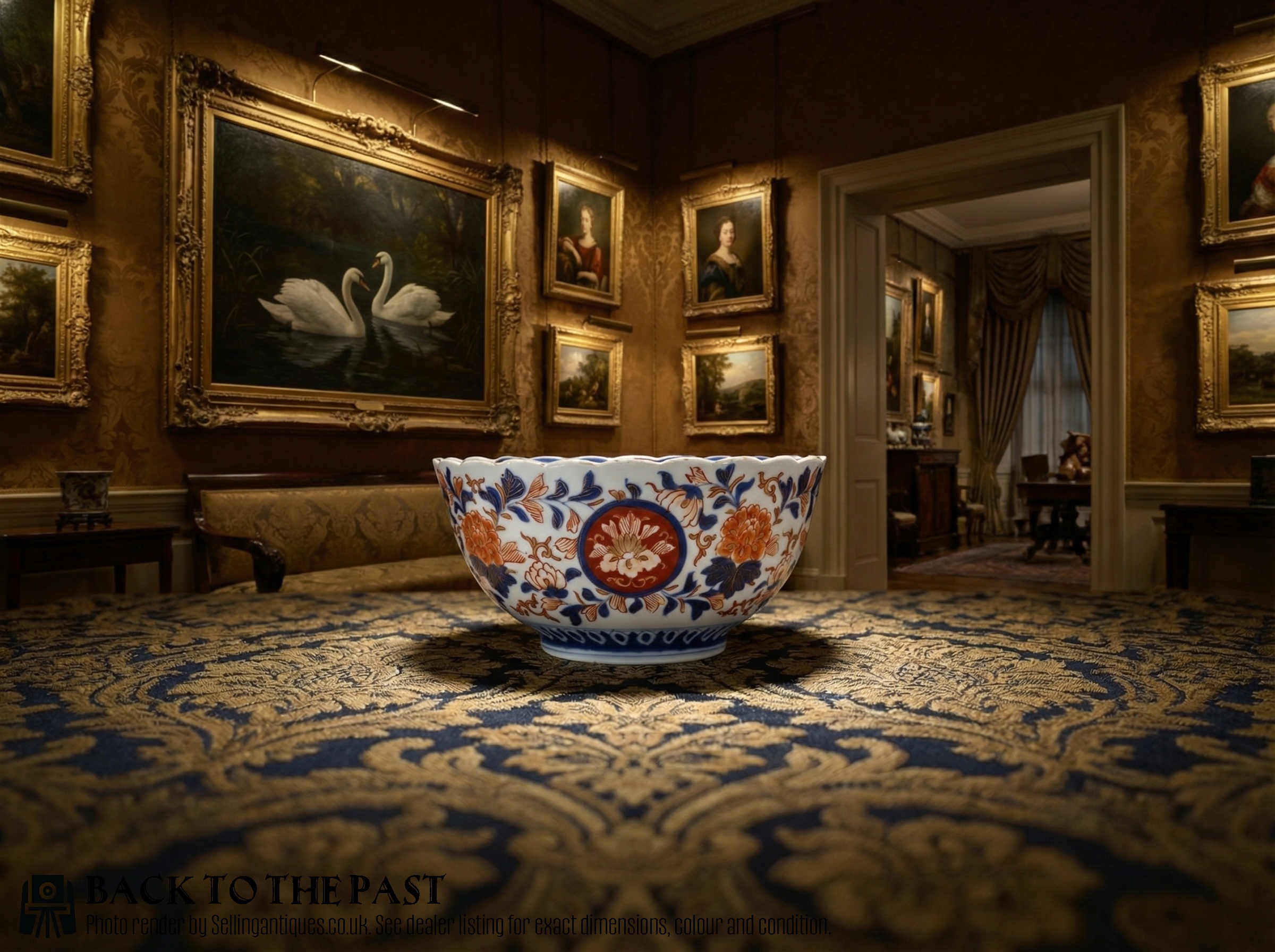
The most common examples on this page are Japanese pieces featuring characteristic scalloped edges, floral panels, and intricate underglaze blue and overglaze iron-red enamel.
The category spans deep serving vessels, sugar bowls, and large centrepieces created for display as well as domestic utility across the seventeenth, eighteenth, nineteenth, and early twentieth centuries.
How they were made
Potters shaped hard-paste porcelain or ironstone bodies on the wheel or pressed them into moulds to achieve hexagonal, chamfered square, or scalloped forms.
Decoration relied on cobalt blue applied under the glaze before high-firing, followed by meticulous hand-painting in iron-red enamel and gold leaf during a secondary low-temperature firing.
Imari Porcelain Bowl Retail Price Guide 2026
Typical asking prices for imari porcelain bowl among the pieces listed under this phrase on Sellingantiques today, from the lower quarter to the upper quarter. They describe what is for sale here now, not the wider market.
Several bowls feature ferocious tigers and decorative cows painted alongside traditional floral sprays.
What varies in quality
The precision and density of the hand-painted brushwork distinguish standard production wares from pieces executed with exceptional control and fine detail.
The richness of the gilding and the preservation of the overglaze enamel colours through centuries of handling dictate the visual strength of each vessel.

Mason's Ironstone·Royal Crown Derby·Samson Hancock·Spode·Worcester·Fukagawa·Koransha·Ginshōtei Gyokushi·Royal Davenport
The Imari Porcelain Bowl Glossary
- Imari palette
- A distinctive decorative scheme utilising cobalt blue, iron-red enamel, and gold leaf. This triad originated in Japanese export wares and was later adopted by European potteries.
- Arita
- The Japanese town and surrounding region in Hizen province where the production of porcelain began. Kilns here supplied the bulk of early export imari pieces.
- Meiji Period
- The era of Japanese history lasting from 1868 to 1912. Pieces from this time often display intricate enamel work and refined scalloped forms.
- Genroku Period
- A cultural golden age in Japan spanning 1688 to 1704. Surviving porcelain bowls from this precise era are prized for their early export characteristics.
- Ironstone
- A heavy, durable ceramic developed in nineteenth-century England. Potteries used it to produce sturdy bowls and tureens decorated in imitation of oriental patterns.
Imari Porcelain Bowl: Frequently Asked Questions
How do I clean an antique imari bowl?
Wash the vessel gently by hand using lukewarm water and a mild soap. Avoid soaking pieces that feature delicate overglaze enamels or gold leaf.
Dry the surface immediately with a soft, lint-free cloth to protect the glaze and prevent moisture damage to older ceramic bodies.
Are these bowls safe for serving food?
Many nineteenth-century and earlier bowls remain structurally sound for holding dry foods or fruit. However, historic glazes and overglaze enamels can contain trace elements that make modern daily culinary use inadvisable.
Treat these vessels primarily as decorative objects or centrepieces rather than everyday tableware to preserve their hand-painted surfaces.
How can I tell Japanese imari from English imari?
Japanese pieces usually display a lighter, more translucent porcelain body with characteristic spur marks on the base from kiln stacking. The iron-red and cobalt blue often sit slightly differently within the glaze compared to eastern production.
English interpretations from factories such as Derby or Spode typically utilise heavier porcelain, bone china, or ironstone bodies with distinct factory marks stamped or painted underneath.
What does Edo period mean for these bowls?
The Edo period covers the years from 1603 to 1867 when Japan was under the rule of the Tokugawa shogunate. Export porcelain produced during the earlier phases of this era represents the foundational style of imari design.
These early pieces often show robust potting techniques and simpler, bolder floral or geometric palettes than their later Meiji counterparts.