



Imari Pattern Ceramic Pitcher
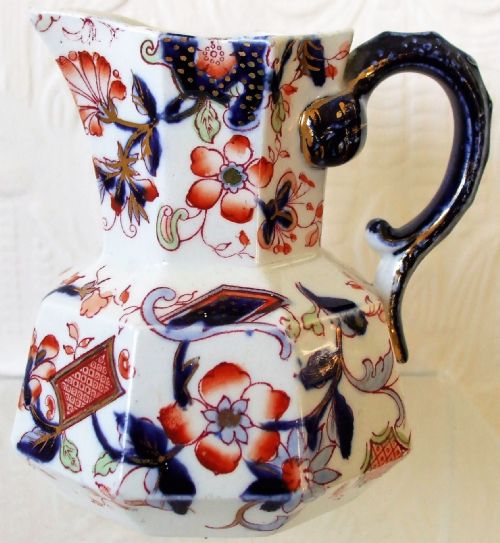
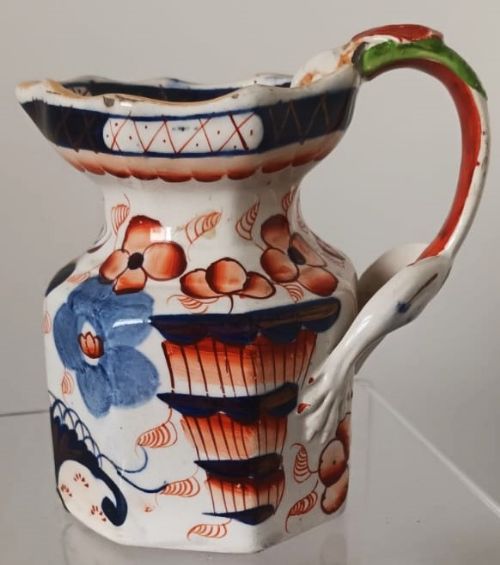
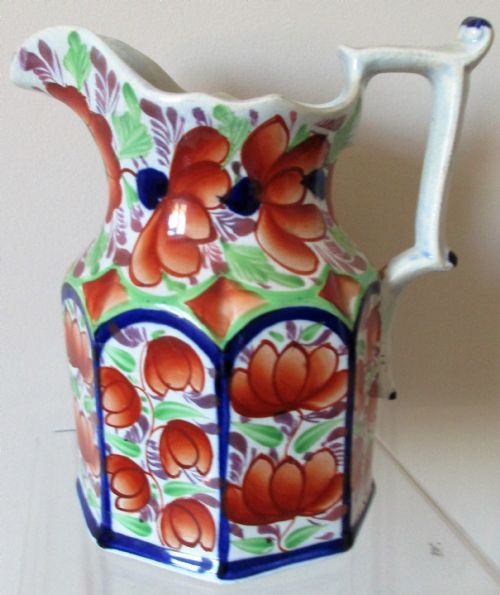
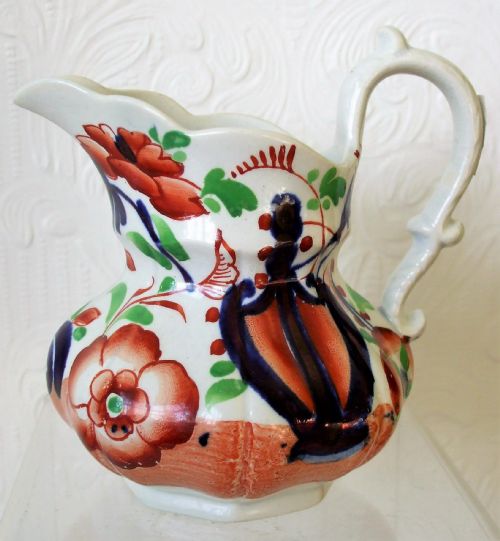
These imari pattern ceramic pitcher items bring bold cobalt blue, rust red, and gilt decoration to your table, combining utility with striking nineteenth-century colour.

Imari Pattern Ceramic Pitcher
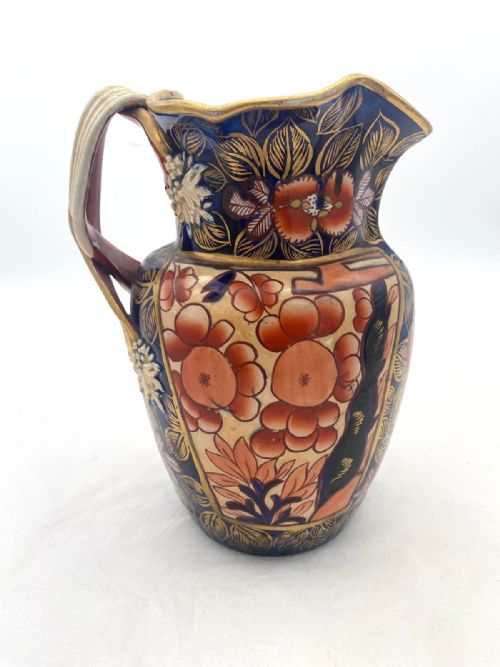
When you search for an imari pattern ceramic pitcher, you encounter nineteenth-century vessels designed for pouring, washing, and display. The selection here leans heavily towards nineteenth-century ironstone and earthenware jugs featuring distinct patterns.
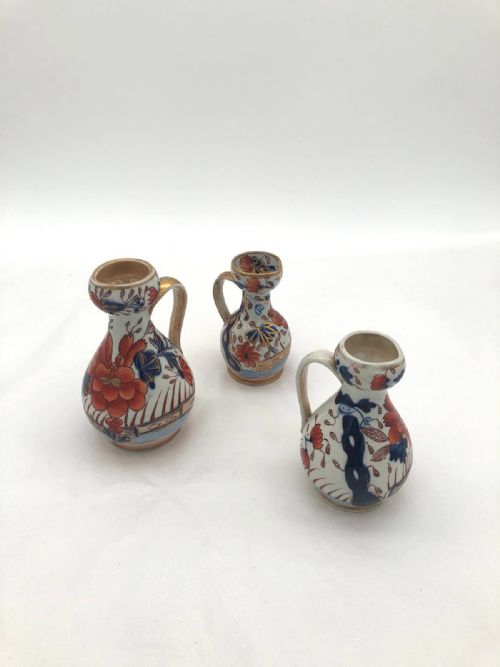
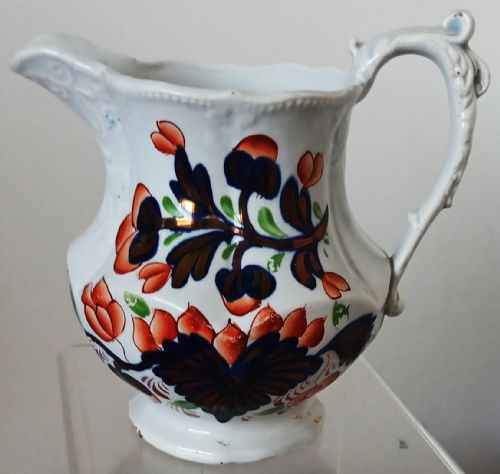
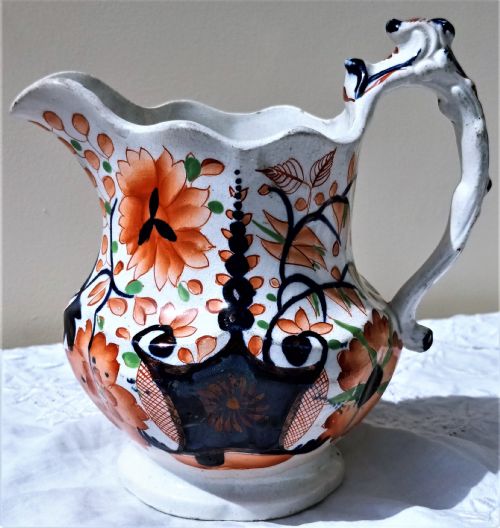
The forms range from individual hydra jugs with distinctive snake handles to graduated sets and large wash basin suites. Many bear traditional names such as Gaudy Welsh patterns including Pagoda, Gwent, and Bethesda alongside pieces attributed to prominent potteries.
These items originate primarily from Victorian and Georgian periods, showcasing the enduring popularity of Imari-inspired palettes on British ceramics. Buyers find both compact miniature pitchers and substantial octagonal vessels ready for daily use or cabinet display.
Materials and manufacture
Potters utilised durable ironstone and refined earthenware as bodies, moulding them into robust jugs and pitchers designed to withstand household tasks. These sturdy ceramic bases provided a stable canvas for dense underglaze and overglaze decoration.
Artisans applied deep cobalt blue alongside vibrant rust-red enamel, frequently finishing the design with touches of gold leaf or gilt. This combination required multiple firings to set the underglaze blue before applying the colourful enamels and metallic accents.
Assessing quality and craftsmanship
The crispness of the transfer-printed outlines beneath the hand-painted enamels distinguishes finer examples from simpler production wares. Superior pieces display precise brushwork that stays strictly within the printed boundaries of the pattern.
The richness and preservation of the gilt highlights and enamel colours mark the upper tier of these pitchers. Heavier ironstone bodies with well-defined moulded details, such as serpent handles or octagonal sides, indicate superior craftsmanship.
Mason's Ironstone·Keeling and Co·Davenport
The Imari Pattern Ceramic Pitcher Glossary
- Ironstone
- A dense, durable type of heavy earthenware patented in the nineteenth century to rival true porcelain. It resists chipping and staining exceptionally well.
- Hydra jug
- A specific pitcher shape featuring a moulded serpent or snake handle curving up to the rim. This neoclassical form gained immense popularity in nineteenth-century British potteries.
- Gilt
- A thin layer of gold applied to the surface of the ceramic for decoration. It catches the light and frames the painted motifs.
- Wash set
- A matching suite consisting of a large pitcher and a deep basin. These pieces sat on bedroom washstands before modern indoor plumbing.
Imari Pattern Ceramic Pitcher: Frequently Asked Questions
Are these pitchers waterproof?
Most nineteenth-century ironstone and earthenware pitchers remain entirely water-tight and suitable for holding fresh flowers or liquids.
However, pieces with extensive overglaze enamel or fragile gilt work benefit from hand washing rather than soaking in hot water.
Can I use these for daily service?
Sturdy ironstone jugs handle regular use well, making them practical for serving water or milk at the table. Their robust nineteenth-century manufacture was intended for active household duty.
Displaying them away from high-traffic kitchen areas protects fragile spouts and handles from accidental knocks.
What defines the Imari style?
The style takes inspiration from Japanese export porcelain, featuring a distinct palette of rich cobalt blue and iron red, frequently accented with gold. British potteries adapted these vibrant motifs onto their own local earthenware and ironstone shapes.
This aesthetic flourished during the Georgian and Victorian eras, creating visually striking tableware.