


Floral Ceramic Water Pitcher
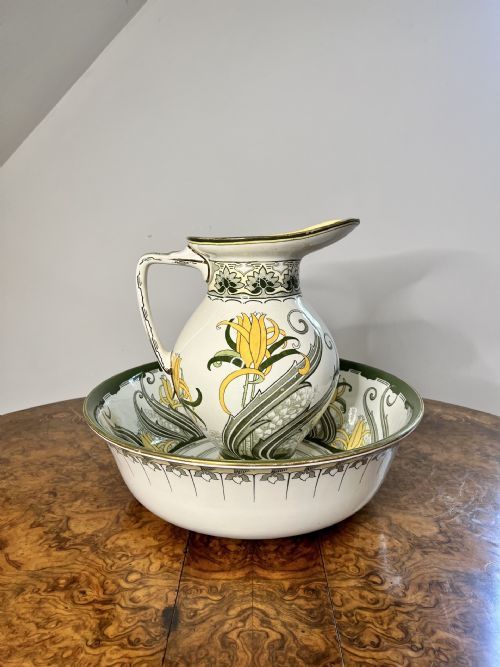
These floral ceramic water pitcher designs bring patterned earthenware and porcelain into domestic settings, offering practical service alongside hand-decorated botanical displays.

Floral Ceramic Water Pitcher
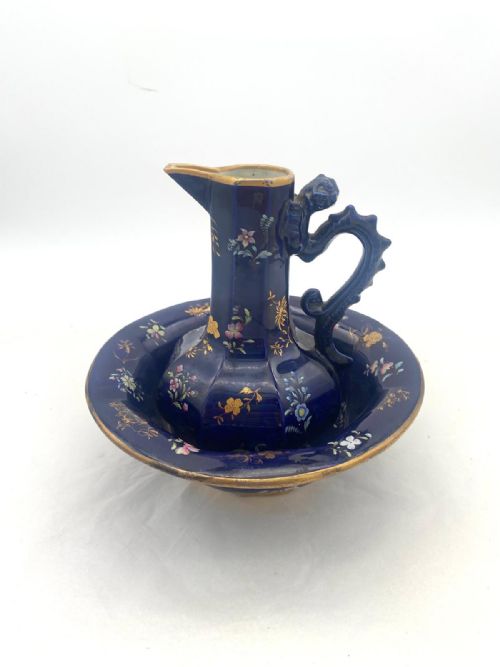
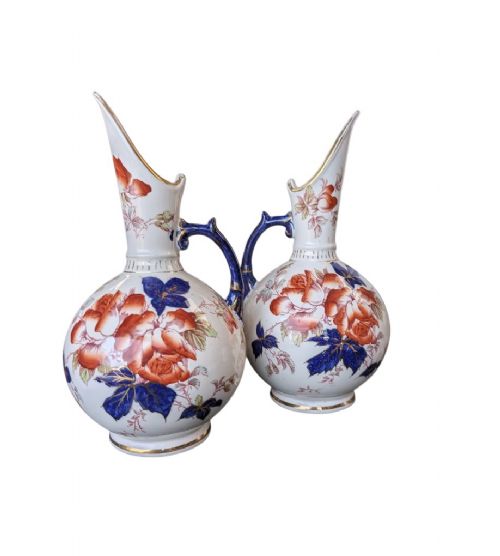
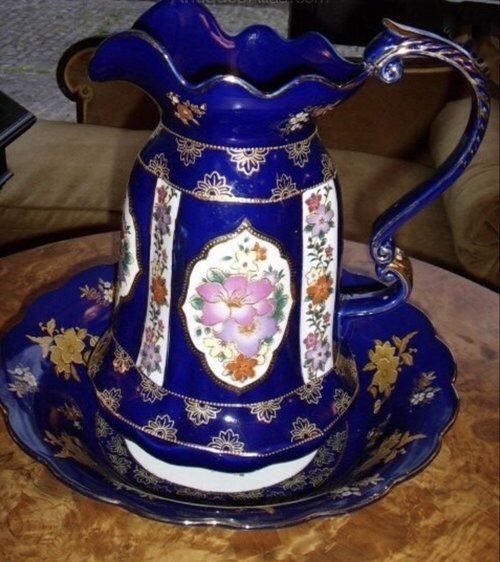
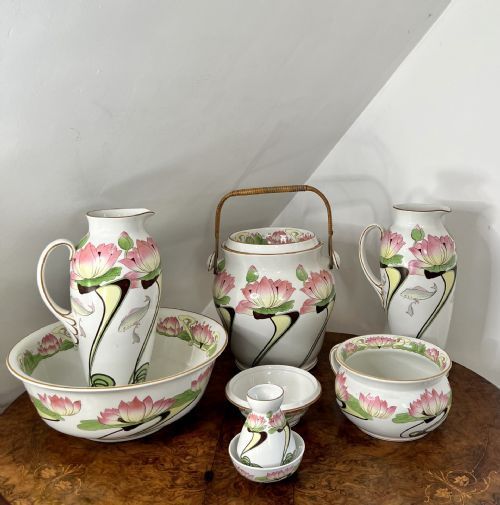
A floral ceramic water pitcher functions as a liquid container or stands as part of a larger jug and bowl set for washing and display. You will frequently encounter these vessels originating from nineteenth-century Victorian workshops, Edwardian bathroom sets, and Georgian households.
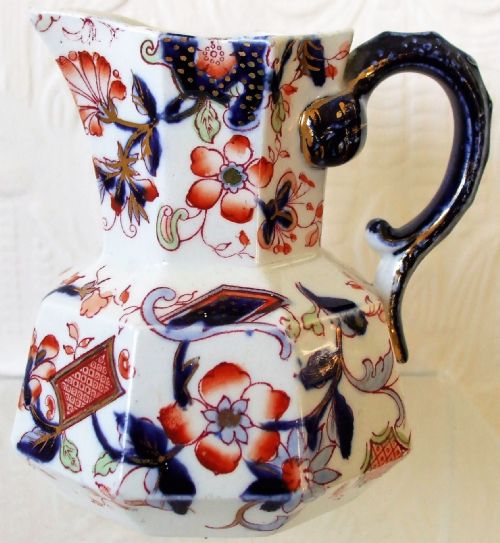
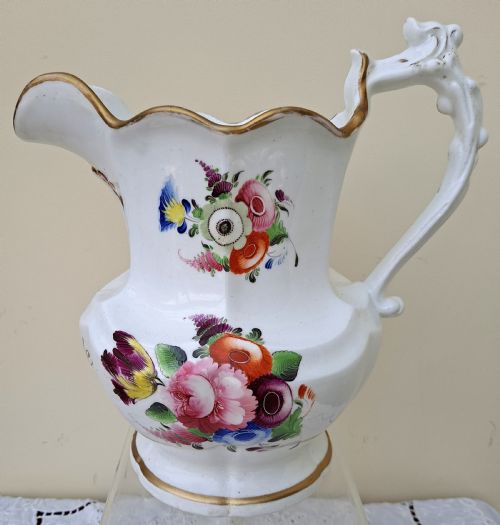
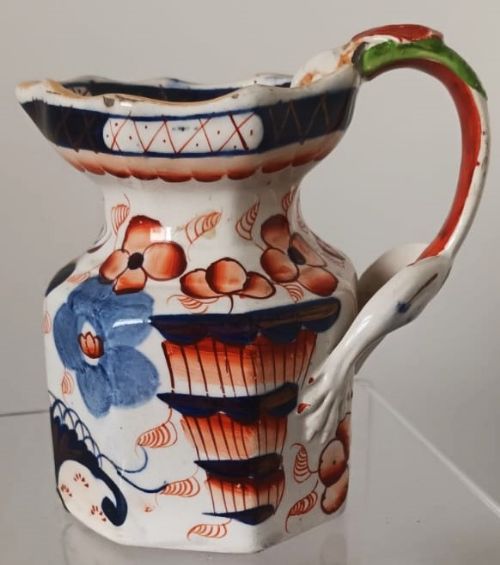
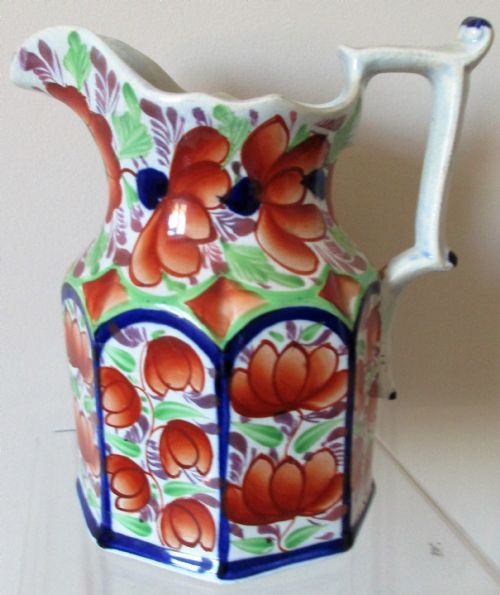
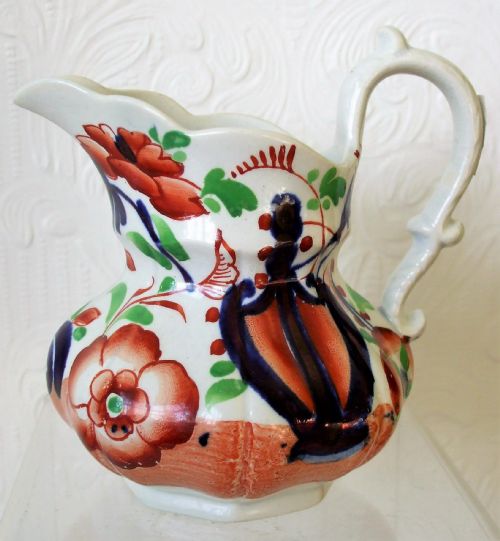
The selections span individual milk and water jugs, expansive wash sets, decorative ewers, and Japanese Imari or Gaudy Welsh patterns. Examples range from everyday earthenware utilitarian items to porcelain pieces featuring hand-painted floral motifs and cobalt blue glazes.
How they were made
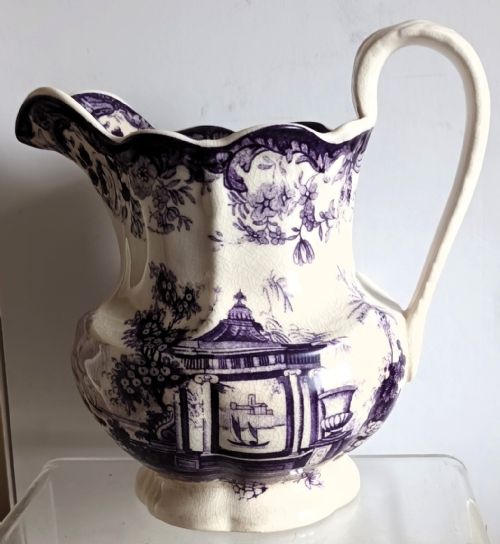
Potters shaped these items using earthenware, ironstone, and porcelain bodies, often applying cabbage leaf moulding or mask head details directly into the clay. Artisans utilised glaze, enamel, and transfer printing techniques to build up floral patterns across the surface.
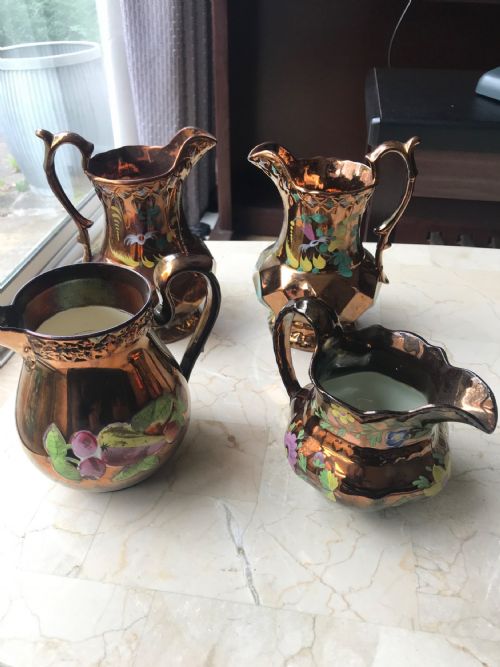
Many workshops finished their pieces with gilding, gold leaf, or copper lustre accents to frame the hand-decorated botanical and fruit designs. Firing methods varied from early pearlware production to later Doulton and Royal Worcester kilns.
A cabbage leaf moulding gives early pearlware jugs a delightfully leafy personality.
What varies in quality
The distinction between standard utility items and finer pieces rests upon the crispness of the moulded form and the precision of the hand decoration. High-grade examples display carefully controlled cobalt blue glazes, neat transfer printing, and well-applied gold leaf or enamel details.
Maker execution dictates much of the appeal, with established potteries achieving sharper definition in floral motifs and more balanced proportions across larger ewers and basin sets.
Doulton Burslem·Masons Ironstone·Keeling And Co·Royal Worcester·Caughley Coalport
The Floral Ceramic Water Pitcher Glossary
- Pearlware
- A refined earthenware developed in the eighteenth century featuring a thin glaze with a faint bluish tint that pooled in crevices. This material served as a popular base for transfer-printed floral designs.
- Ewers
- Large ornamental pitchers featuring a wide spout and a curved handle, primarily designed for decorative display or washing rather than everyday pouring. They often appear alongside matching basins in chamber sets.
- Gaudy Welsh
- A style of pottery characterised by vibrant, brightly coloured enamel hand-decorations, often including cobalt blue, iron red, and copper lustre. These patterns frequently appeared on jugs and tableware during the nineteenth century.
- Ironstone
- A durable type of heavy earthenware patented in the nineteenth century that resisted chipping better than standard porcelain. It provided a sturdy surface for elaborate floral transfer prints and coloured glazes.
- Copper Lustre
- A metallic glaze technique that produces a coppery, reflective sheen across the ceramic surface. Potters applied this finish to highlight rims, handles, and painted fruit or floral motifs.
Floral Ceramic Water Pitcher: Frequently Asked Questions
What is a floral ceramic water pitcher used for?
These vessels served practical functions for holding water at the dining table or washing in the bedroom. Larger examples operated as part of complete jug and basin sets.
Today, collectors use them as decorative focal points, flower vases, or functional pitchers during gatherings.
How do I date an antique ceramic jug?
Dating relies on identifying maker marks, glazing types, and manufacturing materials recorded on the piece. Pearlware and ironstone point towards Georgian and early nineteenth-century production.
Later Victorian and Edwardian examples often display specific registry numbers, printed workshop stamps, or stylistic cues from the Aesthetic movement.
Are jug and bowl sets complete?
Many surviving sets include both the large water pitcher and its matching basin, though some pieces now exist independently. Complete sets were standard accessories in nineteenth-century bedrooms.
Checking individual listings confirms whether the pitcher is accompanied by its original basin.
How do I care for antique ceramic pitchers?
Display these items away from direct sunlight and areas subject to sudden temperature shifts to protect fragile glazes and enamel work. Gentle dusting with a dry cloth keeps the surface clean.
Hand washing with mild soap is necessary for pieces with delicate gold leaf or lustre finishes, avoiding dishwashers entirely.