
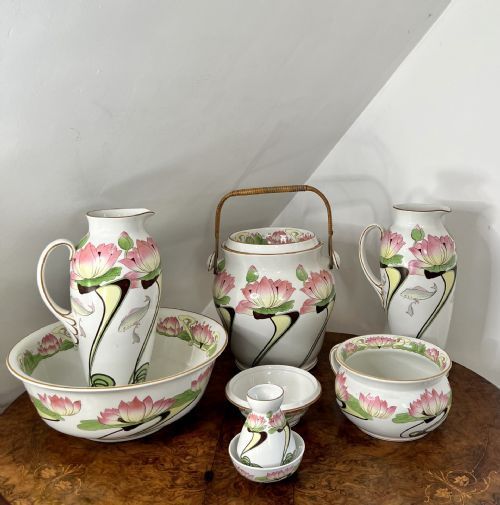


Antique Washstand Jug Bowl
These antique washstand jug bowl sets are functional domestic ceramics and occasional wood stands that bring period character to a bedroom.

Antique Washstand Jug Bowl
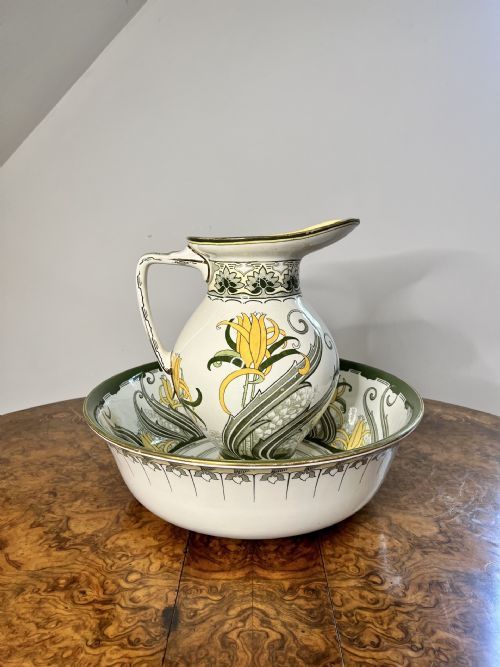
An antique washstand jug bowl set comprises coordinated ceramic vessels designed for personal hygiene before plumbed bathrooms became common in homes. The selection spans the nineteenth and early twentieth centuries, encompassing Victorian, Edwardian, and Art Nouveau periods.
Most examples you encounter take the form of complete wash sets, wash basin sets, or dedicated pitcher and jug combinations. These pieces served practical daily routines on bedroom washstands or within purpose-built vanity tables.
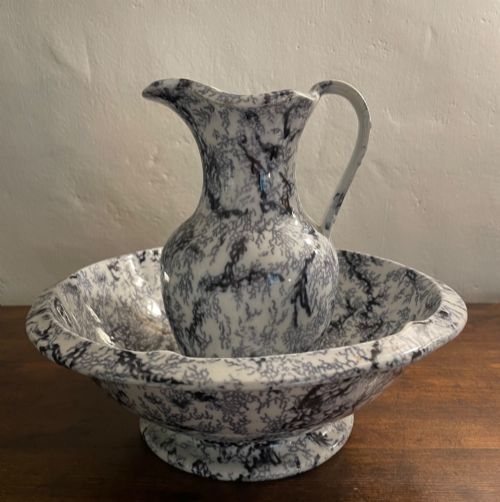
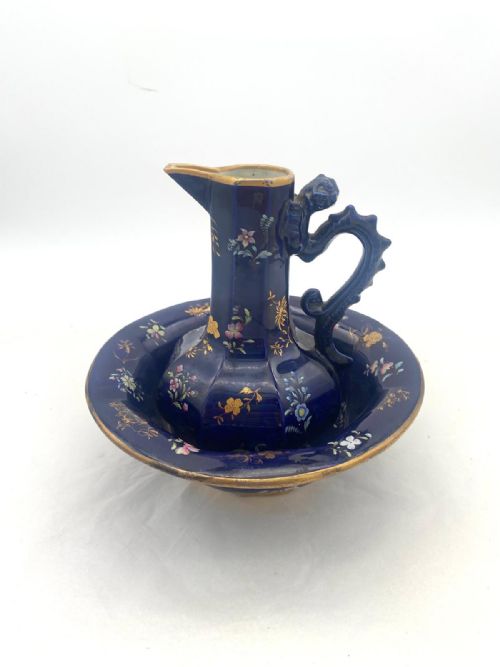
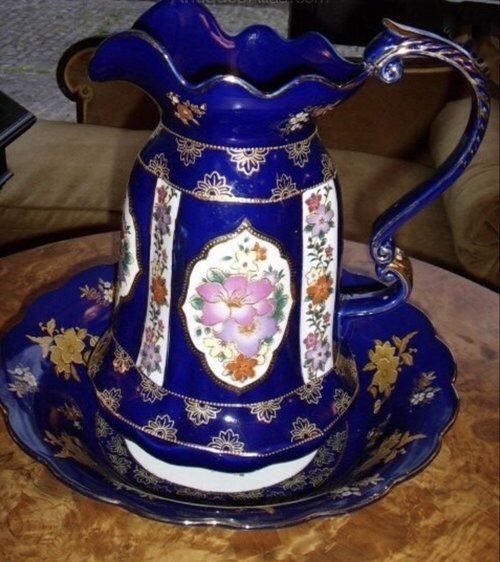
Makers produced these functional items in earthenware, ironstone, and porcelain, frequently decorating them with blue and white transfers, floral patterns, or cobalt glazes. Some sets even include matching accessories such as soap dishes and chamber pots to form complete bathroom suites.
How they were made
Potteries shaped these vessels using earthenware, ironstone, and porcelain clays, which were then fired to create durable bodies suitable for holding water. Ironstone provided a particularly robust surface, while porcelain allowed for finer, more delicate forms.
Glazing processes sealed the ceramic body, often incorporating cobalt blue pigments, gold leaf, or hand-painted floral motifs beneath or over the protective glaze layer. Transfer printing allowed potteries to apply intricate patterns such as flow blue onto the surface before the final kiln firing.
Periods represented stretch from the late Georgian era through Victorian, Edwardian, and Art Nouveau up to the 1930s.
What varies in quality
Quality rests primarily in the crispness of the transfer print, the delicacy of any hand-painted details, and the weight and refinement of the ceramic body. Ironstone and porcelain examples generally exhibit a higher degree of material density and durability than standard earthenware.
Completeness dictates much of the appeal, with multi-piece sets matching the jug and basin alongside secondary vessels retaining greater desirability. The presence of clear factory marks on the underside also elevates an individual set by confirming its provenance.
Masons Ironstone·Doulton Burslem·Mark Jones And Sons·Shelley
The Antique Washstand Jug Bowl Glossary
- Ironstone
- A heavy, durable type of earthenware patented in the nineteenth century that resists chipping and mimics porcelain. It formed the basis for many robust utility sets.
- Flow Blue
- A nineteenth-century transfer printing technique where the cobalt blue pigment intentionally blurred slightly into the surrounding white glaze during firing. This created a soft, misty aesthetic.
- Washstand
- A wooden piece of furniture designed to hold a jug and basin for morning ablutions. They often featured marble tops or enclosing cupboards.
- Basin
- A large bowl used alongside a matching pitcher for washing the face and hands. These vessels sat securely on top of washstands or dressing tables.
- Pitcher
- A large jug with a handled grip and pouring spout used to carry water to the basin. It formed the primary water vessel of the wash set.
Antique Washstand Jug Bowl: Frequently Asked Questions
What is an antique washstand jug bowl set?
These ceramic sets consist of a large pitcher and a matching basin used for washing before indoor plumbing. They represent a primary method of personal hygiene in Victorian and Edwardian bedrooms.
Today, collectors appreciate them for their decorative floral patterns, transfer-printed designs, and craftsmanship. They frequently serve as ornamental displays in modern bathrooms or bedrooms.
How were washstand sets used originally?
Servants filled the large jug with warm water from a kitchen or boiler and carried it up to the bedroom washstand. The user then poured water into the basin to wash their face and hands.
Used wash water emptied into a slop bucket kept on the lower shelf of the washstand. The entire routine formed a standard part of morning and evening preparation.
How do I date a jug and bowl set?
Dating relies on identifying maker marks stamped or printed on the base of the ceramics. Stylistic clues such as floral transfer prints, Art Nouveau curves, or heavy Victorian ironstone also indicate the era.
Early nineteenth-century pieces often feature deep blue earthenware, while Edwardian examples lean towards lighter floral motifs and more delicate porcelain bodies.
How can I display a wash set safely?
Place the basin on a stable, flat surface that can support its weight, such as a sturdy sideboard or dedicated washstand. Rest the jug securely inside or directly beside the basin.
Keep the ceramics away from high-traffic areas where they might get knocked over. Avoid using them to hold fresh water or plants, as standing moisture can harm antique glazes.