





Imari Pattern Bone China
Imari pattern bone china brings together deep cobalt blues, iron red enamels and gilt highlights on crisp porcelain bodies, capturing centuries of ceramic design.
Imari Pattern Bone China
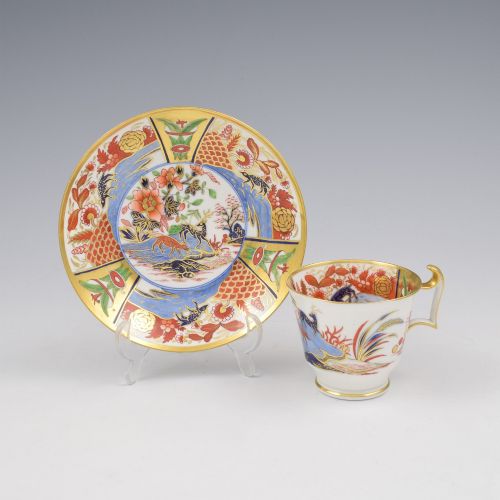
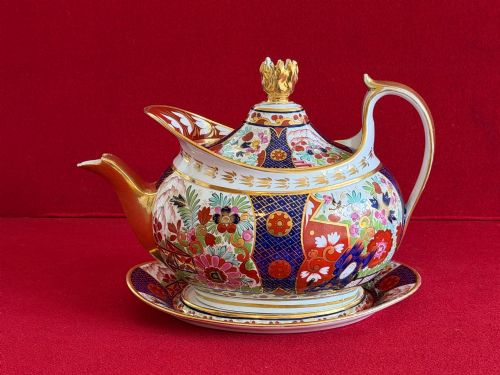
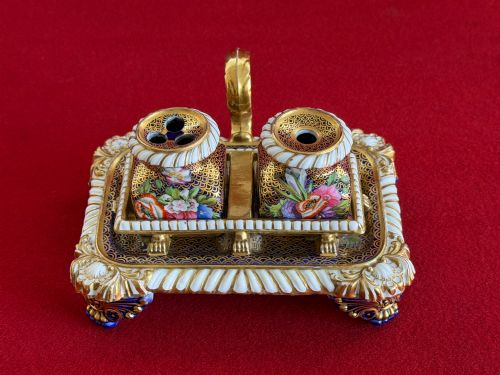
When you search for imari pattern bone china, you encounter objects spanning the Regency, Victorian, Edwardian and later periods up to the mid twentieth century. The selection ranges from tea services and coffee cups to serving dishes, inkstands and miniature novelties.
You meet pieces made by prominent English factories such as Spode, Royal Crown Derby, Worcester and Minton. These works adopt traditional Japanese export colour schemes onto domestic porcelain and bone china forms.
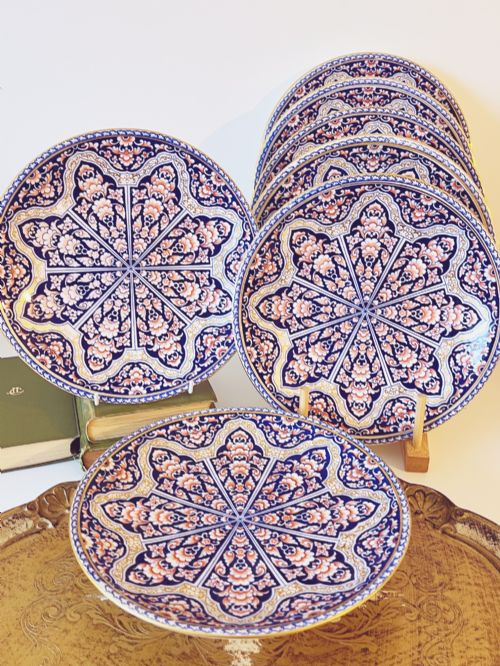
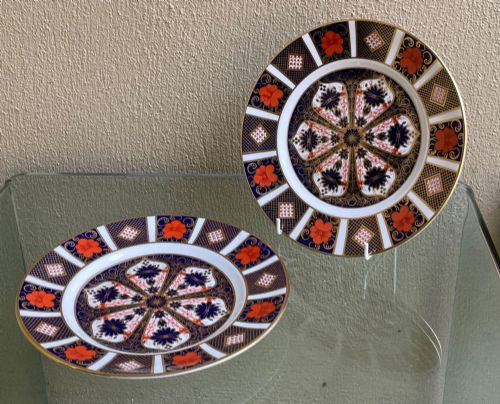
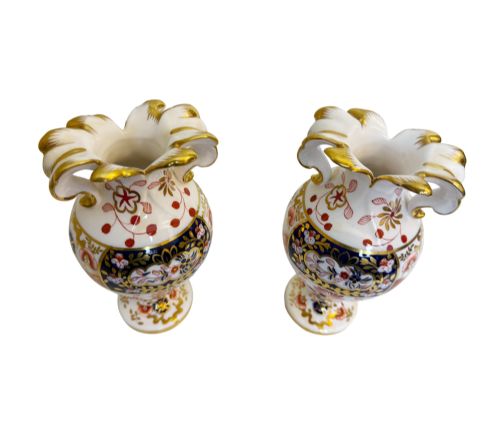
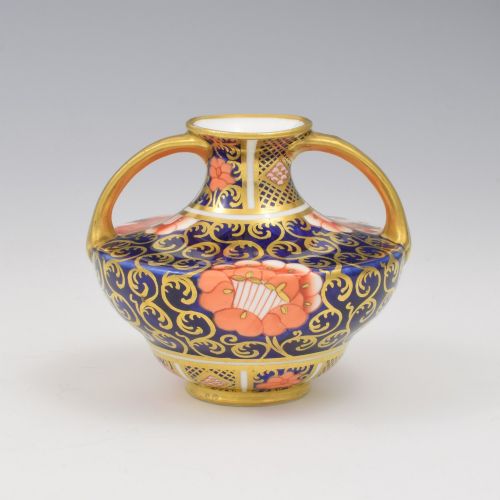
The assortment includes decorative plates, dessert services, teapots and twin handled vases. Each piece displays the characteristic palette of underglaze blue combined with iron red and gilt enrichments.
What varies in quality
Quality rests in the crispness of the underglaze blue transfer or hand painting beneath the enamel layers. Finer pieces demonstrate meticulous alignment of the iron red and gold gilt details across intricate mouldings.
The weight, translucency and purity of the bone china or porcelain body dictate the tier of the object. Early Regency examples and detailed Royal Crown Derby pieces exhibit superior control over the complex multi stage firing process.
Imari Pattern Bone China Retail Price Guide 2026
Typical asking prices for imari pattern bone china among the pieces listed under this phrase on Sellingantiques today, from the lower quarter to the upper quarter. They describe what is for sale here now, not the wider market.
Listings feature bone china, porcelain, enamel and gold leaf across Regency, Georgian, Victorian, Edwardian and later twentieth century periods.
Royal Crown Derby·Spode·Barr Flight And Barr·Minton·Royal Davenport
The Imari Pattern Bone China Glossary
- Bone china
- A type of soft porcelain containing bone ash, yielding a durable body with high translucency. This material forms the base for many nineteenth and twentieth century tableware pieces.
- Pattern number
- A specific numeric code assigned by a factory to identify a particular decorative scheme. Spode and Royal Crown Derby stamped or painted these numbers on bases for record keeping.
- Gilt
- A thin layer of gold applied to ceramics for decorative enrichment. Artisans utilised gold leaf or liquid gold to highlight borders, handles and motifs.
- Comport
- A raised dish or bowl used for serving fruit or dessert as part of a formal service. These pieces frequently match dessert plates in pattern and form.
- Coffee can
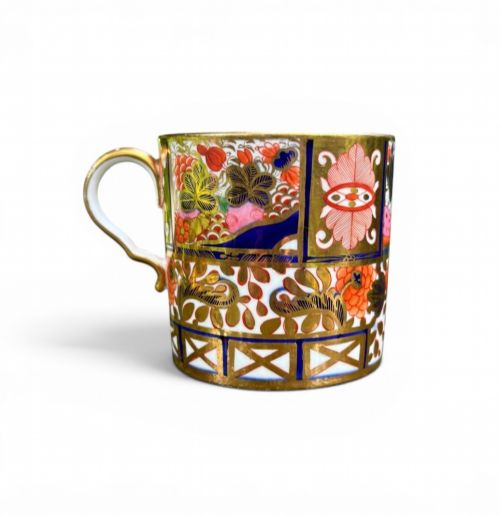
- A straight sided cylindrical cup without a handle, popular during the Regency and Georgian periods. These vessels often accompanied matching saucers in breakfast and tea sets.
Imari Pattern Bone China: Frequently Asked Questions
How do I date imari pattern bone china?
Dating relies on factory mark styles, registration numbers and pattern codes recorded by manufacturers such as Spode and Royal Crown Derby.
Period characteristics in the ceramic body and handle shapes also provide clues to whether an item originates from the Regency or later Victorian eras.
What is the difference between porcelain and bone china?
Bone china incorporates animal bone ash into the traditional paste of kaolin and petuntse, resulting in greater strength and a warmer, more translucent white body.
Early nineteenth century makers used both porcelain and bone china formulations interchangeably depending on the factory.
Can I use antique tea sets for daily dining?
Most collectors restrict antique imari pattern bone china to display or gentle occasional use due to the fragility of overglaze enamels and gold gilt.
Hand washing in lukewarm water without harsh detergents helps preserve the delicate iron red and gold details over time.
Why are some patterns named after animals?
Factories often named patterns after prominent visual motifs within the design, such as Bengal Tiger, Dragon and Kylin or Witches.
These descriptive names helped merchants and makers identify specific decorative layouts inspired by Japanese Imari exports.