
Antique English China Cup
An antique english china cup offers a tangible link to Georgian and Victorian tea tables through handpainted porcelain and gilded bone china.
Antique English China Cup
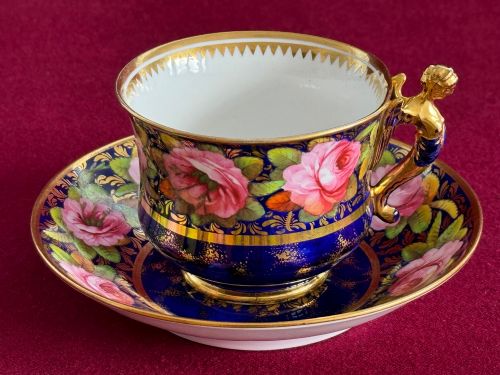
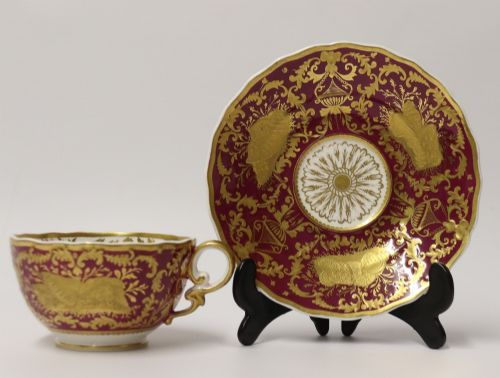
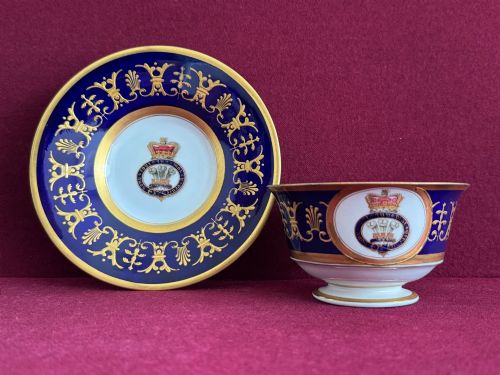
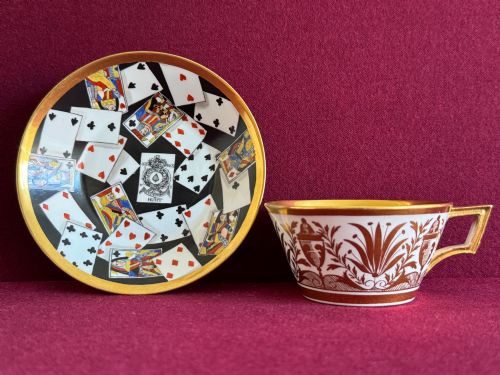
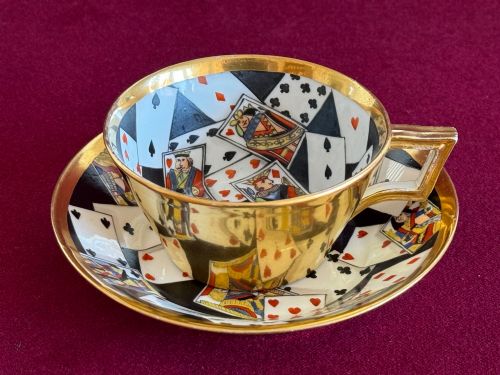
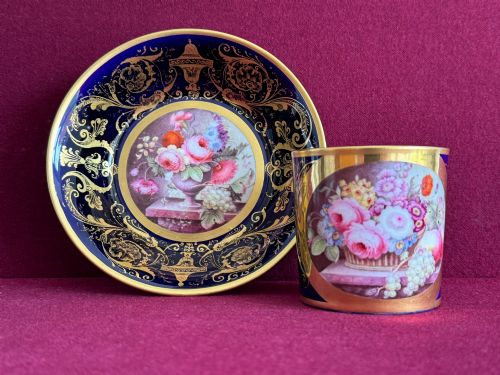
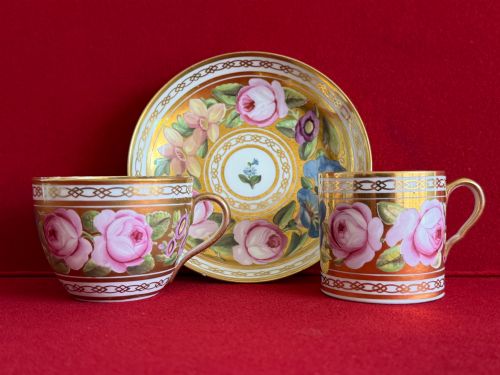
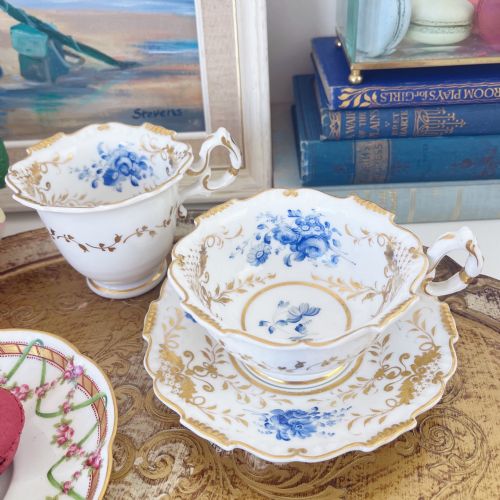
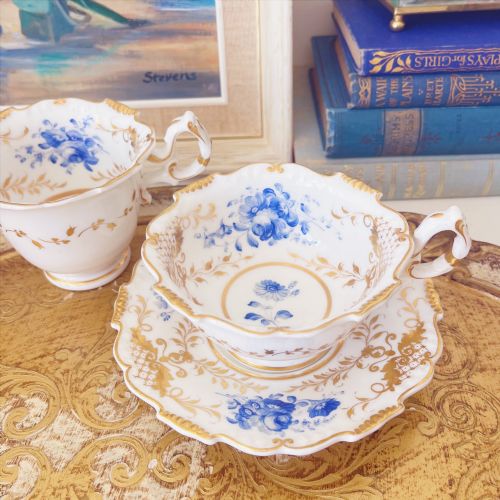
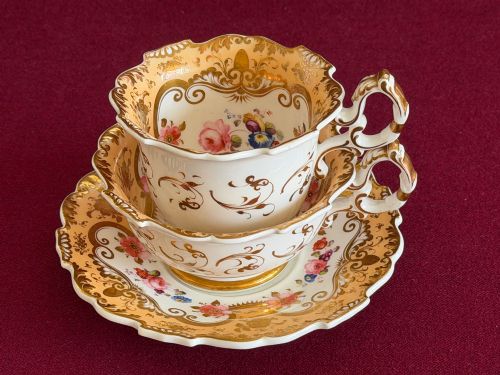
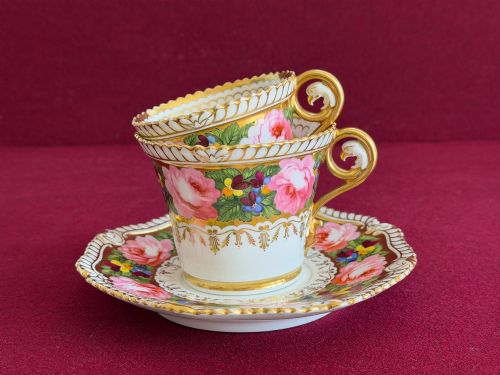
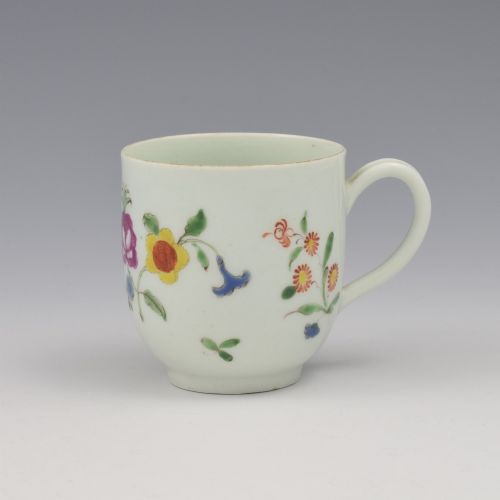
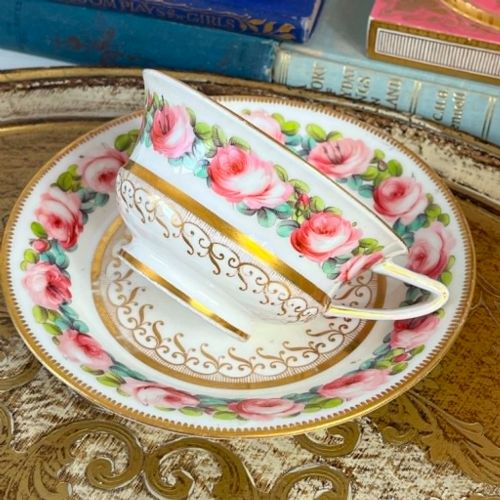
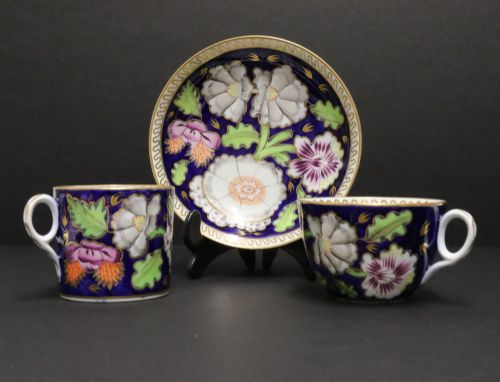
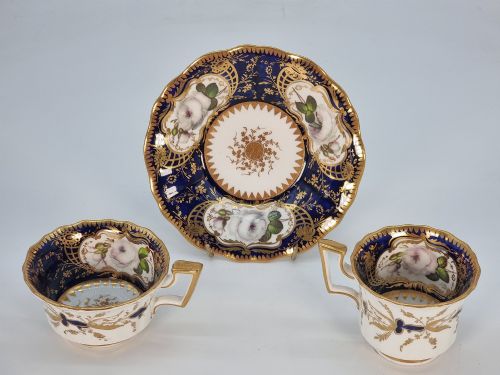
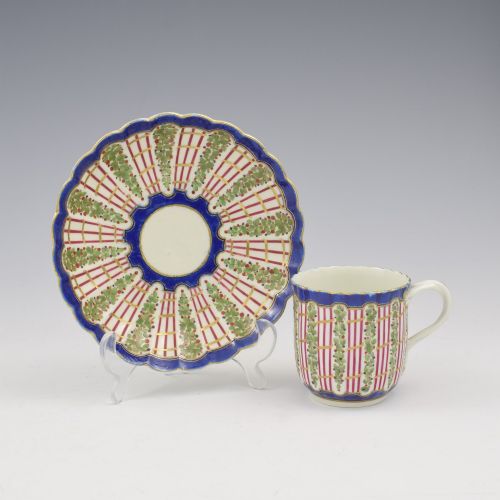
An antique english china cup encompasses teacups and saucers, coffee cups, trios, and mugs originating from periods spanning the eighteenth, nineteenth, and early twentieth centuries. Buyers searching for an antique english china cup most frequently encounter Regency and Georgian porcelain trios or Victorian tea sets featuring handpainted motifs.
The forms range from delicate soft-paste coffee cans to robust bone china teacups and ironstone mugs. These pieces reflect shifting domestic habits across English social history, moving from elite eighteenth-century tea bowls to expansive Victorian afternoon tea services.
How they were made
Potters utilised hard-paste porcelain, soft-paste porcelain, bone china, and ironstone, shaping vessels by hand or upon the wheel before applying fluid enamels. The decoration relied on detailed handpainting, transfer printing, and polychrome palettes such as Imari or Kakiemon designs.
Gilding was applied using gold leaf or liquid gold, which required secondary kiln firings to fix the metallic lustre. Artisans incorporated gold leaf and elaborate gilding to highlight moulded handles, rims, and painted panels.
Early eighteenth-century tea bowls were designed without handles, requiring delicate balancing with saucer in hand to avoid burning fingers.
What varies in quality
The refinement of the ceramic body and the skill of the brushwork distinguish superior pieces from standard production. Early soft-paste bodies and precise, handpainted botanical or figurative scenes represent the upper tier of craftsmanship.
The complexity of the pattern and the application of gold leaf dictate the grade of a piece. Finer examples display meticulous gilding and intricate handpainted details by named factories rather than simpler transfer-printed decoration.
H & R Daniel·Chamberlain Worcester·Richard Chaffers·Coalport·Derby Porcelain·Minton·Mason's Ironstone·Spode·Duesbury and Kean·Flight Barr and Barr·Royal Worcester·Doric China
The Antique English China Cup Glossary
- Soft-Paste Porcelain
- An early ceramic composition fired at lower temperatures than hard-paste porcelain, often displaying a creamy body and soft glaze pooling. It is characteristic of eighteenth-century English manufactories.
- Bone China
- A durable ceramic paste incorporating animal bone ash, invented to increase strength and whiteness. This material became the standard for English teaware through the nineteenth century.
- Trio
- A matching set comprising a teacup, a coffee cup, and a saucer. These multi-piece formats were popular during the Regency and Georgian periods for formal hospitality.
- Coffee Can
- A straight-sided cylindrical cup designed specifically for drinking strong coffee. These vessels often lack handles and appeared frequently in eighteenth and early nineteenth-century porcelain services.
- Enamel
- A vitreous coloured glass fused to the ceramic surface during firing. Enamels provide the vibrant red, blue, and green hues found in handpainted floral and orientalist patterns.
Antique English China Cup: Frequently Asked Questions
What is the difference between a tea cup and a coffee cup?
Tea cups were historically wider and shallower to allow hot tea to cool quickly, whereas coffee cups were deeper and often cylindrical to retain heat.
Evolving social rituals dictated these distinct forms, leading makers to produce matching trios that paired both cup types with a single saucer.
How can I date an antique English china cup?
Dating relies on examining the ceramic body, glaze characteristics, factory marks, and decorative style. Eighteenth-century pieces often feature soft-paste porcelain, while nineteenth-century items typically utilise refined bone china or ironstone.
Factory patterns and handwritten or impressed base marks provide further chronological clues, linking specific pieces to periods like the Regency or Victorian eras.
Were these cups used daily or displayed?
Many fine porcelain cups were reserved for formal entertaining and displayed in cabinets rather than used for everyday meals. Wealthy households utilised specialised cabinet trios and cabinet cups to showcase contemporary artistic achievements.
More robust ironstone mugs and later Victorian service wares saw more functional domestic use in family settings.
How do I care for antique porcelain?
Antique porcelain requires gentle hand washing in lukewarm water using mild detergent, avoiding dishwashers entirely. The fragile handpainted enamels and delicate gold leaf gilding degrade quickly with harsh chemicals or abrasive scrubbing.
Sudden temperature changes should be avoided to prevent thermal shock to the old ceramic body and glaze.