

19th Century Porcelain Saucer
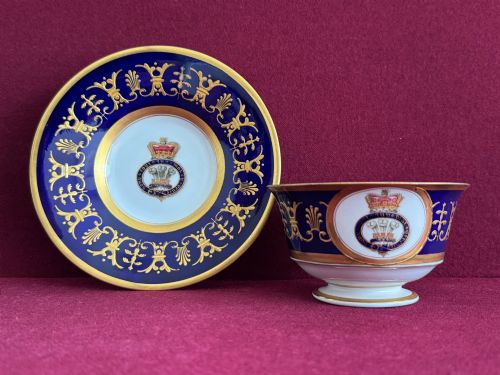
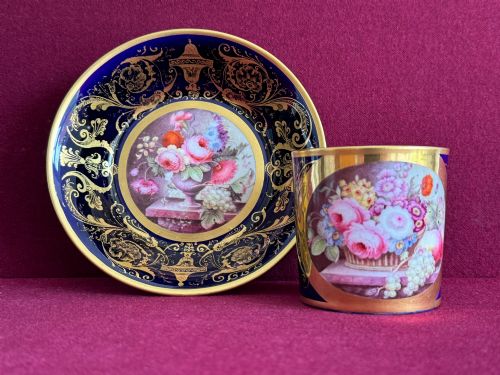
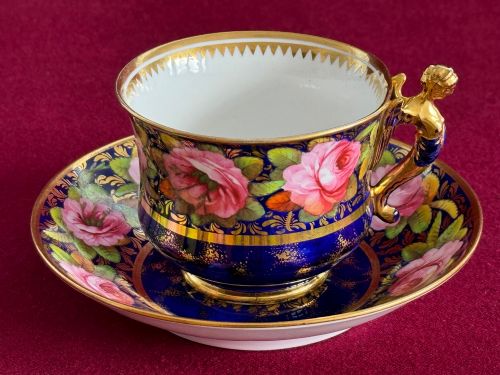
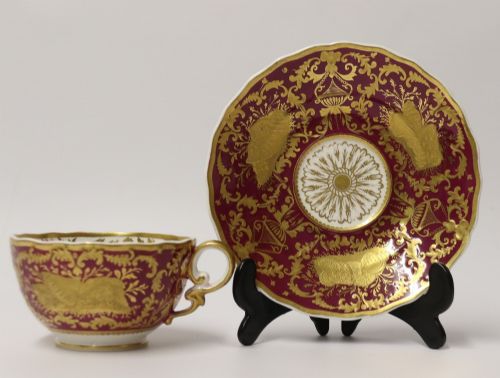
These pieces of a 19th century porcelain saucer bring the refined tea drinking habits of the Georgian and Victorian eras straight to your table.
19th Century Porcelain Saucer
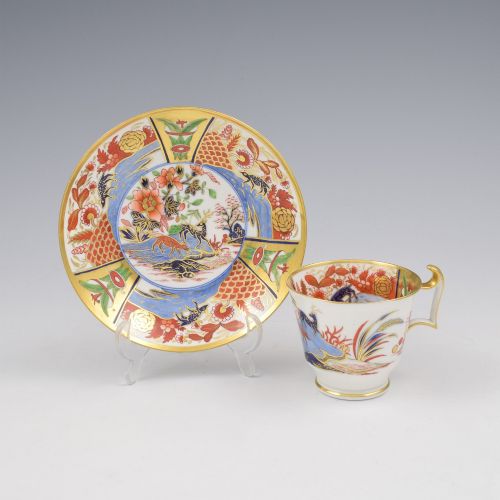
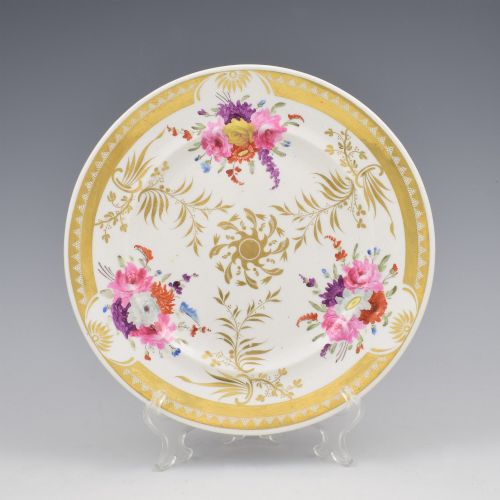
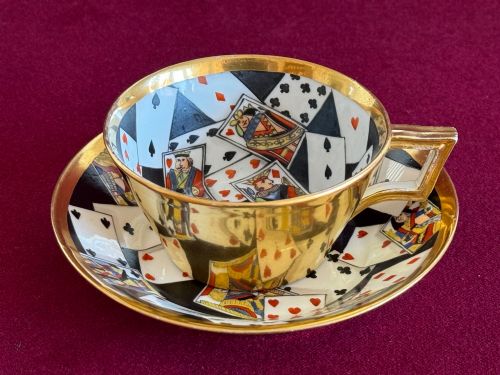
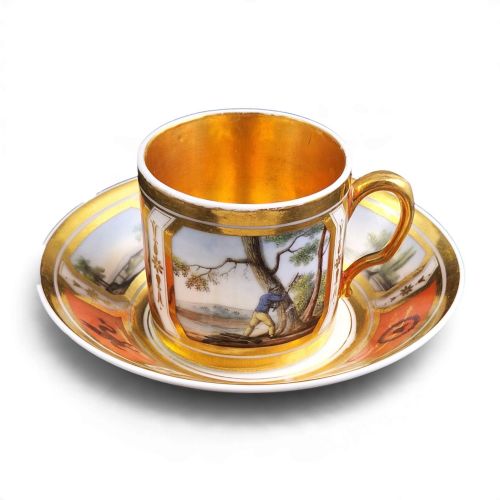
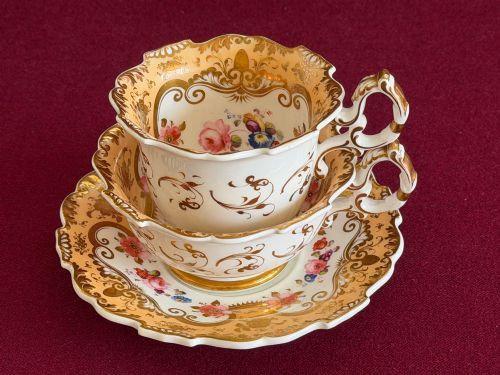
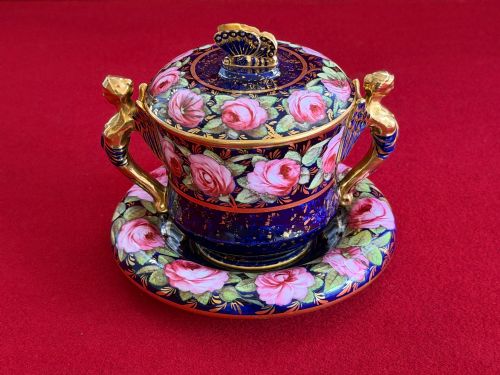
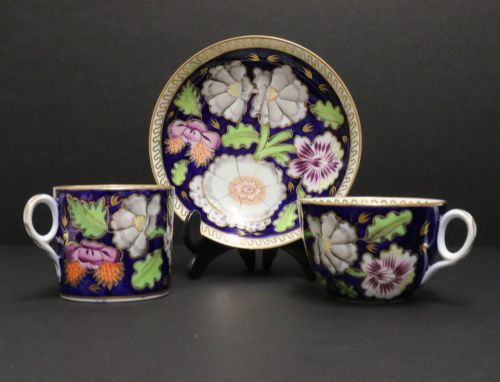
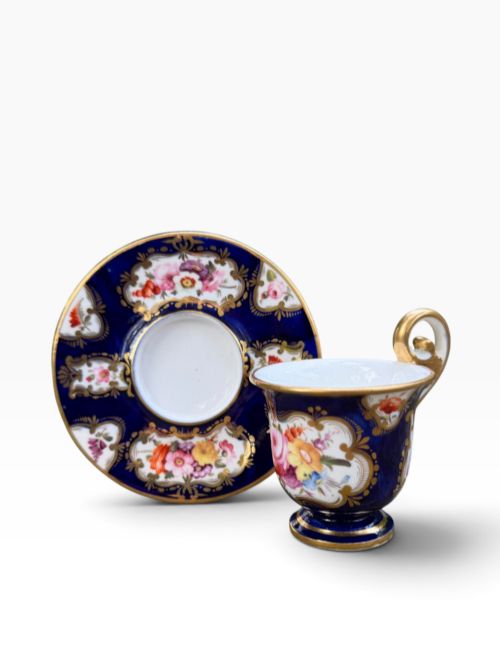
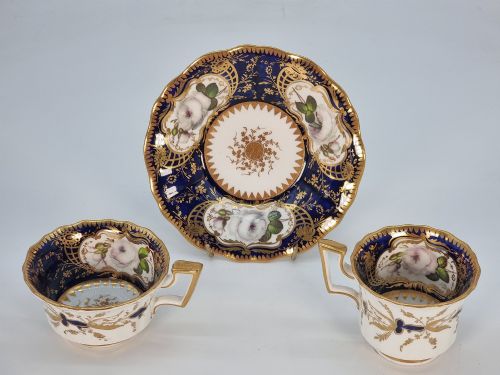
When you search for a 19th century porcelain saucer, you encounter small ceramic dishes created to support matching teacups, coffee cans, and chocolate cups during formal hospitality. The versions most commonly met on this page stem from Regency and Victorian periods, often presenting as part of a trio alongside a plate or as a lone cabinet display piece.
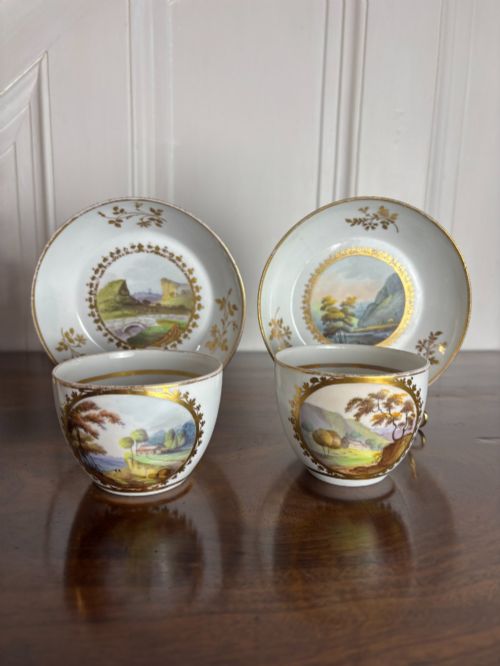
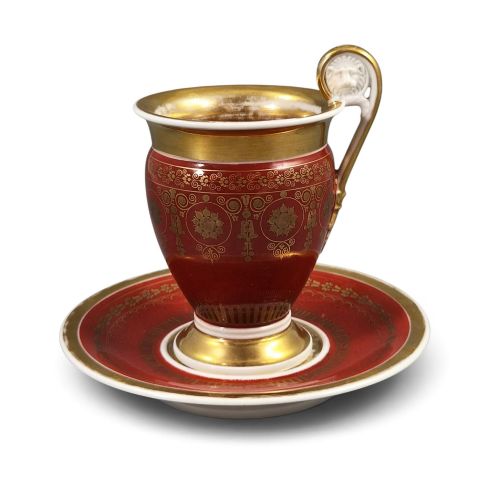
Makers across England, France, Germany, and Russia shaped these items, utilising hard-paste porcelain and bone china. Forms range from simple tea dishes to elaborate cabinet pieces with lion mask handles or delicate landscapes, reflecting diverse European and Asian decorative influences.
The assortment on this page captures saucer designs spanning from early Georgian neoclassicism to later nineteenth-century revival styles. These items served both functional dining roles and ornamental display purposes in wealthy homes.
How They Were Made
Potters shaped these ceramics using hard-paste porcelain or bone china bodies, firing them at high temperatures to achieve a dense, durable base. Artisans then applied detailed hand-painted scenes, floral motifs, or transfer-printed patterns onto the glazed surface.
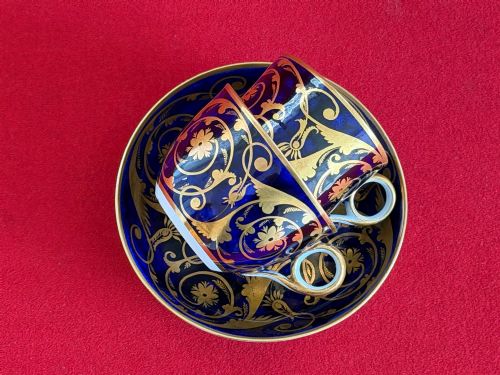
Gilding played a major role in finishing many pieces, with craftsmen applying gold leaf, gilt, and gold paint to rims and handles. Subsequent low-temperature firings fixed the enamels and metallic highlights securely to the ceramic body.
19th Century Porcelain Saucer Retail Price Guide 2026
Typical asking prices for 19th century porcelain saucer among the pieces listed under this phrase on Sellingantiques today, from the lower quarter to the upper quarter. They describe what is for sale here now, not the wider market.
Listings feature porcelain pieces spanning the Regency, Georgian, Victorian, and Edwardian periods, utilising enamel, bone china, and gold leaf.
What Varies in Quality
The standard of a 19th century porcelain saucer depends heavily on the precision of the hand-painted decoration and the richness of the gilding. Pieces featuring complex pictorial scenes by named artists or specialised factories stand apart from simpler utilitarian wares.
The refinement of the porcelain body and the crispness of moulded details, such as handles and scrollwork, also distinguish finer productions. Superior examples maintain intact enamel colours and bright, unrubbed gold leaf across their surfaces.
Spode·Minton·Coalport·Worcester·Meissen·KPM Berlin·Davenport
The 19th Century Porcelain Saucer Glossary
- Hard-paste porcelain
- A durable, high-fired ceramic material composed of kaolin and petuntse that produces a bright white, vitrified body. It resists scratching and holds intricate enamel colours well.
- Bone china
- An English ceramic body incorporating bone ash, which yields a slightly translucent finish and considerable strength. It became a preferred material for fine nineteenth-century tea wares.
- Gold leaf
- Hammered sheets of gold applied to ceramic surfaces for rich ornamentation. Artisans burnished the metal to achieve a bright, reflective shine.
- Cabinet cup
- A decorative ceramic vessel intended primarily for display in a glass-fronted cabinet rather than everyday use. These pieces often feature elaborate painting or unusual handle designs.
- Demitasse
- A small cup used for serving strong black coffee or espresso, typically paired with a matching saucer. They frequently appear in nineteenth-century continental porcelain sets.
19th Century Porcelain Saucer: Frequently Asked Questions
Were these saucers used for drinking tea?
In the early nineteenth century, drinkers frequently poured hot tea from the cup into the saucer to cool it before consumption. Saucers of this era were deeper than modern ones to accommodate this custom.
Over time, dining habits shifted, and saucers returned strictly to their role as a base for the teacup or coffee can.
How do I identify the maker of my saucer?
Look on the underside of the ceramic base for painted pattern numbers, factory marks, or impressed ciphers. Many nineteenth-century firms used distinct symbols or script to sign their output.
Matching the pattern style and motif with known factory archives helps confirm the exact origin and production period.
Can I use these antiques for daily dining?
While these ceramics remain durable, hand-painted enamels and delicate gold leaf can wear down with frequent use and harsh dishwashing. Most collectors prefer to display them or reserve them for occasional light use.
Gentle hand washing in warm water helps preserve the fragile nineteenth-century gilding and surface decoration.