

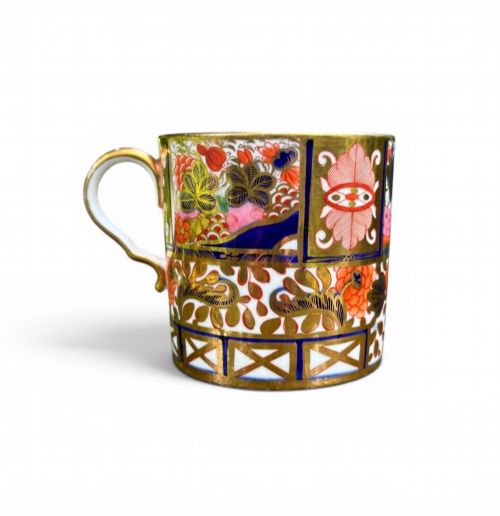
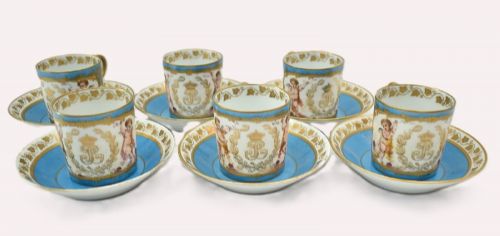

Gilt Porcelain Coffee Cup
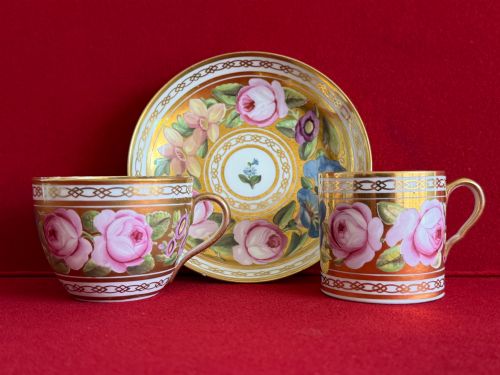
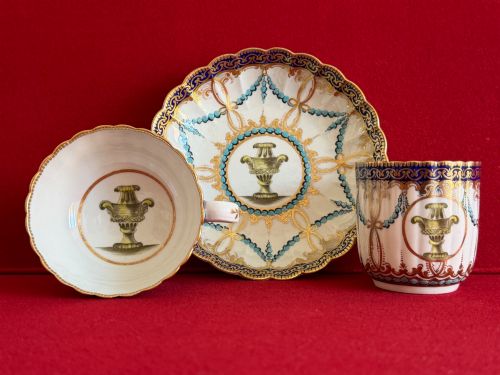
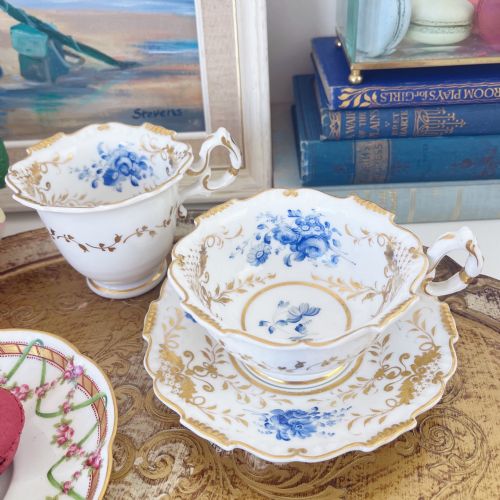
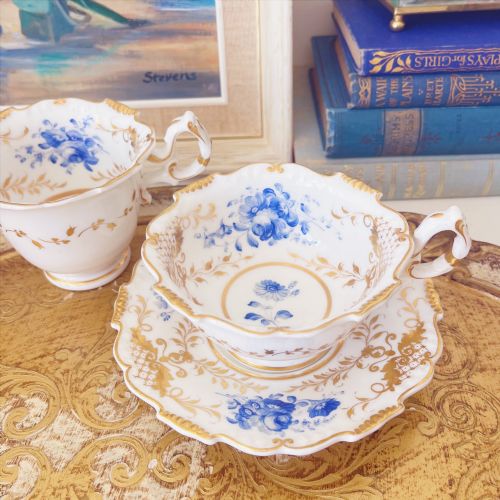
These gilt porcelain coffee cup pieces combine fine ceramic bodies with rich gold leaf, offering collectors a touch of historic elegance.
Gilt Porcelain Coffee Cup
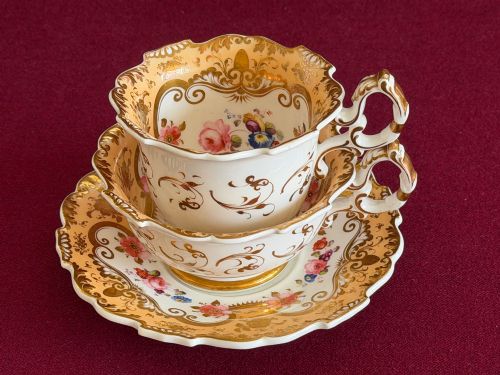
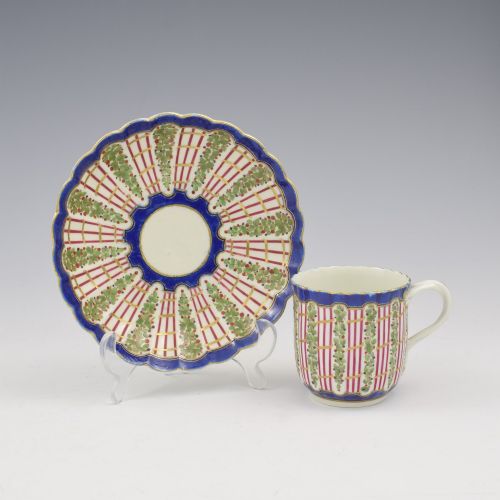
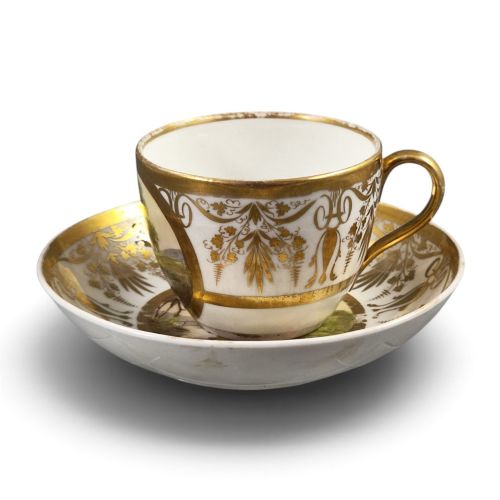
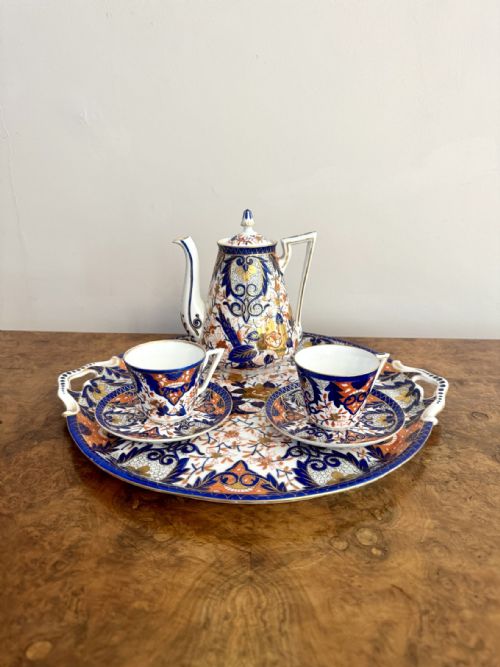
When a buyer searches for a gilt porcelain coffee cup, they encounter an array of drinking vessels designed for small portions of strong brew, including coffee cans, demitasse cups, cabinet pieces, and matching saucers.
The selections span multiple periods, from eighteenth-century pieces originating in factories like Worcester to nineteenth-century examples and twentieth-century sets.
Makers shaped these items into distinct styles such as Regency, Rococo Revival, Biedermeier, and Neoclassical, often pairing them with saucers or forming part of larger tea and coffee services.
Materials and methods
Potters utilised hard-paste porcelain and bone china to form the body of each vessel, shaping them into cans, cups, and saucers.
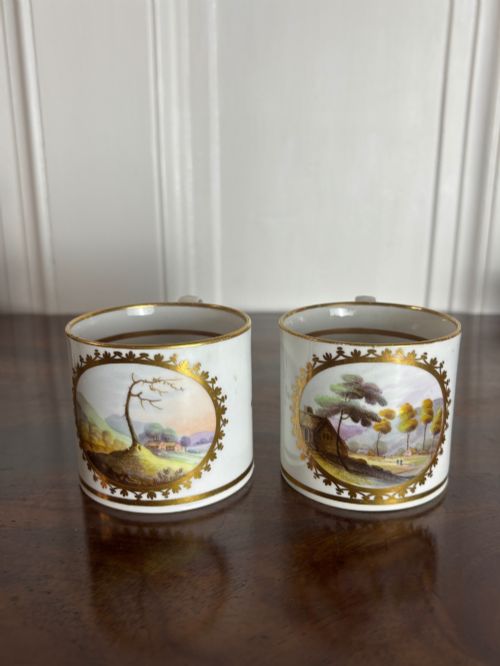
Craftsmen applied enamel painting by hand, often depicting landscapes, floral motifs, or detailed patterns.
Gold leaf and gilding were meticulously added to borders, handles, and interiors, sometimes combined with techniques like en grisaille.
Listings feature hard-paste porcelain, bone china, and gold leaf across eighteenth, nineteenth, and twentieth-century production.
Assessing quality in gilt ceramics
Quality rests in the precision of the handpainted details, from delicate landscapes to intricate botanical studies and bird motifs.
The application and preservation of the gold leaf or gilding distinguish finer examples, where burnished metallic highlights remain crisp against the white porcelain ground.
The finesse of the potting, particularly in the thinness of the porcelain body and the clean execution of handles and rims, marks the distinction between standard production and exceptional cabinet wares.
Royal Crown Derby·H & R Daniel·Dr Wall Worcester·KPM Berlin·Flight And Barr·Spode Copeland·Royal Worcester·Hutschenreuther
The Gilt Porcelain Coffee Cup Glossary
- Coffee can
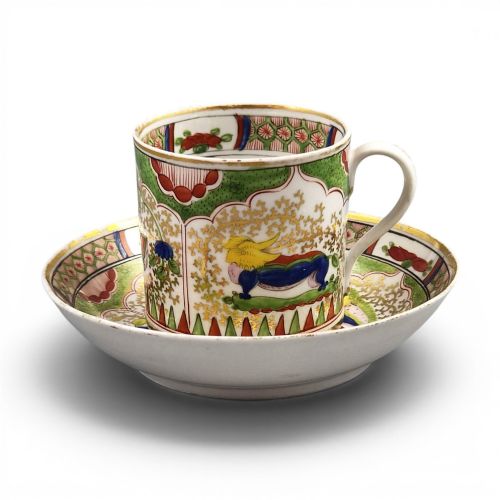
- A straight-sided cylindrical cup designed for drinking strong coffee in the eighteenth and nineteenth centuries. These vessels often appear without handles.
- Demitasse
- A small cup used for serving black coffee or espresso. They frequently accompany matching saucers in nineteenth and twentieth-century sets.
- Cabinet cup
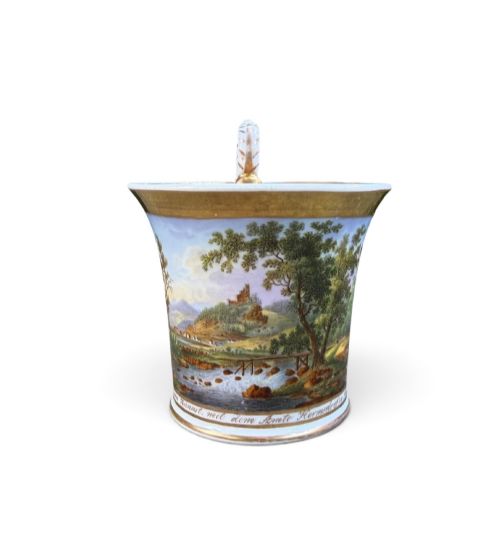
- A decorative display piece made to be shown inside a cabinet rather than used daily. These often feature elaborate handpainted topographical scenes or portraits.
- Gilding
- The application of gold leaf or gold paint to the surface of the porcelain. It highlights rims, handles, and decorative borders.
- Trio
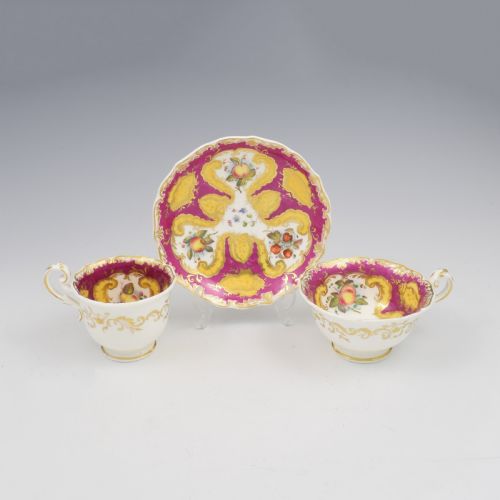
- A matched set consisting of a teacup, a coffee cup, and a saucers. They demonstrate coordinated patterns from period potteries.
Gilt Porcelain Coffee Cup: Frequently Asked Questions
What is a coffee can?
A coffee can is a straight-sided cylindrical cup made without the flared profile of a traditional teacup. They were popular in the Georgian and Regency periods for serving strong brews.
Many survive paired with matching saucers and retain intricate handpainted gilding or enamel landscapes from factories such as Worcester and Spode.
How do I care for gilded porcelain?
Gilded porcelain requires gentle hand washing in warm water using mild soap. A soft cloth prevents scratching the delicate enamel and gold leaf.
Avoid dishwashers and abrasive sponges, as harsh detergents and scrubbing wear away the historic metallic surfaces over time.
What is a cabinet cup?
A cabinet cup is an ornamental vessel intended for display in a cabinet rather than practical dining use. These pieces often feature detailed topographical landscapes, portraits, or elaborate gilding.
Factories like KPM Berlin and various English potteries produced them as showcase examples of ceramic artistry.
How do I identify eighteenth century pieces?
Eighteenth century pieces display characteristic paste compositions, underglaze blue decorations, or early handpainted enamel palettes. Examining the weight, translucency, and foot rim offers clues to the era.
Markings on the underside, when present, help attribute the work to specific periods such as the First Period Worcester factory.