
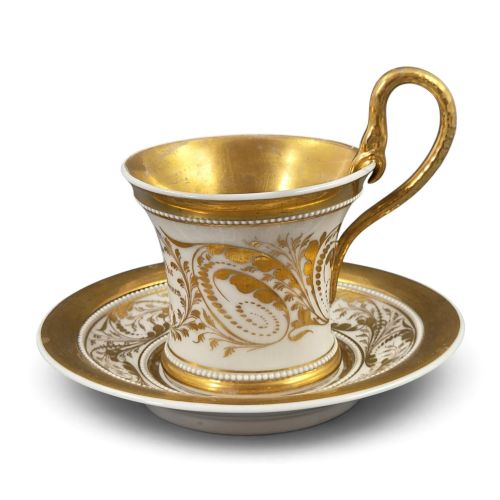


Antique Cabinet Cup Saucer
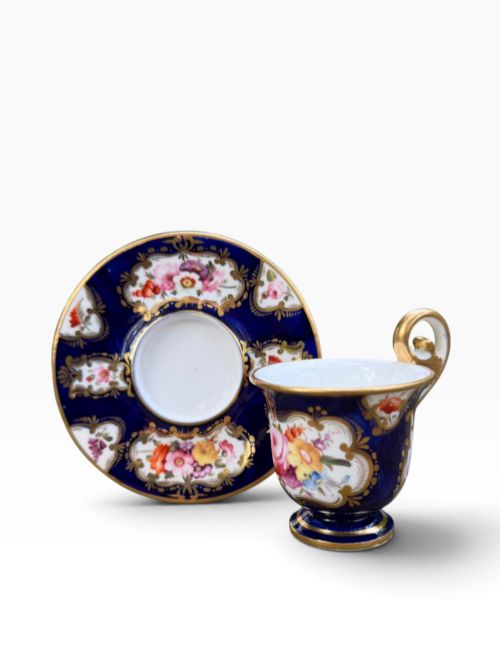
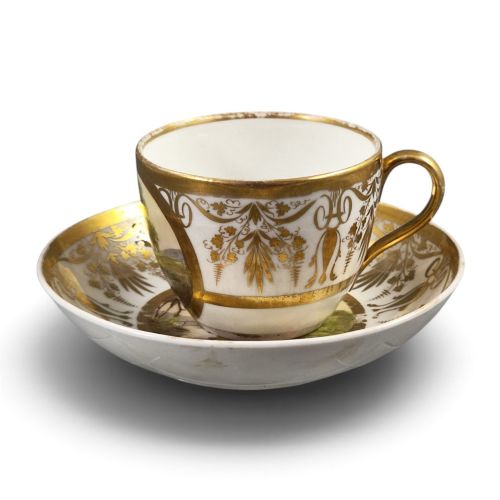
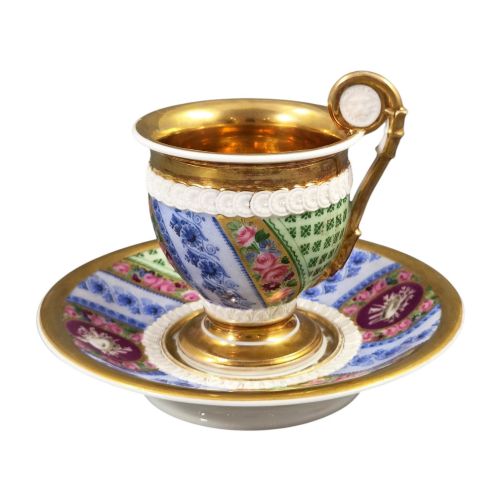
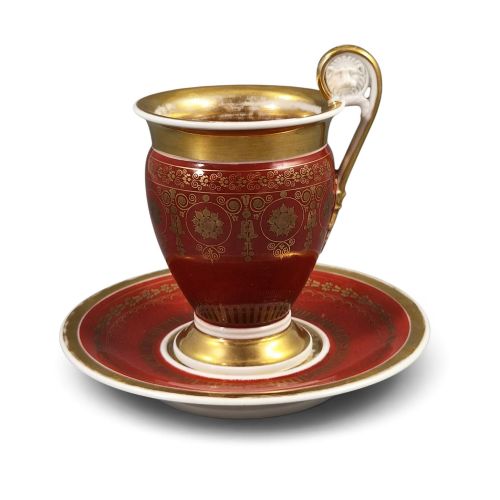
These antique cabinet cup saucer sets are delicate display pieces designed to showcase fine porcelain craftsmanship.
What They Are
When you search for an antique cabinet cup saucer, you find specialised display ceramics produced to be admired rather than used daily. These items typically take the form of demitasse cups and saucers or larger teacups.
The examples recorded here date from the early twentieth century, spanning the nineteen-twenties and nineteen-thirties. You encounter distinct forms including cabinet sets comprising multiple cups and a single saucer.
Originating from established European potteries, these items reflect both Edwardian tastes and the enduring appeal of earlier decorative movements. They remain coveted by collectors who appreciate cabinet display ceramics.
How They Were Made
These pieces are constructed from fine porcelain, providing a smooth white base for intricate surface decoration. Manufacturers utilised specialised firing techniques to achieve durable yet translucent ceramic bodies suitable for cabinet display.
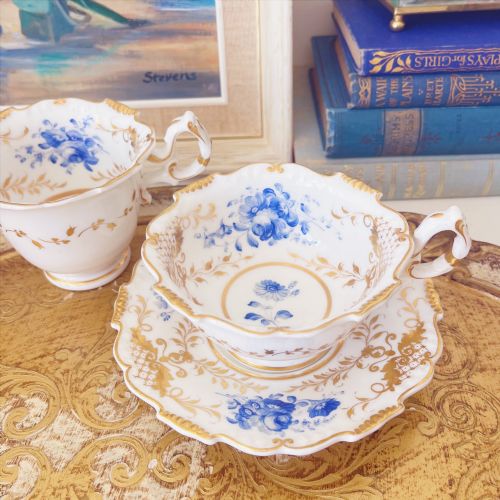
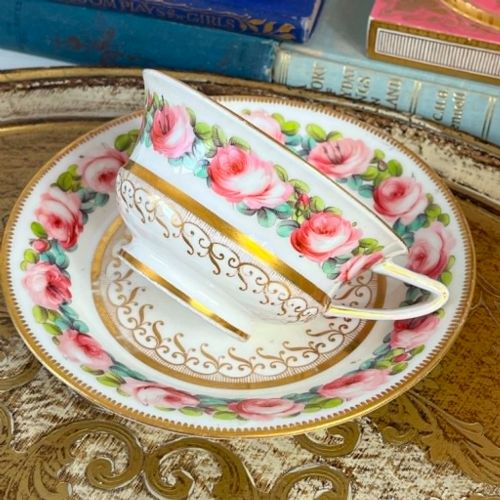
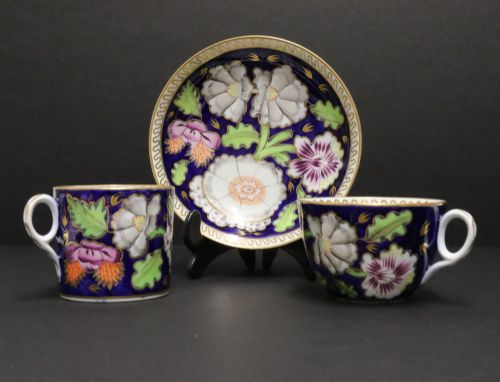
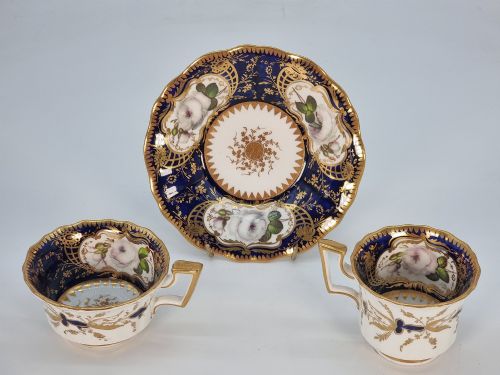
Surface ornamentation relies on applied enamel and detailed hand-painting to build up rich floral and abstract motifs. Artisans added gold leaf and gold gilt highlights, carefully framing the rims and handles to catch the light.
The recorded object types span individual demitasse cups and saucers, larger teacups, and multi-cup cabinet sets.
What Varies in Quality
Quality in these ceramics rests on the precision of the hand-painted decoration and the crispness of the porcelain moulding. Superior pieces exhibit clean lines in the enamel work and generous, well-preserved applications of gold gilt.
The refinement of the porcelain body itself distinguishes standard production from exceptional studio output. Thinner, more translucent walls combined with sophisticated decorative motifs mark the upper tier of these cabinet items.
Hutschenreuther Saxonia·Royal Worcester·Moorcroft
The Antique Cabinet Cup Saucer Glossary
- Demitasse
- A small cup used for serving strong black coffee or espresso. These diminutive vessels form the core of many porcelain cabinet displays.
- Gold Gilt
- A thin layer of gold applied to the surface of porcelain to highlight rims, handles and motifs. It adds a reflective sheen that defines decorative cabinet wares.
- Enamel
- Opaque vitreous material fused to the surface of ceramics to create colourful designs. It provides the vibrant hues seen across Edwardian and revival pieces.
- Rococo Revival
- A nineteenth-century design style marked by asymmetry, scrollwork and natural motifs. This aesthetic heavily influences the decorative curves found on many cabinet cups.
Frequently Asked Questions
What is a cabinet cup and saucer?
A cabinet cup and saucer is a decorative porcelain set made primarily for display inside a glass-fronted cabinet rather than for everyday dining.
These items often feature elaborate hand-painted designs, enamel work and gold gilding that would wear away with regular use.
How do I date these porcelain sets?
Dating relies on maker marks stamped or painted on the underside of the porcelain, alongside the prevailing artistic style of the decoration.
Twentieth-century pieces often reflect Edwardian elegance or revival aesthetics through their specific colour palettes and gilding techniques.
Can I use these cups for drinking?
While technically functional, these fragile pieces are generally intended for visual appreciation and collection.
The delicate porcelain walls, intricate enamel and applied gold leaf can be easily damaged by hot liquids and daily handling.
What styles are common in these sets?
Common styles include Rococo Revival motifs and Edwardian decorative patterns that emphasise ornate handles and floral arrangements.
These aesthetic choices highlight the craftsmanship of the period potteries that produced them for affluent homes.