









Imari Floral Ceramic Dishes
Imari floral ceramic dishes bring rich traditional palettes and bold patterns to tabletops, spanning centuries of Japanese and English kiln work.
Imari Floral Ceramic Dishes
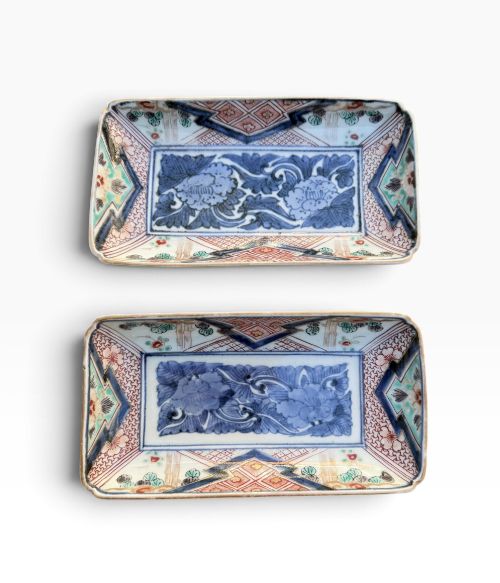
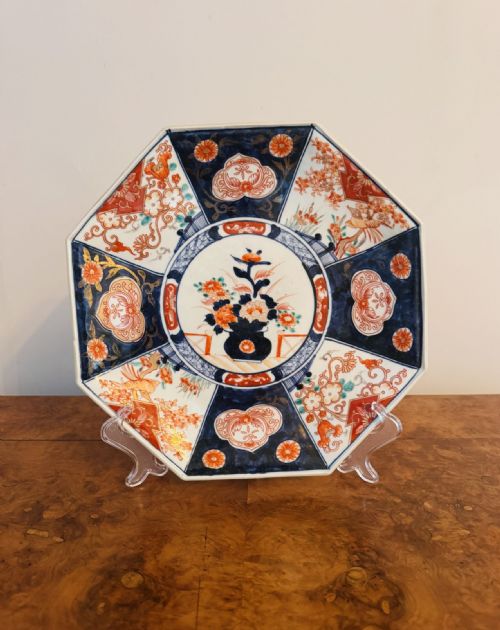
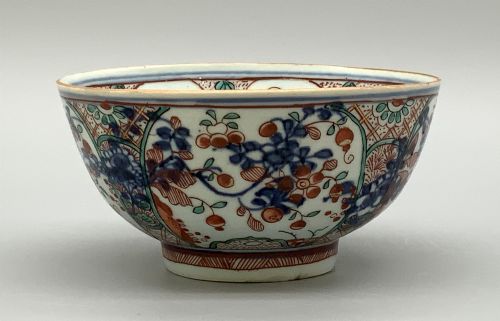
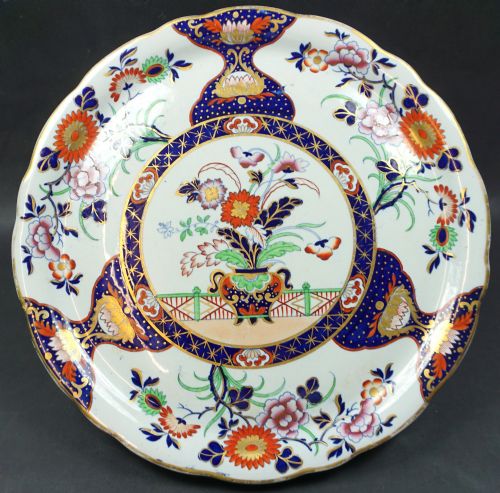
When someone searches for imari floral ceramic dishes, they encounter a diverse selection of decorative plates, bowls, and large chargers designed for display or serving. The items span various eras, drawing heavily on Japanese traditions from the Edo and Meiji periods alongside English interpretations from the Georgian and Victorian eras.
The most common pieces on this page originate from the late nineteenth century, reflecting the widespread production of Japanese Imari porcelain during the Meiji period. Alongside these, buyers find earlier seventeenth and eighteenth-century examples from Japanese kilns and Chinese export production, plus ironstone interpretations by English makers.
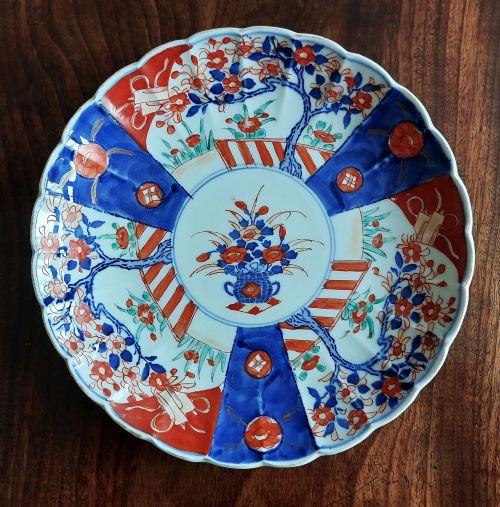
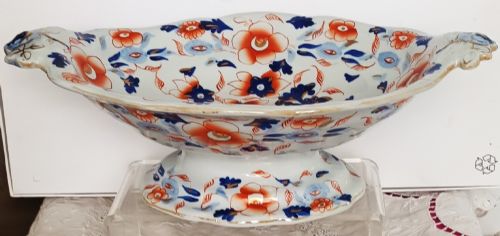
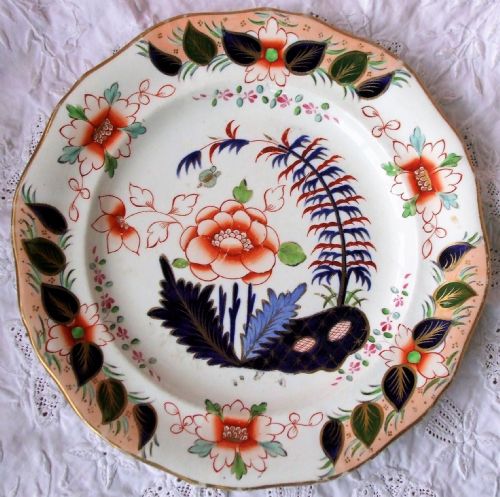
Forms range from small scalloped dishes and hexagonal plates to deep pedestals and massive wall chargers. The dominant aesthetic relies on iron red, underglaze blue, and supplementary gilt highlights that create a strong visual impact.
How they were made
Makers utilised high-fired porcelain and sturdy ironstone as the structural base for these ceramics. Potters shaped items on wheels or pressed clay into moulds, creating smooth surfaces and defined edges such as scalloped rims.
Decoration relied on meticulous hand painting using underglaze cobalt blue combined with overglaze enamels in red, green, and gold leaf. Firing the pieces multiple times fixed the vibrant pigments and the lustrous glaze finish to the ceramic body.
Listings feature items spanning the seventeenth to the twentieth century, combining Japanese porcelain, Chinese export wares, and English ironstone.
What varies in quality
The precision and detail of the hand painting distinguish superior examples from standard production work. Master painters applied complex floral, bird, and geometric motifs with exceptional crispness and depth.
The richness of the gilding and the clarity of the enamel colours play a significant role in overall visual appeal. Pieces retaining bright gold leaf and well-preserved glaze tones represent the highest standard of execution.
Hicks and Meigh·John Davenport of Longport
The Imari Floral Ceramic Dishes Glossary
- Imari
- A style of ceramic originating from the port of Imari in Japan, traditionally characterised by a palette of underglaze blue, iron red, and gilt. It gained immense popularity in Europe during the seventeenth and eighteenth centuries.
- Charger
- A large ornamental plate or platter used historically for service or displayed prominently on walls and dressers. These substantial pieces often feature the most elaborate painted compositions.
- Meiji Period
- A notable era in Japanese history spanning from eighteen sixty-eight to nineteen twelve, marked by extensive international export of decorative arts including fine porcelain. Pieces from this time often exhibit confident brushwork and varied moulding.
- Ironstone
- A heavy, durable type of earthenware developed in nineteenth-century England as a robust alternative to porcelain. English potteries utilised this dense material for patterned tableware.
- Comport
- A raised pedestal dish or bowl used for serving fruit or sweets at formal dining tables. They elevate the display of ceramics within a table setting.
Imari Floral Ceramic Dishes: Frequently Asked Questions
How do I display a large charger safely?
Large chargers look striking mounted on walls using secure plate hangers designed for heavy porcelain. Alternatively, heavy ironstone and porcelain chargers sit securely in sturdy wooden display stands on sideboards.
Ensure the mounting hardware supports the full weight of the ceramic piece. Keep displays away from direct sunlight to preserve the vibrant overglaze enamels over time.
Can I use these antique dishes for food?
Most antique imari floral ceramic dishes are intended for decorative display or light service. Historic glazes and overglaze enamel work can wear down with frequent heavy use and modern cleaning methods.
Gentle hand washing in warm water preserves the delicate gold leaf and painted details. Avoid dishwashers and abrasive cleaning pads entirely.
How do I distinguish Edo from Meiji pieces?
Edo period ceramics often display a heavier body and more restrained, rustic brushwork. Meiji period items typically showcase sharper detail, brighter enamel colours, and highly refined potting techniques.
Examining the foot ring and the character of the glaze provides further clues to the manufacturing era. Japanese export records and stylistic shifts help narrow down the production date.
What is the difference between Japanese and English imari?
Japanese imari relies on traditional porcelain bodies painted with underglaze cobalt and iron red enamel. English imari utilises sturdy ironstone or earthenware bodies decorated with similar Asian-inspired motifs.
English interpretations by makers like Davenport adapted the Eastern palette to suit Victorian dining tastes. The weight and clay composition usually reveal whether a piece is Asian export or English earthenware.