







Imari Ceramic Wall Platter
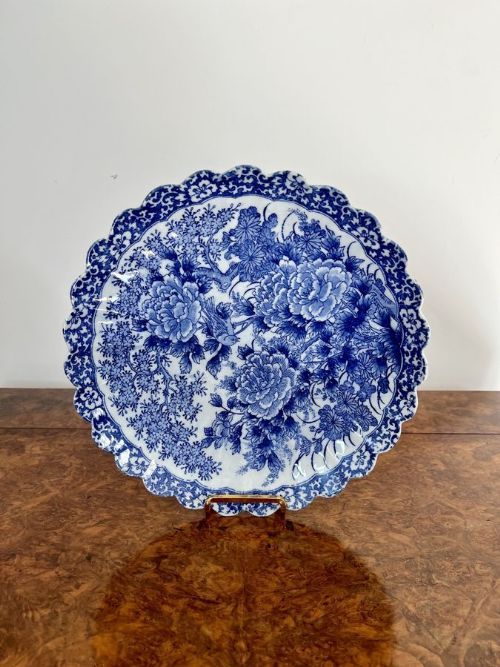
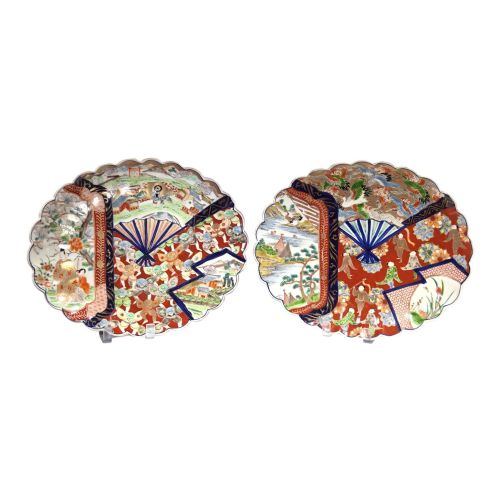
An imari ceramic wall platter brings rich cobalt and iron-red tones to an interior, offering a striking focal point for a room.

Imari Ceramic Wall Platter
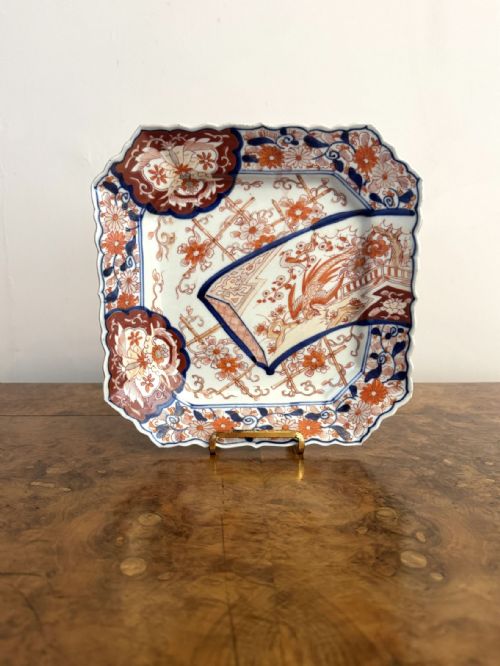
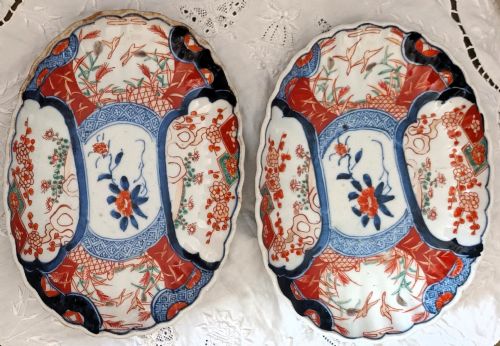
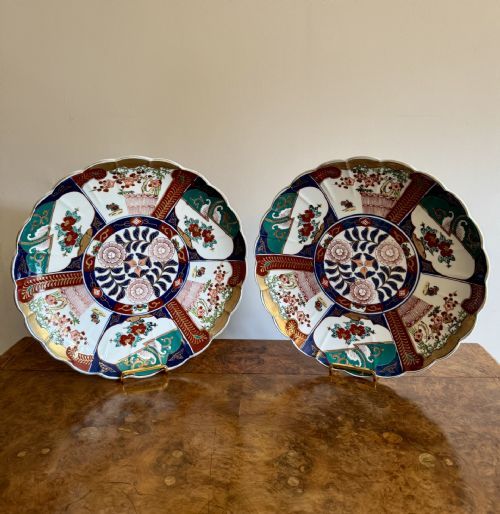
An imari ceramic wall platter is a decorative dish designed for display, featuring the distinctive palette and patterns originating from Japanese and later English traditions. When you search for an imari ceramic wall platter, you encounter large chargers, scalloped plates, and square dishes suited for hanging or mounting.
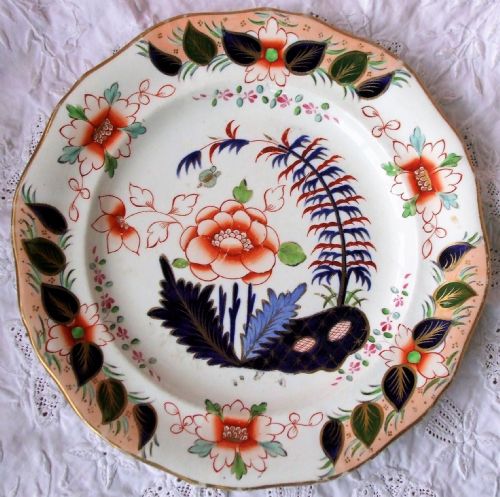
The selections span centuries, from Edo period originals to later Victorian interpretations and English ironstone adaptations. Japanese Meiji period examples dominate the current listings, alongside earlier Edo pieces and English earthenware.
Forms vary from traditional round chargers to square, fan-shaped, and octagonal plates. Each piece utilises the signature glaze combinations to create a dramatic visual impact on a wall or cabinet.
How they were made
Makers shaped porcelain, stoneware, and ironstone into robust plates and chargers before applying cobalt underglaze decoration. Skilled hands then added enamel colours and gold leaf over the glaze to build up the intricate patterns.
Kiln firing fused the cobalt pigments beneath a clear glassy surface while subsequent low-temperature firings set the delicate surface enamel and gilding. This layered technique resulted in the durable, glossy finish seen across the items.
Several platters depict the Seven Lucky Gods sharing space with vigorous Koi carp.
What varies in quality
Quality rests in the crispness of the hand-painted brushwork and the precision of the cobalt underglaze lines. Superior examples display balanced compositions depicting motifs such as the Seven Lucky Gods or Koi carp with remarkable detail.
The richness of the enamel palette and the preservation of the gold leaf significantly influence the overall standard of a dish. Pieces with balanced symmetry and undisturbed glazes stand clearly apart from simpler production ware.
John Davenport of Longport·John Ridgway
The Imari Ceramic Wall Platter Glossary
- Imari
- A style of ceramic decoration featuring a palette of cobalt blue, iron-red, and gold. It originated in Japan and was later copied by European potteries.
- Charger
- A large decorative plate traditionally used for display rather than dining. These substantial pieces provide a wide surface for complex painted scenes.
- Underglaze
- A method of decorating pottery before the final glaze and firing is applied. This technique protects the pigment beneath a hard glassy layer.
- Meiji
- A period in Japanese history spanning from 1868 to 1912. Items from this era often exhibit highly detailed hand-painted motifs.
Imari Ceramic Wall Platter: Frequently Asked Questions
Are these platters meant for daily dining?
These pieces are intended for decorative display rather than active service at the dining table. The delicate overglaze enamels and gold leaf can wear away with frequent use and cutlery contact.
Displaying them on walls or in cabinets preserves the painted surface. Gentle dusting keeps the glaze bright without risking abrasion to the finer details.
How can I tell Japanese imari from English imari?
Japanese examples typically utilise fine porcelain bodies with vibrant cobalt underglaze and hand-painted enamel details depicting traditional motifs. English versions often employ ironstone or stoneware created by nineteenth-century potteries imitating the eastern style.
Examining the foot ring and weight helps reveal the underlying ceramic body. English pieces frequently feature manufacturer marks or pattern names on the reverse.
What periods do these ceramic platters come from?
The available selection spans from the late seventeenth-century Edo period through the Meiji era and into the Victorian and Edwardian periods. Each era brings distinct characteristics in the weight of the ceramic and the complexity of the painted palette.
Nineteenth-century items are particularly common, reflecting a Victorian enthusiasm for Japanese design. Earlier pieces from the seventeen-hundreds showcase foundational techniques of the tradition.