

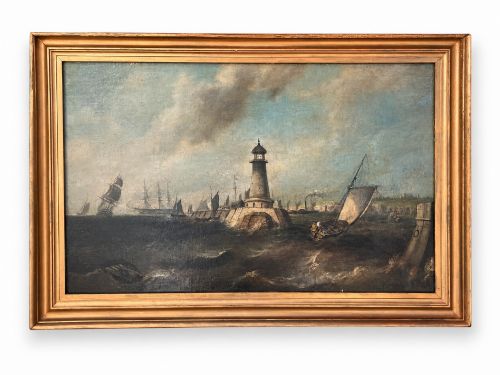


Historical Naval Canvas
Historical naval canvas captures centuries of maritime conflict, coastal trade, and commanding portraiture on woven supports.
Historical Naval Canvas
Historical naval canvas encompasses oil paintings depicting sea battles, harbour scenes, shipyards, and portraits of captains and admirals. These works record maritime heritage from the seventeenth century through the Victorian era.
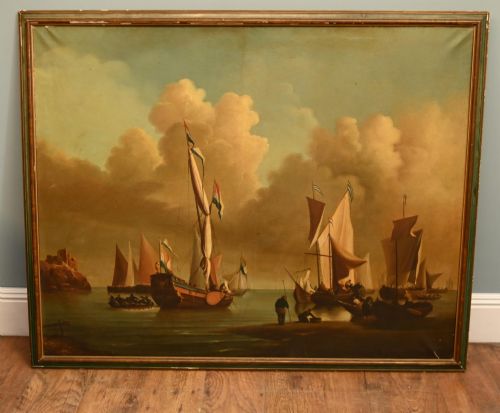
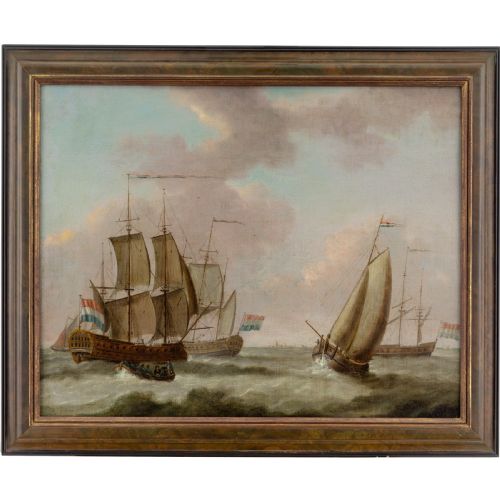
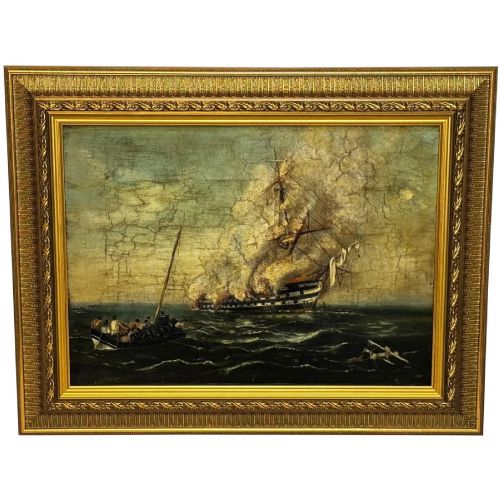
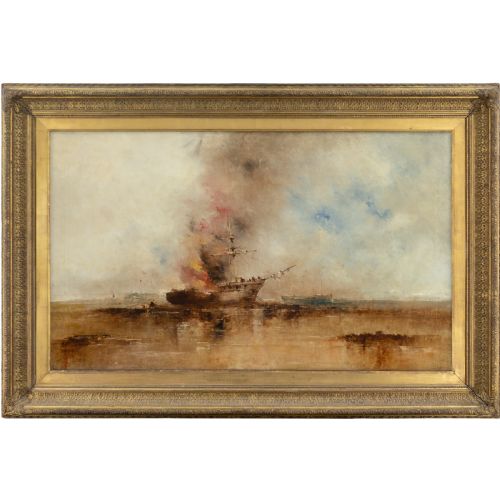
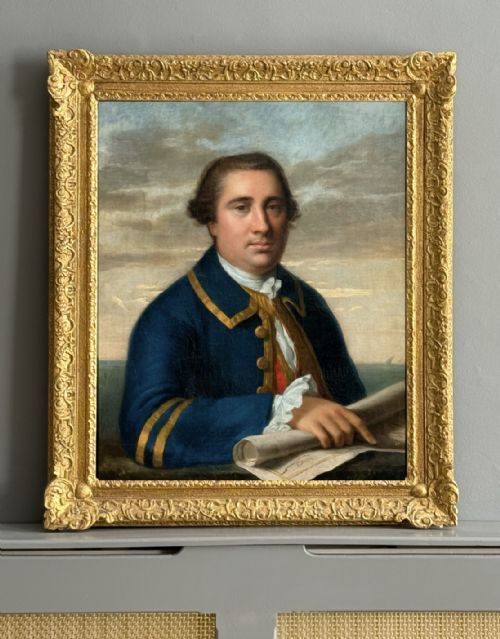
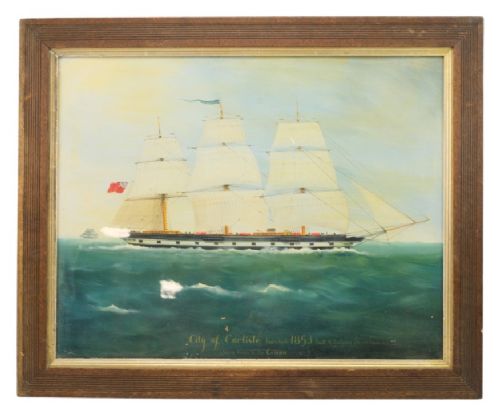
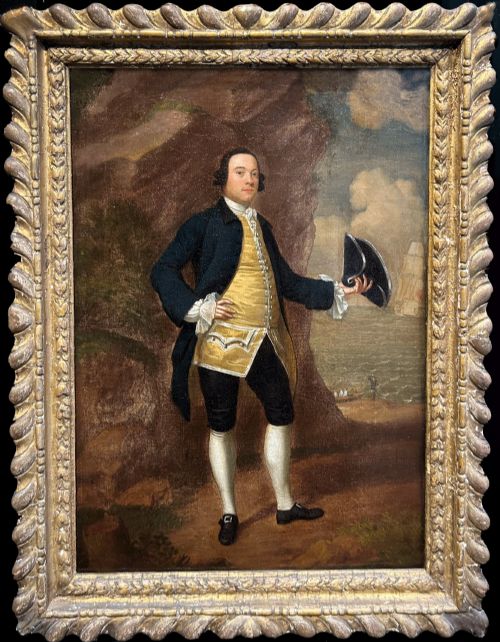
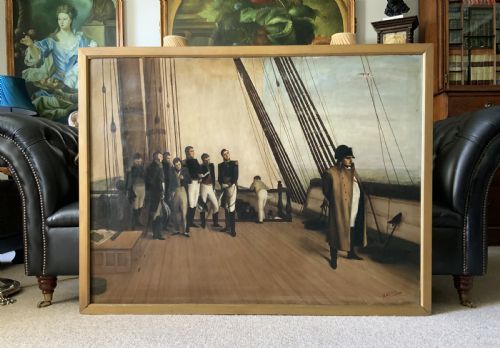
The selections on this page feature depictions of warships with raised sails, galleons, naval engagements, and individual commanders. Portraits of officers often highlight their service during specific campaigns.
Buyers encounter both English and Dutch influences across these works, spanning periods from the golden age of marine art to nineteenth-century realism.
Materials and Construction
Artists painted these scenes using oil paint applied to woven canvas supports, sometimes framed in wood, giltwood, or gold leaf. The interaction of oil pigments on fabric allowed marine painters to render turbulent water and billowing sails with depth.
Canvas was stretched over wooden frames to support heavy applications of paint, particularly in large compositions depicting sea battles and coastal shipping.
Historical Naval Canvas Retail Price Guide 2026
Typical asking prices for historical naval canvas among the pieces listed under this phrase on Sellingantiques today, from the lower quarter to the upper quarter. They describe what is for sale here now, not the wider market.
Materials recorded in these listings include oil on canvas, wood, gold leaf, and giltwood.
Distinctions in Quality
Quality in these works rests upon the precision of rigging detail, the naturalism of the water, and the psychological depth of portraiture. Master painters capture the specific architecture of historical vessels and the atmospheric conditions of coastal weather with greater authority.
Provenance and attribution elevate certain pieces, particularly those linked to documented marine artists or followers of established schools, distinguishing them from anonymous English school productions.
William McAlpine·LEMUEL FRANCIS ABBOTT·Francis Hayman·Nicholas Condy·Claude Lorrain·Richard Brydges Beechey·Sir Thomas Lawrence PRA·Jacob Knyff·Abraham Storck·Samuel Lane·Robert Ker Porter·Ambrosini Jerome·Richard Hall
The Historical Naval Canvas Glossary
- Oil on Canvas
- A traditional painting medium where coloured pigments suspended in drying oils are applied to a woven fabric support. This combination provides durability and a rich surface texture.
- Giltwood
- Wood carved and treated with a thin layer of gold leaf or metallic powder. It frequently frames historical portraits and marine scenes from the eighteenth and nineteenth centuries.
- Privateer
- A privately owned armed ship commissioned by government licence to fight enemy shipping. Portraits of privateers capture figures involved in authorised maritime warfare.
- Frigate
- A warship built for speed and manoeuvrability, typically carrying fewer guns than a ship of the line. These vessels appear frequently in nineteenth-century coastal and battle compositions.
Historical Naval Canvas: Frequently Asked Questions
What periods do these paintings cover?
The works span from the seventeenth century through the Victorian period and into the early twentieth century.
They reflect shifts in maritime painting styles from Dutch golden age marine art to nineteenth-century realism.
Who are the subjects in the portraits?
Subjects include merchant navy captains, privateers, vice-admirals, and admirals of the fleet.
Many sitters are identified by name and title, recording their naval service and historical rank.
How should I display historical canvases?
These oil paintings suit traditional studies, libraries, or living spaces with stable humidity and temperature.
Direct sunlight should be avoided to protect the oil paint and any giltwood framing.
What is depicted in the non-portrait scenes?
The scenes show sea battles, warships with cannon, galleons, harbour views, and shipyards.
Locations range from Plymouth Breakwater and the River Thames to the coast of Ostia.