



Historical Military Oil Portrait
When you examine a historical military oil portrait, you step directly into the painted record of officers, commanders and campaigns from centuries past.
Historical Military Oil Portrait
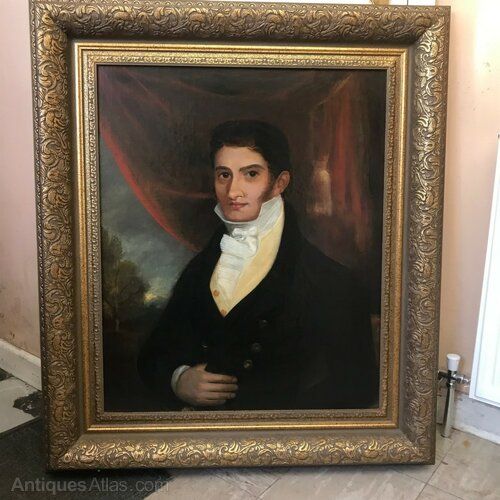
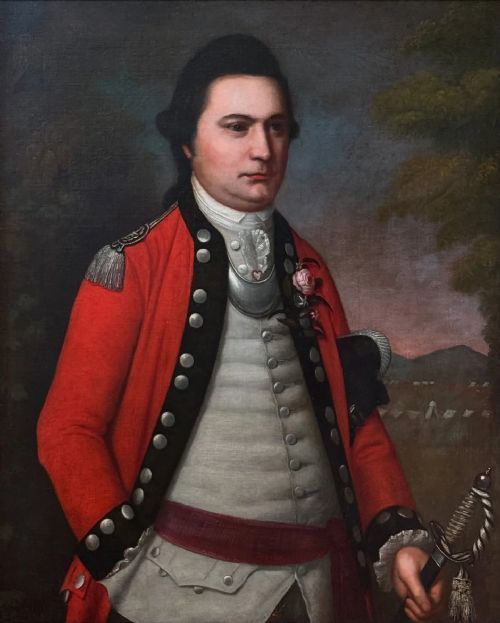
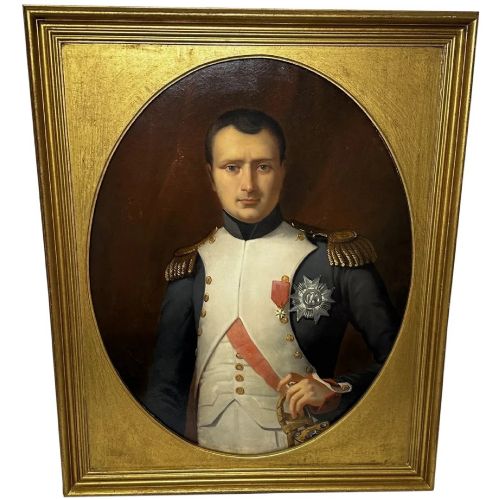
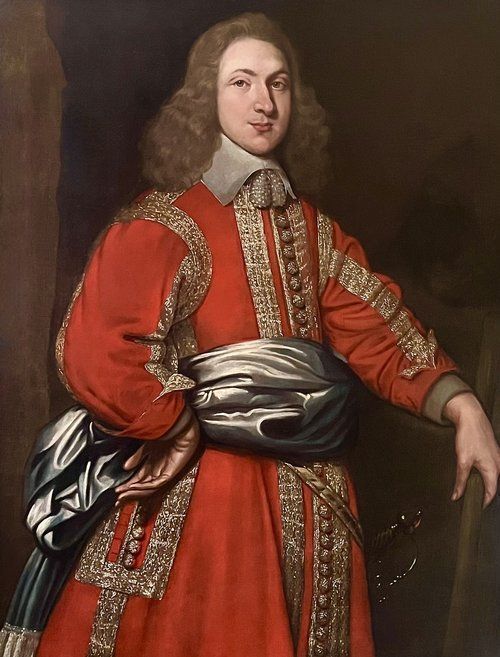
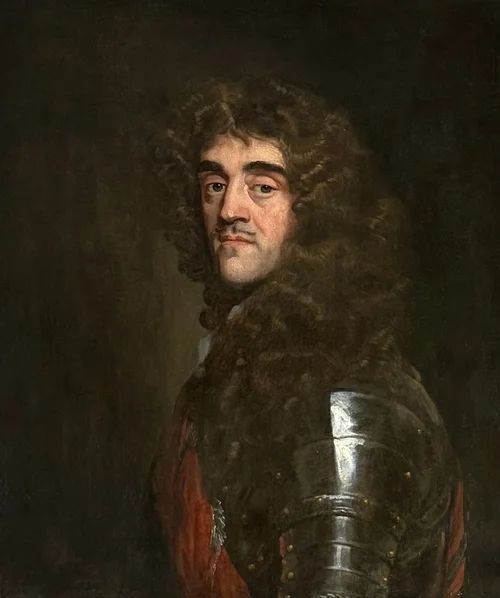
A historical military oil portrait depicts officers, generals, admirals and rulers rendered in pigment upon canvas or wood panel. These works range from seventeenth-century cavaliers in full armour to nineteenth-century commanders and naval leaders.
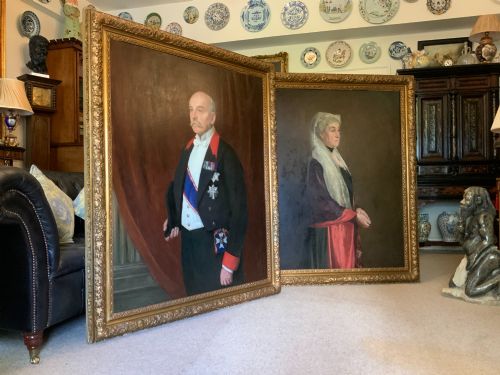
The selections available span multiple eras, including seventeenth, eighteenth and nineteenth-century examples alongside later twentieth-century interpretations. Portraits capture subjects individually or in pairs, often denoting specific rank, regiment or historical conflict.
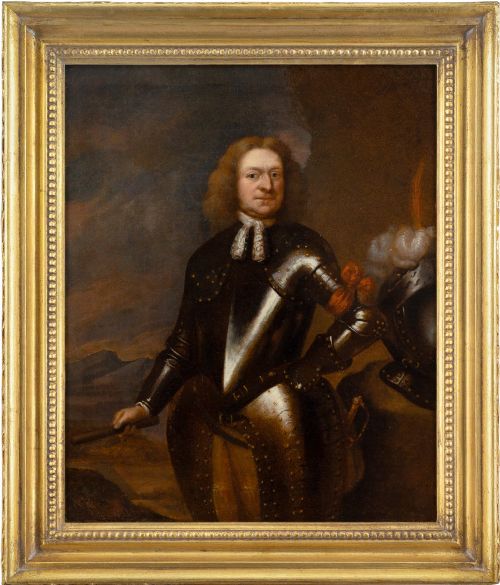
Subjects appear in formal military dress, red coats, uniforms or steel breastplates. Backgrounds frequently incorporate fortress walls, battle scenes or quiet interiors that emphasise the sitter's status.
Materials and Methods
Techniques varied from meticulous academic realism seen in formal nineteenth-century commissions to looser, more expressive brushwork employed by regional or continental schools. Painters utilised glazing methods to render the metallic sheen of armour and the rich textures of sashes and red coats.
Several officers gaze out while clutching swords, torches, or standing steadfastly outside stone fortresses as history unfolds behind them.
Assessing Quality
Quality rests upon the anatomical accuracy of the sitter, the skillful rendering of hands and facial expression, and the convincing depiction of textiles and metal armour. Superior works capture a distinct likeness and psychological presence rather than a generic formula.
The sophistication of the background composition and the handling of light also divide standard studio output from masterwork productions. Original period frames finished in giltwood or gold leaf further enhance the integrity of the piece.
Stickland Lowry·John Greenhill·Ernest Crofts·Sir Thomas Lawrence·John Closterman
The Historical Military Oil Portrait Glossary
- Oil on Canvas
- A traditional painting medium where coloured pigments suspended in drying oils are applied to a woven fabric surface stretched across a wooden frame.
- Giltwood
- Wood carved and then coated with a thin layer of gold leaf or metallic gilt powder, commonly utilised for decorative picture frames.
- Cavalier
- A term describing a seventeenth-century royalist soldier or gentleman, frequently depicted in armour with flowing hair and a sash.
- Miniature Painting
- A highly detailed, small-scale portrait executed on a reduced surface, often created for personal keepsakes or lockets.
- Baroque
- An ornate artistic style prevalent from the seventeenth to mid-eighteenth century characterised by dramatic lighting, rich colour and dynamic movement.
Historical Military Oil Portrait: Frequently Asked Questions
How do I identify the rank of the officer?
Rank is typically indicated by specific elements of uniform, lace, medals, or the presence of a gorget at the throat. Officers of higher standing often wear sashes or detailed breastplates.
Background details such as tents, maps or naval vessels can also provide contextual clues regarding the sitter's command level.
Are these portraits painted from life?
Many formal commissions were painted from life sittings while the subject was actively serving or after promotion. Studio copies and posthumous memorials were also common for prominent military figures.
Artists frequently worked from preliminary sketches or established portraits when producing commemorative works for regiments or families.
How should I care for an antique oil painting?
Keep paintings away from direct sunlight, excessive heat sources and sudden humidity fluctuations to protect the canvas and paint layers. Display them on sturdy walls using proper picture hanging hardware suited to the weight of the frame.
Dust the surface and frame gently with a soft, dry brush, avoiding liquid cleaners or harsh chemicals entirely.
What does attribution to a school mean?
Attribution to a specific regional school, such as the Dutch School or Italian School, indicates that the work was created within a particular artistic tradition and geographic region during a specific period. These pieces share stylistic traits with known masters of that circle even when the individual artist remains unnamed.
Examiners look at brush technique, palette choice and canvas preparation to determine these regional classifications.