





High Relief Bronze Urn
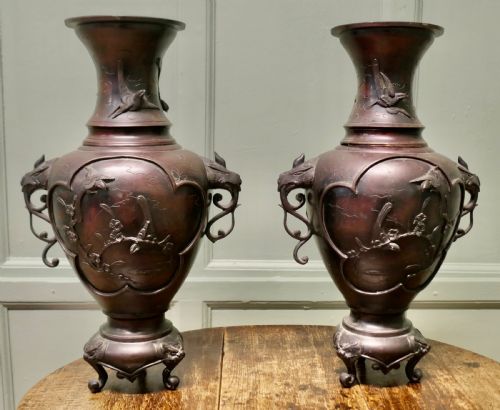
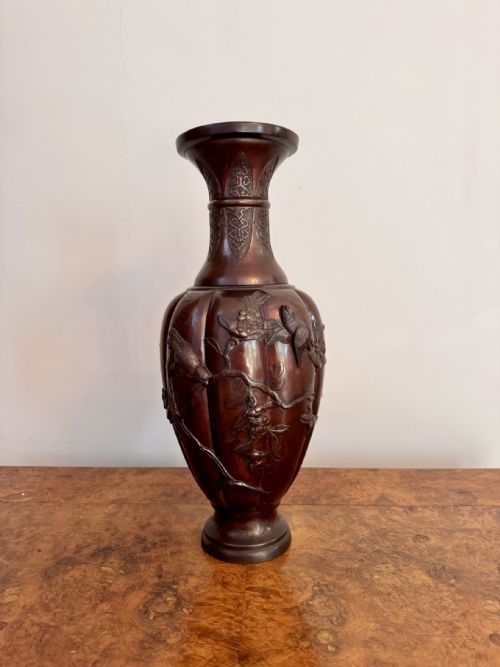
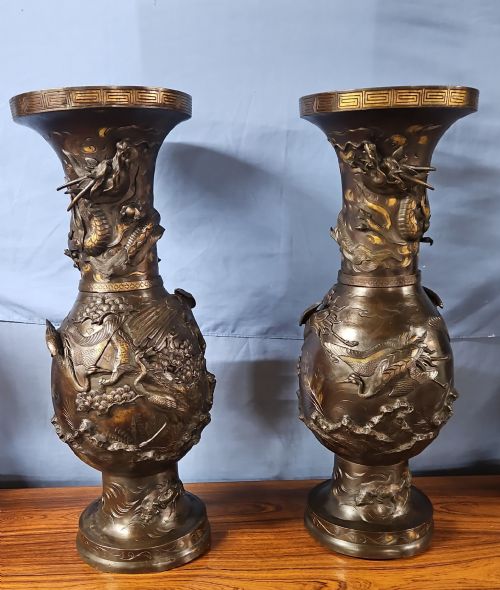
These high relief bronze urn pieces are substantial cast vessels bearing deeply chased ornamentation, sought after for their striking sculptural presence.
High Relief Bronze Urn
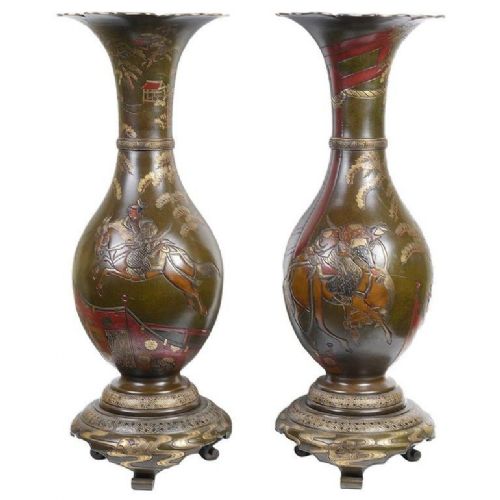
When you search for high relief bronze urn items, you encounter heavy cast vessels originating primarily from the Meiji period and the Qing dynasty. These works span the nineteenth century and the early twentieth century, taking the form of large baluster vases, jardinieres, and amphora shapes.
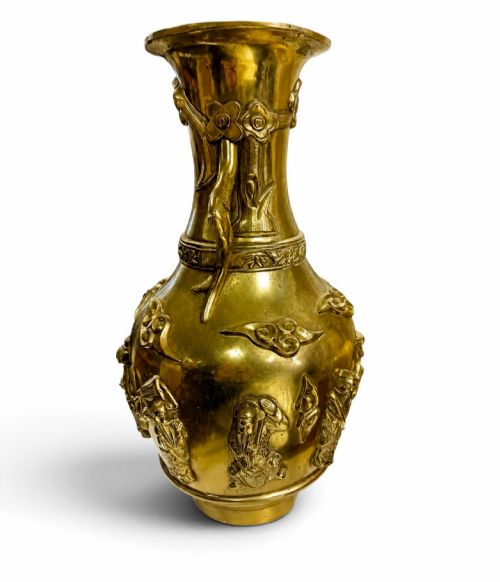
The objects commonly feature raised decoration depicting floral motifs, birds, and figures such as Daoist immortals. You will find them offered both as individual statement items and as matched pairs.
How they were made
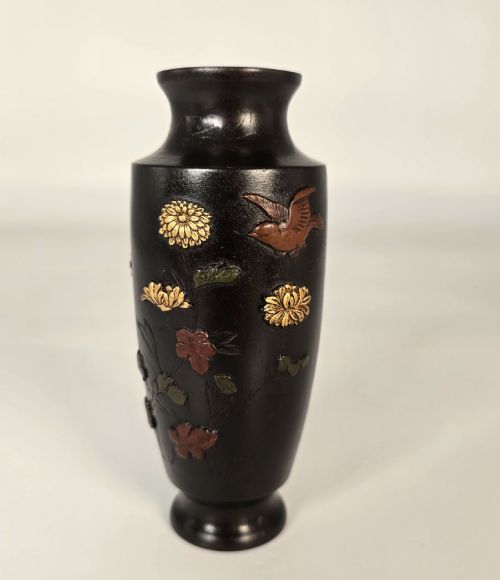
The makers utilised casting techniques in bronze, copper alloy, and brass to form the primary vessel body. Metalwork involved adding surface decoration through mixed metal applications, gold inlay, and enamel.
Artisans built up the motifs in high relief using chasing and repoussé methods before applying patinated bronze finishes to create tonal depth across the surface.
Materials across this selection include patinated bronze, copper alloy, and brass, frequently enhanced with gold inlay and enamel.
What varies in quality
Quality rests upon the crispness of the casting and the depth of the relief work. Finer examples display meticulous detailing in the raised birds, flowers, and figures, alongside deliberate patination that enhances the sculptural form.
Substantial weight, balanced proportions, and integrated maker signatures or base marks distinguish the superior production from standard decorative wares.
Genryusai Seiya
The High Relief Bronze Urn Glossary
- High relief
- Sculptural decoration that projects significantly from the background plane. This technique creates strong shadow and three-dimensional presence on the vessel surface.
- Baluster
- A vase form characterised by a bulbous lower body that tapers towards a narrow neck and flared rim. It provides a stable base for expansive figural scenes.
- Patinated bronze
- Metal treated with chemical solutions to produce a controlled surface colour and aged appearance. This finish protects the metal while accentuating fine details.
- Mixed metal
- The decorative integration of contrasting metals such as gold, silver, and copper into the bronze body. Artisans use this method to highlight specific elements of the design.
High Relief Bronze Urn: Frequently Asked Questions
What periods do these pieces date from?
The pieces originate primarily from the nineteenth century and the early twentieth century, spanning the Meiji period and the Qing dynasty. Many carry stylistic influences of Victorian taste alongside traditional Asian craftsmanship.
Dates cluster around the transition into the twentieth century, reflecting a peak period for export metalwork and decorative casting.
How were these vessels used originally?
They served as decorative display objects in grand interiors, often acting as centrepieces on mantelpieces or within reception rooms. Larger versions functioned as jardinieres and planters for substantial foliage.
Their robust construction and water-resistant metal bodies made them practical for holding floral arrangements and decorative bouquets.
How do I care for a bronze vessel?
Dust the surface regularly with a soft, dry cloth to prevent the accumulation of grit within the deep relief crevices. Avoid using commercial metal polishes, which can strip the historic patination and damage the mixed metal inlays.
Keep the piece away from direct heat sources and high moisture environments to preserve the stable condition of the metal and any applied enamel.
Are these objects signed by makers?
Certain pieces feature artist signatures, foundry marks, or reign stamps integrated into the casting on the base. These markings provide clues regarding the workshop origin and the production period.
Unsigned examples remain common, as many high quality export pieces relied on aesthetic merit rather than individual signatures to demonstrate their craftsmanship.