




Cast Bronze Decorative Pot
A cast bronze decorative pot brings tactile weight and dark metal patination to a room, drawing the eye instantly to its sculptural form.
Cast Bronze Decorative Pot
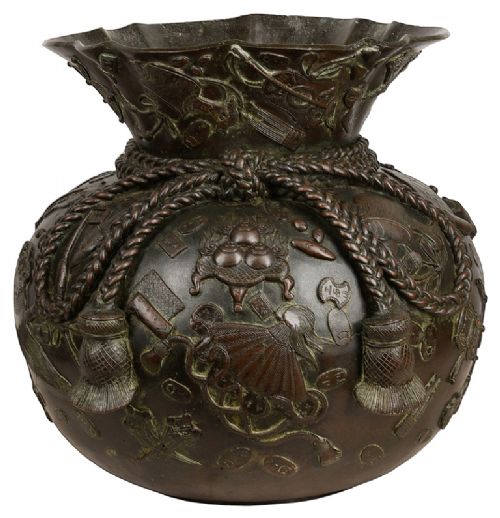
A cast bronze decorative pot encompasses heavy metal vessels made for display and planting, ranging from Japanese jardinieres to African ceremonial containers. When you search for cast bronze decorative pot, you encounter pieces designed to hold flowers or stand alone as sculptural objects.
The selections span distinct cultural origins and eras, including Meiji and Edo period Japanese works, Qing dynasty Chinese planters, and Benin kingdom tribal containers. Victorian examples also appear frequently, often reflecting the period's eclectic taste for imported ornamental metalwork.
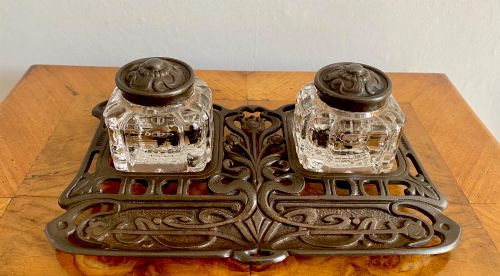
Forms vary from large jardinieres and planter bowls to bouquet pots and ceremonial containers. These vessels serve primarily as decorative focal points in interiors, whether placed on stands with ink bottles or displayed independently.
How they were made
Makers utilised casting techniques to shape molten metal into thick-walled vessels with robust structural integrity. Bronze serves as the primary material across these pieces, supplemented by occasional cast metal and brass elements.
Surface finishing involves patination and detailed relief work characteristic of Japanese, Chinese, and African workshops. Artisans shaped handles, rims, and body contours while working the metal directly in the foundry.
Cast Bronze Decorative Pot Retail Price Guide 2026
Typical asking prices for cast bronze decorative pot among the pieces listed under this phrase on Sellingantiques today, from the lower quarter to the upper quarter. They describe what is for sale here now, not the wider market.
Listings feature bronze and cast metal across Victorian, Edo, Meiji, and Qing periods.
What varies in quality
Quality rests in the crispness of the cast relief and the depth of the metal patination. Superior examples display confident sculptural modeling and deliberate attention to surface detail rather than flat, uniform finishes.
The weight of the cast and the integrity of the vessel walls distinguish finer pieces. Stronger objects maintain structural balance alongside intricate decorative motifs that reflect the specific cultural tradition of their origin.
The Cast Bronze Decorative Pot Glossary
- Jardiniere
- An ornamental pot or stand designed to hold growing plants or cut flowers. These vessels usually feature a wide bowl and heavy metal construction.
- Patina
- The surface coloration and sheen developed naturally over time or applied chemically to bronze. It enhances the visual depth of the metal.
- Meiji Period
- A Japanese era lasting from 1868 to 1912 noted for detailed metalwork and international trade. Pieces from this time often show refined casting.
- Edo Period
- A historical epoch in Japan preceding the Meiji era, spanning from 1603 to 1868. Objects from this period demonstrate traditional craftsmanship.
- Benin Kingdom
- A historical African realm renowned for sophisticated metal casting traditions. Its ceremonial containers and pots exhibit distinctive tribal motifs.
Cast Bronze Decorative Pot: Frequently Asked Questions
Where should I place a cast bronze decorative pot?
These heavy metal vessels suit prominent display areas such as tabletops, mantelpieces, or dedicated stands where their weight and form can be appreciated.
Because many function as jardinieres or planters, they also accommodate dried arrangements or potted greenery within interior spaces.
How do I identify a Japanese bronze jardiniere?
Japanese examples from the Edo or Meiji periods often feature specific aesthetic signatures such as floral relief motifs and refined bronze patination.
Examining the casting style and decorative themes helps connect the vessel to its Eastern manufacturing origin.
What is the difference between a vase and a jardiniere?
A vase generally possesses a taller, narrower profile designed to support upright stems or bouquet arrangements.
A jardiniere is typically a broader, bowl-shaped pot meant to hold potted plants or larger floral displays.
How do I care for antique bronze pots?
Maintain the surface by dusting gently with a soft cloth to protect the underlying metal patination. Avoid harsh chemical cleaners that can strip away the historical finish.
Keep the metal away from excessive moisture if using the pot for live plants with drainage concerns.