




High Back Stick Chair
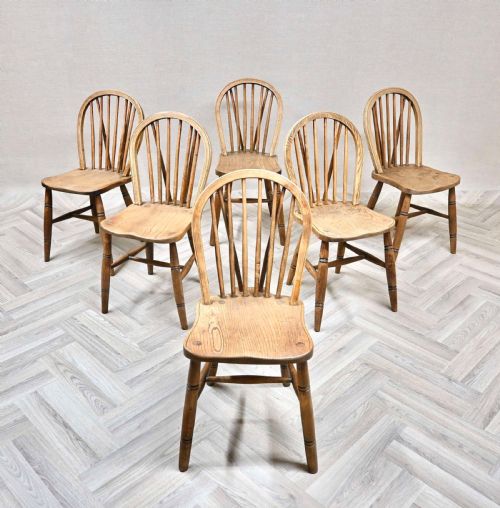
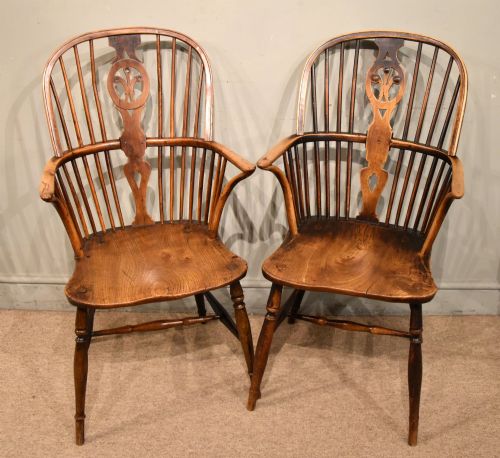
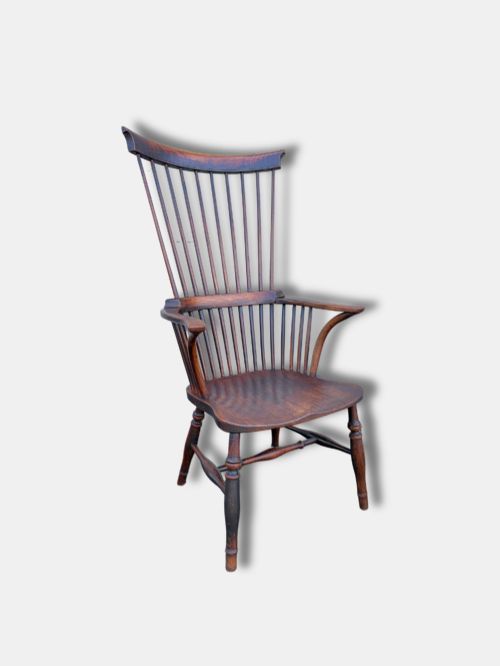
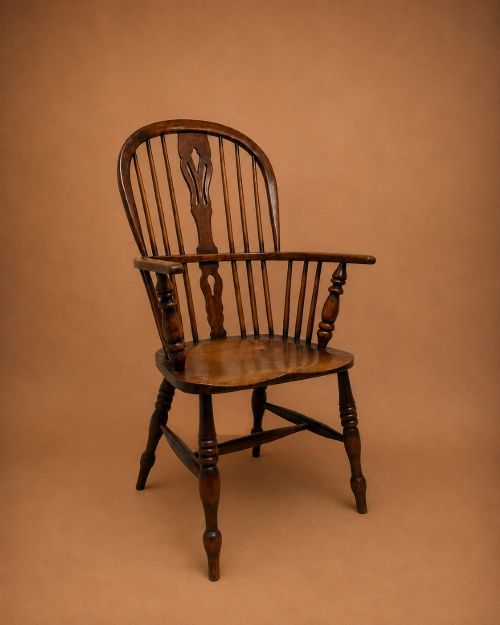
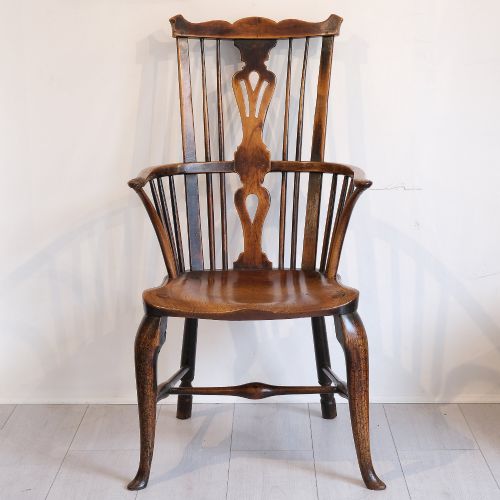
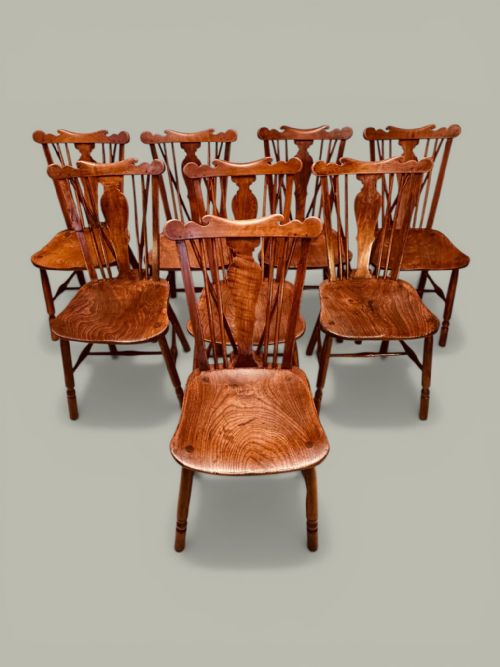
A high back stick chair provides robust country seating, combining traditional vernacular construction with tall, supportive spindles.
High Back Stick Chair
When searching for a high back stick chair, buyers encounter traditional vernacular seating originating from various British regional traditions. These pieces include tall comb-backs, lath-backs, and Windsor-style armchairs designed for domestic utility and comfort. Examples span from the Georgian era through the Victorian period, reflecting long-standing rural woodworking traditions.
The pieces listed on this page most frequently appear as farmhouse armchairs and kitchen chairs constructed with elm seats and ash or yew spindles. Child's chairs and high chairs also feature occasionally, demonstrating the wide scope of domestic forms produced in regional workshops.
How they were made
Construction relies heavily on native timbers such as elm for solid, stable seats, paired with flexible ash, beech, or yew for steam-bent frames and slender spindles. Craftsmen shaped solid wood seats using adzes and scorps to create comfortable, sculpted depressions before boring holes for legs and backsticks.
Makers utilised traditional joinery techniques, wedging tenons through the seat plank to lock vertical components securely in place without metal fasteners. Surface finishes ranged from natural waxed timber to simulated rosewood graining, depending on the regional workshop and period preference.
Listings feature regional variations spanning English, Scottish, and Welsh vernacular styles from the 18th and 19th centuries.
What varies in quality
Quality in these chairs rests upon the balance of timber selection, particularly the choice of figured yew or well-matched elm and ash. Superior examples display carefully tapered spindles and finely turned arm supports that show deliberate proportion rather than hurried production.
The integrity of the original wedged joints and the retention of clean lines across the comb or lath crest dictate the standing of a piece. Chairs retaining their original surface patination and uncompromised seat thickness stand distinctly apart from those altered by extensive restoration.
Gabbitass of Worksop·Darvil
The High Back Stick Chair Glossary
- Comb-back
- A chair back featuring vertical spindles rising to a horizontal headpiece resembling the teeth of a comb. This design offers heightened vertical support for the sitter's head and shoulders.
- Stickback
- A chair design where turned or cleft wooden rods form the backrest rather than solid splints. These sticks connect the seat directly to the top rail.
- Vernacular
- Objects built by regional craftsmen following local traditions rather than strict academic pattern books. Such pieces prioritise utility, local materials, and functional design.
- Windsor
- A chair type characterised by a solid wooden seat into which the legs and back spindles are independently inserted. Regional variations include high backs, bow-backs, and comb-backs.
- Scorp
- A traditional drawknife with a curved blade used by chairmakers to hollow out wooden seats. This tool enables the creation of an ergonomic, concave surface.
High Back Stick Chair: Frequently Asked Questions
What is a high back stick chair?
A high back stick chair is a traditional wooden seat featuring a tall backrest constructed from vertical spindles. These chairs typically combine a solid sculpted seat with steam-bent or turned components.
Originating largely in rural workshops, they served everyday functions in farmhouses, kitchens, and vernacular settings across Britain.
How do I date an antique stick chair?
Dating relies on examining timber species, tool marks, construction methods, and regional style variations. Georgian and 18th-century examples often display distinct hand-turned details and deep patination.
Later Victorian versions frequently incorporate standardised turnings and alternative timbers like beech alongside traditional elm and ash.
Were these chairs used outdoors?
These pieces were designed primarily for domestic interior use, particularly around farmhouse hearths and kitchen tables. Their robust construction suited heavy daily use within rural households.
Exposing them to damp or fluctuating outdoor conditions risks damaging the traditional dried timbers and loosening fitted joints.
How should I care for timber chairs?
Maintain the wood by applying occasional light coats of natural wax to preserve the surface patination and prevent drying. Avoid placing chairs near direct heat sources or in strong sunlight.
Regular dusting with a soft cloth keeps the finish clean without stripping the historic layers accumulated over centuries.