

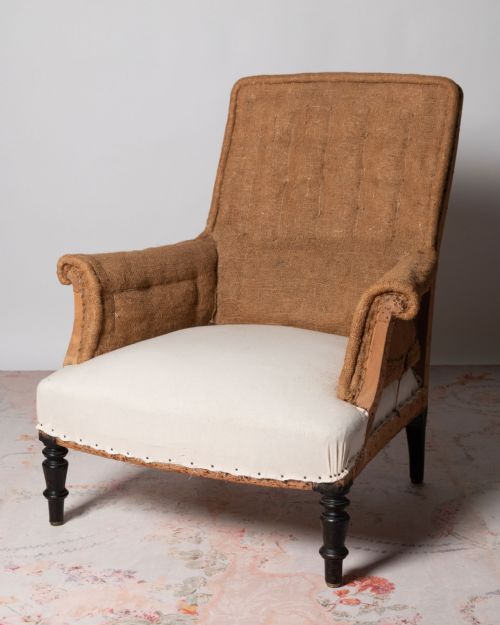
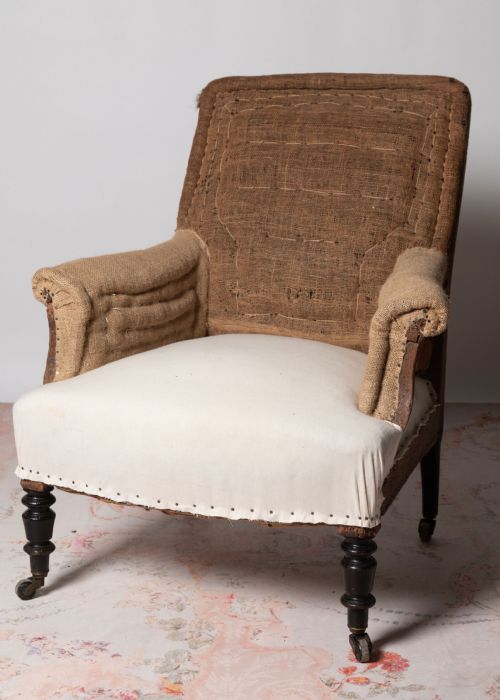
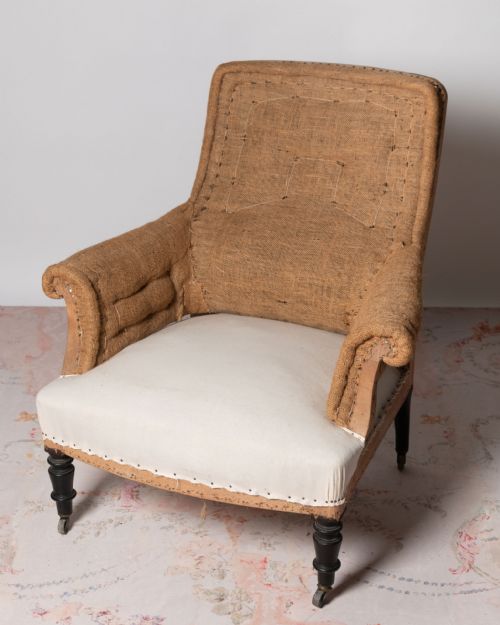
Hessian Upholstered Chair
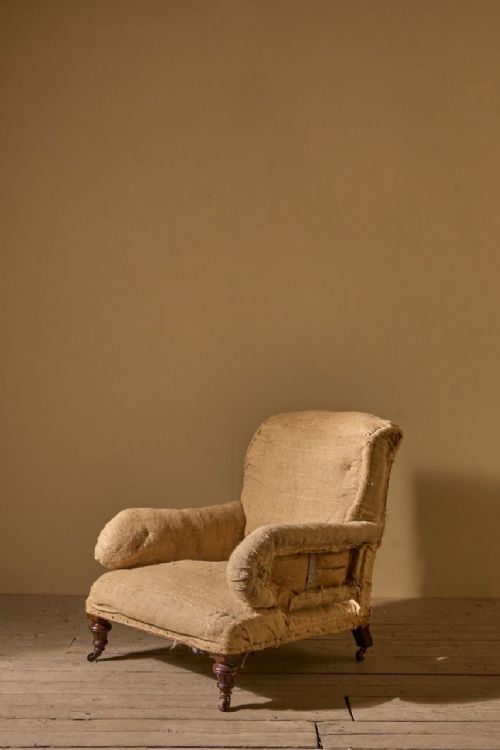
These pieces of hessian upholstered chair offer both robust comfort and historical character, spanning various centuries of seating design.
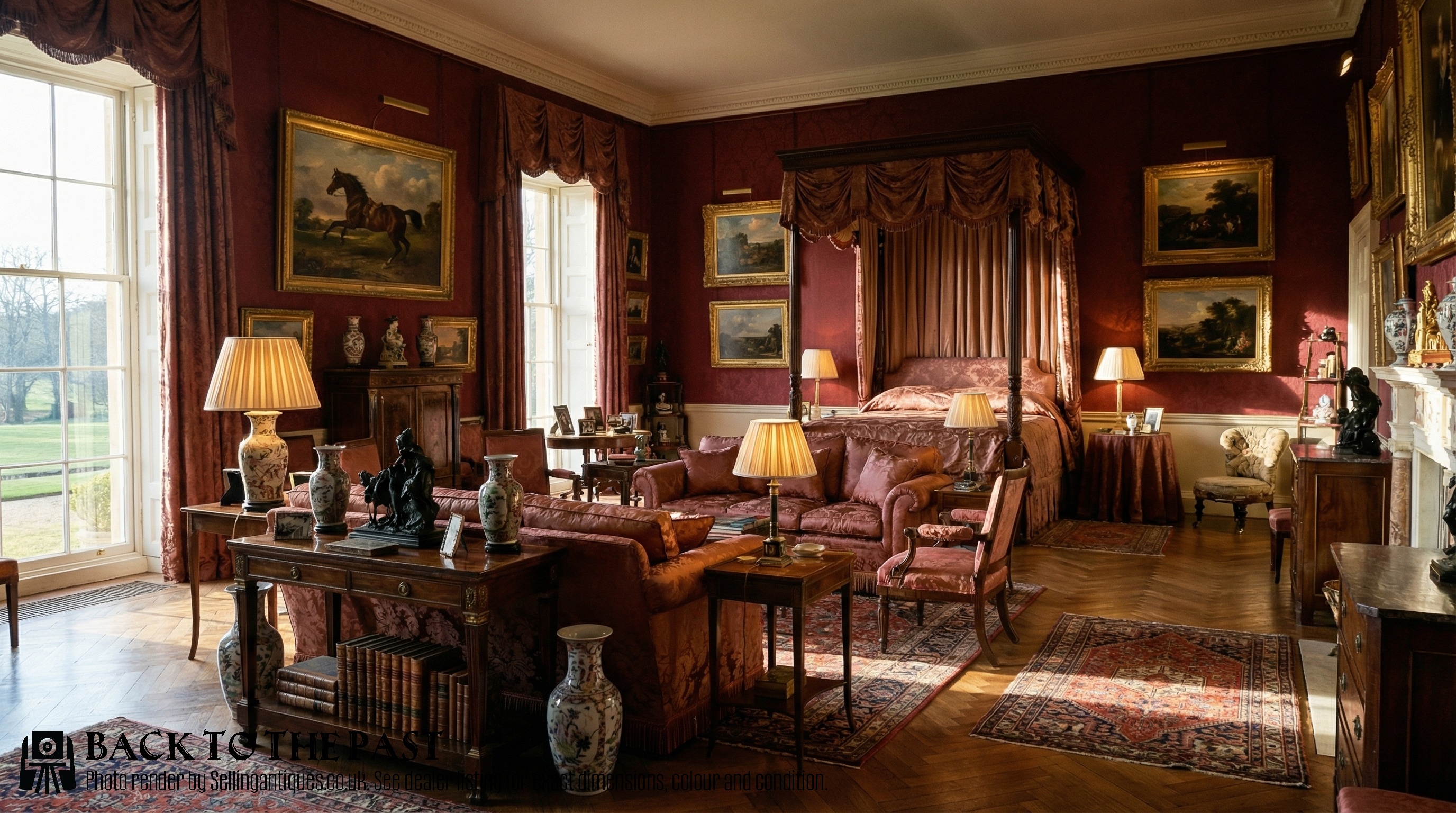
Hessian Upholstered Chair
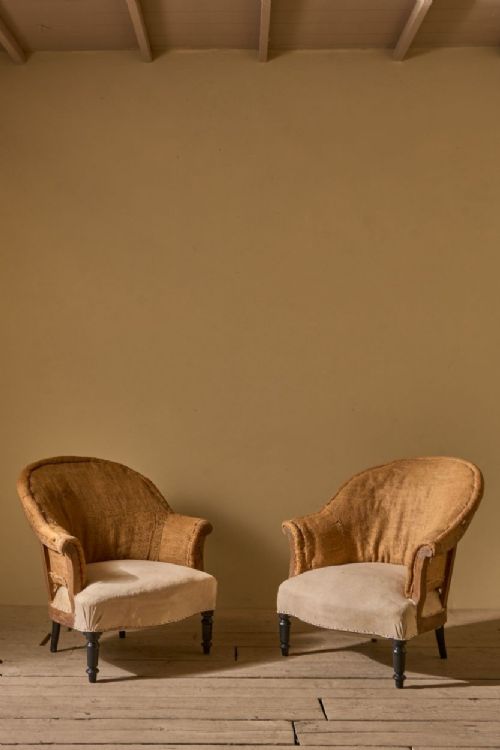
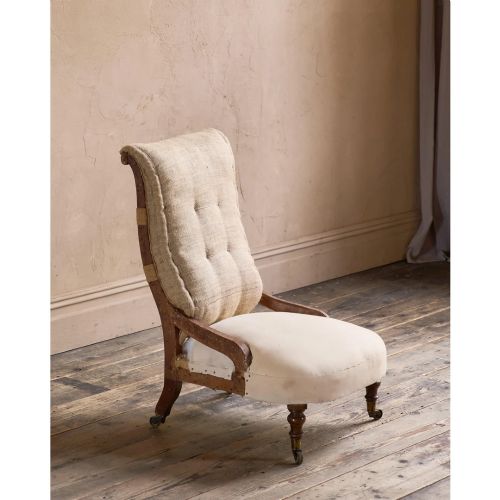
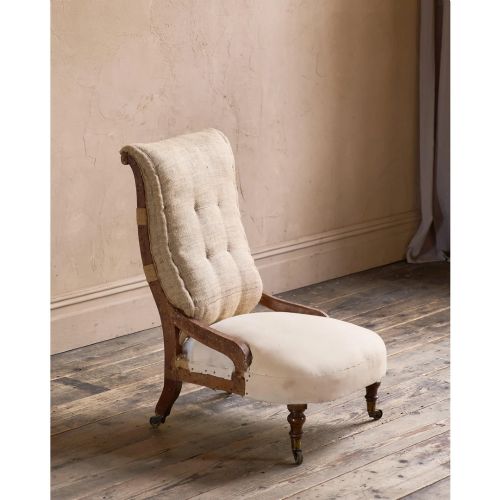
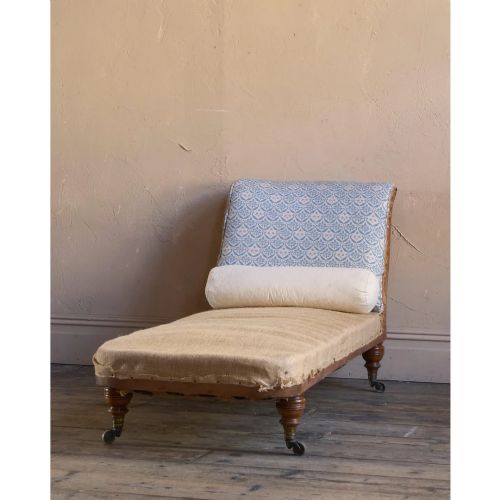
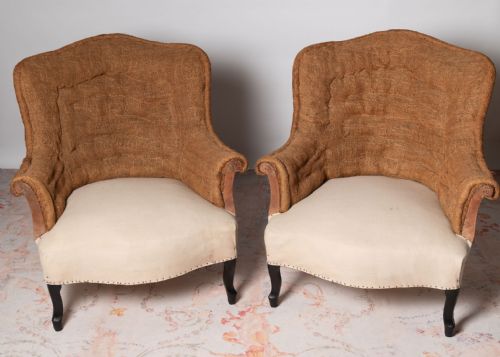
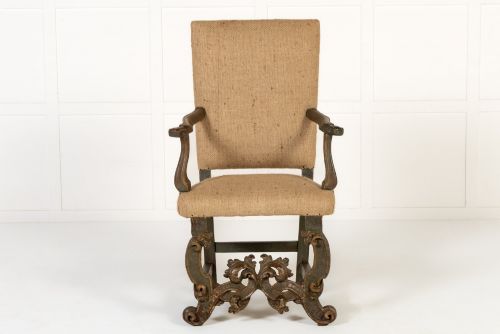
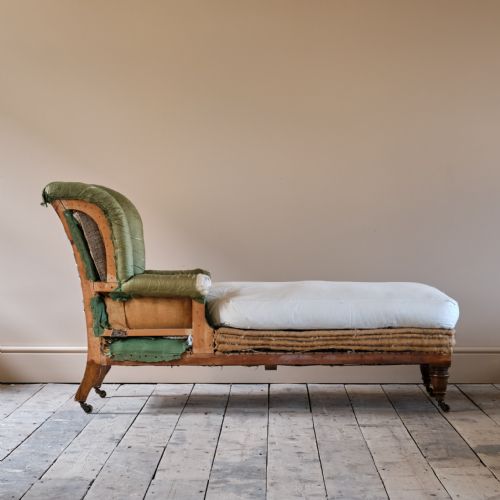
When you search for a hessian upholstered chair, you encounter a diverse array of seating forms ranging from nineteenth century armchairs and daybeds to slipper chairs and chaise longues. The selection includes specific regional influences such as English country pieces alongside French provincial and Italian designs.
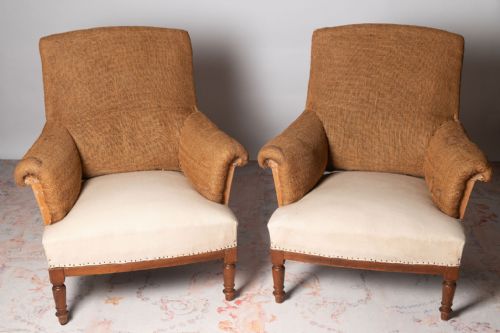
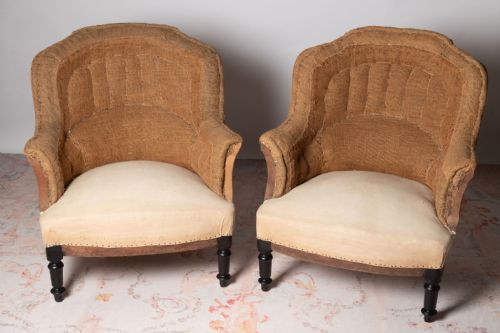
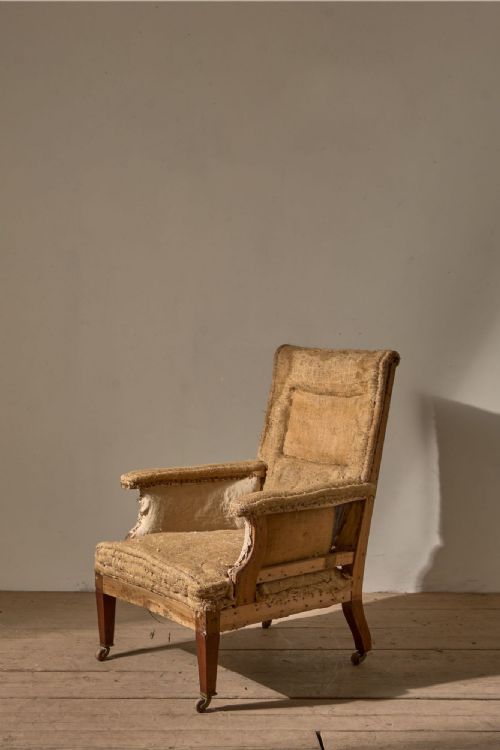
You are most likely to meet nineteenth century examples, including Victorian and Edwardian iterations, often built in armchair or tub chair formats. These items frequently display distinct stylistic lineages like the Howard style or Napoleon III aesthetics.
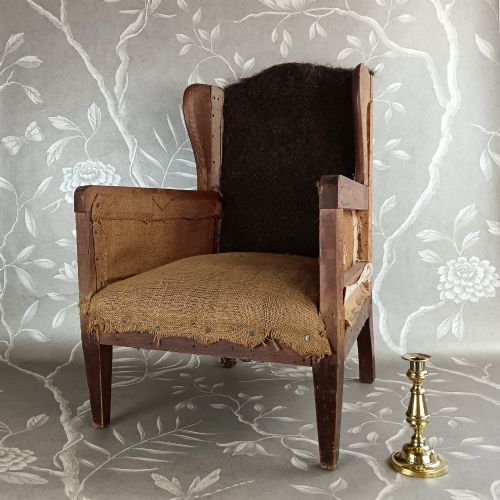
The assortment extends from child wingback armchairs to large scale silver gilt armchairs and salon chairs. Each piece presents a specific structural approach suited to its period and intended domestic use.
How they were made
The construction of these seats relies on sturdy timber frames fashioned from materials such as mahogany, walnut, and general wood or timber. Artisans utilised traditional joinery to build durable skeletons capable of supporting frequent use.
Upholstery techniques combined hessian as a foundational or primary covering fabric, frequently complemented by secondary textiles like cotton and calico. Metal elements such as brass components often appear in studs, castors, or structural fixings.
Hessian Upholstered Chair Retail Price Guide 2026
Typical asking prices for hessian upholstered chair among the pieces listed under this phrase on Sellingantiques today, from the lower quarter to the upper quarter. They describe what is for sale here now, not the wider market.
Among the seating options, a specialised cock fighting chair sits alongside child wingbacks and grand silver gilt armchairs.
What varies in quality
The distinction between tiers of these chairs rests upon the integrity of the underlying timber frame and the precision of the initial joinery. Pieces featuring dense hardwoods like mahogany and walnut generally demonstrate superior structural longevity compared to simpler timber builds.
Refinement in carving, the subtlety of stylistic execution such as French scroll backs or silver gilt detailing, and the historical provenance indicated by maker attributions elevate certain examples. The retention of original painted surfaces or foundational hessian state also marks the relative distinction of individual pieces.
SF CULLEN·Howard and Sons·Robert Strahan, Dublin·Sopwith
The Hessian Upholstered Chair Glossary
- Hessian
- A coarse woven fabric typically made from jute or hemp fibres, used traditionally as a durable foundation or covering in upholstery. It provides a sturdy and textured exterior on period seating.
- Fauteuil
- An open-armed upholstered armchair originating in France, typically featuring an exposed wooden frame. These chairs combine decorative carving with comfortable seated proportions.
- Tub Chair
- A deep, rounded armchair where the back and arms form a continuous, curved enclosure. They offer a compact and enveloping form of seating.
- Slipper Chair
- A low-seated upholstered chair originally designed for bedrooms to assist with dressing. Their low profile is a defining characteristic across Victorian and Edwardian examples.
Hessian Upholstered Chair: Frequently Asked Questions
What is a hessian upholstered chair?
A hessian upholstered chair is a historic seat utilising coarse woven jute or hemp fabric either as its primary visible covering or as foundational upholstery. These pieces range from Victorian armchairs to French provincial designs.
Such chairs highlight the structural textiles of past centuries, combining utilitarian fabrics with traditional woodwork spanning mahogany, walnut, and general timber frames.
How were these chairs used historically?
These seating forms served varied domestic functions depending on their specific shape, from library armchairs and salon seating to bedroom slipper chairs and daybeds. They provided comfortable resting places in period parlours and drawing rooms.
Certain specialised forms like cock fighting chairs or child wingbacks fulfilled particular domestic routines, while larger chaise longues accommodated reclining leisure.
How do I live with a hessian chair?
Living with these chairs involves appreciating their textured, natural fabric and placing them within complementary interior spaces. They anchor both traditional English country rooms and eclectic modern settings.
Care should be taken to protect the exposed timber and the woven textile from excessive direct sunlight and moisture to preserve their historical integrity.
How do I tell periods apart?
Differentiating periods relies on observing stylistic markers such as the ornate gilt work of eighteenth century Italian pieces compared to the restrained lines of Edwardian salon chairs. Nineteenth century examples often display Victorian proportions or Napoleon III scroll backs.
Examining the underlying frame materials, such as walnut versus general timber, alongside associated upholstery methods helps place a piece within its historical era.