


Antique Deconstructed Chair
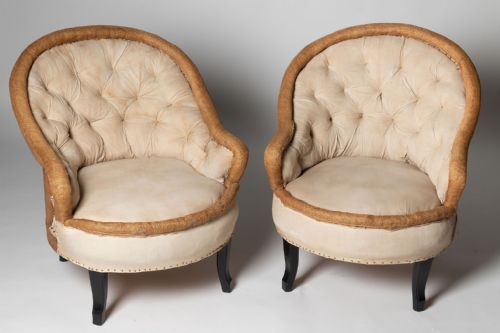
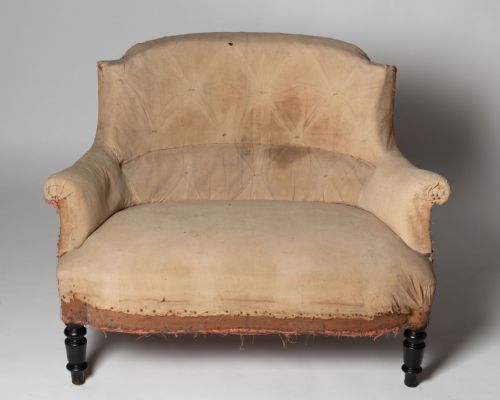
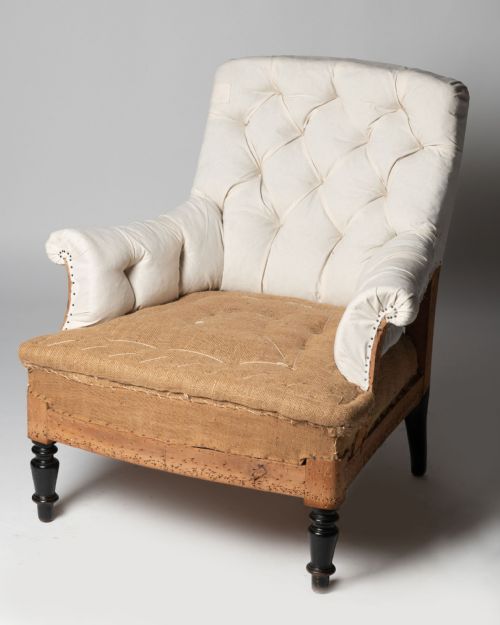
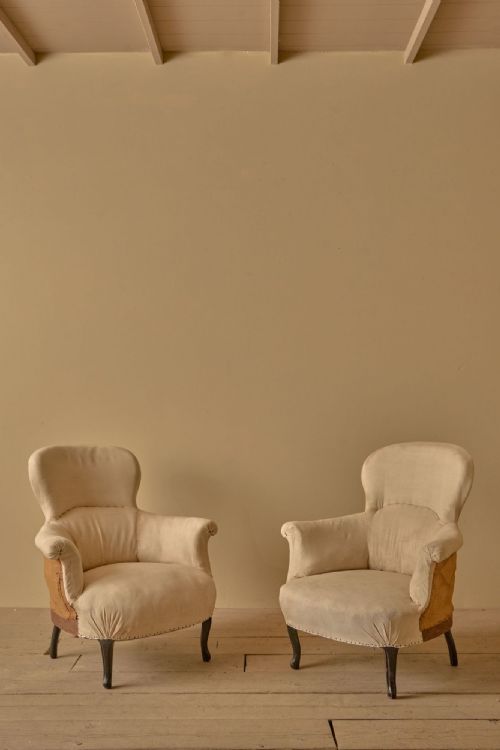
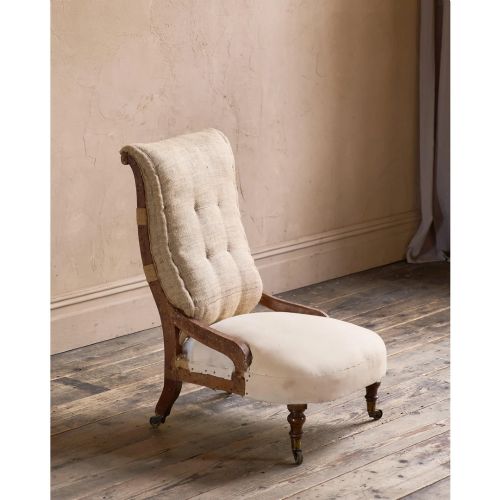
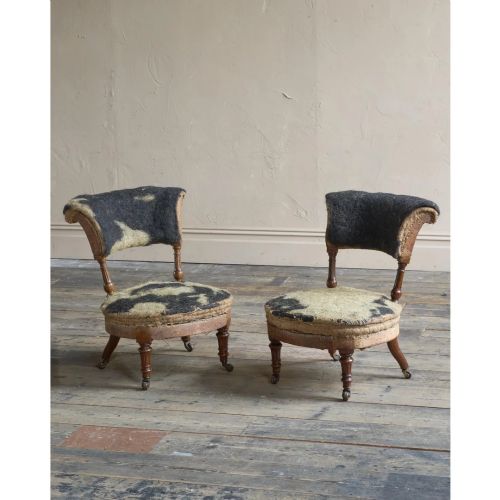
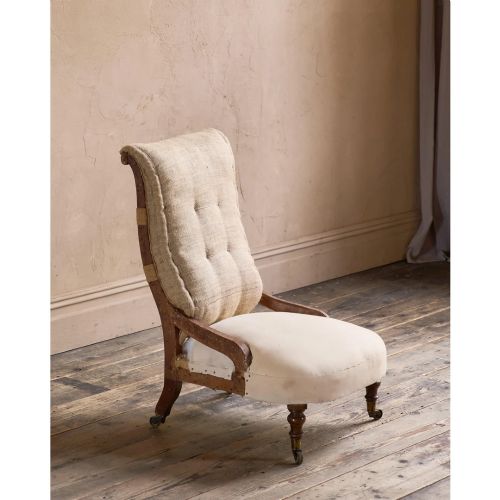
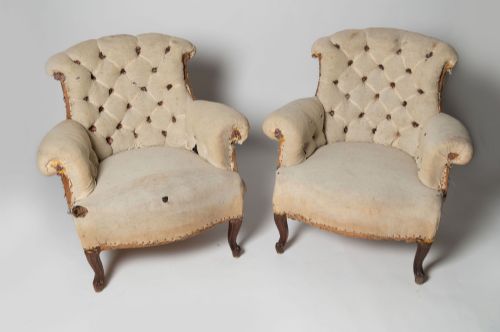
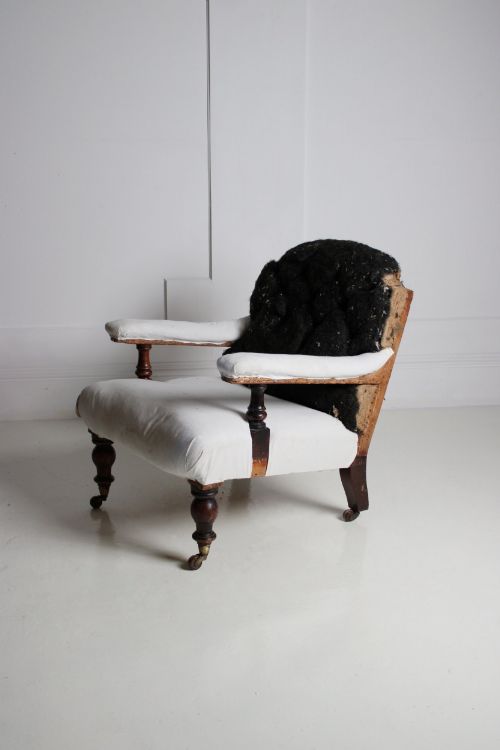
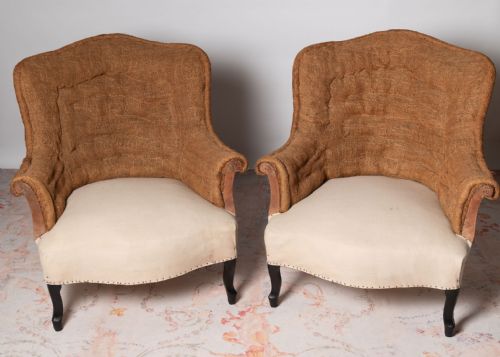
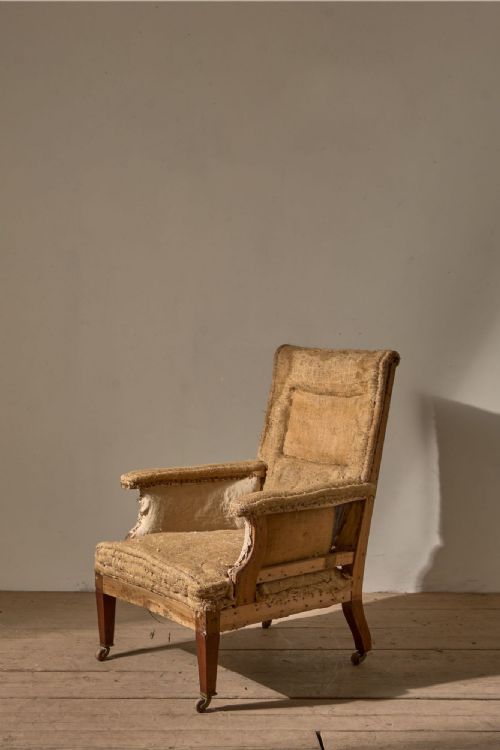
An antique deconstructed chair strips away the layers of fabric to show the raw frame and hessian underneath.
Antique Deconstructed Chair
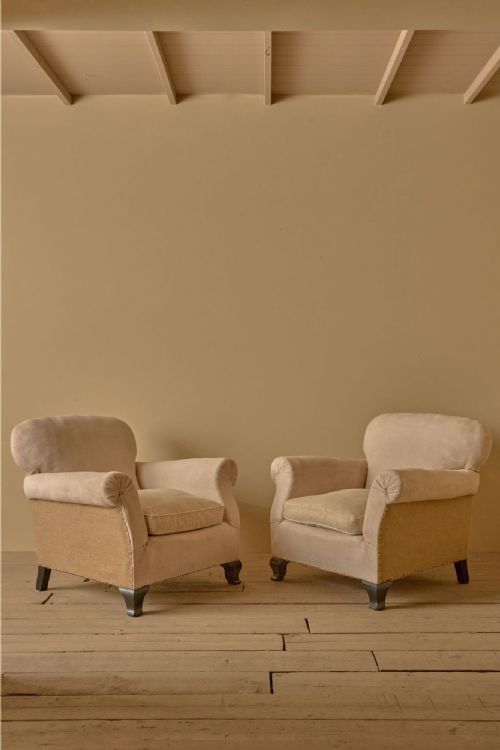
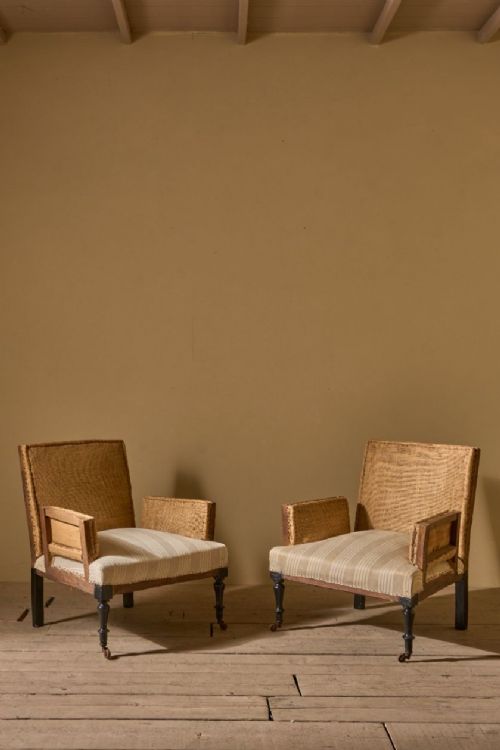
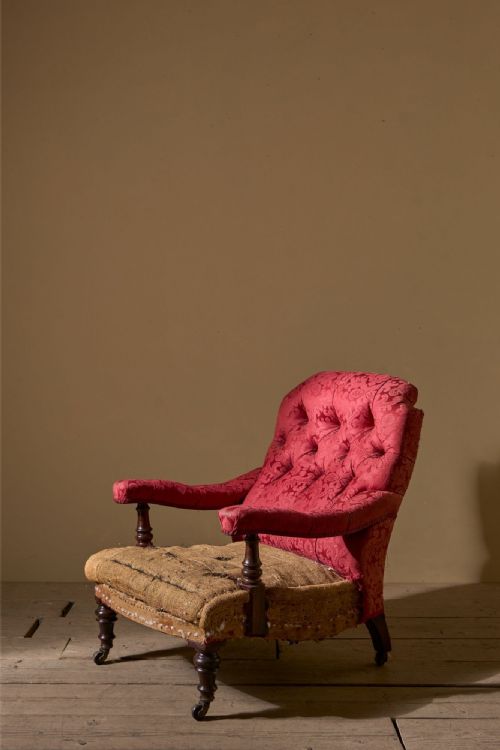
When you search for an antique deconstructed chair, you find seating that exposes the internal construction, webbing and stuffing rather than hiding them beneath pristine upholstery. These pieces range from Victorian country house armchairs and nursing chairs to French club chairs and Napoleon III salon seating.
The most common examples on this page date from the nineteenth century, including various French and English styles with exposed timber frames. Makers often stripped these items down during restoration or left them in an unfinished skeletal state to highlight the underlying carpentry.
How they were made
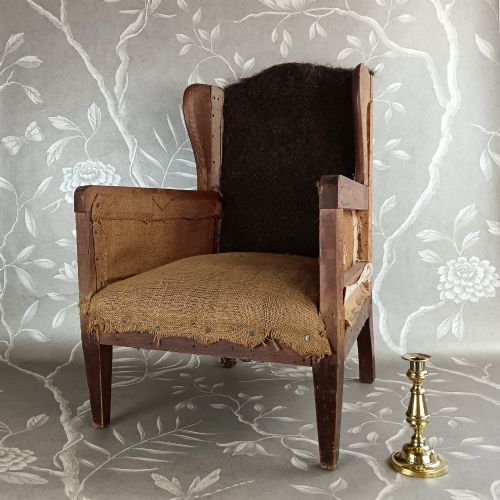
Makers constructed the foundational frames from solid timber such as mahogany, beech and rosewood, employing traditional joinery techniques to ensure lasting strength. These wooden structures then received internal support systems built with sturdy brass tacks, heavy hessian, calico and linen webbing.
Craftsmen built up the padding using traditional stuffing materials before securing the outer layers, which modern restoration or ageing has often reduced back to the raw hessian and calico lining. The resulting aesthetic celebrates the visible mechanics of upholstery rather than concealing them beneath decorative textiles.
Antique Deconstructed Chair Retail Price Guide 2026
Typical asking prices for deconstructed chair among the pieces listed under this phrase on Sellingantiques today, from the lower quarter to the upper quarter. They describe what is for sale here now, not the wider market.
Listings feature eighteenth-century through twentieth-century pieces, spanning Victorian, Edwardian, Regency, and French Napoleon III styles.
What varies in quality
The calibre of an antique deconstructed chair rests primarily upon the integrity of the original timber frame and the skill of its initial joinery. Pieces featuring finer hardwoods like rosewood or mahogany, or more complex forms such as detailed spoon backs and carved scroll arms, sit at the upper end of the range.
Another differentiator is the honesty and balance of the exposed upholstery layers, where neat rows of brass tacks and tightly stretched hessian reveal the underlying craftsmanship clearly. The distinction lies in how gracefully the stripped skeleton preserves the architectural proportions of the original Victorian or French design.
Howard and Sons·Maple and Co·Sopwith
The Antique Deconstructed Chair Glossary
- Hessian
- A coarse woven fabric typically made from jute fibres, used as the foundational backing and webbing support beneath upholstery stuffing.
- Calico
- A plain-woven cotton fabric employed as an inner lining layer to contain stuffing materials before the final outer covering is applied.
- Spoon back
- An upholstered chair back shaped in a concave oval resembling the bowl of a spoon, popular during the Victorian period.
- Wingback
- An armchair with side panels or wings attached to the back, designed to shield the occupant from drafts.
- Slipper chair
- A low-seated upholstered chair originally designed for bedrooms to assist with putting on footwear.
Antique Deconstructed Chair: Frequently Asked Questions
What is an antique deconstructed chair?
An antique deconstructed chair is a seating piece that has had its outer upholstery removed to expose the hessian, calico, webbing and wooden frame beneath.
These items showcase the raw carpentry and internal materials of nineteenth-century French and English furniture rather than hiding them under finished fabric.
How do I style a deconstructed chair?
You can place these chairs in living rooms, studies or bedrooms where their exposed wooden frames and textured hessian create a striking contrast against modern interiors.
Their neutral fabric tones and raw structural lines allow them to complement both minimalist and traditional room schemes.
Are these chairs comfortable to sit in?
Many of these pieces retain their underlying supportive webbing and padding, though the extent of the cushioning depends on how far the upholstery was stripped back.
Some models feature deep seats and sprung backs designed for relaxation, while others serve primarily as decorative accent seating.
How do I identify a Victorian armchair?
Victorian armchairs often feature dense timber frames made of mahogany, rosewood or beech, along with characteristic forms like spoon backs, scroll backs or tub shapes.
They frequently display nineteenth-century joinery methods and proportions typical of English country houses and French salon furniture.