


French Lounge Chair
A french lounge chair offers deep seating and continental style, spanning periods from the eighteenth century to the art deco era.
French Lounge Chair
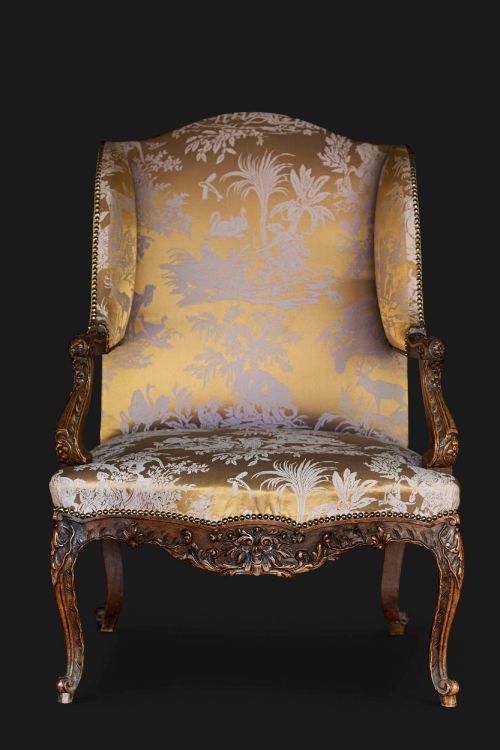
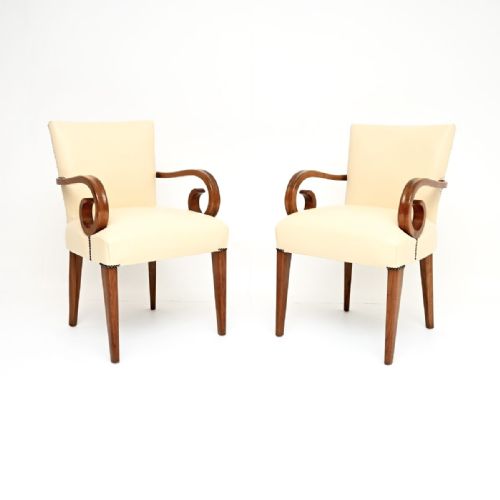
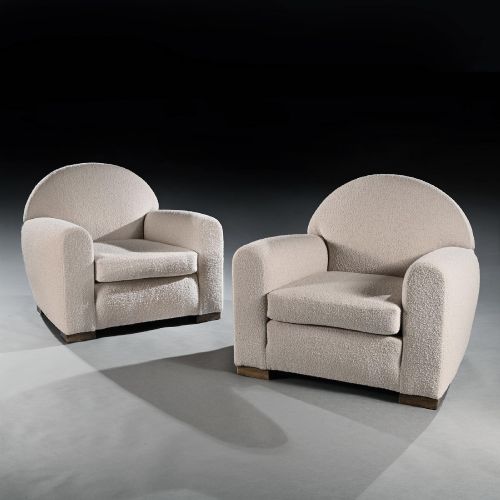
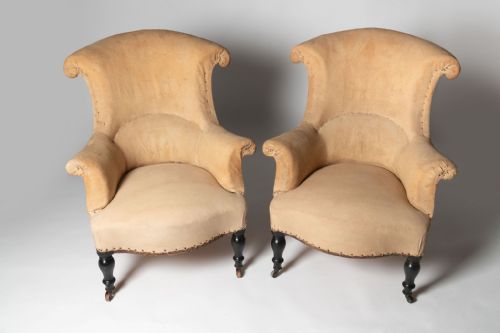
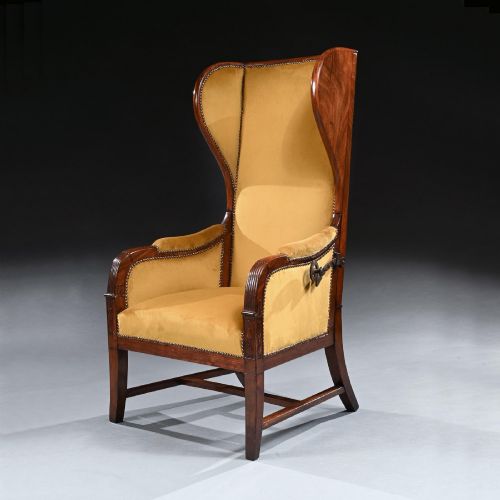
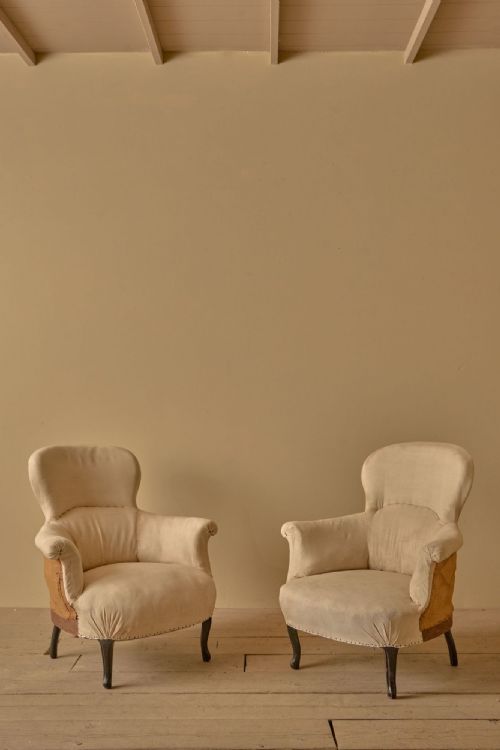
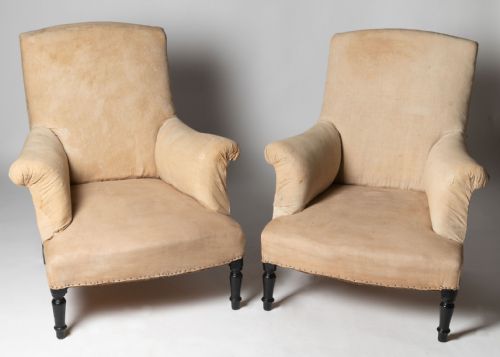
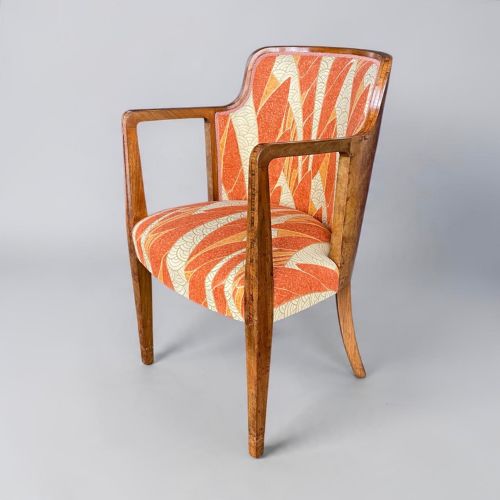
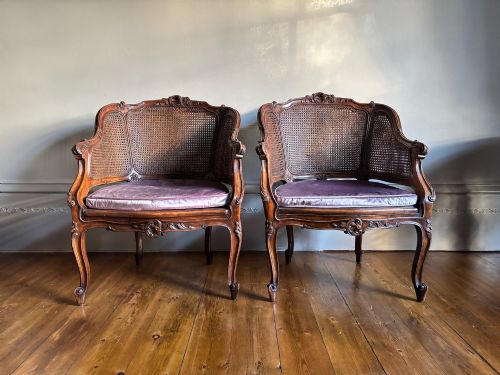
A french lounge chair encompasses a broad group of low, comfortable seating forms designed for relaxation, including armchairs, club chairs, bergères and daybeds. When searching this phrase, buyers encounter pieces ranging from nineteenth-century giltwood and walnut frames to twentieth-century leather club chairs and art deco designs.
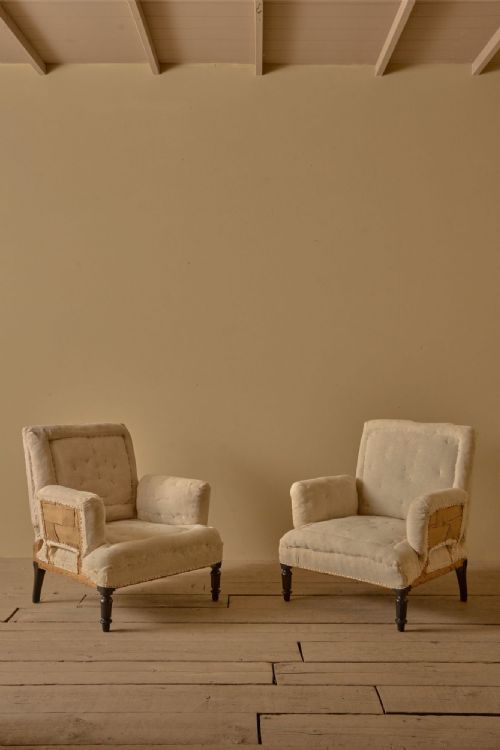
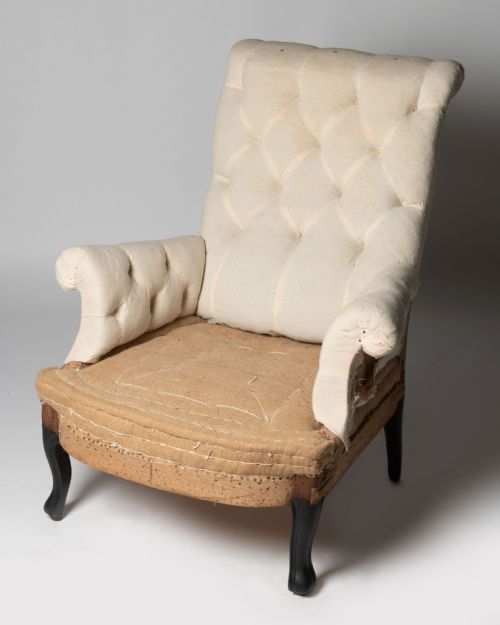
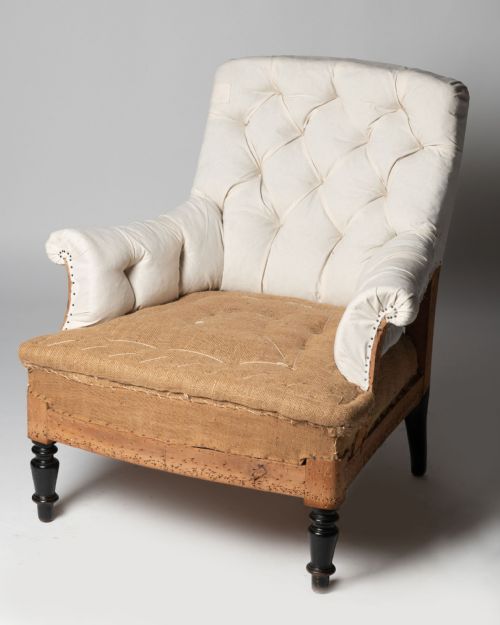
The selection on this page draws heavily on nineteenth-century craftsmanship, alongside Edwardian, Victorian and nineteen-thirties examples. Common configurations include buttoned silk upholstery, exposed timber frames in oak or beech, and reclining formats such as the duchesse brisée.
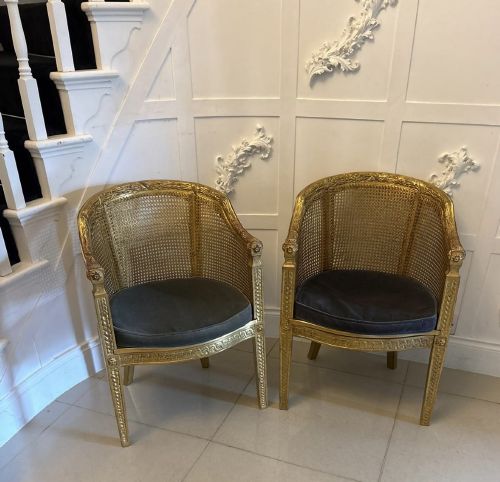
Origins span formal revival styles like Louis XV, Napoleon III and Renaissance Revival, alongside simpler country pieces. Many listings appear as pairs, particularly the heavy leather club chairs and giltwood armchairs favoured for drawing rooms and libraries.
How they were made
Frames rely primarily on traditional timbers such as walnut, oak, beech and mahogany, joined to support heavy daily use. Giltwood and painted finishes appear frequently on formal nineteenth-century salon pieces.
Upholstery techniques employ traditional stuffing beneath fabrics including velvet, calico, tapestry, silk and leather. Brass mounts, cast iron and split cane provide structural and decorative detail across different periods.
French Lounge Chair Retail Price Guide 2026
Typical asking prices for french lounge chair among the pieces listed under this phrase on Sellingantiques today, from the lower quarter to the upper quarter. They describe what is for sale here now, not the wider market.
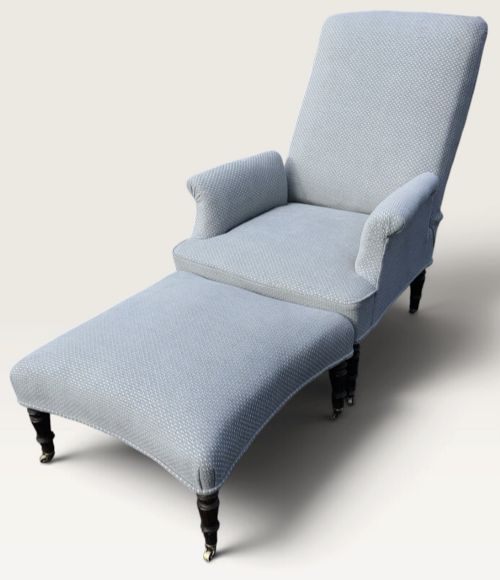
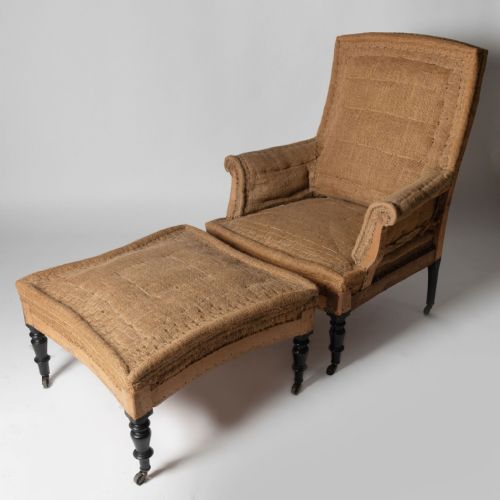
Several armchairs come accompanied by matching stools, proving that nineteenth-century relaxation required precise foot elevation.
What varies in quality
The distinction between ordinary and exceptional seating lies in the carving of the wooden framework and the integrity of the original materials. Finer examples display crisply moulded giltwood, well-figured walnut and deeply carved ornamentation rather than flat or machine-tooled surfaces.
Proportion and comfort define the upper tier of these chairs, where generous padding, supportive spring or webbing foundations and balanced silhouettes remain intact. The quality of the leather or silk upholstery also dictates the standing of a piece.
Jacob Desmalter
The French Lounge Chair Glossary
- Bergère
- An enclosed upholstered armchair with wooden sides and a built-in upholstered seat. The wooden frame is often exposed and carved.
- Duchesse brisée
- A chaise longue split into two or three parts, typically an armchair accompanied by one or two footstools to form a long reclining seat.
- Fauteuil
- An open-armed upholstered armchair with an exposed wooden frame, originating in seventeenth-century France.
- Giltwood
- Timber treated with gold leaf or gold paint applied to the surface. It is characteristic of ornate nineteenth-century salon furniture.
- Split cane
- Woven rattan material used for chair backs or seats. It offers flexibility and a light texture.
French Lounge Chair: Frequently Asked Questions
What is a duchesse brisée?
A duchesse brisée is a multi-part reclining chair arrangement consisting of an armchair and matching footstools.
This form allows the user to stretch out fully while maintaining the upholstered comfort of a traditional armchair.
How do I identify an art deco armchair?
Art deco armchairs from the nineteen-thirties feature streamlined shapes, smooth leather upholstery and polished timber or walnut frames.
They depart from ornate nineteenth-century revival styles in favour of geometric simplicity and heavy comfort.
Are these chairs suitable for daily use?
Many of these pieces were built for heavy domestic use, particularly leather club chairs and sturdy oak or walnut armchairs.
Buyers should consider whether the internal webbing and upholstery require restoration before heavy sitting.