


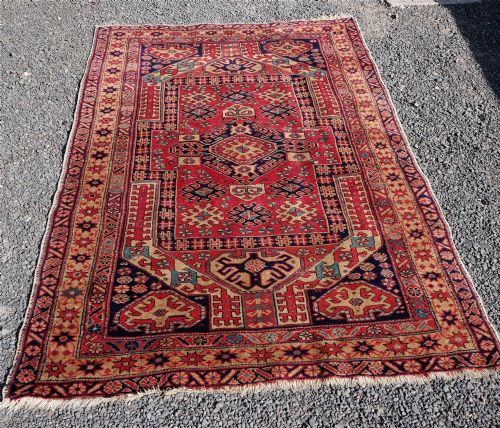
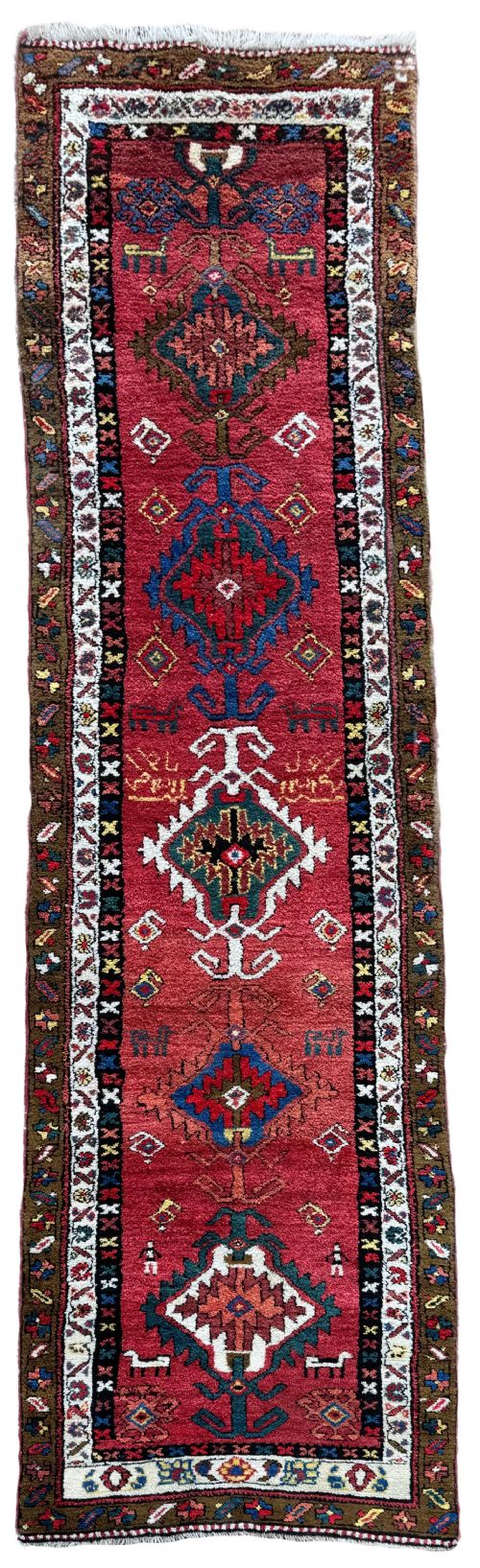
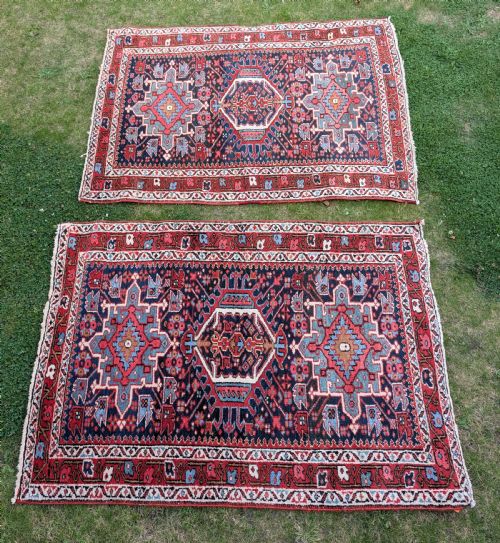
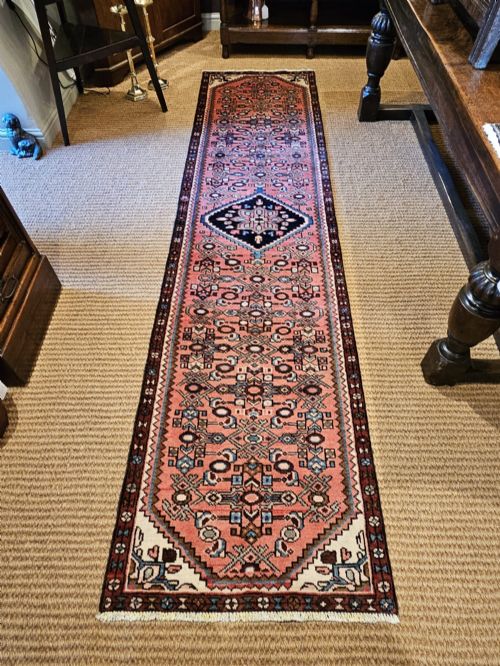


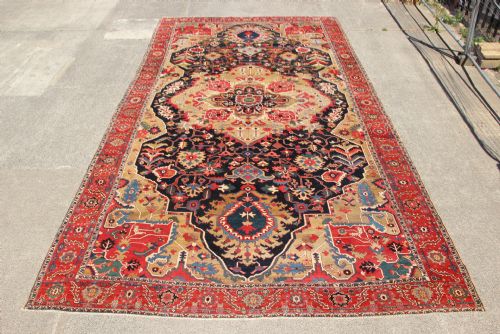
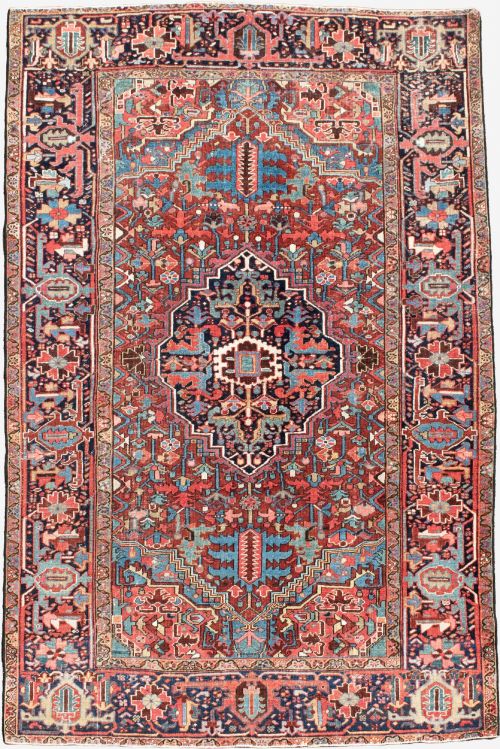
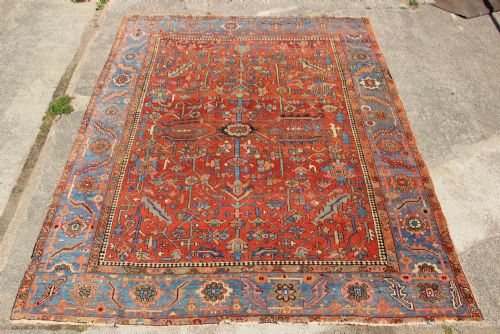
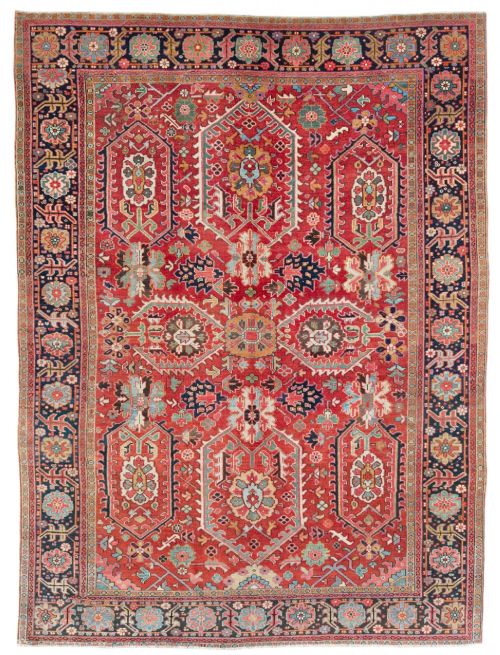
Heriz Wool Carpet
A heriz wool carpet brings structured Persian geometry and robust floor-covering utility to a room.
Heriz Wool Carpet
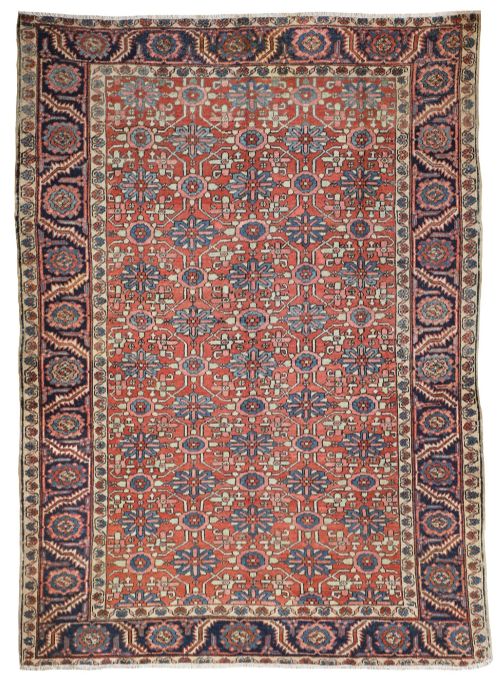
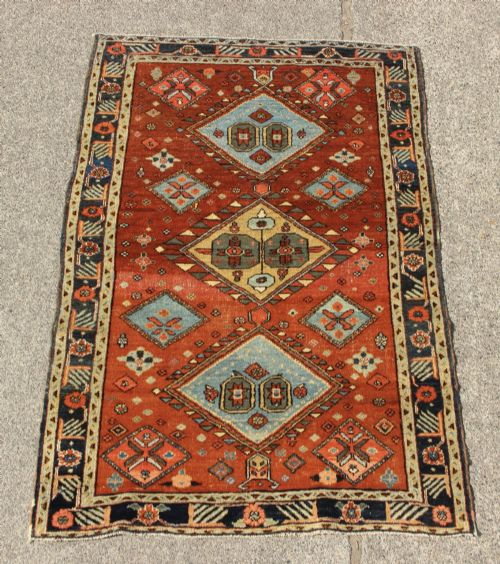
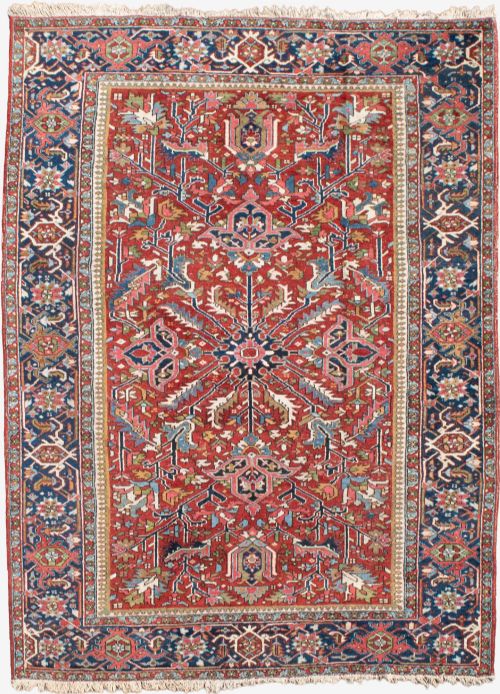
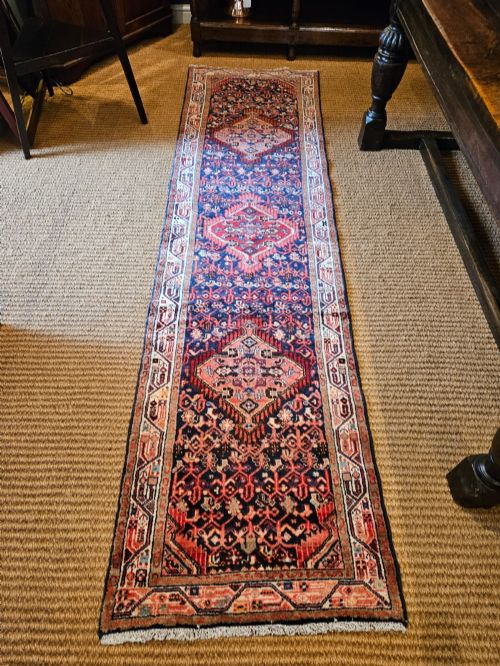
A heriz wool carpet represents a distinct tradition of Persian rug weaving known for bold medallion designs and geometric strength. When you search for a heriz wool carpet, you encounter room-size rugs and smaller area rugs dating from the late nineteenth century into the early decades of the twentieth century.
The pieces appearing on this page span several specific decades, including items from eighteen-eighty, nineteen-hundred, nineteen-ten, nineteen-twenty, and nineteen-thirty. These floor coverings range from compact formats measuring just over a metre wide to expansive room-size carpets exceeding three metres in length.
Most examples align with Persian Heriz and traditional Persian styles, reflecting the classic aesthetic of the region. Buyers frequently find both generous room-size formats and smaller rugs suitable for varied interior spaces.
How they were made
These carpets are constructed primarily from wool pile woven onto supportive cotton foundations. The combination of durable wool and sturdy cotton warp and weft threads allowed these heavy floor coverings to withstand decades of foot traffic.
Weavers utilised traditional hand-knotting techniques characteristic of Persian workshops. The resulting pile provides both warmth and structural resilience across the various formats seen in the collection.
Heriz Wool Carpet Retail Price Guide 2026
Typical asking prices for heriz wool carpet among the pieces listed under this phrase on Sellingantiques today, from the lower quarter to the upper quarter. They describe what is for sale here now, not the wider market.
Object types catalogued here include area rugs, standard rugs, and large room-size carpets.
What varies in quality
Quality in these carpets rests upon the vibrancy and preservation of the dye colours, which set exceptional examples apart from standard pieces. Strong visual presence and even pile retention across the field define the upper tier of the range.
The precision of the geometric medallion layout and the fineness of the knotting also distinguish finer pieces. Structural integrity across the cotton foundation ensures that the carpet maintains its form over time.
The Heriz Wool Carpet Glossary
- Heriz
- A style of Persian carpet originating from the region east of Tabriz, famous for bold geometric medallions and robust construction.
- Pile
- The upright yarn loops forming the soft surface of the carpet, traditionally spun from sheep's wool.
- Warp
- The vertical foundation threads, usually cotton in these carpets, stretched tightly on the loom before knotting begins.
- Weft
- The horizontal threads passed across the warp threads to lock the rows of knots firmly in place.
- Medallion
- The prominent central ornamental design motif placed in the middle of the carpet field.
Heriz Wool Carpet: Frequently Asked Questions
Where were heriz wool carpets made?
These carpets were woven in the Heriz region of northwestern Persia, an area renowned for its distinctive geometric rug production.
The local weaving tradition produced durable carpets designed to serve as substantial floor coverings in domestic and public spaces.
How do I care for a heriz wool carpet?
Protect the wool pile by vacuuming gently without a rotating brush and keeping the carpet out of direct, harsh sunlight.
Professional cleaning tailored to antique textiles helps preserve the cotton foundation and natural wool fibres over the years.
What size do heriz carpets come in?
The sizes vary from smaller area formats measuring under two metres to large room-size carpets exceeding three metres in length.
Larger versions suit principal reception spaces, while compact rugs fit smaller rooms or high-traffic walkways.
How do I date a heriz carpet?
Dating relies on stylistic shifts, structural evidence in the cotton foundation, and wool characteristics observed across known production periods.
Pieces on this page span from the late nineteenth century through to nineteen-thirty, reflecting distinct eras of Persian weaving.