

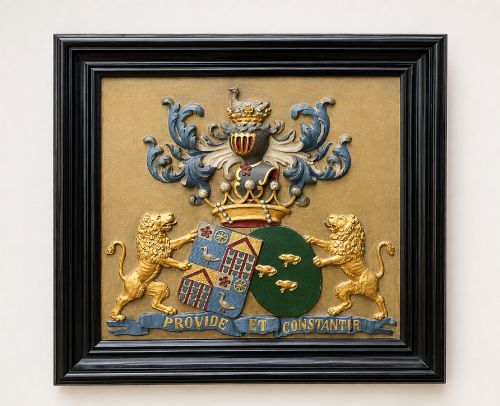
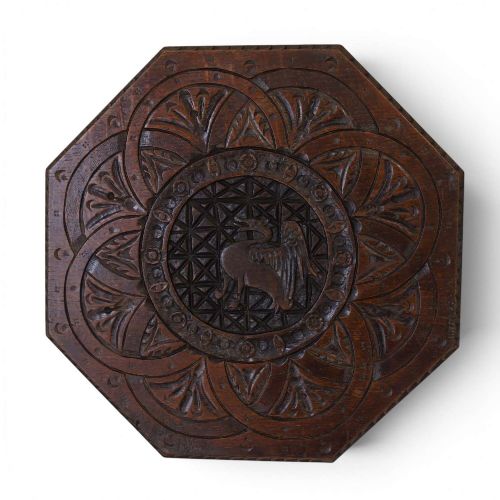


Heraldic Carved Wood Panel
These heraldic carved wood panel pieces display armorial bearings and crests, offering an authentic touch of historic lineage to interior spaces.
Heraldic Carved Wood Panel
A heraldic carved wood panel represents familial lineage, crests, and coats of arms carved into timber, serving as decorative wall plaques or architectural salvage. When searching for a heraldic carved wood panel, buyers encounter wall plaques, fire screens, and door pediments spanning multiple centuries.
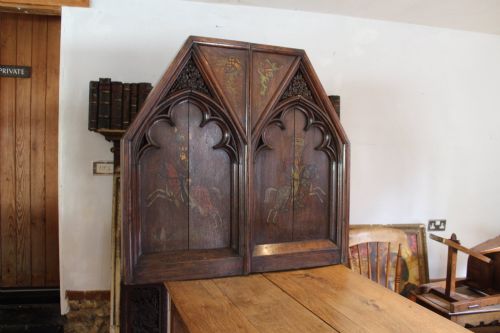
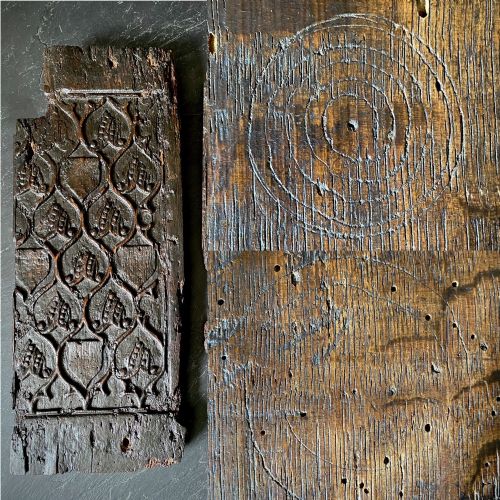
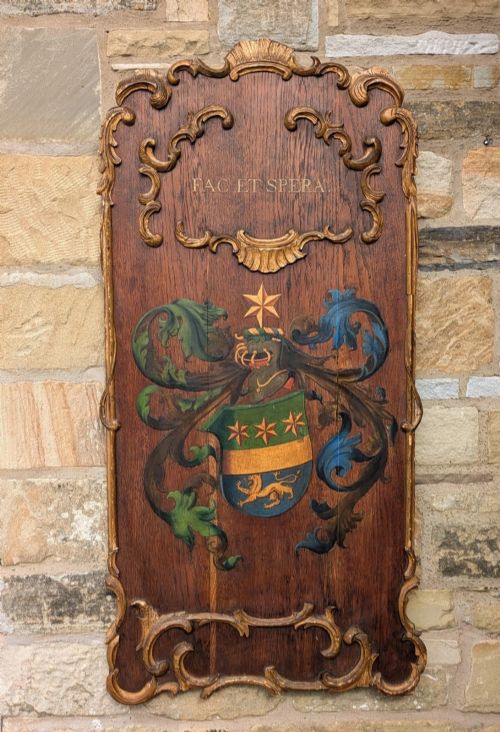
The pieces on this page originate from diverse eras, ranging from pre-sixteenth century examples featuring apotropaic witch marks to nineteenth-century interpretations of Gothic Revival and Dutch Rococo styles. Oak remains the predominant timber, frequently accompanied by fruitwood, walnut, and mahogany.
Forms vary from substantial wall panels and armorial book covers to marriage plaques detailing specific family names such as Seton, Maclellan, and Van Rijckevorsel. Many pieces function as wall plaques, while others incorporate brass frames or pigment decoration to highlight the carved armorial details.
Materials and Craftsmanship
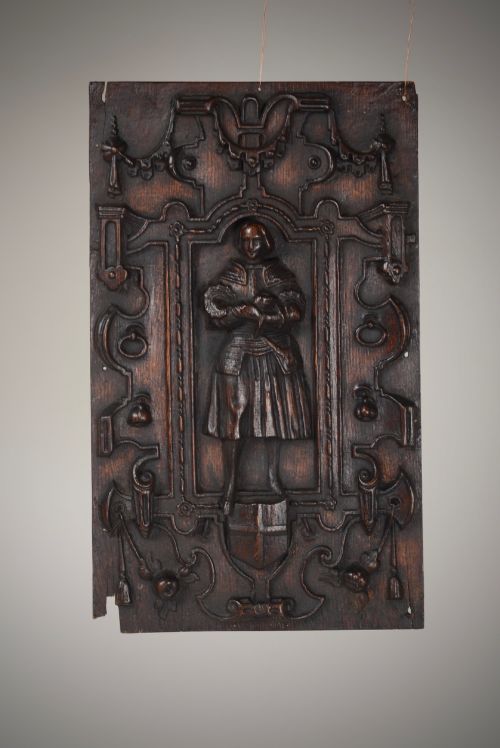
Makers utilised dense timbers such as oak, fruitwood, walnut, and mahogany, carving the armorial bearings directly into the grain to ensure structural longevity. These woods provided the necessary stability for intricate heraldic shields, crests, and figures.
Surface enhancement often involved polychrome pigment, gilt, and hand-painted details to distinguish the different tinctures of a coat of arms. Some older panels also exhibit scorch marks and apotropaic symbols alongside the primary carving.
Heraldic Carved Wood Panel Retail Price Guide 2026
Typical asking prices for heraldic carved wood panel among the pieces listed under this phrase on Sellingantiques today, from the lower quarter to the upper quarter. They describe what is for sale here now, not the wider market.
Some fifteenth-century oak panels bear concentric circle apotropaic witch marks alongside carved coats of arms, guarding the hall against unwanted spirits.
Assessing Quality and Execution
Depth of relief and sharpness of chisel work separate standard decorative items from superior heraldic carvings, where helm, mantle, and shield maintain distinct anatomical and geometric proportions. The precision in rendering heraldic charges and tinctures indicates the skill of the original workshop.
The integrity of the timber and the preservation of original pigments or gilt surfaces influence the overall character of the piece. Modifications, such as converting a tabletop into a wall plaque or inserting panels into later brass frames, alter the historical context of the object.
The Heraldic Carved Wood Panel Glossary
- Armorial
- Relating to heraldry or a coat of arms. It describes items bearing familial insignia.
- Apotropaic
- Designed to turn away harm or evil. These marks are sometimes found scored into early panels.
- Pediment
- The triangular or decorative gable surmounting a door or architectural feature. Several panels originate from these architectural elements.
- Polychrome
- Painted or decorated in several colours. This technique highlights heraldic details on wood surfaces.
- Gothic Revival
- An architectural and decorative style popular in the nineteenth century. It draws inspiration from medieval design forms.
Heraldic Carved Wood Panel: Frequently Asked Questions
What is a heraldic panel?
A heraldic panel is a carved wooden artwork displaying a family coat of arms, crest, or armorial bearings. They were traditionally created to mark lineage, alliances, or important marriages.
These pieces were integrated into architectural interiors, furniture, or displayed independently as wall plaques and firescreens.
How were these panels used?
Historically, heraldic panels functioned as symbols of status and identity within manor houses, civic buildings, and estate libraries. They demonstrated family heritage and lineage to visitors.
Today, collectors mount them on walls as focal decorative art or utilise them as architectural statements within period interiors.
How do I identify the period?
Dating relies upon timber selection, tool marks, stylistic indicators such as Gothic Revival or Dutch Rococo motifs, and any documented family names. Earlier pieces often display denser oak and simpler, deeper relief.
Nineteenth-century interpretations frequently incorporate machine assistance alongside hand carving, while maintaining historical revival aesthetics.
Can I hang them on the wall?
Most wall plaques, door pediments, and armorial panels are well-suited for wall display, provided proper weight-bearing fixings are utilised. Heavier oak and walnut panels require secure wall anchors.
Consider the surrounding environment to protect exposed pigments, gilt, and dry timber from direct sunlight and extreme humidity fluctuations.