

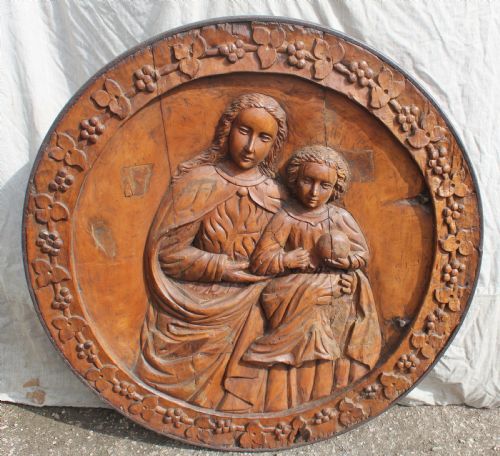
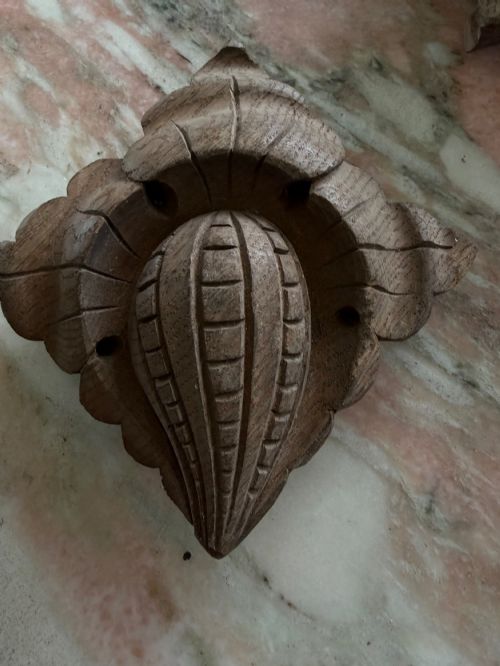


Gothic Relief Carving Oak
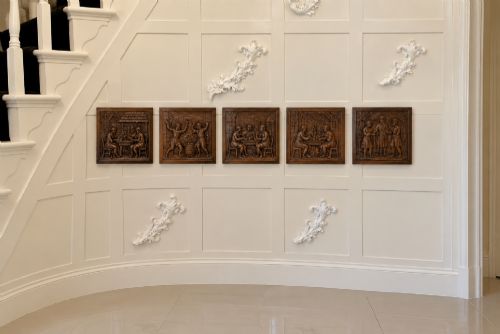
These gothic relief carving oak pieces are heavy timber sculptures and wall panels offering deep figural work that brings medieval architectural weight into domestic spaces.
Gothic Relief Carving Oak
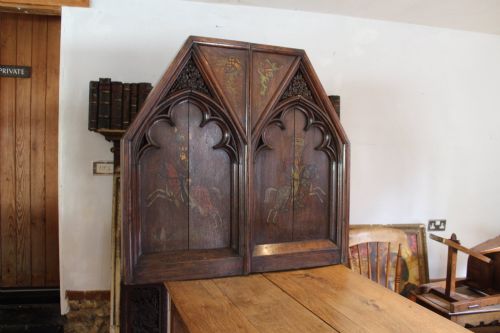
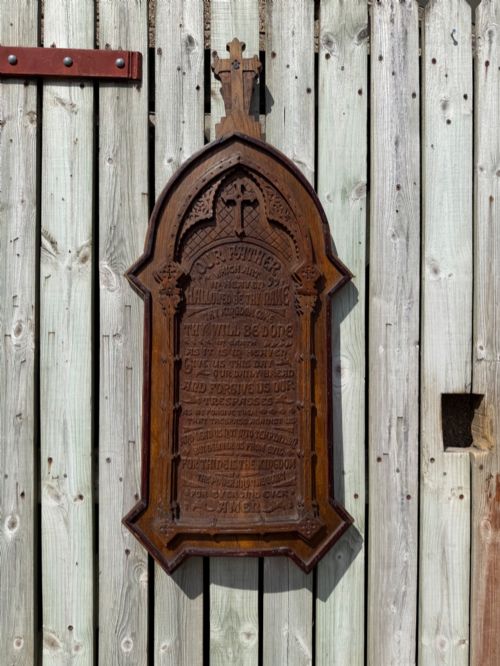
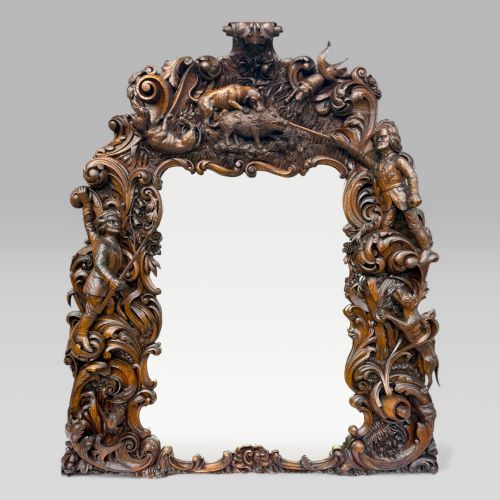
When you search for gothic relief carving oak, you encounter timber wall panels, architectural salvage, and figurative sculptures hewn from solid wood. The forms range from small ceiling bosses and heraldic panels to large altarpiece fragments and overmantle mirrors.
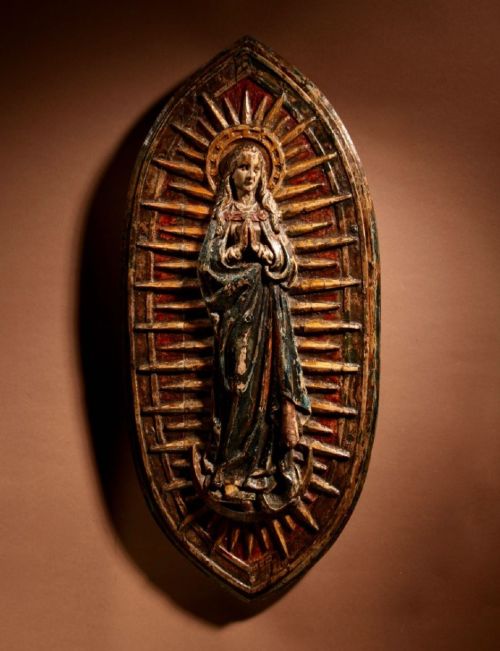
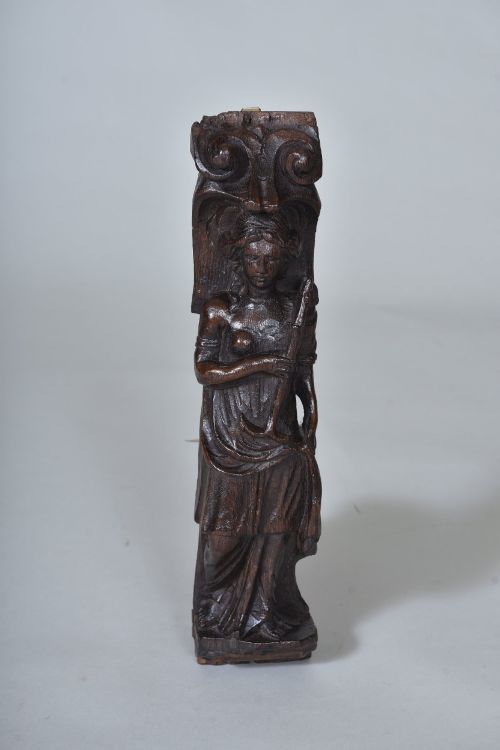
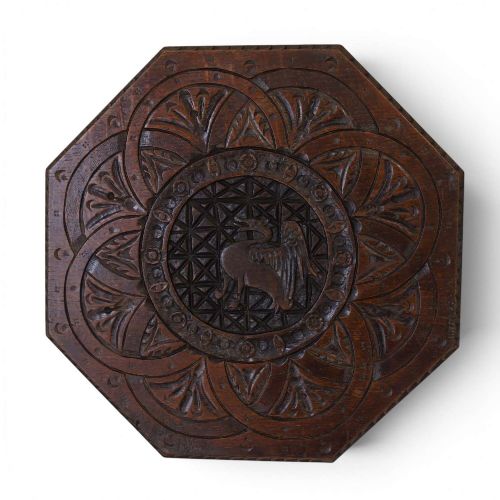
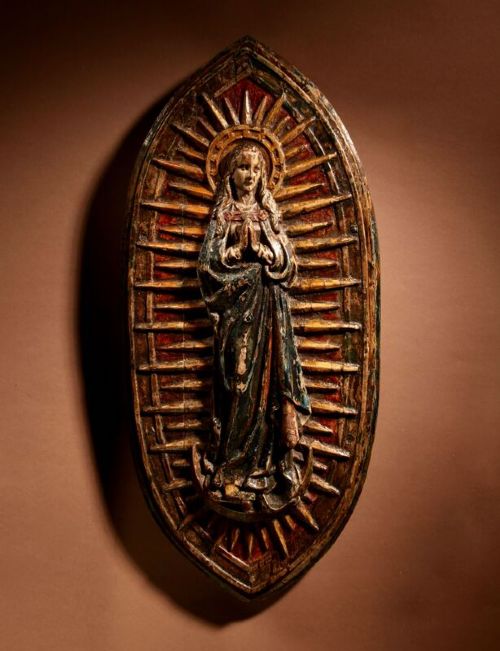
Most examples you meet date from the nineteenth century in the Gothic Revival style, alongside genuine sixteenth and seventeenth-century survivals. Figures of angels, saints, animals, and heraldic crests dominate the surface decoration across panels and plaques.
Domestic furniture such as armchairs, cupboards, and partner desks also appear, carrying deep relief carvings repurposed from earlier ecclesiastical architecture. These items bring tangible traces of medieval and Renaissance workshops into modern rooms.
How they were made
Makers shaped these items primarily from solid oak using gouges, chisels, and parting tools to achieve deep undercutting and sharp relief. Secondary materials such as brass, gesso, gold leaf, leather, and polychrome paint appear on selected panels, enhancing architectural details.
Surfaces often show tool marks left by hand carving, while early timber displays shrinkage splits and deep oxidation from centuries of exposure. Later nineteenth-century revival pieces utilise mechanical groundwork combined with skilled hand-finishing to mimic ancient wear.
Gothic Relief Carving Oak Retail Price Guide 2026
Typical asking prices for gothic relief carving oak among the pieces listed under this phrase on Sellingantiques today, from the lower quarter to the upper quarter. They describe what is for sale here now, not the wider market.
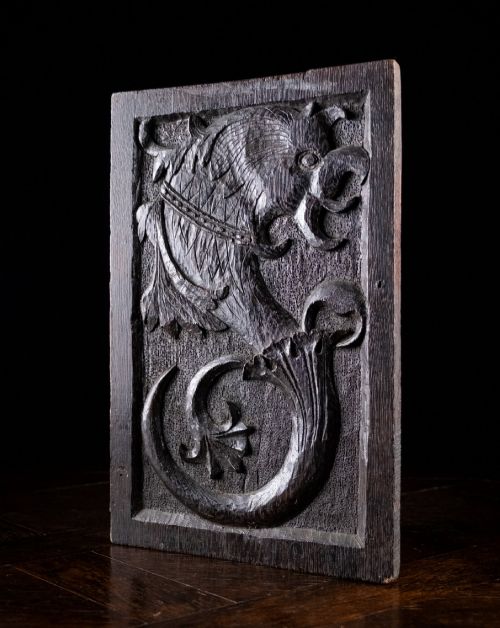
A crouching dragon peers from an eighteen-eighties panel, watching over rooms with medieval intensity.
What varies in quality
The distinction between ordinary and exceptional carving lies in the depth of the relief and the anatomical precision of the figures. Master carvers rendered drapery, hair, and facial expressions with fluid naturalism, whereas lesser workshops produced stiff, shallow designs with flat planes.
The integrity of the timber and the survival of original surface treatments dictate the standing of a piece. Intact early polychrome paint, original gesso layers, and untouched patination elevate sculptural panels far above stripped or heavily restored surfaces.
The Gothic Relief Carving Oak Glossary
- Relief
- Sculpture technique where figures project from a flat background. High relief elements stand almost entirely free of the timber base.
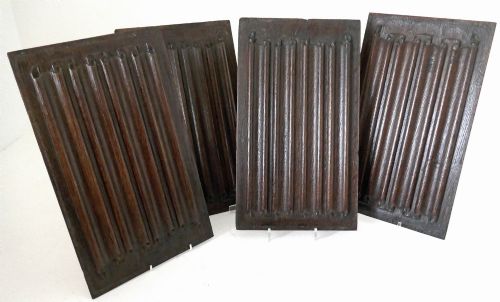
- Linenfold
- A style of wood carving mimicking folded parchment or linen. It appears frequently on sixteenth-century panels.
- Apotropaic
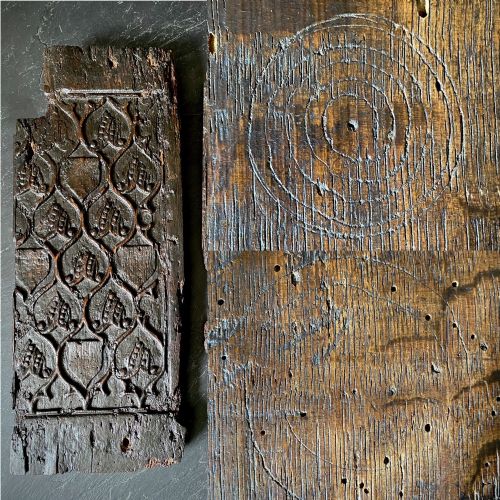
- Marks or carvings intended to ward off evil spirits. Examples include concentric circles and witch marks scored into early panels.
- Ceiling Boss
- A decorative projecting block placed at the intersection of ceiling ribs. These circular elements often feature carved foliage or faces.
- Pricket Candle Holder
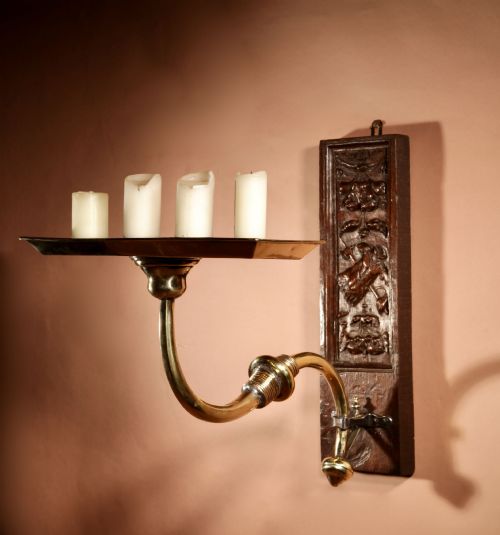
- A candlestick featuring an upward-pointing spike that secures the wax candle. Metal elements frequently combine with carved timber bases.
Gothic Relief Carving Oak: Frequently Asked Questions
How do I hang a heavy oak panel?
Heavy timber panels require structural fixing directly into wall studs or masonry using substantial steel brackets. The weight of solid oak demands professional installation to secure the piece safely.
Ensure the hanging hardware supports the lower frame rather than relying solely on top-mounted rings. Distributing the load prevents strain on ancient joints and fixings.
How should I clean carved oak?
Dust carved surfaces gently using a soft, dry natural bristle brush to reach into deep crevices. Avoid water, modern chemical polishes, and silicone sprays which damage old finishes.
Feed dry timber occasionally with traditional microcrystalline wax applied in thin layers. Buff the surface lightly after application to maintain the natural matte sheen.
How do I date a carved panel?
Examine the back of the timber for tool marks, seasoning methods, and overall construction signs. Hand-riven boards and pegged joints usually indicate sixteenth or seventeenth-century origin.
Compare stylistic details such as lettering, costume, and ornament against known period examples. Revival pieces from the nineteenth century often display machine-cut rear surfaces or softer grain patterns.
Where did these carvings originate?
Many figurative panels and sculptures originate from dismantled church altarpieces, rood screens, and monastic furniture. Secular items often derive from grand hall wall panelling and overmantles.
Continental workshops in Flanders and Germany produced significant quantities alongside English makers. Architectural salvage frequently entered the art market during nineteenth-century restorations.