



Gothic Architectural Carving
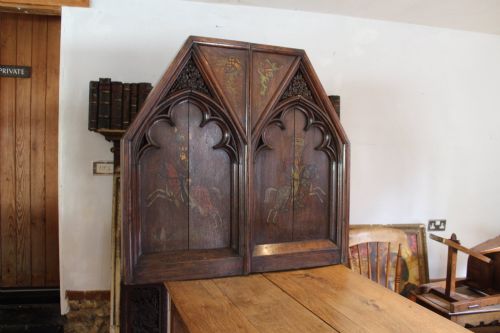
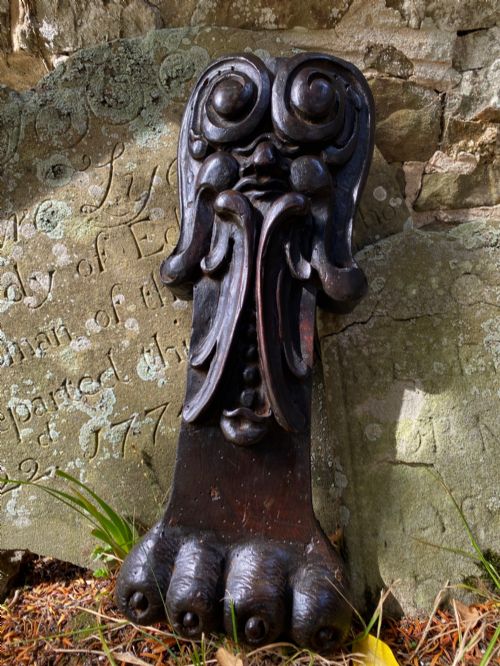
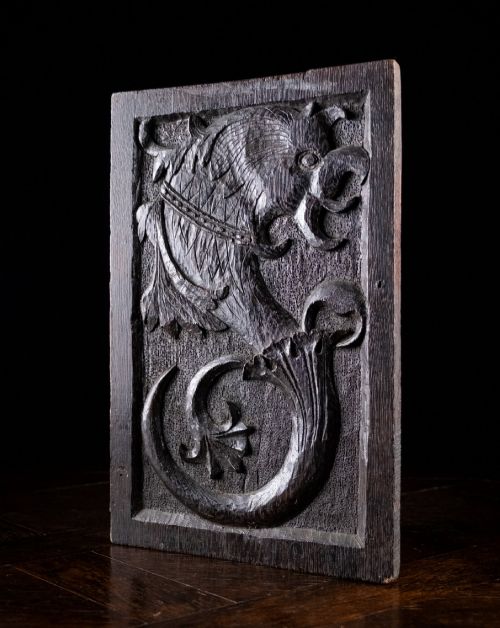
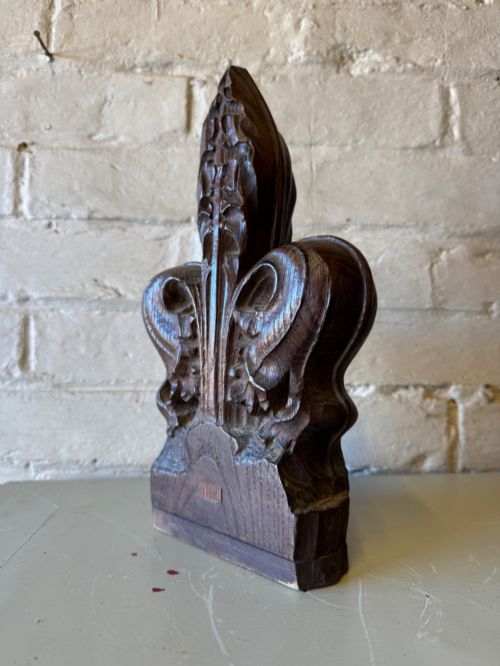
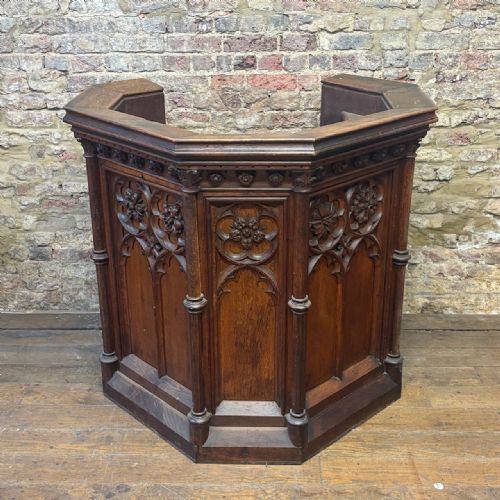
Gothic architectural carving encompasses medieval stone fragments, ecclesiastical oak panels and later revival woodwork salvaged from churches and historic buildings.
Gothic Architectural Carving
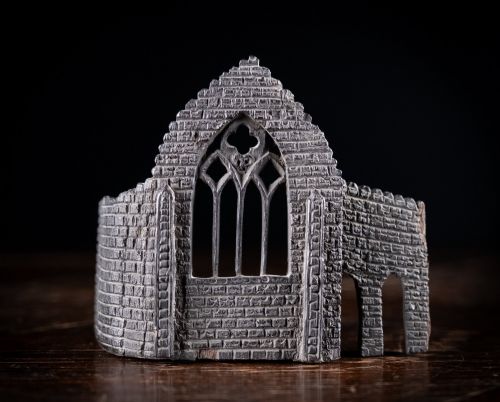
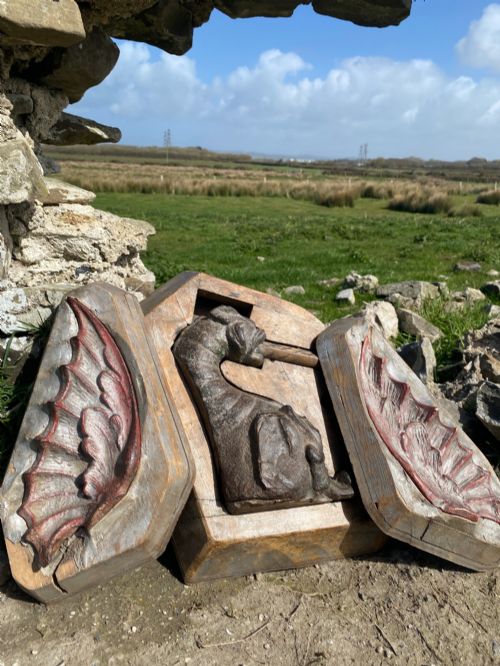
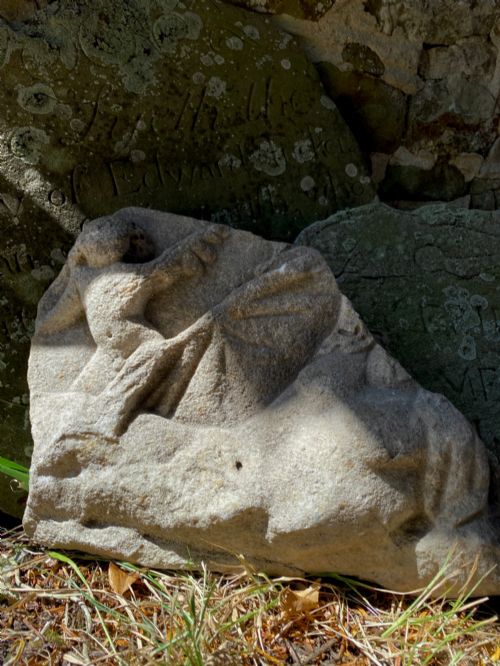
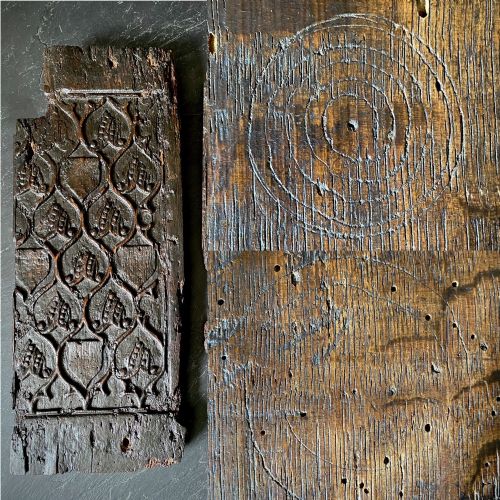
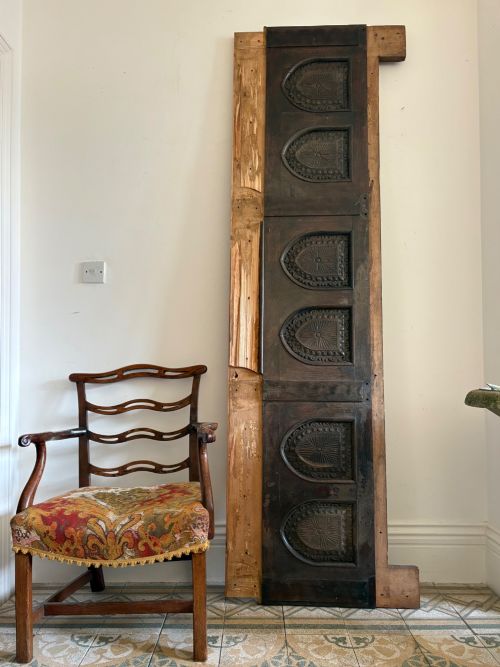
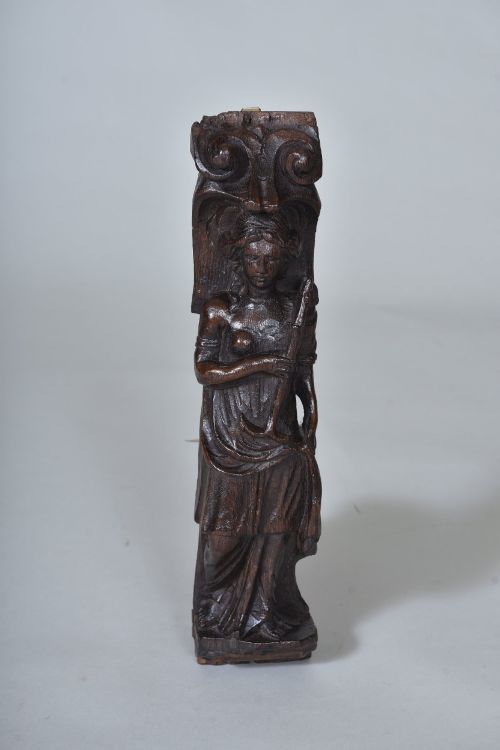
When you search for gothic architectural carving, you encounter structural remnants and decorative elements spanning from the medieval period through to the nineteenth-century Gothic Revival. The selections available on this page run from early limestone corbels and fifteenth-century linenfold panels to later church tracery, ceiling bosses and overmantels.
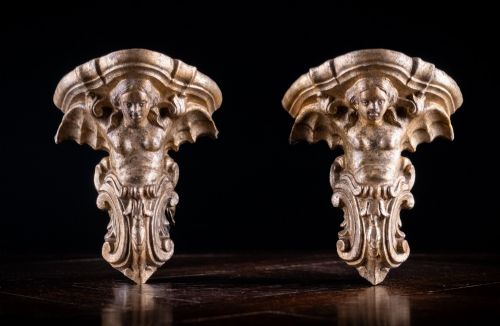
Oak and sandstone dominate the physical evidence, alongside limestone, pine, terracotta and iron. These pieces originate primarily from ecclesiastical settings such as churches and minsters, translating sacred structural motifs into portable elements like wall brackets, pulpits and architectural fragments.
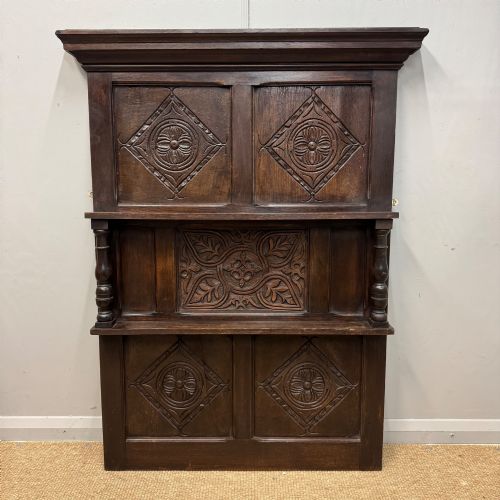
Earlier examples display the hand-hewn marks of medieval stonemasons and woodcarvers, while subsequent pieces reflect Victorian interpretations of medieval design. A buyer meets both authentic medieval salvage and later revival pieces, each carrying distinct physical markers of its era.
Materials and methods of construction
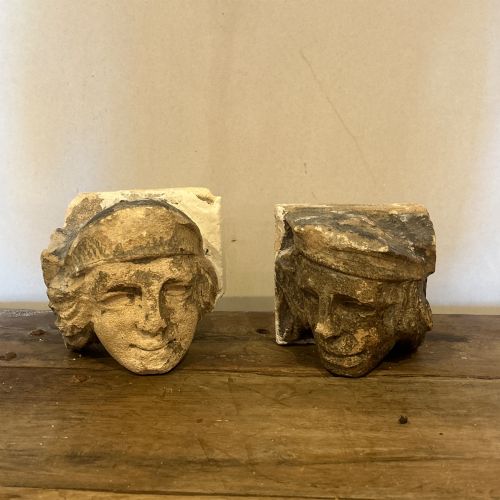
Masons shaped durable sandstone and limestone using chisels and mallets to produce structural components like corbels, pinnacles and window frames. The grain and geological composition of these stones dictate the crispness of surviving mouldings and figurative details.
Woodcarvers utilised seasoned timber, predominantly oak, employing mortise and tenon joints alongside hand-chiselled linenfold and tracery panels. Pine and other secondary woods appear in later ecclesiastical joinery, shaped with specialised gouges to achieve deep undercutting.
Surface treatments range from natural unsealed timber ageing to a dark patina, through to applied gilt or terracotta moulding techniques seen in nineteenth-century interpretations.
Gothic Architectural Carving Retail Price Guide 2026
Typical asking prices for gothic architectural carving among the pieces listed under this phrase on Sellingantiques today, from the lower quarter to the upper quarter. They describe what is for sale here now, not the wider market.
Materials represented include native oak, sandstone, limestone, iron and pine.
Distinctions in craftsmanship and material integrity
The division between exceptional pieces and ordinary examples lies in the depth of relief and the precision of the carver's chisel. Superior items exhibit sharp undercutting, confident proportions and anatomical accuracy in figurative work, whereas lesser pieces rely on mechanical repetition or shallow surface incision.
Material provenance and preservation also dictate standing; stone fragments retaining original tool marks without extensive modern stabilization hold greater integrity than heavily restored components. The fluidity of the tracery or the crispness of a linenfold fold measures the skill applied at the bench.
Luigi Frullini
The Gothic Architectural Carving Glossary
- Linenfold
- A style of wood carving that imitates folded linen, commonly seen on fifteenth- and sixteenth-century oak panels. This motif became widespread in domestic and ecclesiastical interior joinery.
- Tracery
- Openwork stonework or woodwork forming a pattern in the upper part of a gothic window or screen. It provides structural support while introducing geometric ornamentation.
- Corbel
- A projection of stone jutting from a wall to support a weight above it. Medieval examples often terminate in carved human or animal heads.
- Ceiling boss
- A decorative knob or keystone placed at the intersection of ribbed vaulting. They are frequently carved with foliage, roses or figural motifs.
- Pinnacle
- A relatively small architectural ornament that rises above the roof or coping of a building. They add vertical emphasis and weight to buttress piers.
Gothic Architectural Carving: Frequently Asked Questions
How do I date a gothic oak panel?
Examine the timber shrinkage, tool marks left by hand adzes and saws, and the specific profile of the linenfold or tracery. Earlier sixteenth-century panels often show irregular hand-chamfering on the reverse.
Compare the joinery construction methods with known period examples, noting whether peg holes are hand-drilled or perfectly uniform.
Where should I place stone architectural carvings?
Limestone and sandstone corbels or capitals suit prominent interior display locations where their weight can be properly supported by reinforced brackets or masonry walls. Ensure stable indoor humidity if bringing exterior stone fragments inside to prevent salt crystallization.
Pair larger elements like tracery panels with plain backgrounds to emphasise their sculptural depth and historical silhouette.
How do I distinguish medieval from nineteenth-century revival pieces?
Medieval carvings display organic tool asymmetry, iron nail signatures from hand-forged sources, and centuries of oxidized patina embedded in the grain or pores. Victorian Gothic Revival works often utilise machine-sawn backing boards or standardised Victorian hardware.
Stylistic proportions also offer clues, as nineteenth-century interpretations occasionally romanticize medieval austerity with cleaner, more symmetrical lines.
What maintenance do antique wood carvings require?
Keep dry oak and pine away from direct heat sources and sudden temperature fluctuations to prevent timber splitting or joint separation. Dust gently with a soft brush rather than using liquid polishes that can gum up recessed carved crevices.
Apply microcrystalline wax sparingly only if the wood appears dry and unsealed, buffing gently to preserve the historic surface sheen.