


19th Century Oak Panel
A 19th century oak panel brings substantial timber and deep grain into a room, offering tactile historical character through architectural fragments and furniture.
19th Century Oak Panel
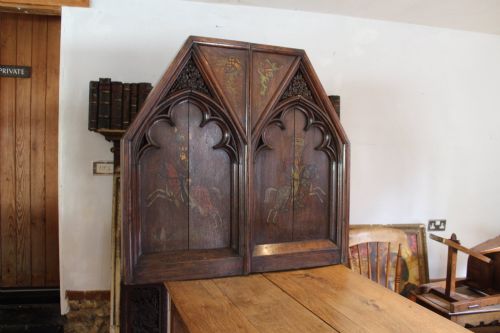
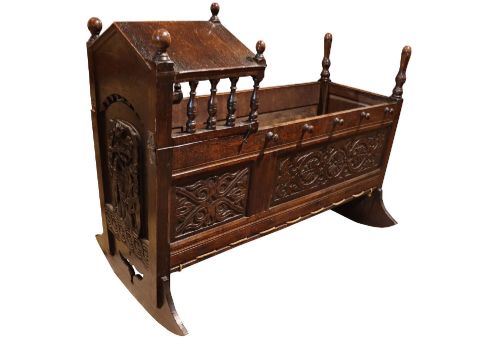
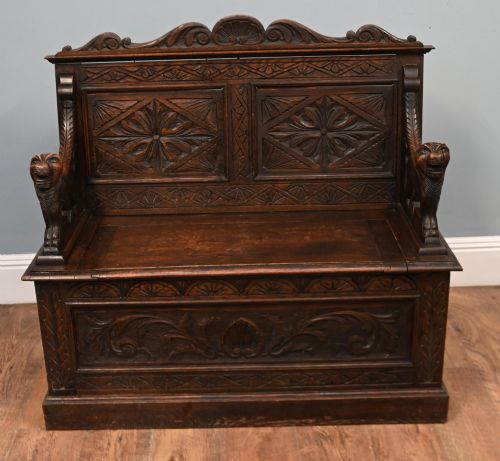
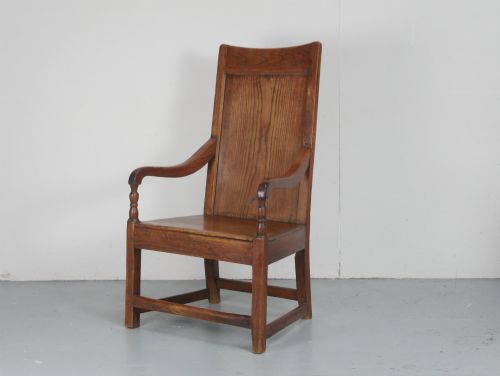
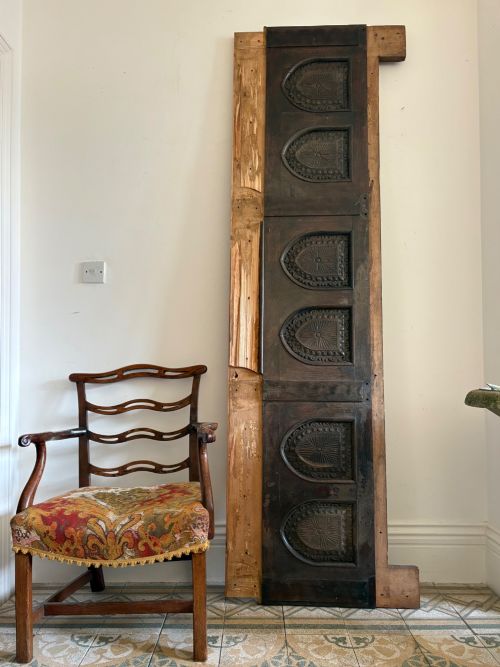
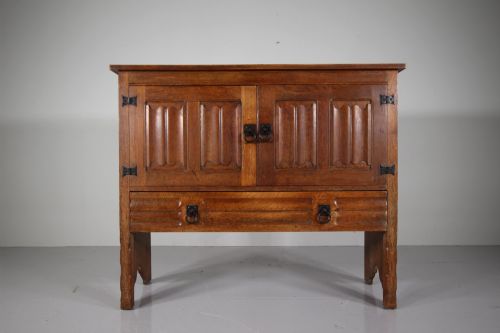
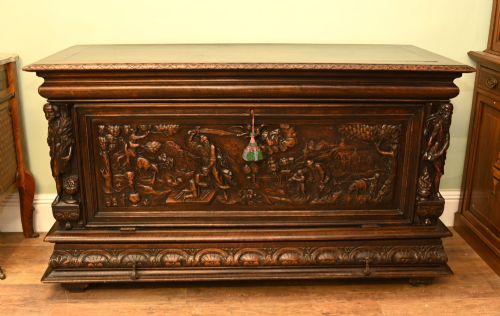
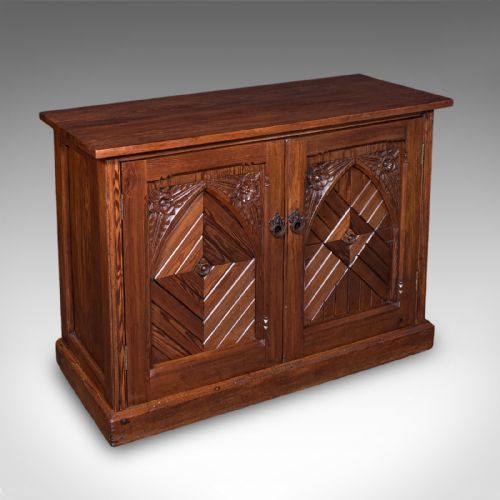
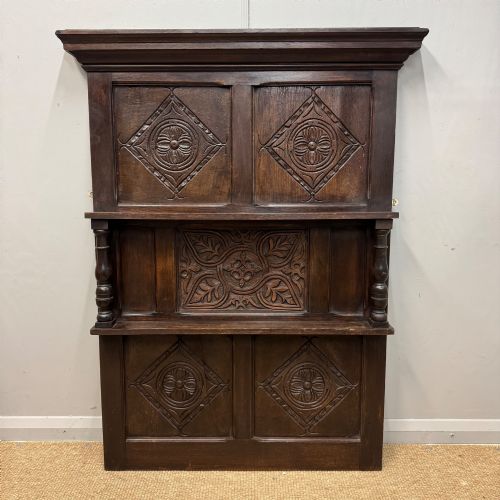
When you search for a 19th century oak panel, you encounter both standalone architectural elements and carved timber sections integrated into larger furniture forms. The listings on this page span distinct styles such as Gothic Revival, Jacobean Revival, and Welsh Vernacular, reflecting the nineteenth-century appetite for historicising design.
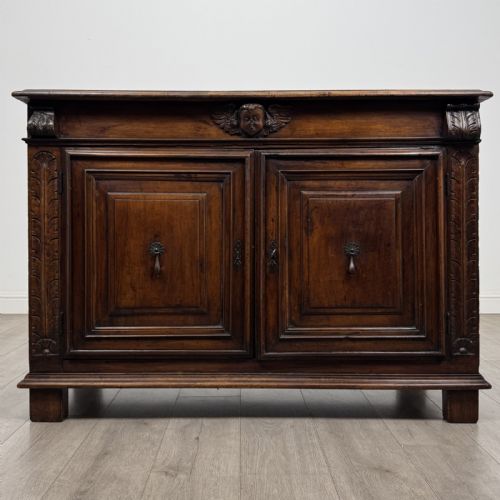
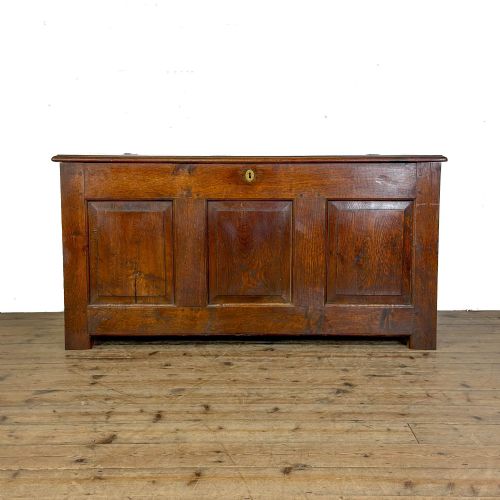
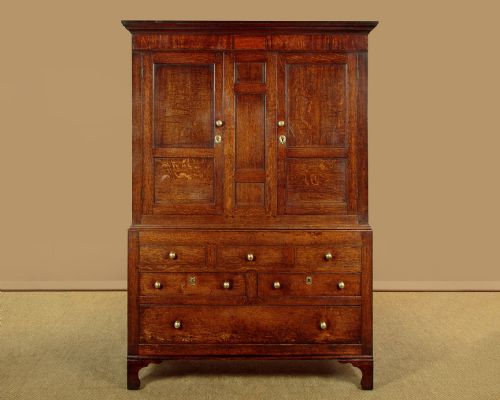
Many items present as architectural salvage, wall plaques, or overmantel panels, while others form part of robust storage chests, dressers, and armchairs. The period output draws heavily on earlier vernacular traditions, rendering heavy timber surfaces through the aesthetic lens of the Victorian era.
How they were made
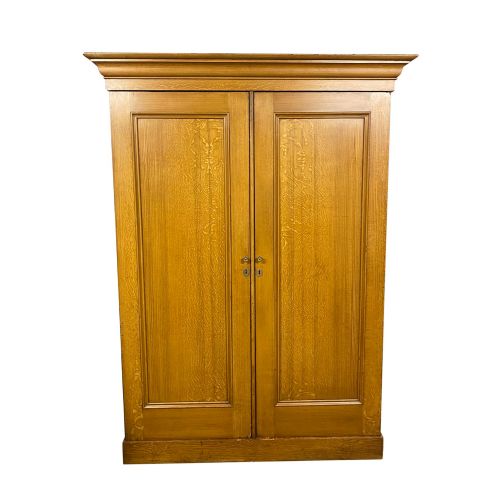
Makers utilised solid oak, often quarter-sawn to display dense medullary rays, combined with secondary timbers like pine and walnut depending on regional practice. Construction relied on traditional mortise and tenon joinery, secured with wooden pegs to accommodate the natural seasonal movement of timber.
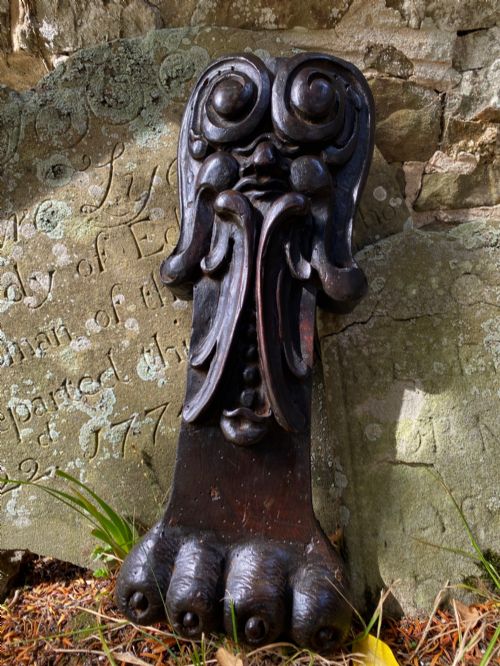
Carving was executed by hand, producing relief work that ranged from geometric strapwork and tracery to figurative scenes. Surface treatments varied from wax polish to specialist techniques like scumble paintwork designed to emulate aged grain.
19th Century Oak Panel Retail Price Guide 2026
Typical asking prices for 19th century oak panel among the pieces listed under this phrase on Sellingantiques today, from the lower quarter to the upper quarter. They describe what is for sale here now, not the wider market.
Listings on this page encompass solid oak, walnut, and pine, spanning periods from the eighteenth century through the Victorian era.
What varies in quality
The standard of carving dictates much of the distinction across these pieces, moving from stiff, mechanical incisions to fluid, deeply undercut relief. Crispness of detail in Gothic tracery or figural elements reflects the skill of the carver.
Integrity of the timber itself separates examples, with tight, straight grain and minimal structural distortion marking superior work. Original surface patination and the survival of period fixings like brass hardware elevate an individual piece.
The 19th Century Oak Panel Glossary
- Wainscot
- A type of sturdy wooden armchair constructed with panelled backrests, common in early vernacular domestic interiors. These seats are heavily framed in solid timber.
- Coffer
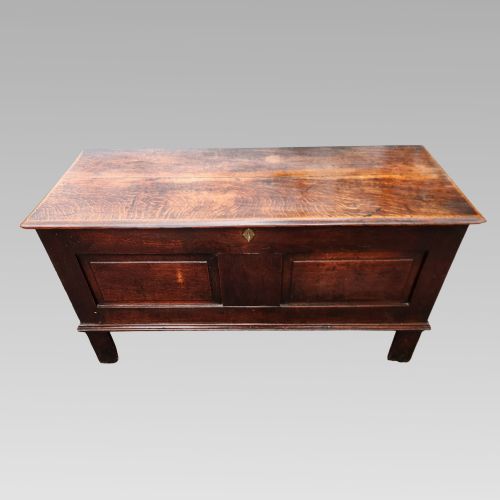
- A large rectangular storage chest with a hinged lid, frequently constructed from heavy oak planks. They served utilitarian storage needs before specialised wardrobes became common.
- Gothic Revival
- An architectural and decorative style drawing on medieval forms, characterised by pointed arches and tracery. This movement heavily influenced nineteenth-century cabinet makers.
- Scumble
- A translucent layer of glaze applied over a base coat to simulate wood grain or texture. Painters utilised this technique to give inexpensive woods the appearance of oak.
- Tracery
- Openwork ornamental stone or woodwork featuring intersecting ribs, commonly found in Gothic windows and carved panels. Craftsmen adapted these patterns for decorative furniture fronts.
19th Century Oak Panel: Frequently Asked Questions
How do I hang a heavy wooden panel?
Wall-mounted panels require robust fixings that anchor directly into masonry or secure wooden wall studs to support the weight of dense oak.
Using concealed metal brackets or stable French cleats ensures the timber sits flush against the wall without straining the historic structure.
Can these panels be used outdoors?
Exposing historic oak to external weather conditions causes rapid degradation, splitting, and rot as moisture penetrates the aged timber fibres.
These pieces belong in stable interior environments where humidity and temperature fluctuations remain moderate.
How should I clean antique oak surfaces?
Dusting with a dry, soft cloth prevents the accumulation of particulate matter in the carved recesses of the grain.
Applying microcrystalline wax periodically nourishes the wood without leaving a sticky residue that attracts further dirt.
What is the difference between Gothic and Jacobean styles?
Gothic Revival work emphasises vertical lines, pointed arches, and ecclesiastical tracery derived from medieval stone architecture.
Jacobean Revival incorporates heavy geometric mouldings, strapwork, and turned spindle components reminiscent of seventeenth-century interior joinery.