


Dark Oak Architectural Salvage
Dark oak architectural salvage comprises historic panels, carvings, and fittings sourced from dismantled buildings, offering deep patination and rich period character.
Dark Oak Architectural Salvage
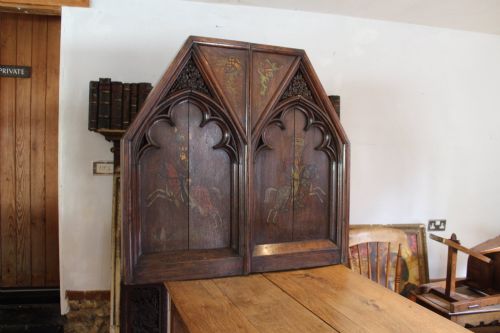
Dark oak architectural salvage spans functional and decorative elements salvaged from period structures, ranging from domestic interiors to ecclesiastical spaces. When searching for dark oak architectural salvage, buyers commonly encounter wall panels, fire surrounds, and carved fragments originating primarily from the sixteenth and seventeenth centuries, alongside nineteenth-century revival interpretations.
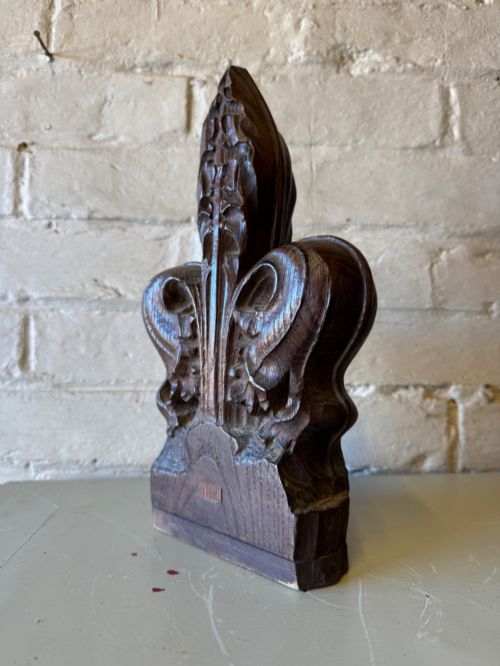
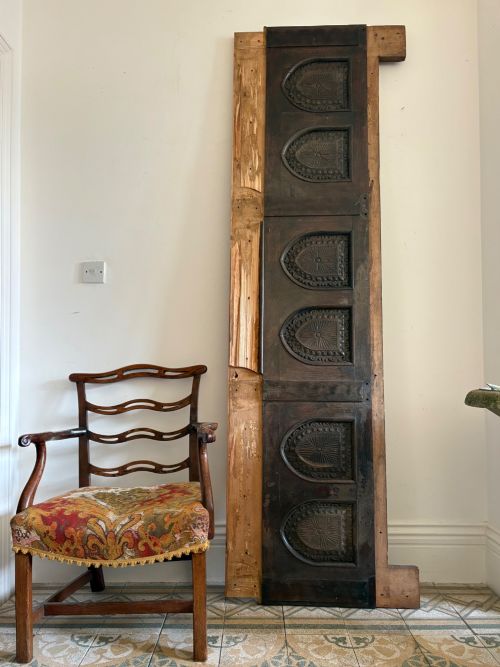
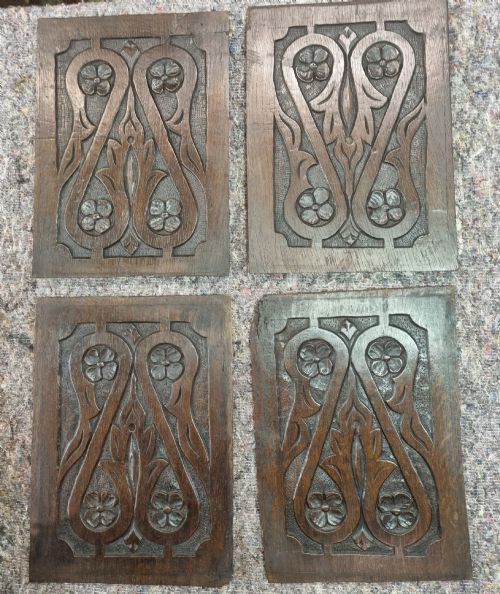
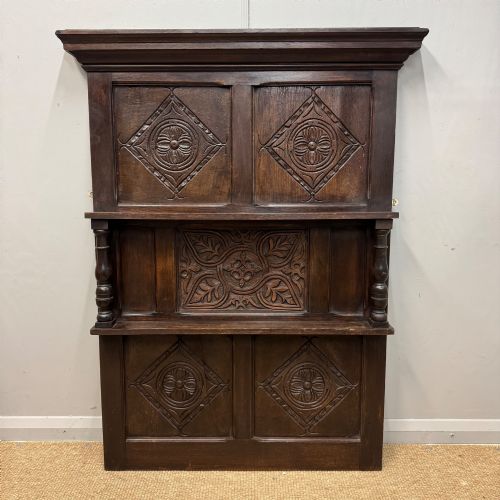
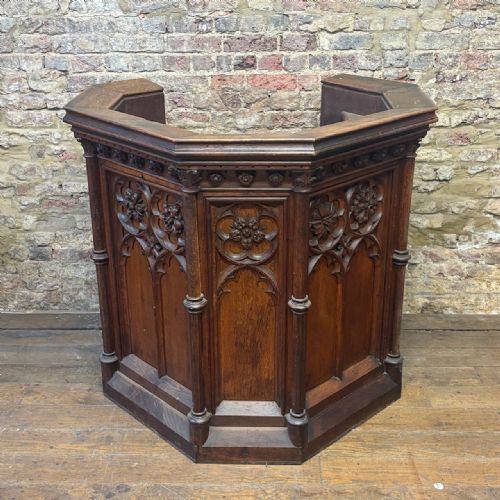
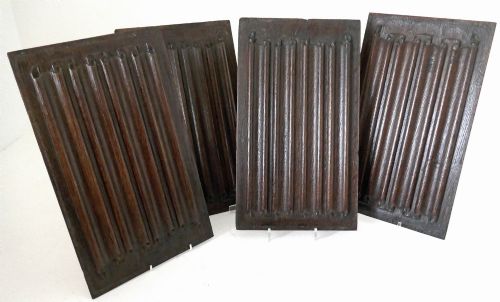
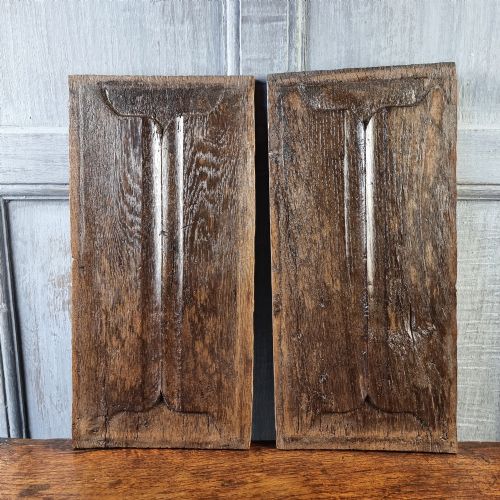
The inventory includes specialised forms such as linenfold panels, overmantels, corbels, pulpits, and ceiling bosses. Many items display distinct regional or continental stylistic influences, including Flemish, Dutch, and German carvings, as well as English Tudor and Gothic designs.
How they were made
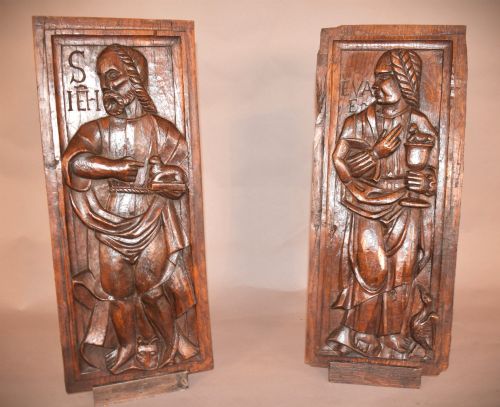
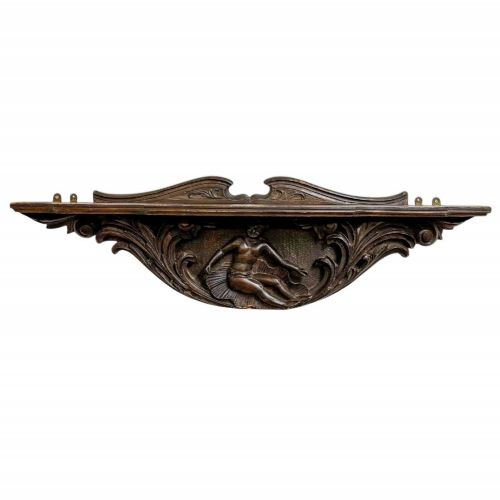
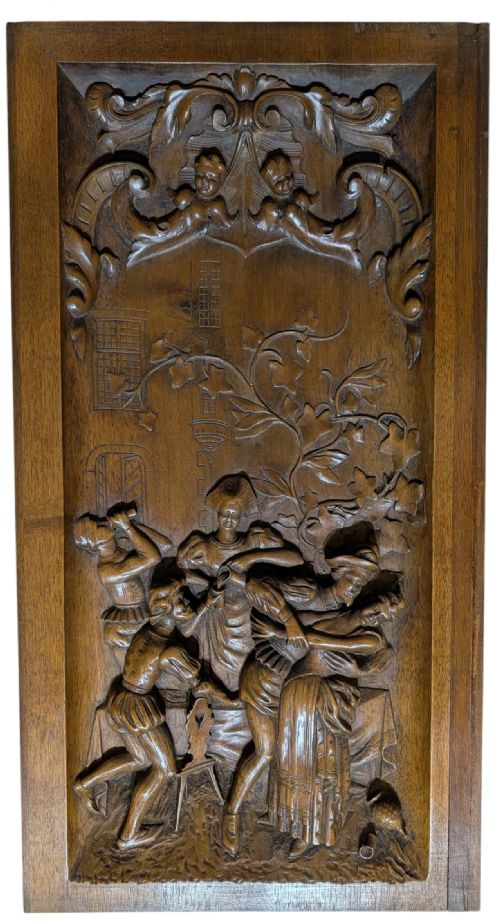
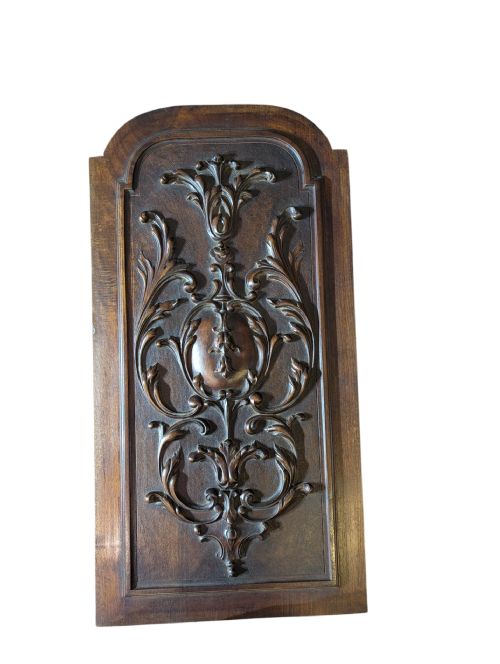
The pieces rely heavily on solid timber, predominantly oak and walnut, worked using traditional hand-carving techniques. Artisans shaped structural elements and decorative panels with chisels and gouges, producing high-relief motifs like cherubs, caryatids, and heraldic symbols.
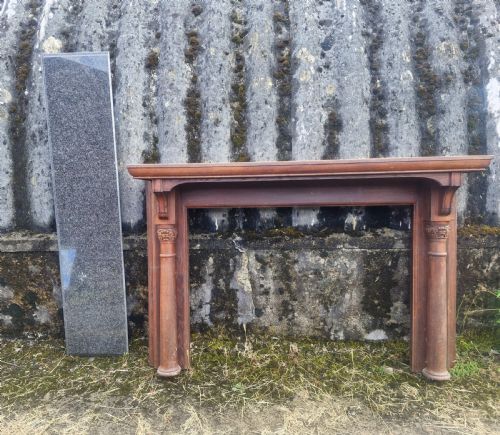
Surface treatments vary according to age and origin, with iron fixtures, polychrome paint, and granite inserts occasionally appearing alongside the natural dark patination of aged timber. Construction methods reflect the joinery standards of their respective periods, from pegged mortise and tenon joints to hand-planed backing boards.
Dark Oak Architectural Salvage Retail Price Guide 2026
Typical asking prices for dark oak architectural salvage among the pieces listed under this phrase on Sellingantiques today, from the lower quarter to the upper quarter. They describe what is for sale here now, not the wider market.
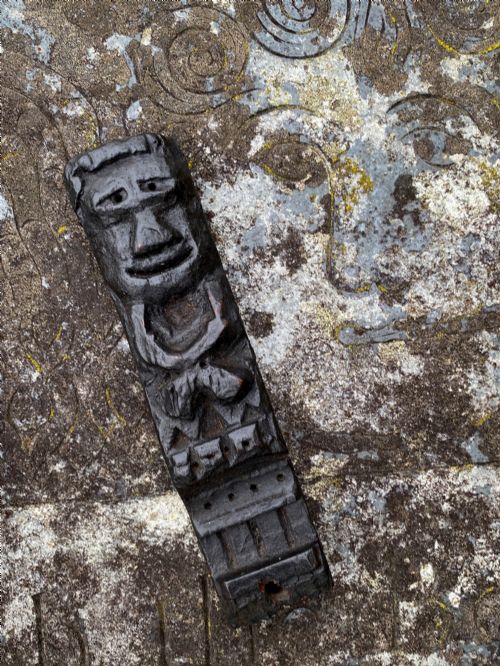
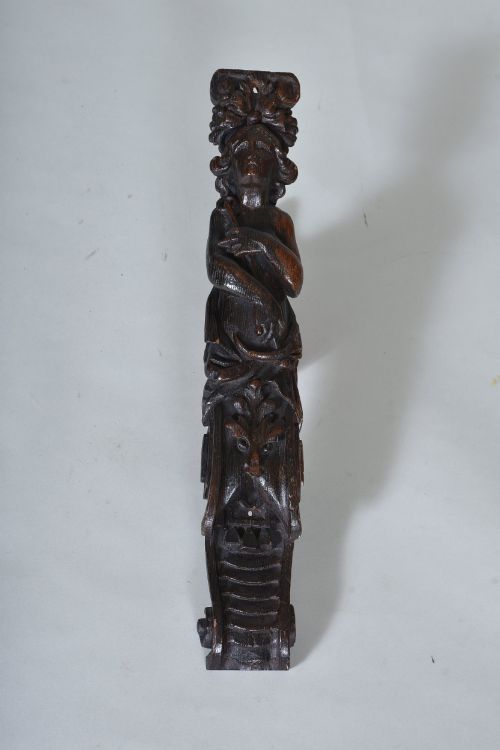
A stoic seventeenth-century corbel carved in the likeness of a medieval man watches silently over the workshop.
What varies in quality
Quality rests upon the crispness and depth of the hand carving, where superior examples exhibit confident chisel work and anatomical precision in figures like lions, angels, and caryatids. The integrity of the timber also dictates worth, distinguishing pieces retaining their original structural depth from those suffering from excessive trimming or unsympathetic timber replacement.
Historical provenance further elevates certain items, particularly when associated with specific workshops or recognizable regional motifs such as Flemish Baroque panels or early English linenfold designs. The depth of the natural wax finish and the preservation of the raw grain without modern chemical stripping separate ordinary salvage from exceptional collector pieces.
Edward Pearce
The Dark Oak Architectural Salvage Glossary
- Linenfold
- A style of wooden panelling carved in relief to imitate folded fabric, popular during the Tudor period. This motif creates vertical ripples resembling stiffened linen set into a frame.
- Corbel
- A structural bracket projecting from a wall to support a weight, frequently carved into figural or botanical shapes. These architectural elements often depict medieval men or mythical beasts.
- Caryatid
- A sculpted female figure serving as an architectural support taking the place of a column or a pillar. They appear on grand chimneypieces and doorways.
- Overmantel
- The decorative framework or panel situated directly above a fireplace opening. These often feature elaborate armorial carvings or mythological scenes.
- Tracery
- Openwork ornamentation in stone or wood, most commonly associated with Gothic architecture and window designs. It organises space using geometric patterns.
Dark Oak Architectural Salvage: Frequently Asked Questions
What is dark oak architectural salvage?
Dark oak architectural salvage consists of historical woodwork and structural elements removed from older buildings during demolition or remodelling. These items include wall panels, ceiling bosses, and decorative carvings.
Buyers acquire these pieces to incorporate authentic historical details into modern or period interiors. Each component carries the distinct marks of early hand tools and centuries of natural ageing.
How were these carved panels used originally?
Panels and architectural fragments served primarily as interior wall linings, church furnishings, and structural supports in substantial domestic and ecclesiastical buildings. They provided both insulation and visual opulence to great halls and chambers.
Over time, many of these elements were salvaged when buildings were updated or demolished. Today, they function as standalone wall art or integrated components in bespoke joinery.
How do I date a carved oak panel?
Dating relies on examining the tool marks left behind by the artisan, the style of the carving, and the construction joints. Sixteenth and seventeenth-century pieces often display irregular hand-chamfered edges and heavy patination.
Nineteenth-century Gothic revival items frequently mimic earlier styles but reveal mechanical sawing techniques and different wood preparation methods. Comparing the motif against documented period styles helps confirm the era.
Can I install salvage panels on a modern wall?
These panels adapt readily to contemporary interiors when mounted securely using appropriate battens and fixings that accommodate wood movement. Proper placement avoids damp walls and direct heat sources.
Interior designers frequently mount single panels as artwork or assemble multiple sections to form a feature wall. Ensuring stable humidity levels protects the historic timber from cracking.