
Hepplewhite Style Chair
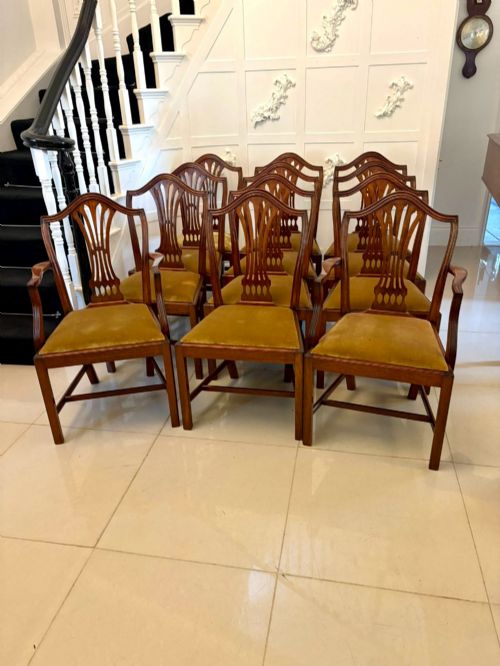
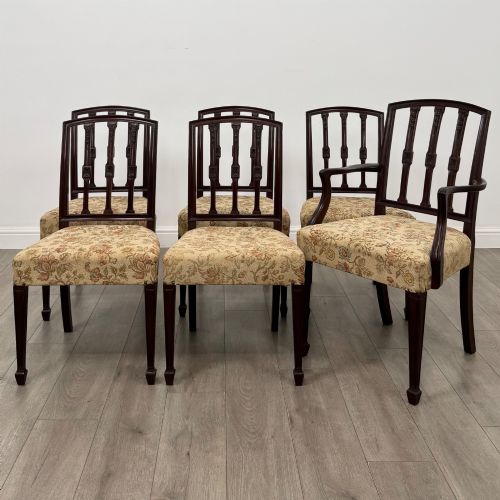
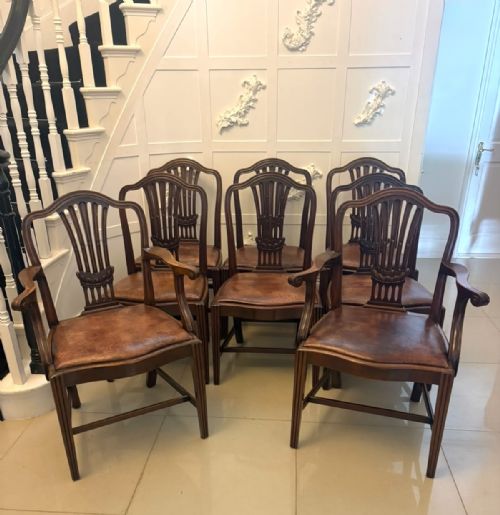
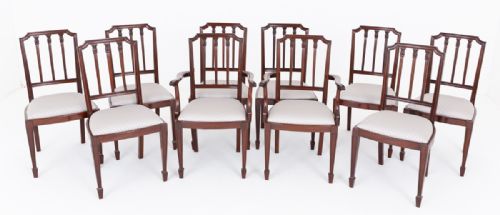
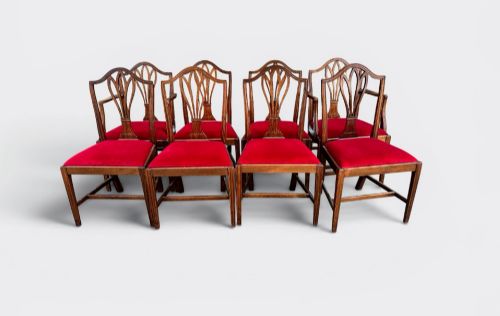
These hepplewhite style chairs offer understated elegance through classical proportions and delicate carving, making them a desirable addition to traditional interiors.
Identifying Hepplewhite Style Chairs
A hepplewhite style chair brings refined late-eighteenth-century design into domestic spaces, appearing across dining and armchair formats. These seating options emerge from original eighteenth-century workshops, alongside later revival periods including Victorian revivals and twentieth-century interpretations.
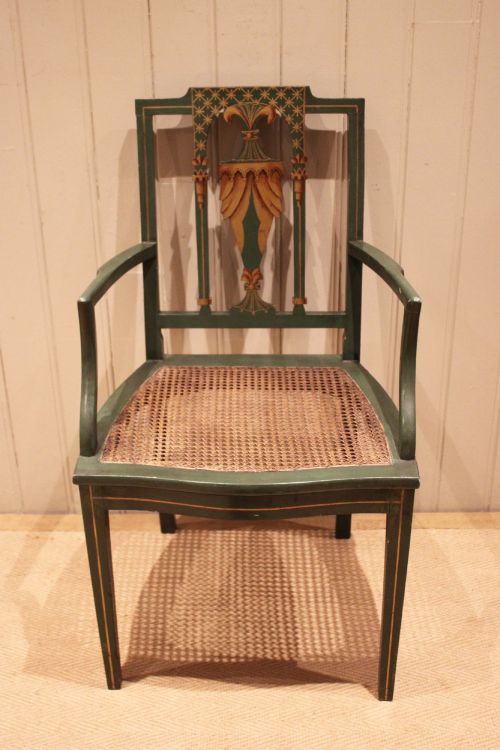
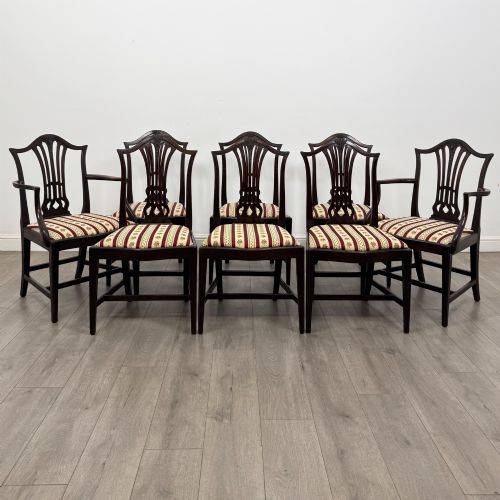
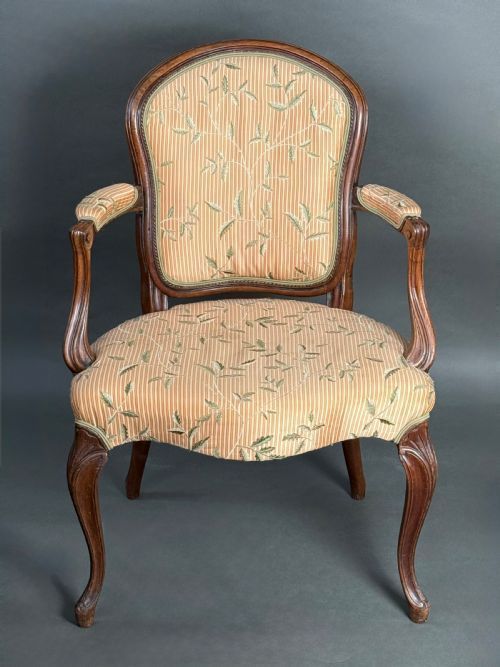
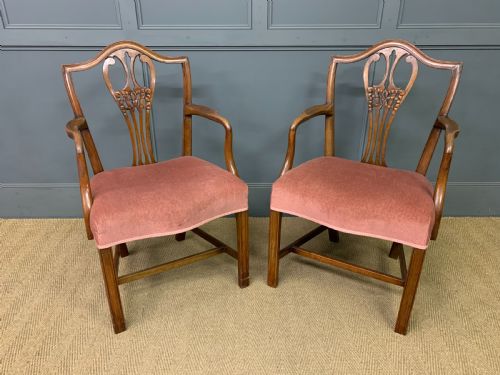
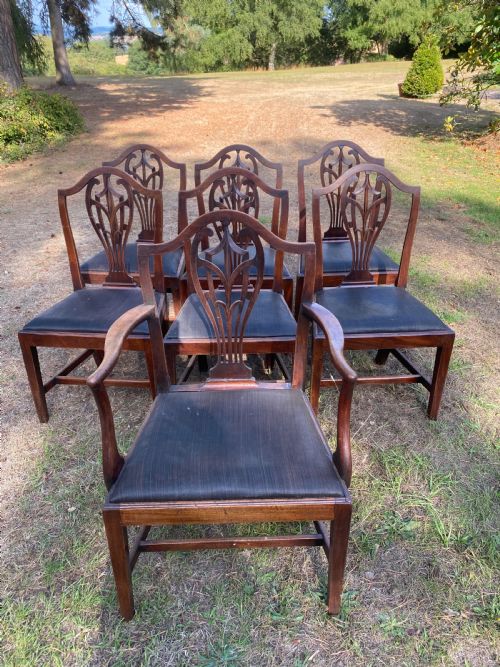
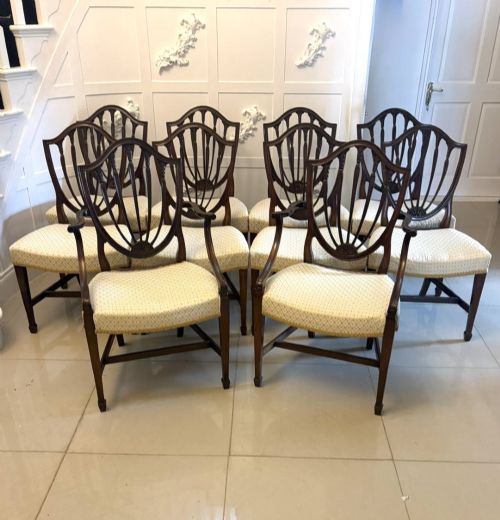
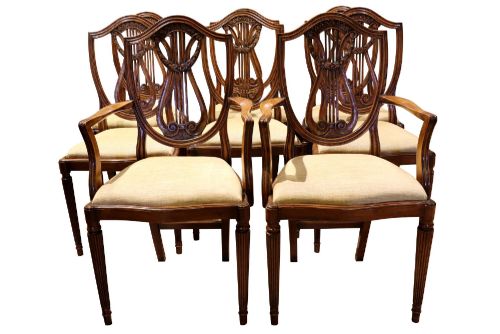
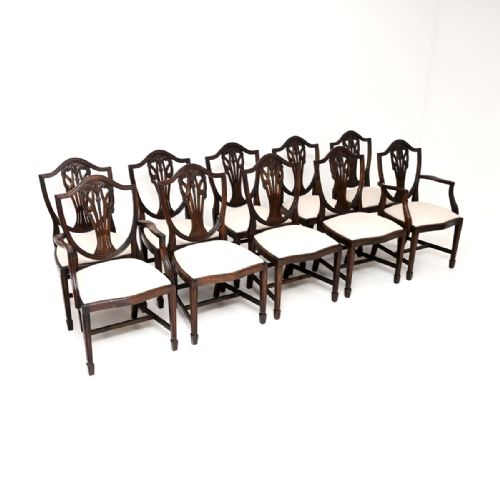
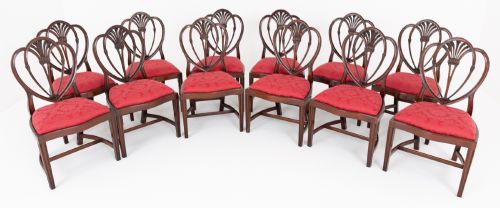
The characteristic shield back or oval back provides the primary visual identifier for this group. Pieces on offer range from single armchairs and carvers to large dining sets, often incorporating open arms and slender legs.
Assessing Craftsmanship and Proportion
Superior examples demonstrate crisp execution in carved details such as wheatears, drapery, or honeysuckle motifs upon the splat. The balance between frame durability and delicate visual lightness dictates the overall success of the piece.
Integrity of timber selection and original joinery elevate certain specimens above standard production runs. Coherence within larger dining sets also influences desirability among collectors seeking uniform suites.
Retail Price Guide 2026
Typical UK retail prices for hepplewhite style chair, calculated from the Sellingantiques database of over a million retail prices indexed since 2003. This retail price guide relies exclusively on Sellingantiques data; no external sources or auction records are used, so the figures do not describe the wider market.
Children's chairs occasionally appear in the record, offering miniature elegance for the youngest household members.
The Hepplewhite Style Chair Glossary
- Shield Back
- A chair back shaped in the outline of an inverted shield, central to the design vocabulary of the period. This form often encloses an intricately pierced splat.
- Carver Chair
- An armchair designed to match a set of dining side chairs, usually positioned at the head of a table. These pieces feature open arms and sturdy structural proportions.
- Splats
- The vertical slat of wood running from the seat up through the centre of the chair back. In these designs, splats take curved or pierced openwork shapes.
- Cane Seating
- Woven rattan material utilised for chair seats to provide lightweight resilience. This technique appears on both period items and revival pieces.
- Elbow Chair
- An alternative term for an open armchair, referencing the supportive armrests positioned at elbow height. These provide comfortable seating for desk or dining use.
Frequently Asked Questions
How do I identify a true period piece?
Examination of timber ageing, hand-cut joinery, and structural wear patterns helps distinguish eighteenth-century examples from later revival pieces. Many items follow George design canons while dating from nineteenth-century revival periods.
Comparison of carving crispness and wood patination provides further context regarding the manufacturing date. Makers across different eras interpreted these classical lines with varying degrees of fidelity.
Are these chairs suitable for daily dining?
Solid mahogany frames and robust joinery ensure these chairs withstand regular use around a dining table. Selecting sturdy armchairs or carvers provides additional support for daily seating.
Upholstered surfaces can be adapted or maintained to suit modern domestic requirements without compromising the underlying antique frame. Proper care of timber and fabric preserves the condition over decades.
What wood types are most common?
Mahogany forms the majority of surviving frames, appreciated for its strength and rich deep grain. Satinwood and elm also appear, particularly in country or decorative revival variations.
Timber choice often reflects the specific period of manufacture and regional furniture-making traditions. Lighter woods frequently indicate late nineteenth or early twentieth-century production.
How do shield backs differ from other styles?
The distinct curved perimeter resembles a shield, distinguishing this profile from rectangular ladderback or solid splat designs. This geometry creates a lighter, more graceful silhouette in dining spaces.
Pierced splats within the shield frame often feature classical motifs such as urns or swags. This balanced composition remains a hallmark of the aesthetic.