


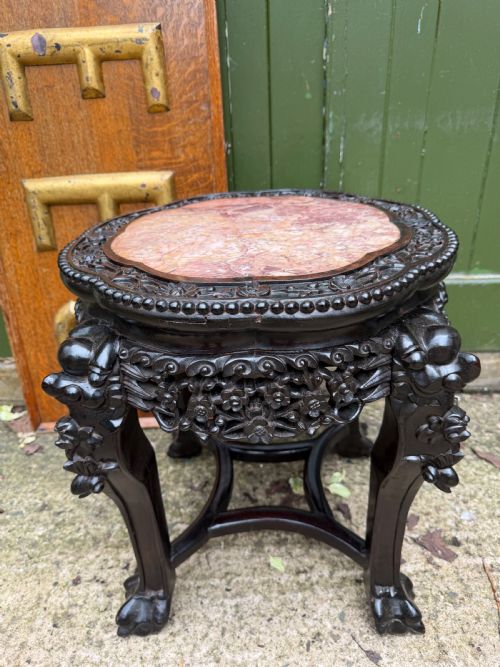

Hardwood Marble Top Table
These hardwood marble top table designs combine dense timber frames with cool stone insets, offering sturdy surfaces for plants and decorative objects.
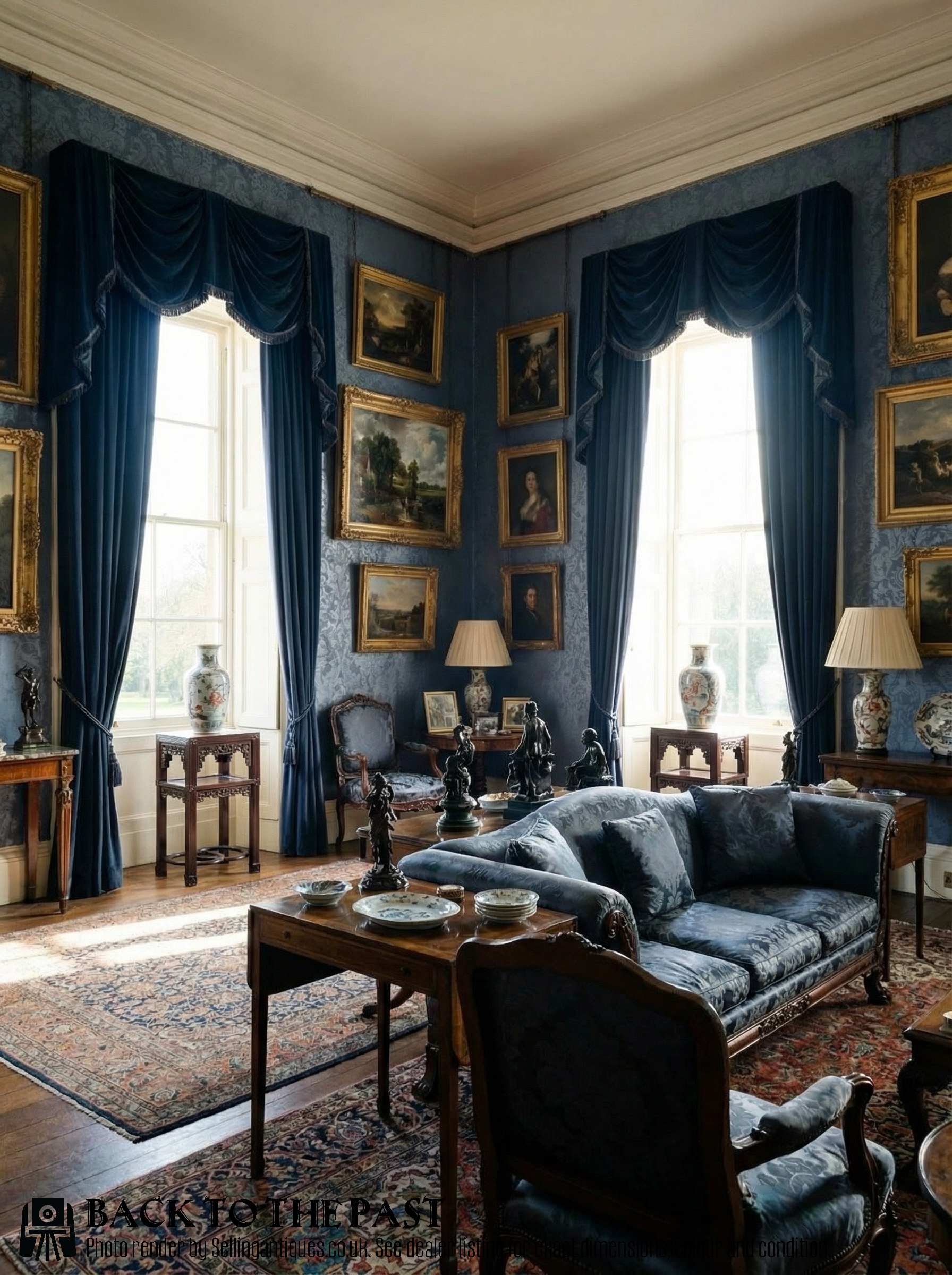
Hardwood Marble Top Table
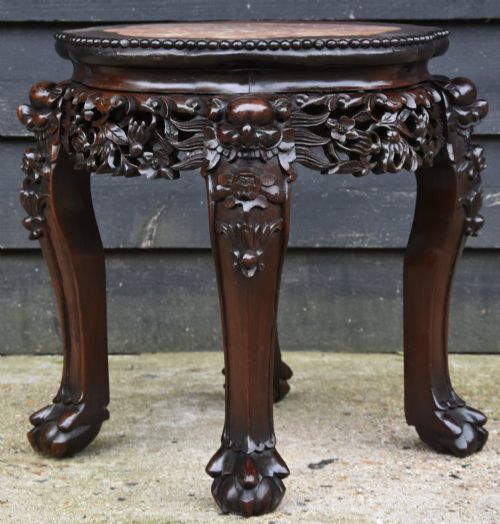
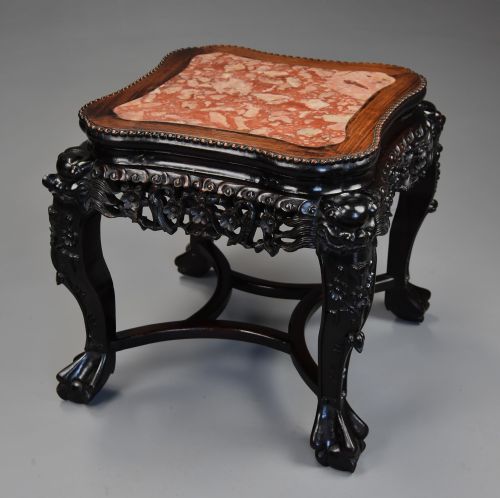
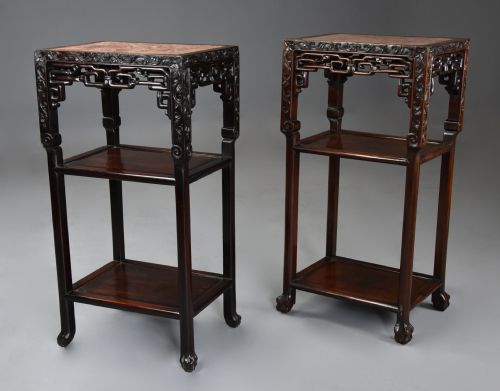
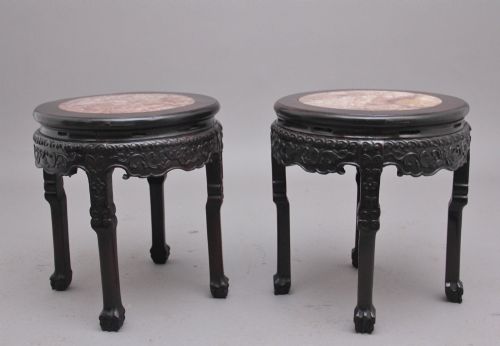
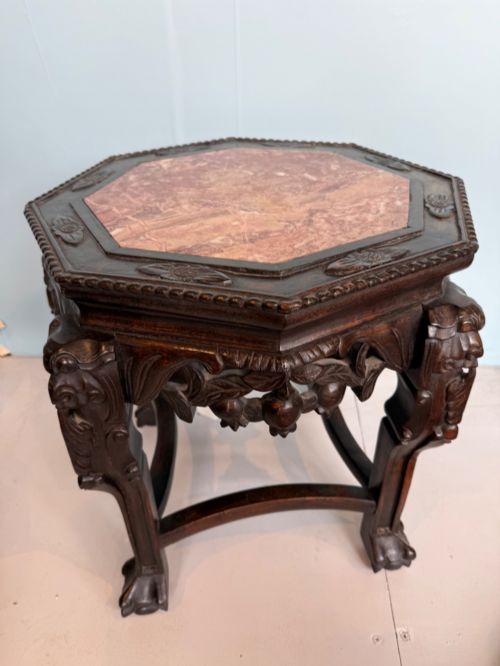
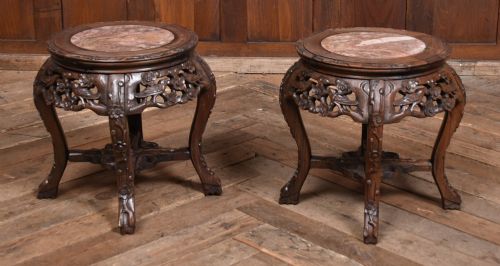
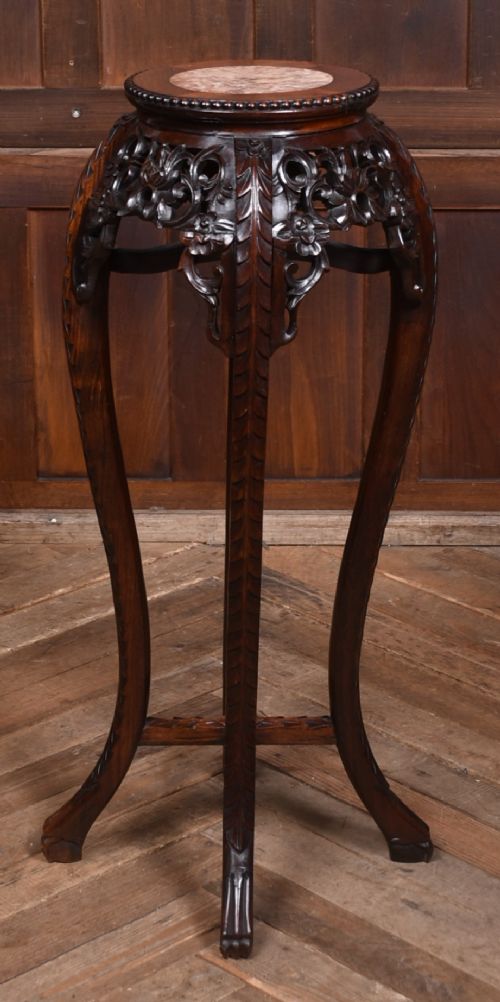
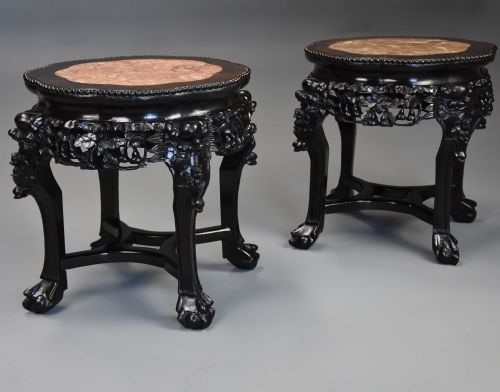
A hardwood marble top table usually takes the form of a plant stand, jardiniere stand, or low occasional table. These pieces emerge predominantly from nineteenth-century Chinese export workshops and Qing Dynasty traditions, though occasional Victorian English ebonised examples appear alongside Meiji period pieces.
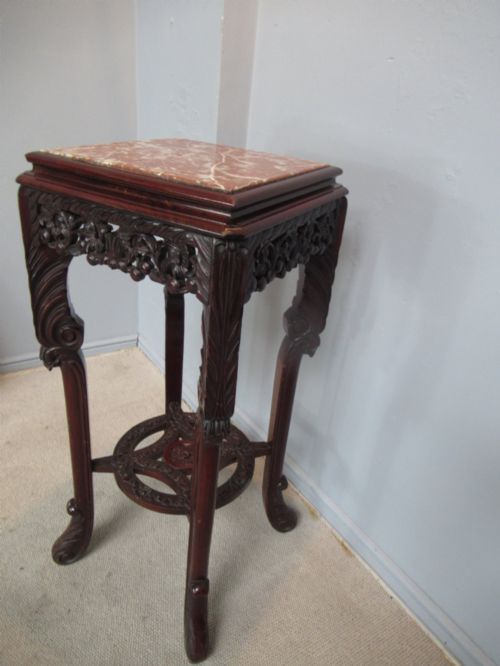
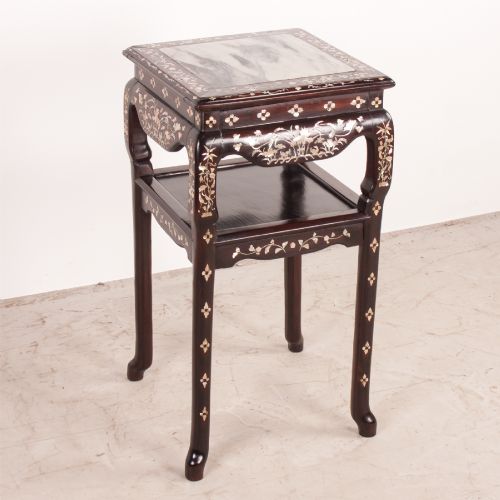
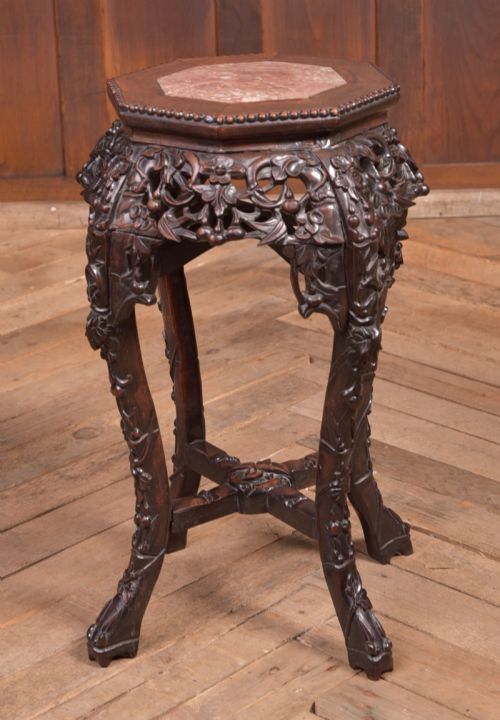
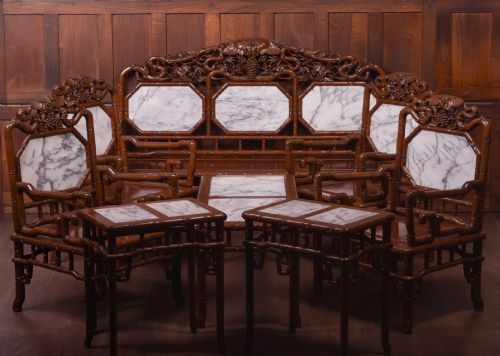
Forms range from tall pedestal stands designed for urns and vases to low rectangular centre tables and tiered display units. The defining characteristic across all these variations is a smooth inset stone panel fitted tightly within a carved wooden frame.
How they were made
Carpenters utilised dense tropical timbers such as rosewood, padouk, and ebonised hardwood, often carving intricate floral and scroll motifs directly into the solid wood frame. These heavy woods provided the structural rigidity required to support thick sections of natural marble.
The stone insets typically feature varied rouge or neutral marble, cut to fit flush with the surrounding timber surface. Mother-of-pearl inlay sometimes embellishes the wooden structure, adding contrasting luminous detail to the dark grain.
What varies in quality
The depth and crispness of the hand-carved motifs separate standard production from superior examples. Finely articulated floral work and undercut foliage demonstrate a higher level of workshop skill.
The selection and fit of the marble insert also indicate quality, with well-figured stone sitting completely level within the rebated wooden frame without gaps or excessive filler.
The Hardwood Marble Top Table Glossary
- Hongmu
- A traditional Chinese term denoting dense, dark hardwood species used for fine furniture and display stands. It translates directly to red wood.
- Jardiniere stand
- A tall or low support specifically built to hold heavy ceramic plant pots and floral arrangements. These stands frequently incorporate inset stone tops to resist moisture.
- Rouge marble
- A decorative limestone variety featuring deep red and reddish-brown tones with white or grey veining. It provides a striking contrast against dark tropical timbers.
- Padouk
- A heavy, durable reddish-brown tropical hardwood prized for its stability and fine finish. Makers utilised this timber extensively for nineteenth-century export furnishings.
- Ebonised
- Wood treated with a chemical stain or finish to simulate the appearance of solid ebony. This dark surface treatment found favour in Victorian and export workshops.
Hardwood Marble Top Table: Frequently Asked Questions
What were hardwood marble top tables used for?
These tables served primarily as display furniture within nineteenth-century parlours and reception rooms. Their cool stone surfaces provided durable placement areas for heavy ceramic plant pots, bronze urns, and decorative lamps.
Craftsmen built them in varied heights, from low tea tables to tall pedestals, allowing households to showcase prized ornaments at different levels within a room.
How do I identify Chinese export pieces?
Chinese export pieces from the nineteenth century typically display dense tropical hardwoods like rosewood or padouk combined with deeply carved organic motifs. The integration of inset marble panels and specific joinery methods points directly to these workshops.
Many of these items were constructed specifically for Western markets during the late Qing Dynasty, blending traditional domestic forms with styles popular in Europe.
Are marble inserts original to the stands?
The marble inserts in these tables were custom cut to fit the rebated wooden frames during initial construction. Original stones sit flush with the surrounding timber and match the exact dimensions of the internal rebate.
Differences in weathering between the wood and stone or loose fits can sometimes indicate a later replacement panel.
How should I care for the timber and stone?
Maintain the hardwood frame by applying a light coat of natural wax periodically to nourish the grain. Avoid placing the furniture in direct sunlight or near heat sources to prevent the wood from shrinking.
Clean the marble insert with a soft, damp cloth and mild soap, avoiding acidic cleaning agents that might etch the polished stone surface.