



Hardwood Marble Top Stand
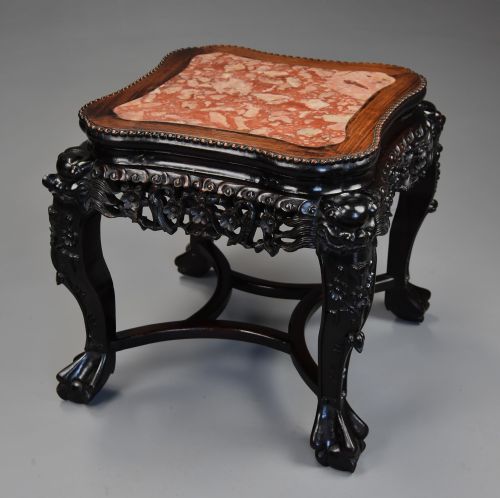
A hardwood marble top stand brings a heavy, carved Oriental silhouette to a room, serving as an ideal pedestal for plants and urns.
Hardwood Marble Top Stand
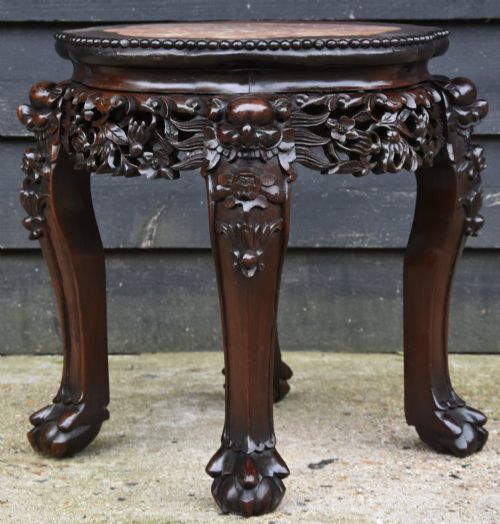
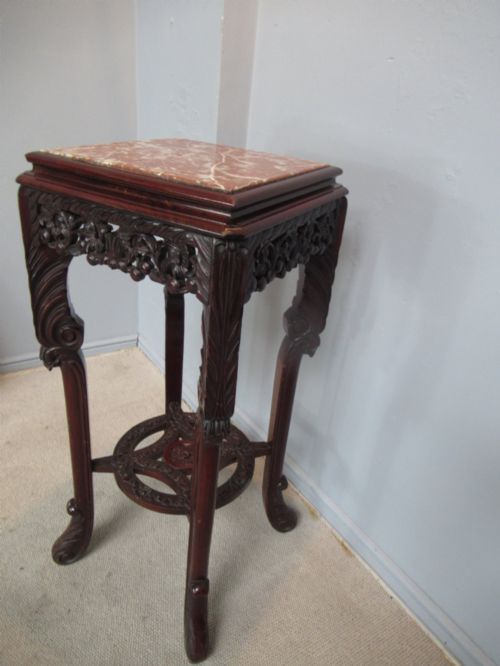
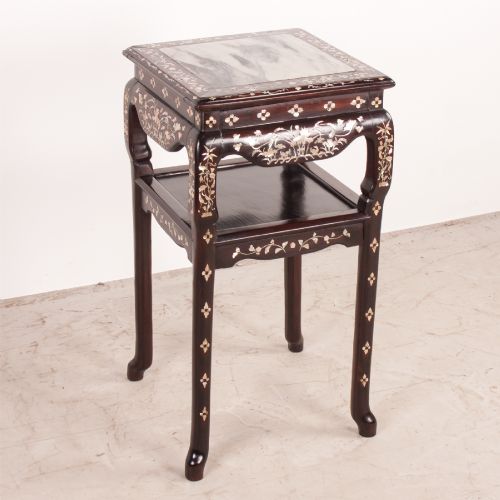
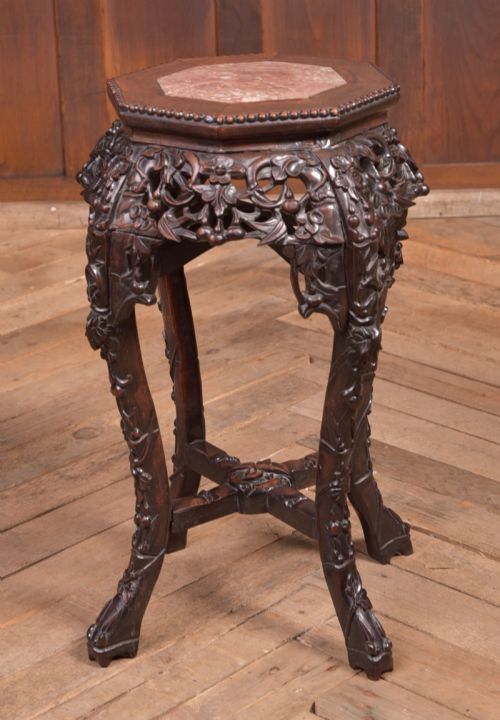
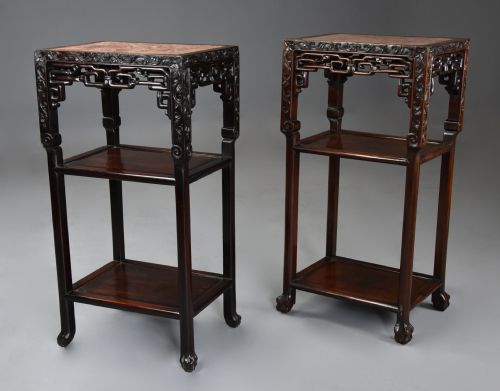
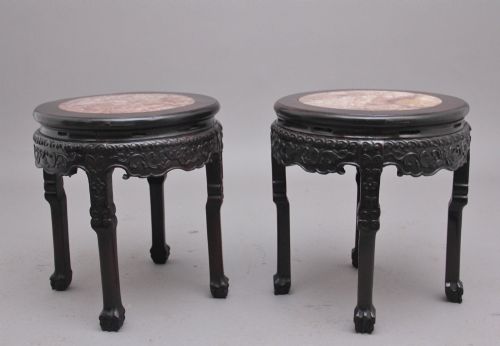
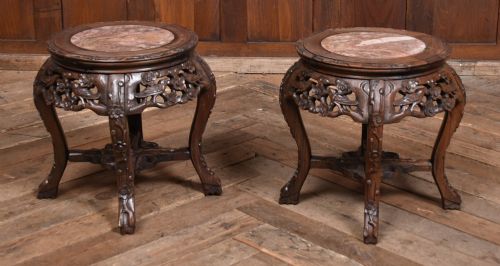
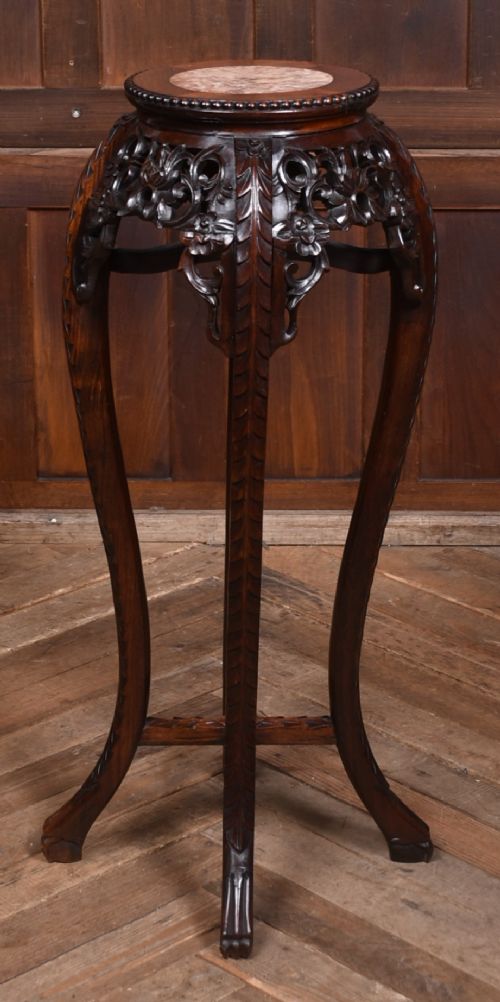
A hardwood marble top stand is primarily a nineteenth-century Oriental furnishing designed to elevate heavy ceramic bowls, vases, and planters. Buyers searching this phrase will find a wide variety of forms on this page, ranging from low jardiniere stands and occasional tables to tall pedestal urn stands.
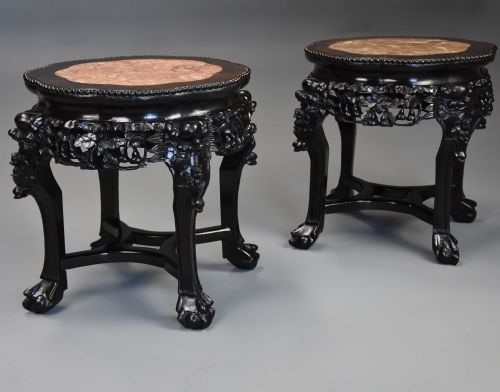
Most examples originate from China, spanning the Qing Dynasty and late nineteenth-century export periods, alongside occasional Japanese Meiji period pieces and Victorian ebonised interpretations. These pieces function equally well as lamp tables, side tables, and wine stands in modern interiors.
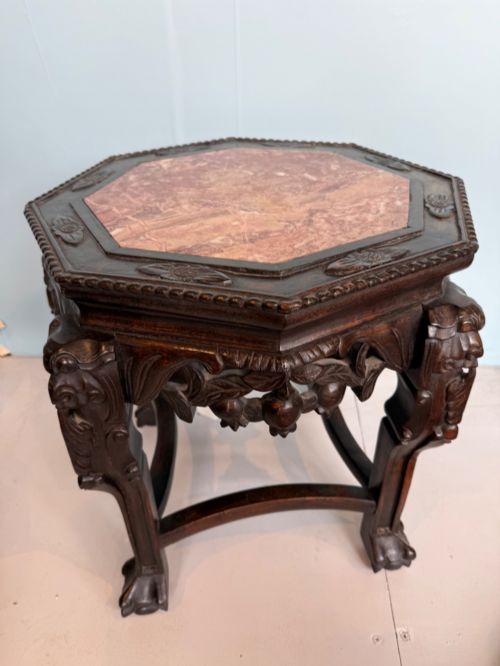
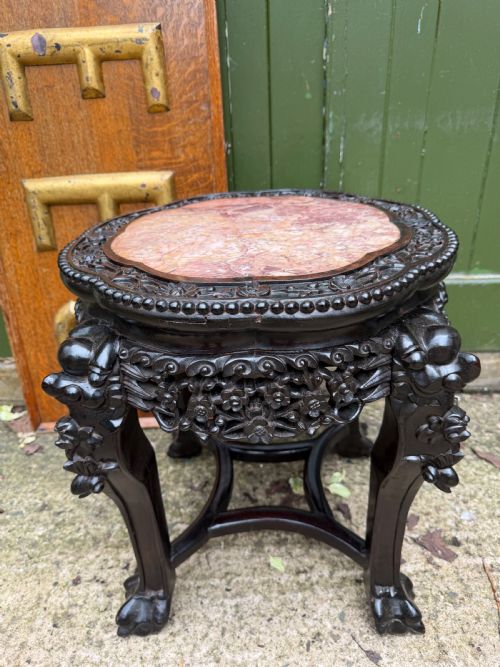
The format usually incorporates a circular, square, or shaped top inset with a smooth stone panel, resting on structured legs with intricate carving. Whether acquired as a single freestanding piece or as a matched pair, these stands introduce a distinct sculptural presence to living spaces.
Materials and Construction
The structural framework of these pieces relies upon dense oriental timbers, principally rosewood, padouk, and hongmu, supplemented by ebonised hardwood. These woods provide the necessary strength and weight capacity to support heavy stone inserts and large vessels without warping.
The inset top is formed from solid marble, frequently featuring variegated rouge or pale grey figuring, meticulously fitted into a rebated wooden frame. Artisans employed complex joinery and deep hand-carving techniques to shape the aprons, legs, and stretchers, often integrating mother-of-pearl inlay for decorative contrast.
Some nineteenth-century makers hid intricate floral carvings on the underside where only the floor could admire them.
Assessing the Craftsmanship
The distinction between standard examples and superior pieces rests entirely upon the depth and precision of the hand-carved detailing. Finer stands display crisp undercut foliage, balanced proportions, and well-executed joinery that remains tight despite changes in humidity.
The Hardwood Marble Top Stand Glossary
- Hongmu
- A dense, dark traditional Chinese hardwood used for fine furniture and decorative stands. It translates literally to red wood.
- Padouk
- A heavy, durable exotic timber prized by makers for its rich reddish-brown tone and stability. It polishes to a deep natural sheen.
- Jardiniere Stand
- A low or tall support specifically built to hold a large ceramic flower pot or plant bowl. They often feature water-resistant stone tops to handle damp conditions.
- Mother-of-Pearl
- The iridescent inner layer of certain mollusc shells, carved into thin pieces and set into wooden channels for decoration. It creates sharp contrast against dark hardwoods.
Hardwood Marble Top Stand: Frequently Asked Questions
What were these stands originally used for?
These pieces were built to elevate heavy Chinese fish bowls, ceramic jardinieres, and valuable vases above floor level. This elevation protected large vessels from dampness and allowed closer inspection of decorative glazes.
Over time, collectors adapted them into occasional tables, lamp stands, and plant pedestals for domestic interiors.
How do I care for the marble top?
The marble insert requires simple cleaning with a soft, damp cloth and neutral soap to remove dust and minor marks. Avoid acidic cleaners or harsh chemicals that can etch the polished surface of the stone.
Applying a light neutral wax to the surrounding hardwood helps maintain the timber's moisture balance and lustre.
Are pairs common for these stands?
Matched pairs frequently appear in nineteenth-century Chinese export production, as artisans originally built them to balance formal room layouts. Finding a surviving pair of identical height and carving style is typical for lower jardiniere stands.
Single stands are equally prevalent for standard living room placement.
How can I tell the period of the wood?
Nineteenth-century pieces display dense grain patination, hand-cut joinery marks, and natural wear consistent with age. Padouk and rosewood timbers from this era darken naturally with exposure to light.
Examining the underside reveals the construction methods and tool marks left by nineteenth-century craftsmen.