



Hardwood Low Table
When you select a hardwood low table, you invite a substantial piece of 19th-century or early 20th-century craftsmanship into your room.
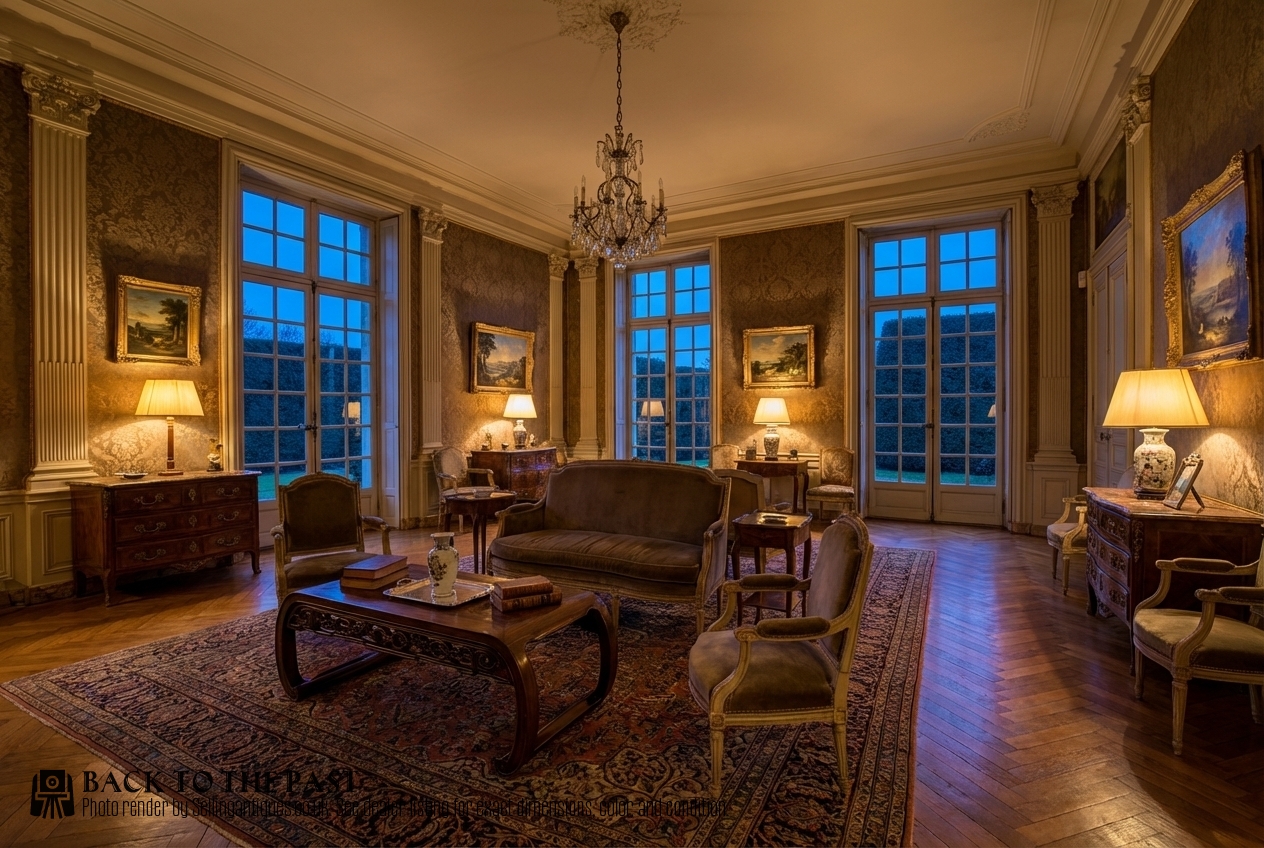
Hardwood Low Table
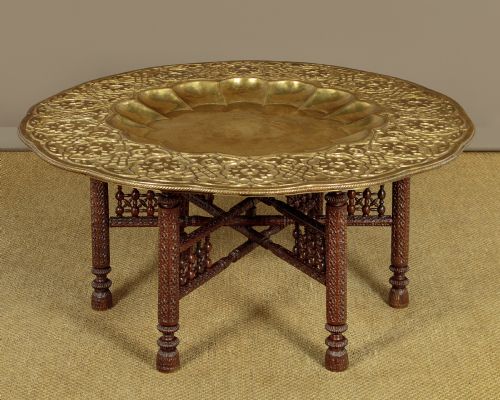
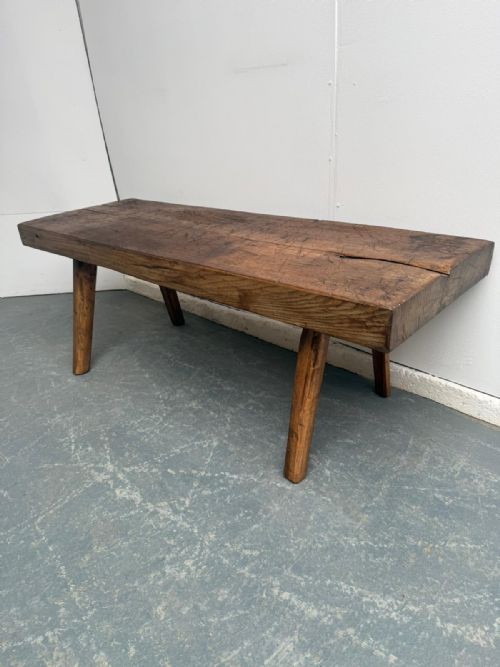
A hardwood low table brings versatile, low-slung utility to a modern sitting room through forms originally created for different domestic traditions. The search phrase covers an array of functional objects, from Chinese kang and opium tables to Indian daybeds, European pig benches, and plant stands.
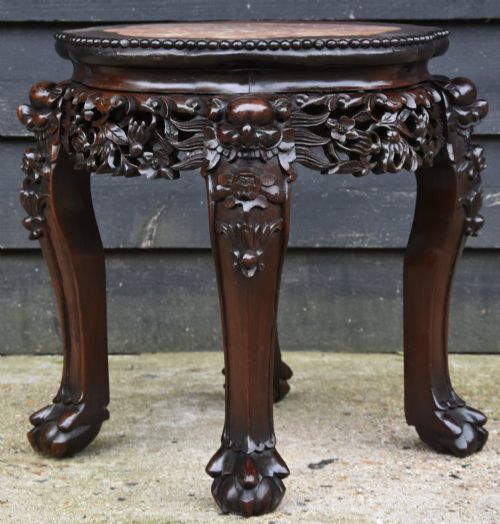
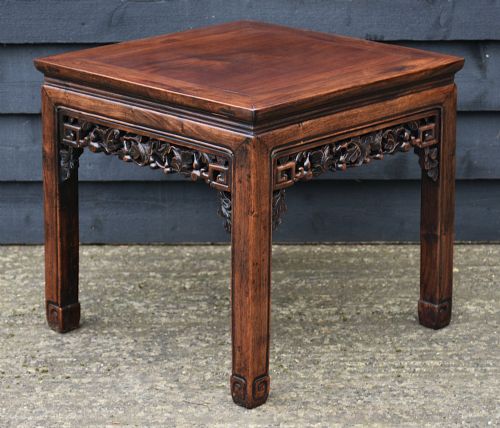
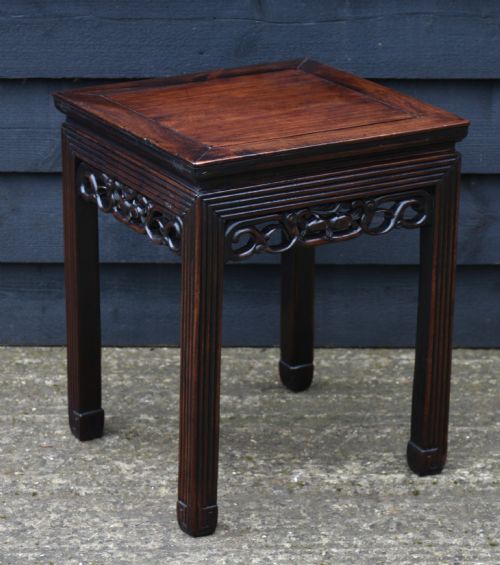
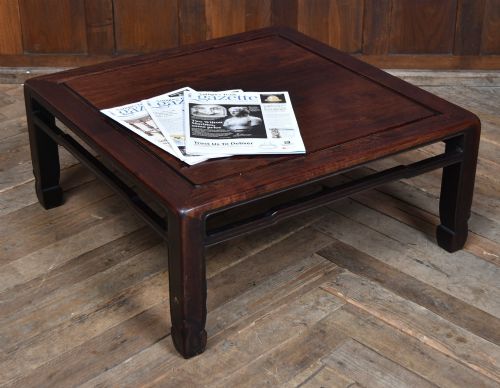
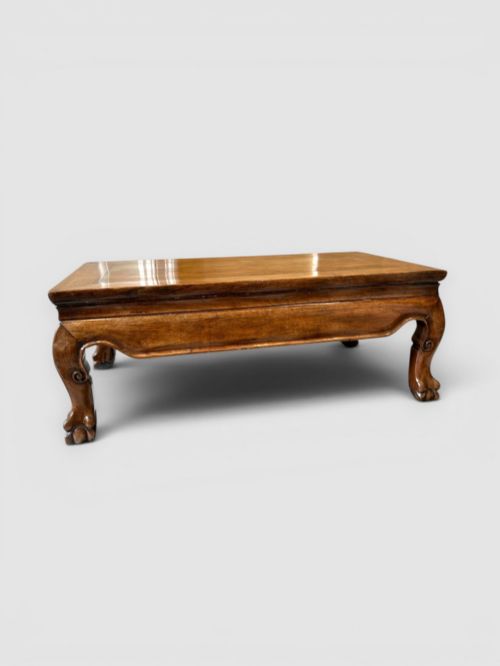
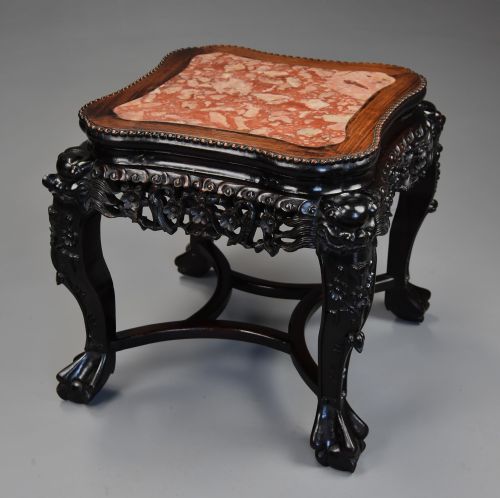
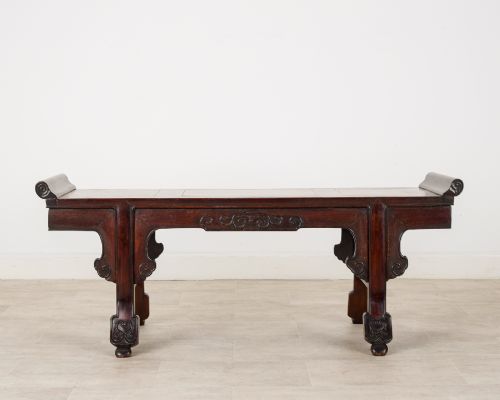
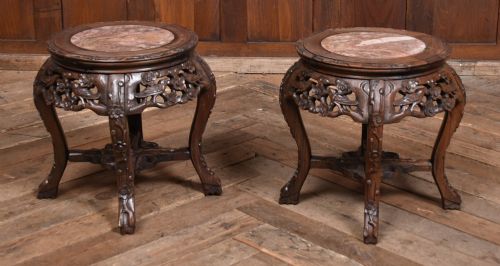
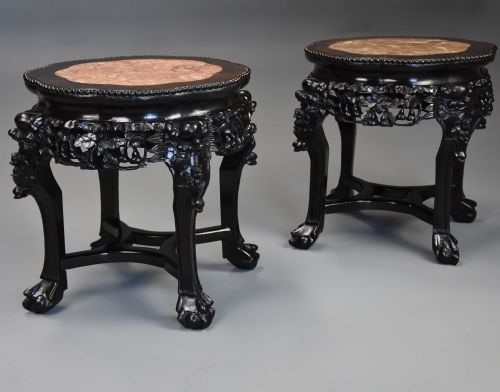
The version most commonly encountered on this page is the Chinese carved hardwood low table or opium table, frequently dating from the late 19th century or around 1900. These pieces often feature traditional details such as scroll ends or inset marble tops, alongside broader oriental and Anglo-Indian variations.
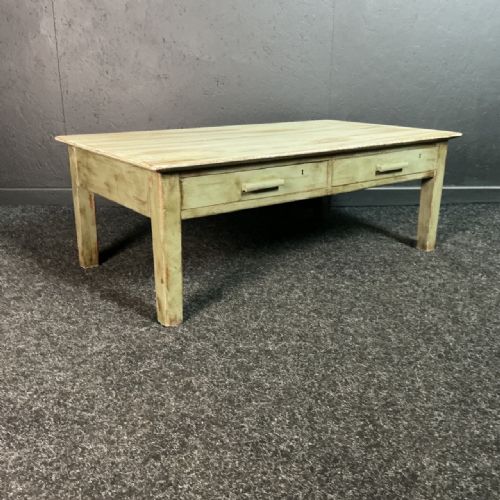
Beyond standard coffee table heights, the selection includes low benches, window seats, and jardiniere stands adapted for contemporary living. Dense timbers and careful carving define the category, linking diverse regional histories through a shared low profile.
How They Were Made
Makers utilised dense timbers such as rosewood, padouk, elm, teak, and hongmu, relying on their natural weight and tight grain to support intricate hand-carved decoration without losing structural integrity. These timbers often display a deep, rich patina developed over decades of use.
Construction techniques frequently involved traditional joinery that allowed solid planks and frames to expand and contract naturally with changes in climate. Artisans integrated decorative elements directly into the structure, embedding variegated rouge marble panels, brass work, or porcelain tiles straight into the hardwood surface.
Hardwood Low Table Retail Price Guide 2026
Typical asking prices for hardwood low table among the pieces listed under this phrase on Sellingantiques today, from the lower quarter to the upper quarter. They describe what is for sale here now, not the wider market.
Listings feature pieces spanning from the Victorian era and the 1880s through to the 1930s, constructed in rosewood, elm, teak, and marble.
What Varies in Quality
The standard of carving distinguishes superior examples from simpler utilitarian pieces, separating crisp, deeply undercut foliage and scrollwork from flat or hasty execution. Depth of relief and symmetry in floral or geometric motifs reflect the skill invested by the original maker.
Material selection and surface condition dictate the upper tier of the range, particularly the choice of dense rosewood or hongmu paired with intact, unblemished marble or stone insets. A stable structure retaining its original warm patina commands greater appreciation than a piece compromised by poor repairs or dry timber.
The Hardwood Low Table Glossary
- Kang table
- A low platform table originating in China, traditionally used for sitting, dining, or resting upon a heated brick bed. These pieces generally feature short legs and scroll ends.
- Opium table
- A common term for a compact, low-standing table used in domestic settings for serving tea or smoking. They share a similar low profile to kang tables.
- Hongmu
- A translation meaning red wood, referring to various dense, heavy Asian hardwoods prized for furniture making. It acquires a deep lustre over time.
- Padouk
- A heavy, durable tropical hardwood with a characteristic reddish hue that darkens with age. It provides a stable base for intricate carving.
- Jardiniere stand
- A tall or low decorative table designed specifically to hold plant pots and floral arrangements. They frequently incorporate inset marble tops to resist moisture.
Hardwood Low Table: Frequently Asked Questions
What is an opium table used for today?
These compact low tables function effectively as coffee tables or accent surfaces in modern living spaces. Their modest height suits low seating arrangements.
They also serve as display platforms for objects, plants, or books, adding architectural interest to a room without blocking sightlines.
How do I care for antique hardwood?
Maintain the timber by dusting regularly with a soft, dry cloth and avoiding excessive moisture. Direct sunlight and sudden temperature shifts can dry out the wood.
Apply a natural wax polish occasionally to nourish the surface and preserve the deep patina developed over the centuries.
What is the difference between a kang table and a coffee table?
Kang tables were originally built low to the ground for traditional Asian domestic rituals involving floor seating. Western coffee tables were later adopted for use with standard sofas and armchairs.
Many antique kang tables now double as coffee tables because their proportions suit contemporary seating heights.
How can I tell the age of these pieces?
Dating relies on examining the timber's patina, construction methods, and the style of the hand-carved ornamentation. Nineteenth-century examples often show distinct tool marks and dry shrinkage patterns.
Comparing the joinery and material types against documented period pieces helps establish a reliable timeframe for manufacture.