



Hard Paste Porcelain Figure
A hard paste porcelain figure brings the theatre of the 18th and 19th centuries directly onto a surface with modelled form and painted colour.
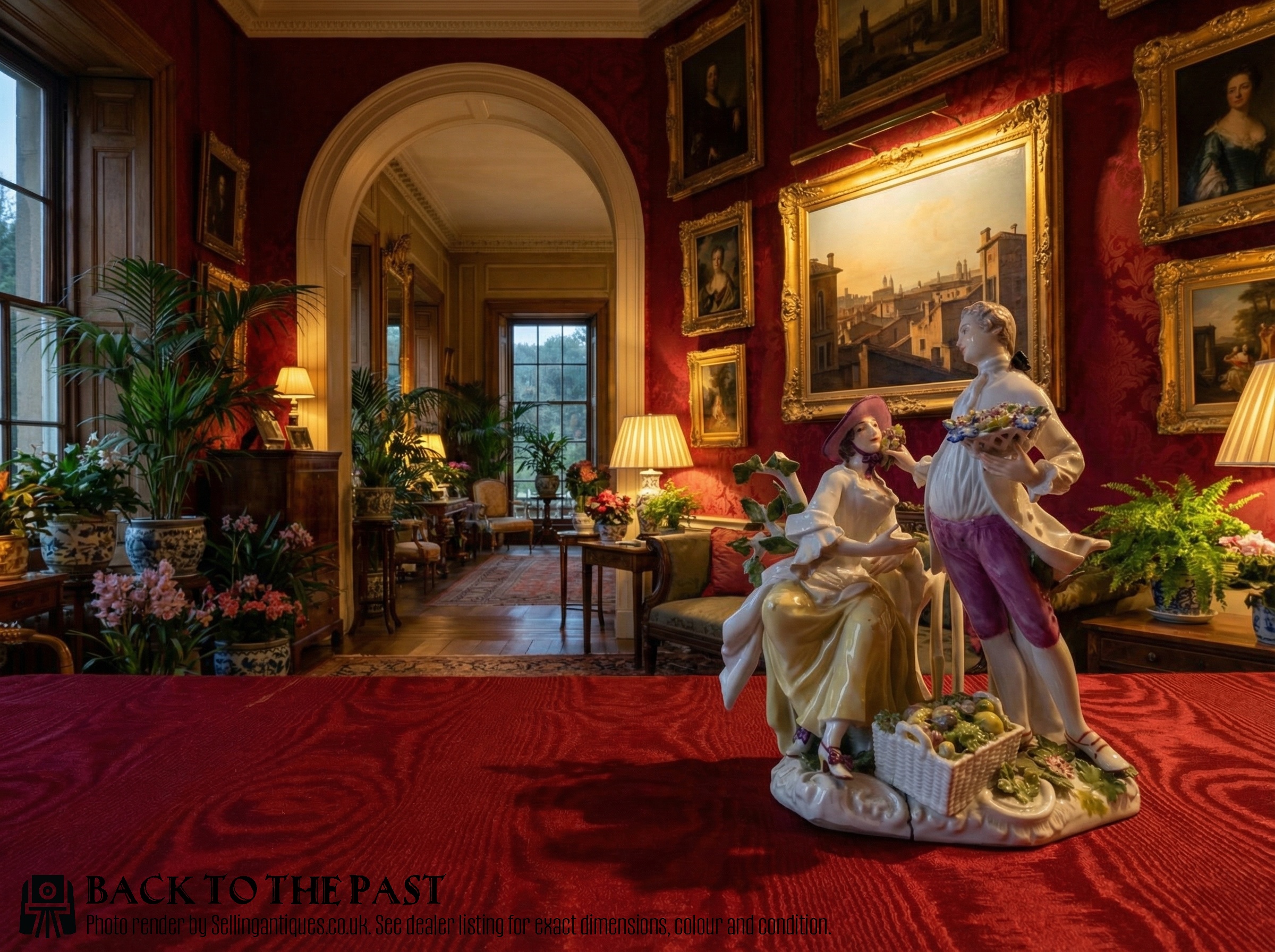
Hard Paste Porcelain Figure
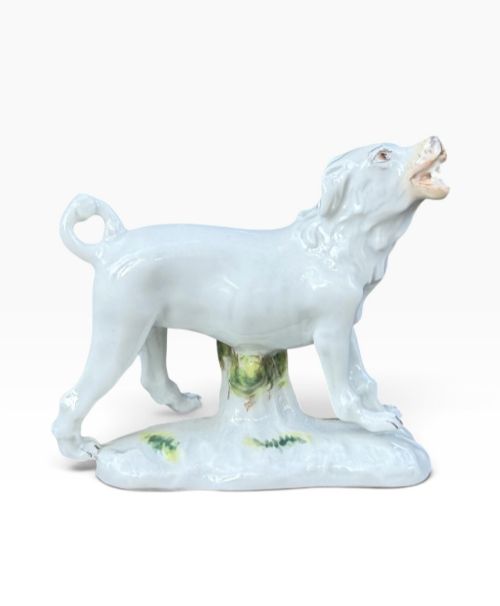
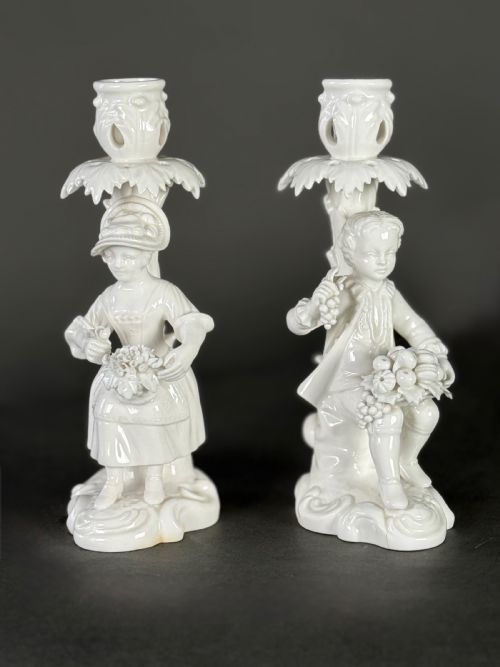
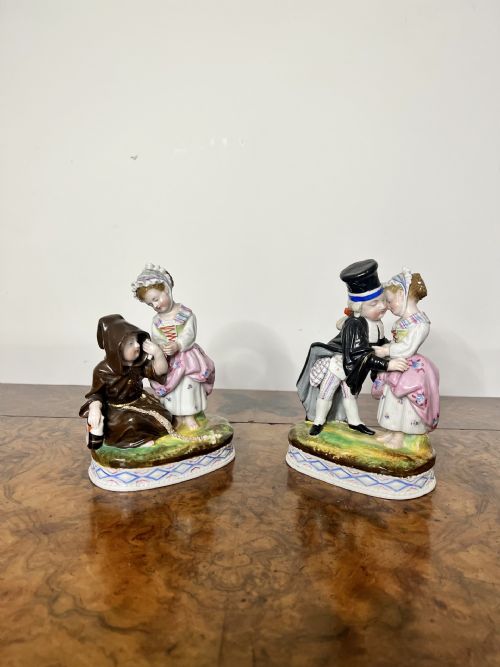
A hard paste porcelain figure sits among decorative objects as a sculpted porcelain figurine, group, or candlestick. The pieces seen here span the 18th century, the Victorian era, and into the 20th century, capturing subjects from street traders and gardeners to musicians and animals.
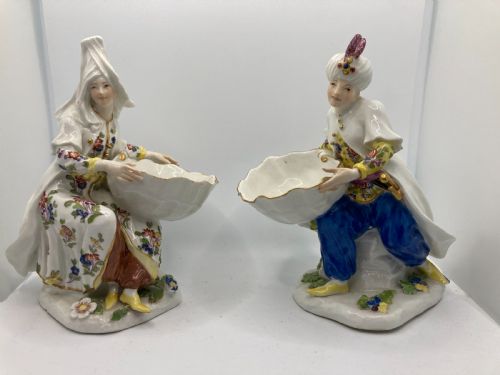
Most examples originate from prominent continental workshops, with Meissen and Samson of Paris appearing frequently alongside Derby styles. Forms range from single figures playing instruments to elaborate multi-figure groups and pairs holding sweetmeat bowls.
Makers drew on Rococo, Rococo Revival, and 20th Century Naturalist styles to shape these works. Buyers encounter both single allegorical figures and large pairs designed for mantelpieces and tables.
Materials and construction
The body consists of hard-paste porcelain fired at high temperatures to achieve a dense, vitrified structure. Artisans then applied detailed enamel painting by hand, often incorporating gold leaf and gilt highlights to enrich the decorated surfaces.
Glossy and smooth glaze coatings seal the ceramic body, providing a protective and reflective finish over the painted details. Some pieces utilise blanc de chine glazes to emphasise the sculptural modelling without added colour.
Listings feature hard-paste porcelain and enamel materials shaped into figurines, candlesticks, and bowls across 18th and 19th century periods.
Judging quality and execution
Quality rests upon the crispness of the modelled detail and the precision of the hand-painted enamels. Finer examples display cleanly defined facial expressions, delicate fingers, and intricate drapery folds that remain sharp beneath the glaze.
The ambition of the composition also separates standard production from superior work. Multi-figure groups with complex interactions and animals in dynamic motion demonstrate greater technical mastery by the modeller than static single pieces.
Meissen·Samson Paris·C G Schierholz·Derby
The Hard Paste Porcelain Figure Glossary
- Hard-paste porcelain
- A durable ceramic composition made from kaolin and petuntse fired at high temperatures. It creates a dense, bright white body that resists scratching and holds sharp sculptural details.
- Gilt
- A thin layer of gold applied to the porcelain surface for decorative accent. It highlights borders, clothing details, and accessories.
- Blanc de chine
- A French term for white Chinese porcelain, later applied in Europe to uncoloured white glazed figures. It allows the form of the sculpture to take precedence over painted decoration.
- Sweetmeat bowl
- A small open vessel integrated into a figure or pair designed to hold confectionery or condiments at a dining table. They frequently accompany figures holding bowls or baskets.
Hard Paste Porcelain Figure: Frequently Asked Questions
How do I date an antique porcelain figure?
Dating relies on identifying factory marks, sculptural styles such as Rococo Revival or 20th Century Naturalist, and the handling of the enamel colours.
Comparing the modelling technique with known factory periods helps narrow down the decade of production.
Where were these porcelain pieces made?
The majority originate from continental European kilns, notably Meissen in Germany and Samson workshops in Paris, France.
English factories like Derby also produced works influenced by continental styles.
How should I clean porcelain figures?
Dust the surface gently with a soft dry brush to prevent accumulation in the crevices of the modelled details.
Avoid harsh chemical cleaners or submersion in water, particularly on pieces with delicate gilt highlights or enamel painting.