





Harbour Wall Marine Artwork
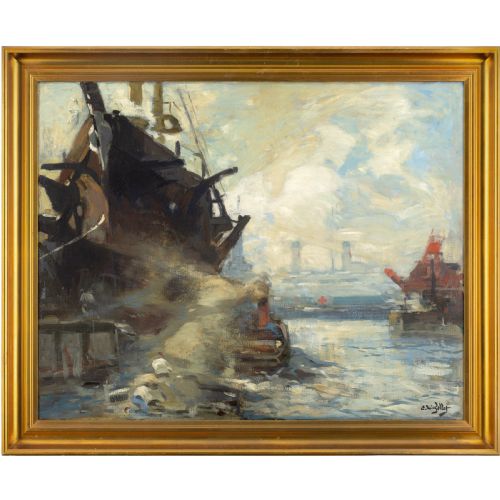
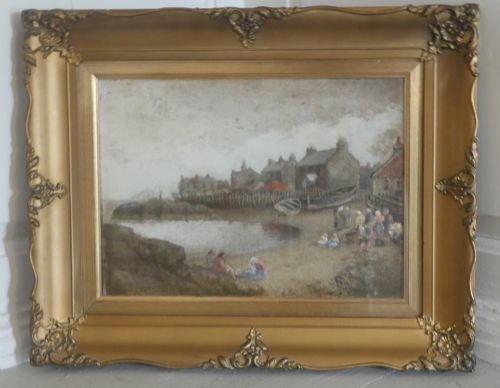
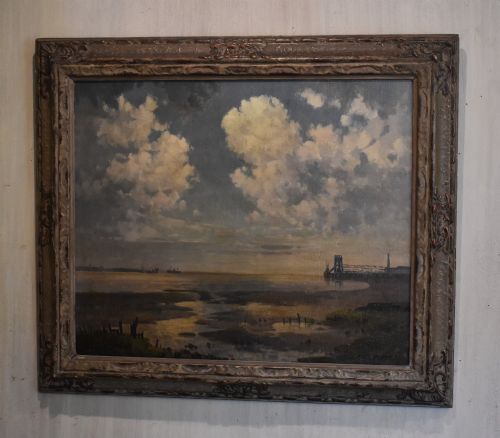
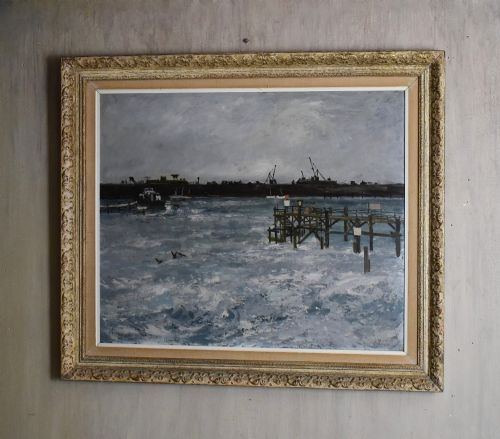
Harbour wall marine artwork captures the salt air and stone quays of maritime life through oil and watercolour, bringing historic coastal energy directly into a room.
Harbour Wall Marine Artwork
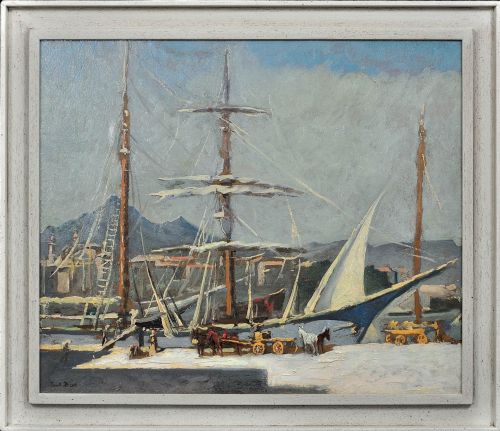
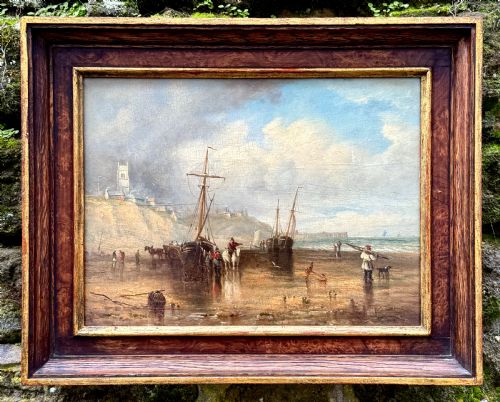
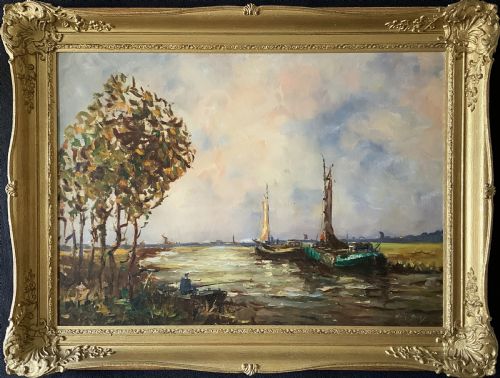
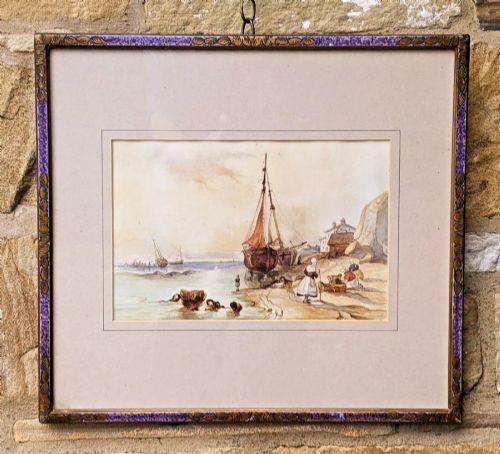
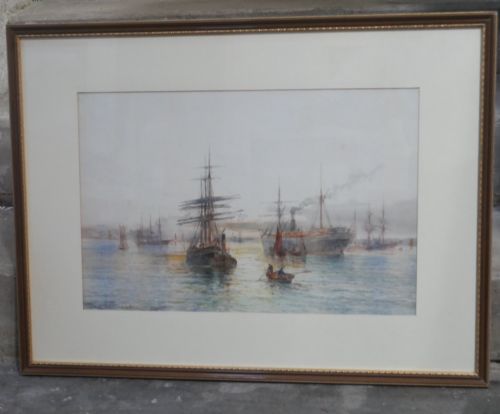
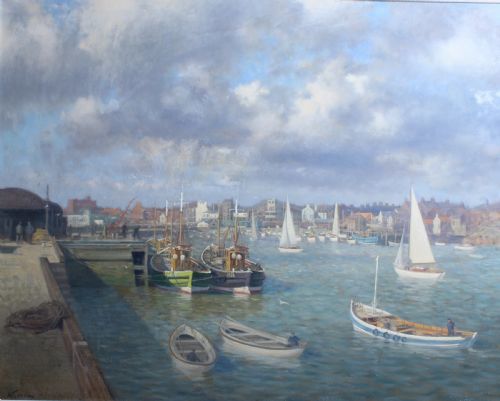
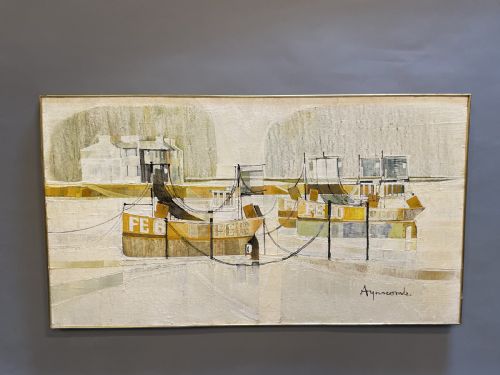
When searching for harbour wall marine artwork, buyers encounter framed paintings depicting bustling ports, quiet fishing quays, and anchored shipping vessels. These pieces range from Victorian watercolours of Cornish inlets to mid-century oil paintings of European canals.
The most common examples on this page are 19th-century watercolours and mid-century oil paintings on canvas or board. They focus heavily on British and European coastal scenes, featuring local trading vessels, trawlers, and harbour architecture.
Materials and technique
Artists working in this genre relied on oil paint and watercolour applied to paper, canvas, wood panels, or board. Oil paints provided deep, layered textures suitable for turbulent seas and heavy wooden hulls, while watercolours offered transparent fluidity for coastal light and expansive skies.
Framing often involved traditional wood mouldings under glass for works on paper, or heavy gilt frames for oil paintings on canvas. The physical support typically dictates the preservation state, with panels and boards resisting the buckling sometimes found in older paper.
Listings feature works spanning the eighteenth century through the mid-twentieth century, executed in oil and watercolour.
Distinctions in quality
Quality in these maritime scenes rests on the artist's command of light, atmosphere, and maritime architecture. Stronger works capture the specific rigging of vessels and the weathered texture of stone quays with confident brushwork, avoiding stiff or formulaic compositions.
The sensitivity of the colour palette and the handling of open water separate accomplished paintings from standard decorative pieces. Provenance and clear signatures by known painters further distinguish the upper tier of available works.
James Hardy·Kenneth Cozens·Eugène-Louis Gillot·Edward Mills·John E. Aitken·William Banks Fortescue·Clive Browne·Peter Brannan·Paul Bret·Thomas Creswick·Willem Bos·Walter Goodin·Alfred George Morgan·Charles William Wyllie·Eric Tufnell·Richard Harry Carter·William Lee Hankey·Thomas Bush Hardy·T.S. Wallis·James Webb·Owen Bowen·Samuel Owen·Ernest F. Hill·William Wyld·George Gregory
The Harbour Wall Marine Artwork Glossary
- Watercolour
- A painting method where fine pigments are suspended in a water-soluble binder and applied to paper. It creates delicate translucent washes ideal for capturing sea spray and coastal weather.
- Oil paint
- A slow-drying medium made by combining pigments with drying oils such as linseed. This technique allows artists to build rich textures and deep tones suitable for maritime subjects.
- Provenance
- The documented history of ownership surrounding a work of art. Clear provenance helps verify the authenticity and attribution of historical paintings.
- Panel
- A rigid wooden or composite support used by artists instead of stretched canvas. Panels provide a stable surface for detailed oil painting.
- Maritime
- Pertaining to the sea, shipping, and navigation. In art, this category encompasses vessels, coastal architecture, and harbour scenes.
Harbour Wall Marine Artwork: Frequently Asked Questions
What subjects appear in these paintings?
These works depict working ports, fishing trawlers, sailing ships, and stone harbour walls across British and European coasts. Scenes range from bustling river pools to quiet tidal inlets.
Artists frequently documented daily maritime routines, including the loading and unloading of cargo vessels alongside local coastal landscapes.
How do I date an antique marine painting?
Dating relies on stylistic clues, framing techniques, and the depicted maritime architecture or vessel types. Victorian pieces often show narrative detail and heavy gilt frames, whereas mid-century works adopt looser brushwork.
Signatures, artist registry dates, and inscriptions on the reverse of the canvas or board provide further chronological confirmation.
Where should I hang a coastal artwork?
These paintings suit spaces with steady ambient light, away from direct sunlight that can fade watercolours or damage older pigments. Placing them against neutral wall colours allows the marine tones to stand out.
Consider room humidity levels, particularly when hanging works on paper or unsealed wooden panels in traditional environments.
How do watercolours and oils differ here?
Watercolours offer lighter, transparent depictions of coastal weather on paper, usually protected behind glass. Oil paintings present heavier textures and deeper pigments on canvas, wood, or board.
Oils generally tolerate environmental changes better than paper works, though both benefit from stable indoor conditions.