




Grey Ocean Oil Painting
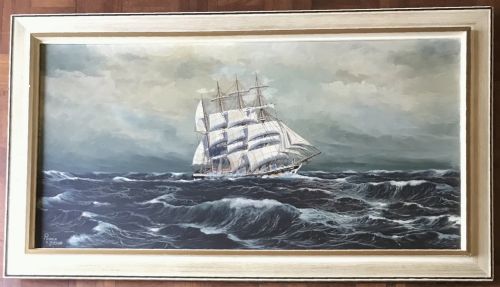
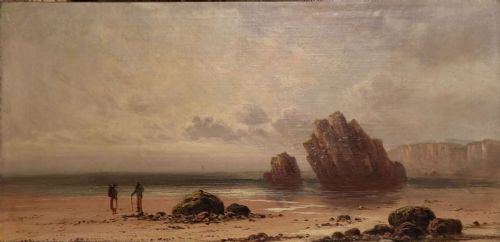
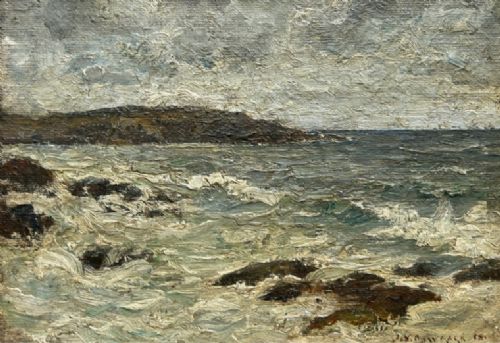
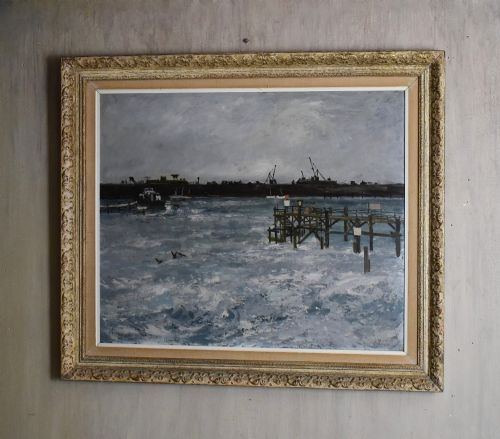
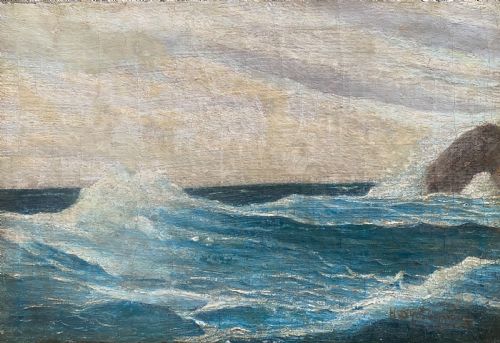
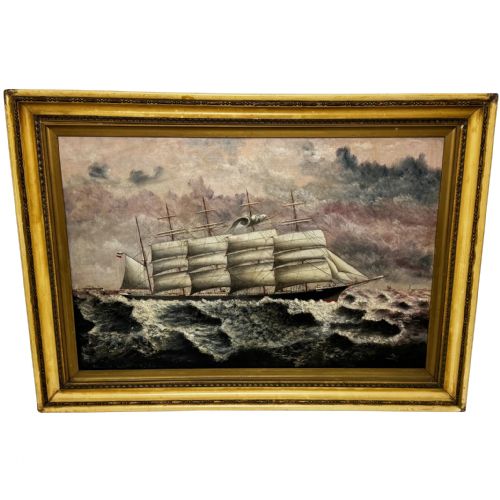
A grey ocean oil painting captures the moody depths of coastal waters, offering a window into stormy seas and quiet shores.
Grey Ocean Oil Painting
A grey ocean oil painting focuses on marine subjects, coastal landscapes, and dramatic maritime scenes rendered through a muted palette. Buyers seeking a grey ocean oil painting will encounter works spanning the Victorian era, the nineteenth century, and mid-century British modernism.
The selections on this page range from nineteenth-century realism and Victorian marine art to British impressionism and Russian modernism. Subjects frequently depict rocky beaches, stormy seas, sailing ships, and coastal viewpoints from Cornwall to the Scottish Borders.
Pieces take the form of traditional oil on canvas, board, and wood panels, often framed in gilt or gilt wood. These works capture the changing light and turbulent weather of the sea through varied historical lenses.
Assessing quality
Quality rests in the handling of light, atmosphere, and the convincing movement of water across the canvas. Stronger examples demonstrate a confident control of tone, capturing the heavy weight of stormy skies and crashing waves.
The skill of the brushwork and the structural integrity of the paint layer define the upper tier of works. Provenance, legible signatures, and historic framing further distinguish individual pieces.
Several artists clearly braved howling gales and salty spray to capture these moody coastal waves.
Peter Brannan·Dubovsky·William Greaves·Charles Sim Mottram·George Gregory·John Callow·Owen Bowen·Herbert James·Edward T Jones·Fred Dade
The Grey Ocean Oil Painting Glossary
- Impasto
- Paint applied thickly to a canvas, standing out in relief from the surface. This technique allows the artist to give physical texture to rough seas and churning water.
- Gilt Wood
- Wood that has been treated with a thin layer of gold leaf or gold-coloured finish. It is commonly found on the traditional frames housing these marine works.
- Marine Art
- Artwork that depicts or draws its main inspiration from the sea. This genre encompasses coastal landscapes, shipwrecks, and open ocean navigation.
- Board
- A rigid flat material used as a support for painting instead of stretched canvas. Artists often utilised wood or composition board for smaller plein air studies.
- Seascape
- A work of art that depicts the sea. These compositions focus primarily on coastal views, ocean waves, and maritime weather.
Grey Ocean Oil Painting: Frequently Asked Questions
What periods do these paintings cover?
The works span from the Victorian era and the nineteenth century through to the early decades of the twentieth century. Mid-century modern British and Russian modernist pieces also feature.
This broad timeline shows changing artistic interpretations of the sea, moving from detailed maritime realism towards more expressive modern approaches.
How should I care for an oil painting on canvas?
Keep the artwork away from direct sunlight, high humidity, and rapid temperature fluctuations to protect the canvas and paint layers. Dust the surface gently with a soft, dry brush.
Avoid using any liquids or chemical cleaners on the paint or the gilt wood frame. Professional framing advice should be sought if the canvas requires tension adjustment.
What subjects are common in these coastal scenes?
Common subjects include stormy seas, shipwrecks, coastal cliffs, and sailing ships navigating open waters. Specific locations across Britain, such as Filey Brigg and Runswick Bay, frequently appear.
Artists also recorded piers, rocky beaches, and figures gathered along the shore during high tides.
How do I identify the artist?
Look for signatures, monograms, or inscriptions within the composition, often found near the lower corners. Old labels, handwritten notes on the reverse of the canvas, or framing stamps can also provide clues.
Some works may be indistinctly signed, requiring stylistic comparison with known pieces from the same period.