

Hanging Brass Lantern
A hanging brass lantern brings warm illumination and character to a hallway or entrance, combining robust metalwork with glass panels to catch the eye.
Understanding the hanging brass lantern
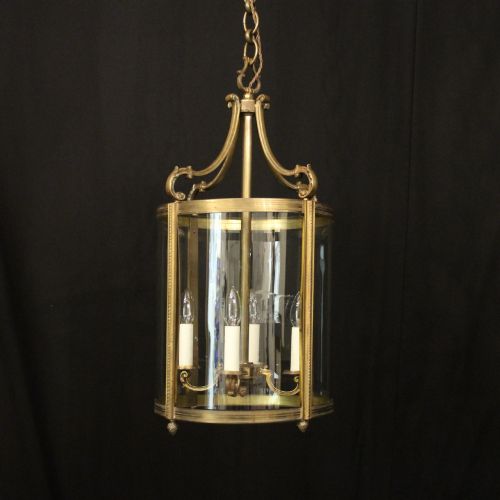
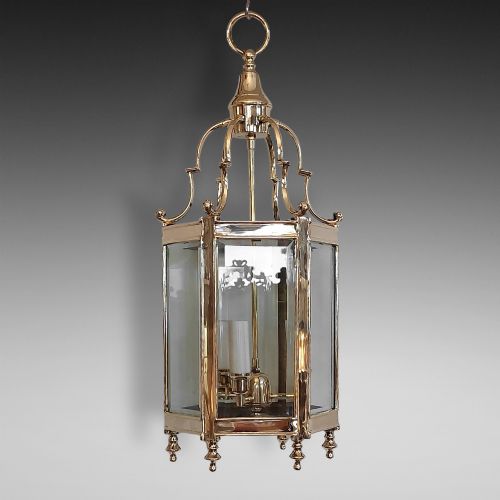
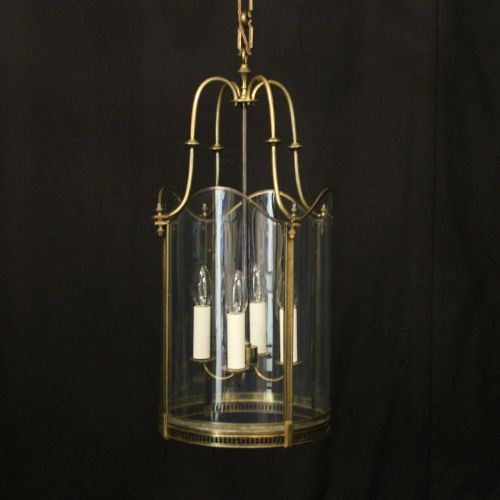
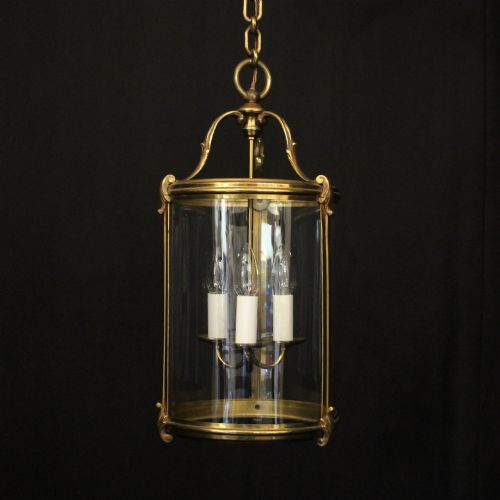
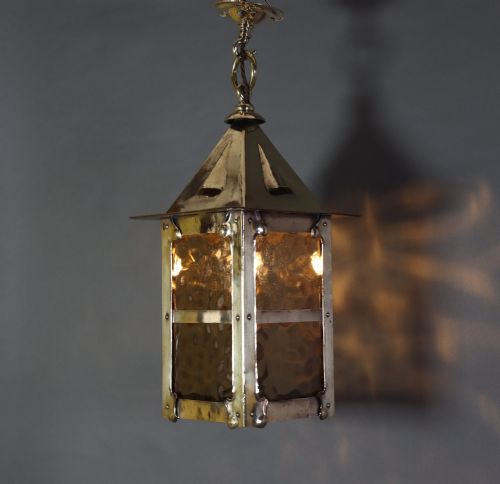
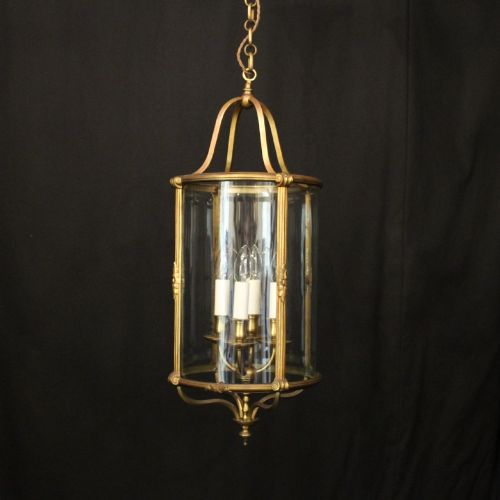
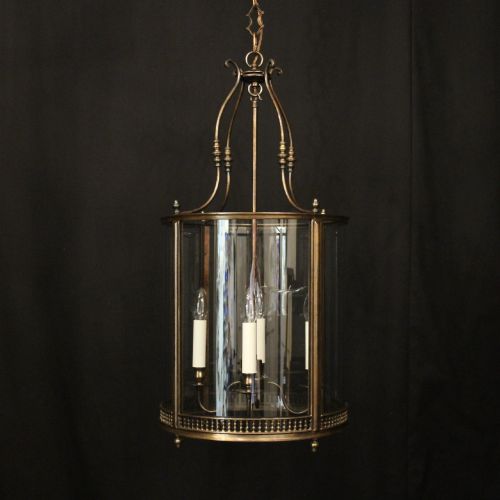
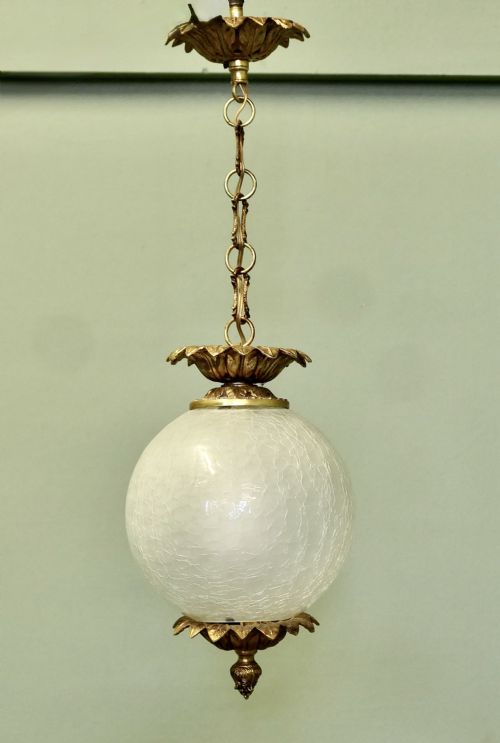
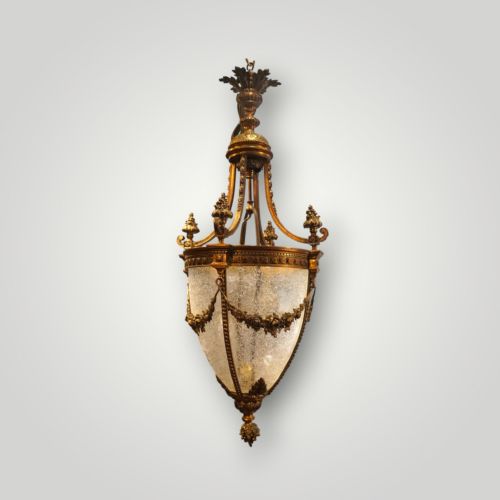
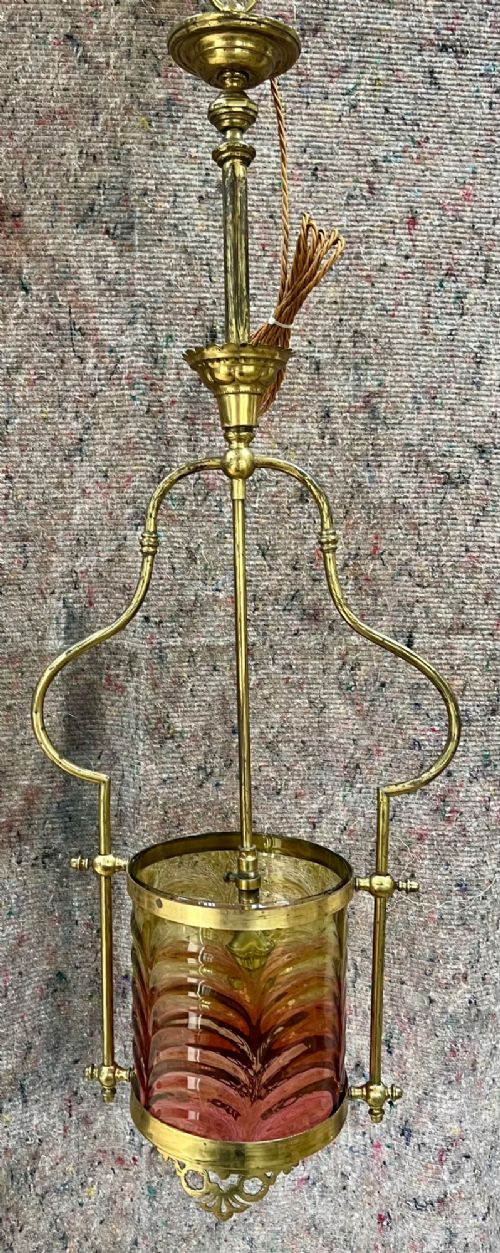
A hanging brass lantern is a ceiling-suspended lighting fixture designed primarily for entrance halls, corridors, and vestibules. When you search for a hanging brass lantern, you encounter forms that span several decades from the late nineteenth century through the interwar years, including Edwardian examples and pieces from around 1910, 1920, and 1930.
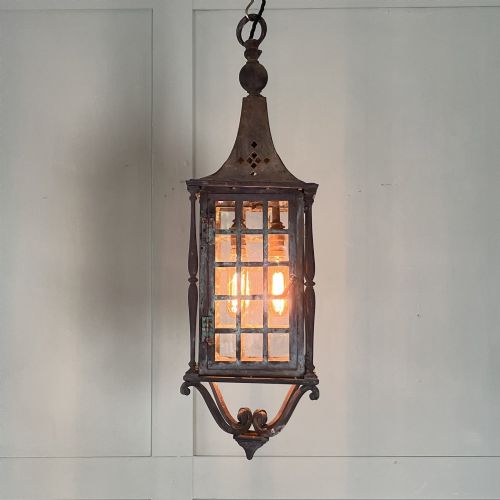
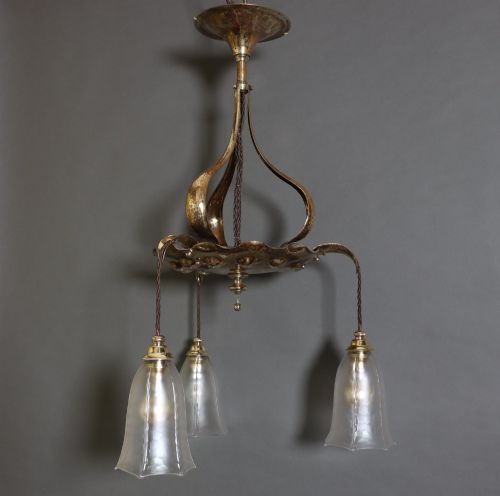
These fixtures appear in varied stylistic interpretations such as Arts and Crafts, Gothic Revival, French Rococo, Neoclassical, and English Regency. The most common manifestations on this page are hall lanterns, ceiling lights, and pendant lights suited for interior illumination.
Origins stretch across English and French workshops, with distinct regional preferences in metalwork and glass configuration. You find simple geometric shapes alongside ornate multilight configurations designed to make a formal architectural statement.
Materials and construction methods
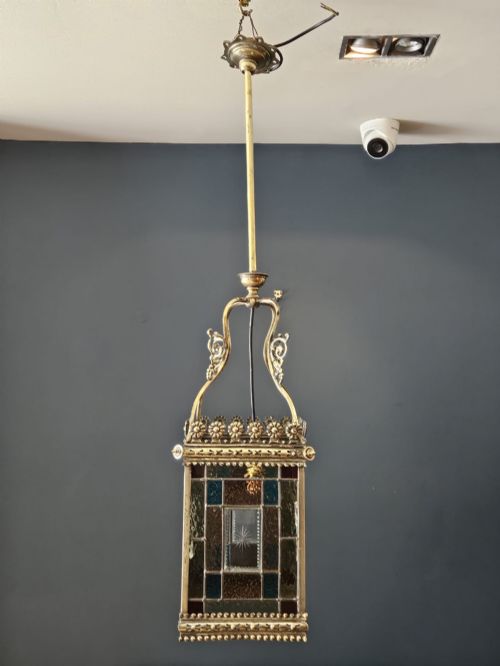
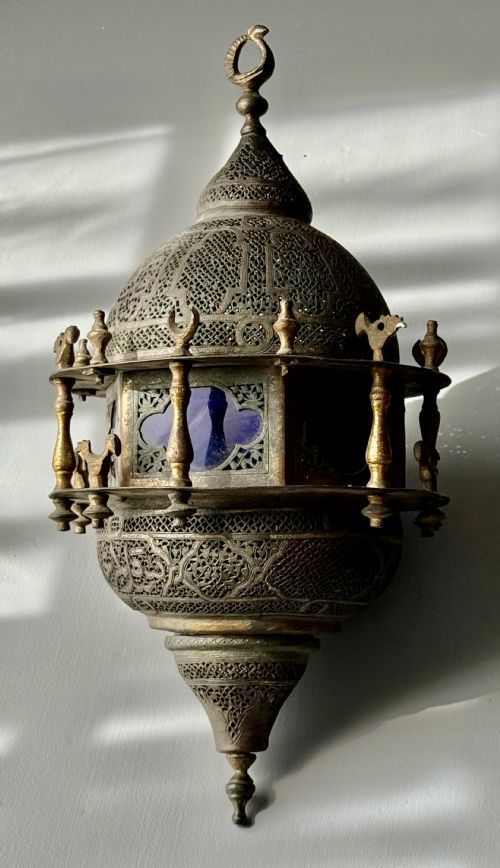
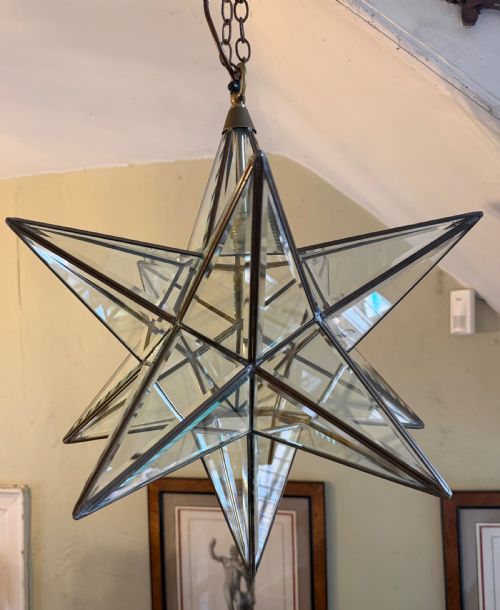
The construction of these pieces relies heavily on cast and sheet brass, occasionally enhanced by gilt brass or paired with steel and bronze elements. Metal frames are fabricated to hold transparent, facetted, stained, or crystal glass panels that enclose the light source.
Makers utilised techniques such as metal piercing, casting, and soldering to create sturdy structural cages and decorative ceiling roses. Suspension is typically achieved via matched hanging chains or sturdy brass rods secured to the upper crown of the lantern.
Retail Price Guide 2026
Typical UK retail prices for hanging brass lantern, calculated from the Sellingantiques database of over a million retail prices indexed since 2003. This retail price guide relies exclusively on Sellingantiques data; no external sources or auction records are used, so the figures do not describe the wider market.
Materials recorded across the archive include clear glass, stained glass, crystal, brass, gilt brass, steel, and bronze.
Distinctions in craftsmanship
Quality in these lanterns is defined by the weight and thickness of the cast brass frame rather than thin sheet metal construction. Finer examples display crisp casting detail in their decorative mounts and foliage, alongside heavy gauge chains and secure internal framing.
The choice of glass significantly separates standard production from superior pieces, with bevelled, facetted, or stained panels indicating higher workshop ambition. Integration of components, from the ceiling rose to the lower finial, determines the overall harmony of the design.
GEC
The Hanging Brass Lantern Glossary
- Ceiling rose
- A decorative circular moulding affixed to the ceiling where the suspension chain exits. It conceals the electrical connections and anchors the hanging weight safely.
- Gilt brass
- Brass that has been treated with a micro-layer of gold or a gilt finish to enhance its radiance and prevent dull tarnishing. This treatment was favoured in French salons and formal English interiors.
- Finial
- A decorative terminal ornament suspended from the underside base of the lantern. It provides visual closure to the vertical composition.
- Hall lantern
- A specific lighting form scaled for narrow corridors and entrance spaces. These pieces provide directional and ambient light without obstructing foot traffic.
- Arts and Crafts
- A design movement prioritising honest construction, visible hand-working, and simple utilitarian beauty. Lanterns from this tradition often feature strapwork brass and hammered textures.
Frequently Asked Questions
Where should I hang a brass lantern?
These fixtures suit entrance halls, stairwells, and high-ceilinged corridors where their vertical drop can be appreciated. They provide a focal point that draws the eye upward while casting welcoming light across threshold spaces.
Ensure adequate clearance beneath the lower finial for foot traffic and door swings. Positioning the lantern centrally allows the glass panels to distribute illumination evenly in confined architectural areas.
How do I date an antique lantern?
Dating relies on stylistic clues, metal casting techniques, and assembly methods characteristic of specific decades. Edwardian pieces often display robust cast brass mounts, whereas Arts and Crafts examples favour simpler, unadorned structural honesty.
Examine the suspension hardware and wiring apertures for signs of period manufacturing practices. Comparing the form against documented English and French design periods helps narrow the manufacturing window.
Are these lanterns electrified?
Many surviving examples have been converted for modern electrical use to accommodate standard interior lighting. Conversions allow these historical forms to function safely within contemporary domestic settings.
Wiring configurations vary, so a qualified electrician should inspect internal lampholders before installation. The original aesthetic of the lantern remains preserved while meeting modern safety standards.
What is the difference between English and French styles?
English lanterns typically emphasise restrained geometric forms, robust brass casting, and utilitarian practicality. Edwardian and Arts and Crafts pieces illustrate this focus on solid construction and straightforward lines.
French pieces often introduce gilt brass, curved cylinder glass, and elaborate rococo or chateau ornamentation. These continental designs lean toward decorative theatricality and finer surface detailing.