
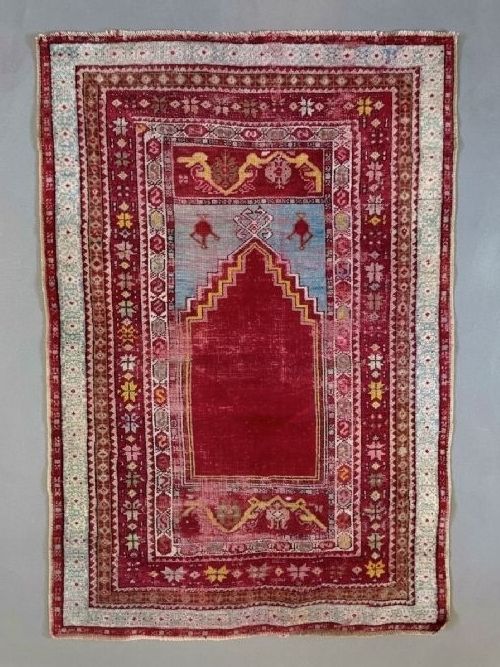
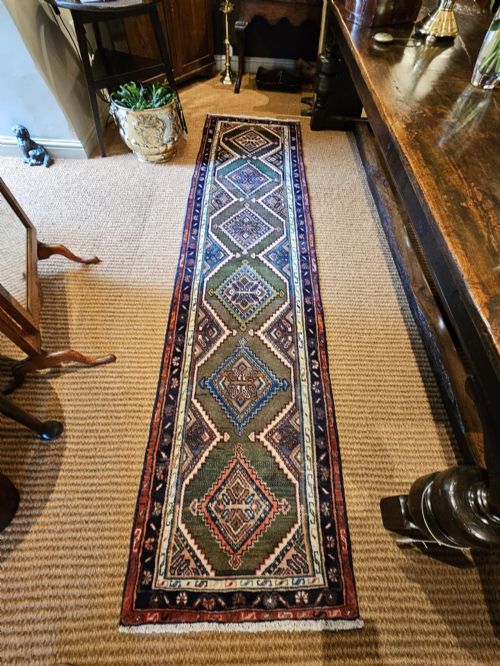

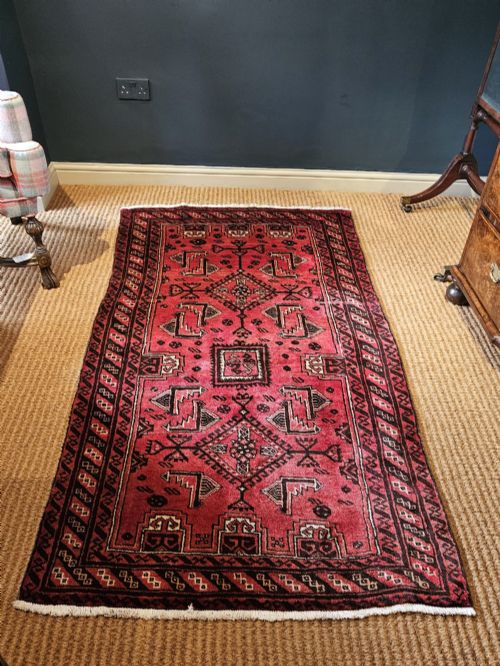
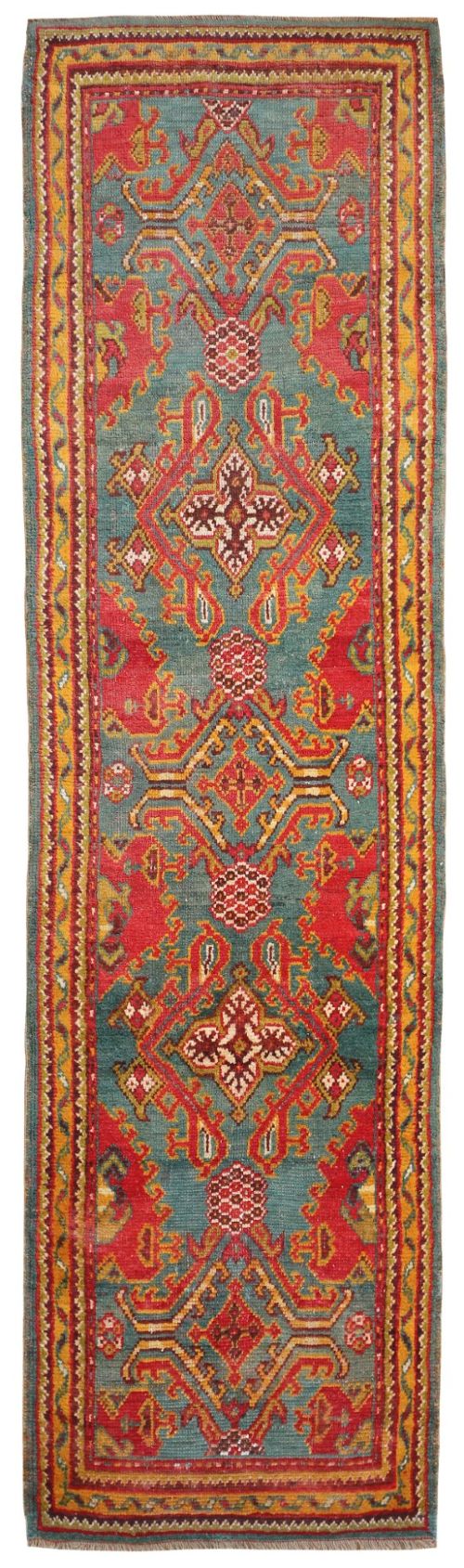
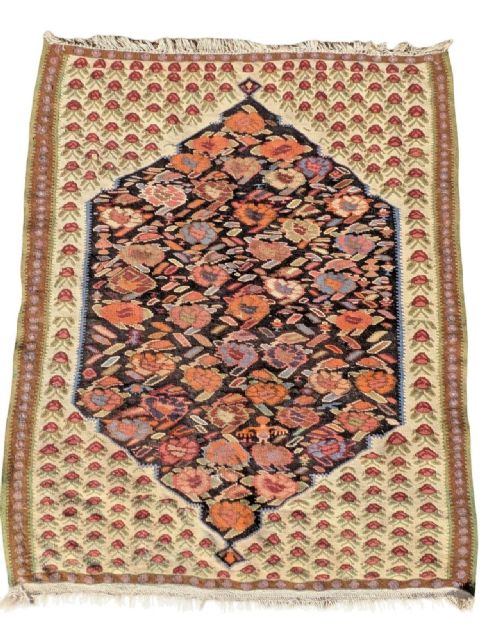
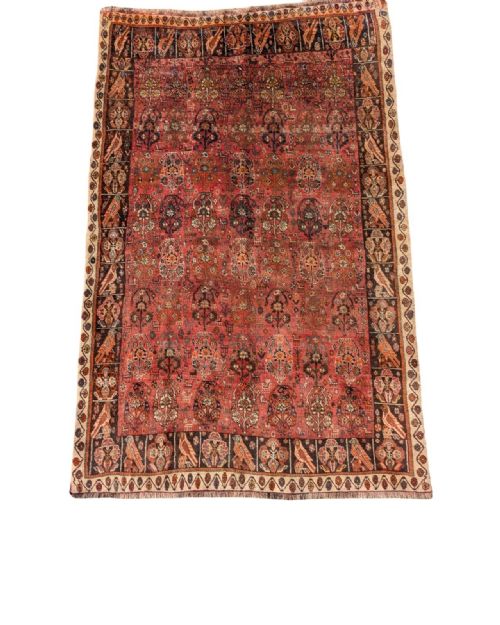
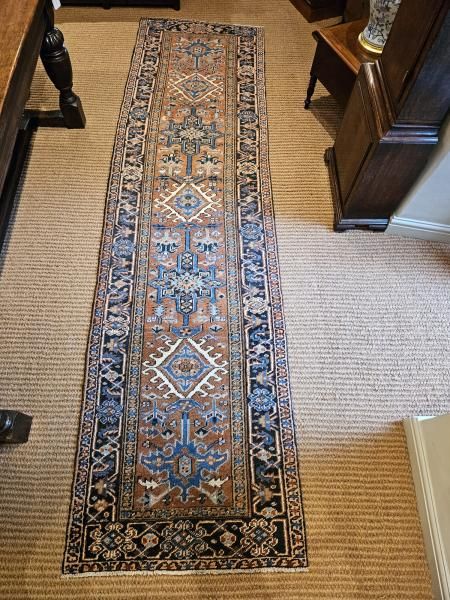
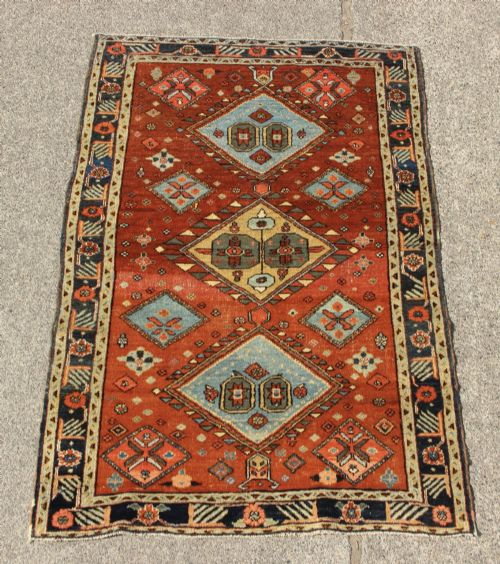
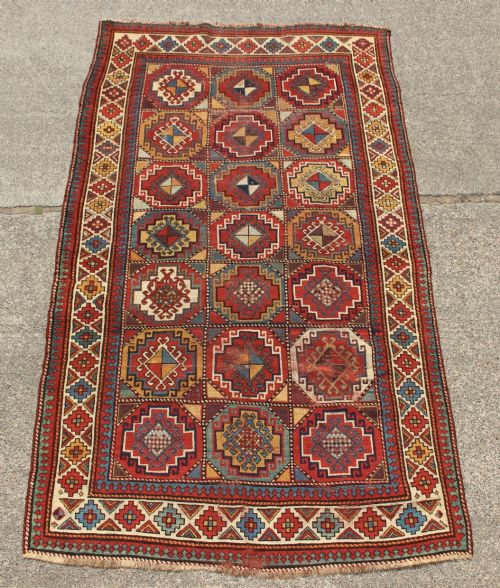
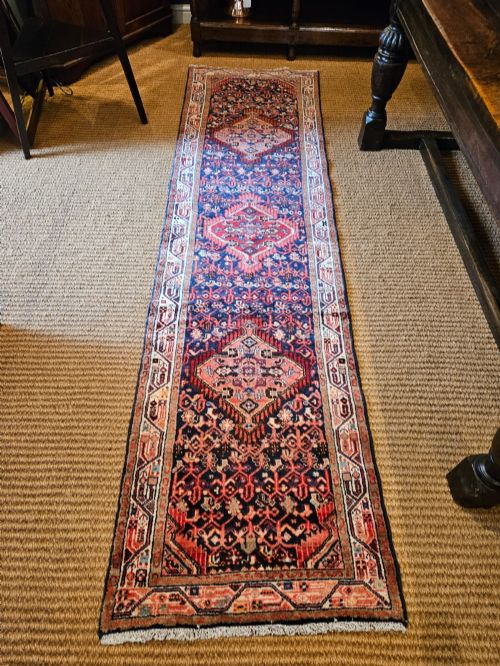
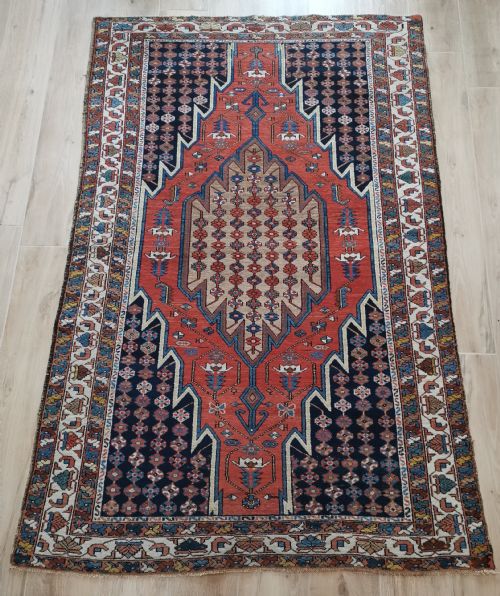
Handwoven Wool Runner Carpet
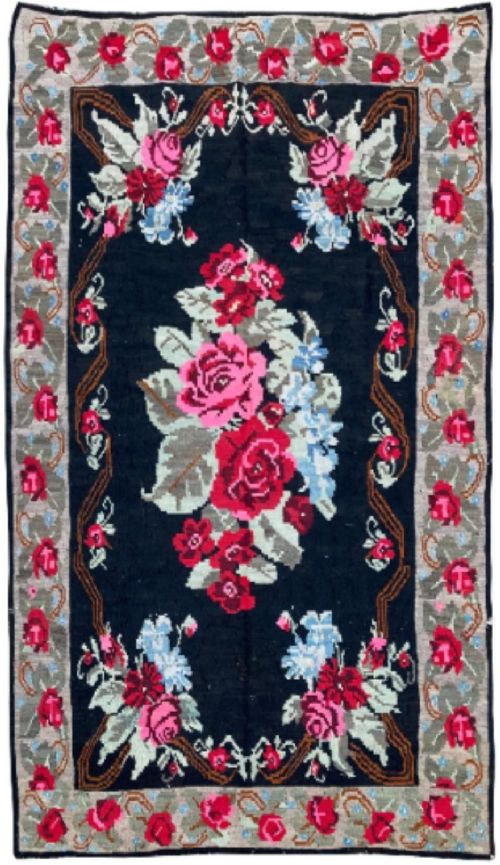
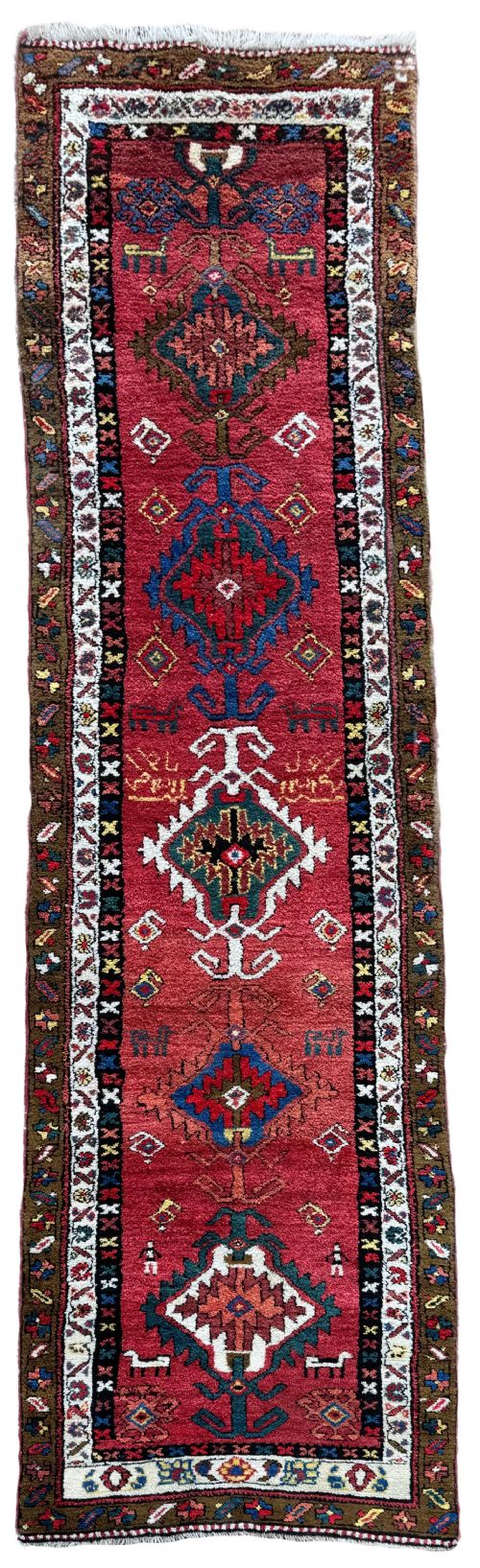
A handwoven wool runner carpet brings texture and heritage to a hallway, formed through traditional village and tribal weaving methods.
Handwoven Wool Runner Carpet
A handwoven wool runner carpet is a narrow, elongated textile designed for corridors, staircases and long spaces, appearing in styles from Persian tribal traditions to Caucasian and Anatolian workshops.
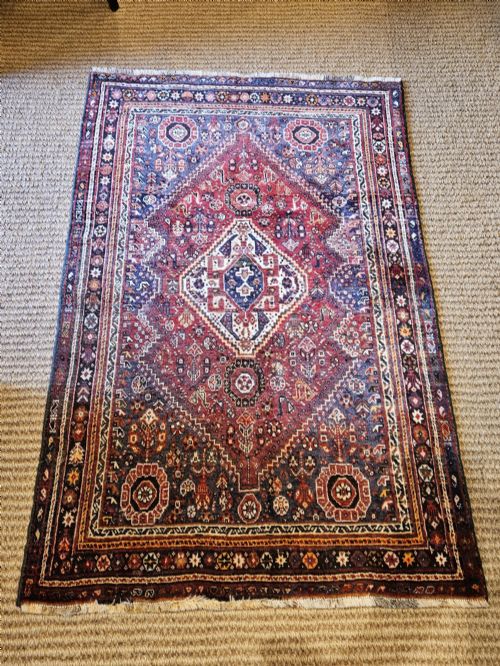
The selections available here span the nineteenth and twentieth centuries, encompassing pieces created by village weavers and nomadic groups using time-honoured methods.
Buyers seeking a handwoven wool runner carpet encounter formats such as traditional runners, room-sized rugs and flat-woven kilims originating from centres including Heriz, Bidjar and Hamadan.
Materials and Construction
These carpets rely principally on wool and hand-spun wool, often combined with cotton foundations and natural dyes to achieve rich, enduring colour palettes.
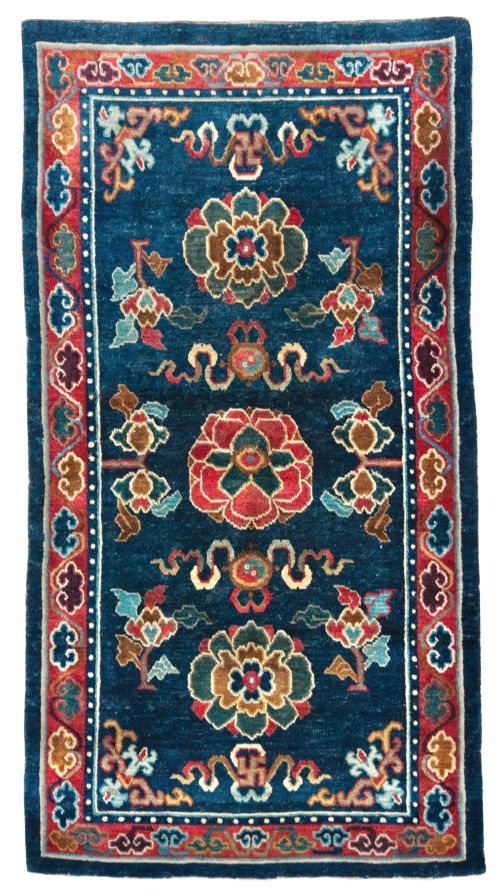
Weavers constructed each handwoven wool runner carpet using knotting or flat-weave kilim techniques, sometimes incorporating camel wool or Tibetan wool depending on the regional origin.
Factors That Distinguish Quality
The distinction between standard examples and finer pieces rests on knot density, the precision of the geometric or floral design, and the vibrancy imparted by natural dyes.
Integrity of the foundation materials and the handling of edge bindings also shape the character and longevity of each textile.
The Handwoven Wool Runner Carpet Glossary
- Runner
- A long, narrow carpet format specifically suited to hallways, corridors and stairs. It provides linear floor coverage in residential spaces.
- Kilim
- A flat-woven carpet or rug produced without a pile. These textiles are created by tightly interweaving warp and weft strands.
- Natural Dyes
- Colourants derived from plants, insects and minerals rather than synthetic compounds. They yield harmonious tones that age with considerable depth.
- Warp
- The vertical foundation threads stretched tightly on a loom before weaving begins. The pile knots are tied around these stationary cords.
- Weft
- The horizontal threads passed across the warp strands to secure the knots in place. This forms the structural grid of the carpet.
Handwoven Wool Runner Carpet: Frequently Asked Questions
Where should I place a runner carpet?
These long carpets suit narrow corridors, entryways and corridors where linear floor coverage enhances the room.
They also function well on staircases when properly secured with underlay.
How do I clean a wool runner?
Regular gentle vacuuming without a beater bar removes surface dirt and protects the wool fibres.
Professional specialist cleaning is recommended for deeper maintenance to preserve the natural dyes.
What is the difference between a rug and a runner?
Runners feature an elongated, narrow shape designed for hallways and transit spaces.
Standard rugs offer broader, square or rectangular proportions meant for seating areas and bedrooms.
How are tribal carpets identified?
Tribal carpets display distinctive geometric motifs, village patterns and regional colour palettes characteristic of nomadic groups.
Weaving structures and specific wool characteristics often point to particular tribal origins.