
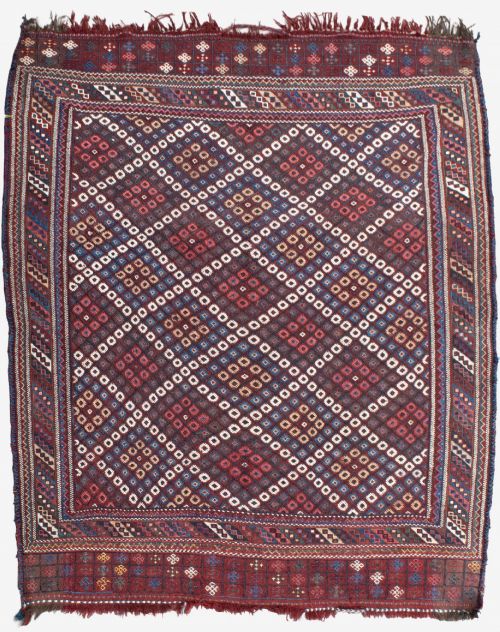


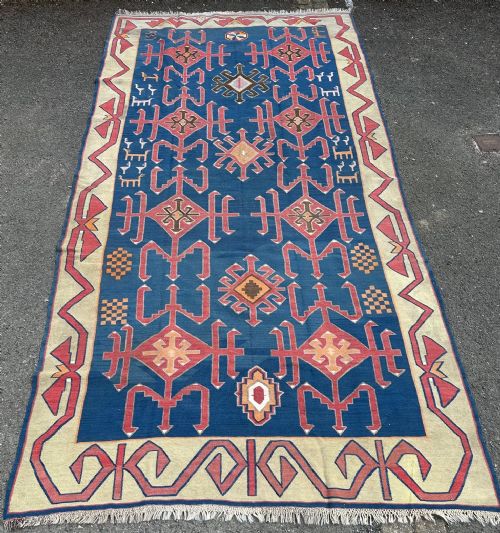


Handwoven Wool Kilim Rug
When you search for a handwoven wool kilim rug, you seek authentic tribal textiles that bring bold geometry and rich regional history directly into a room.
Handwoven Wool Kilim Rug
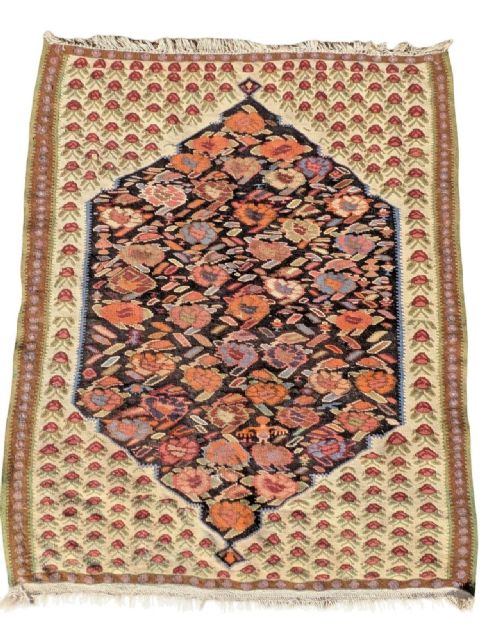
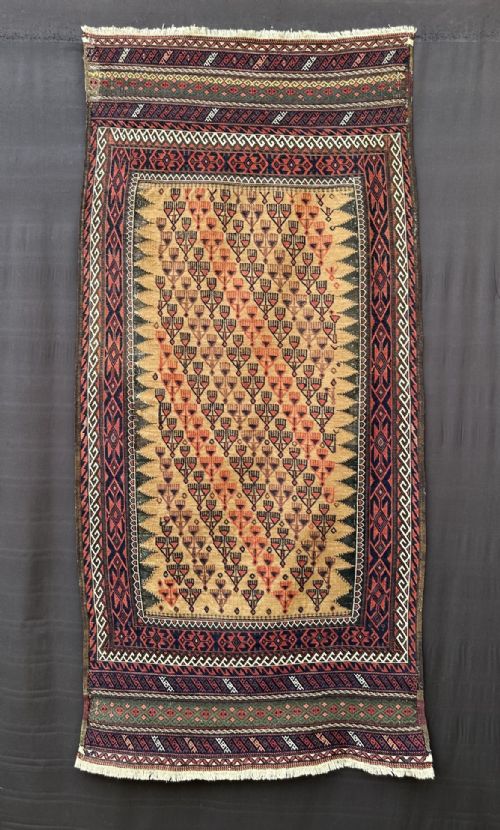
A handwoven wool kilim rug encompasses flat-woven floor coverings, wall hangings, and utilitarian tribal textiles originating from Persian, Caucasian, Anatolian, and Central Asian weaving traditions. The examples available span from the late nineteenth century into the early twentieth century, reflecting diverse nomadic and village cultures.
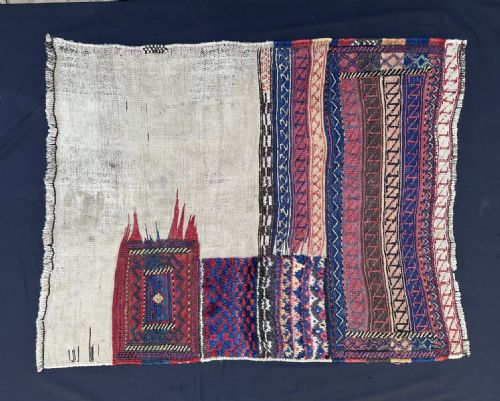
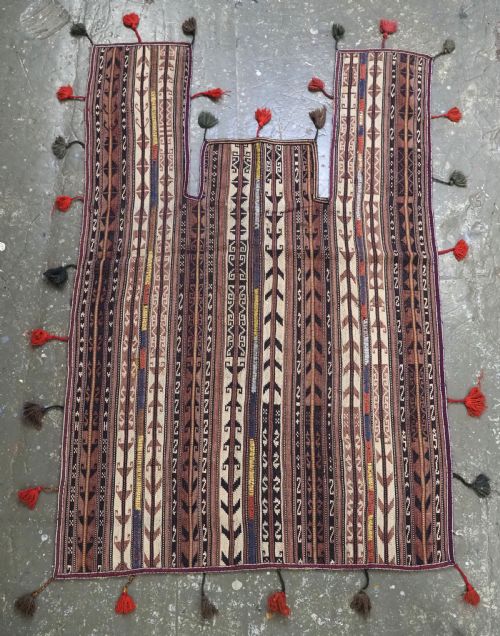
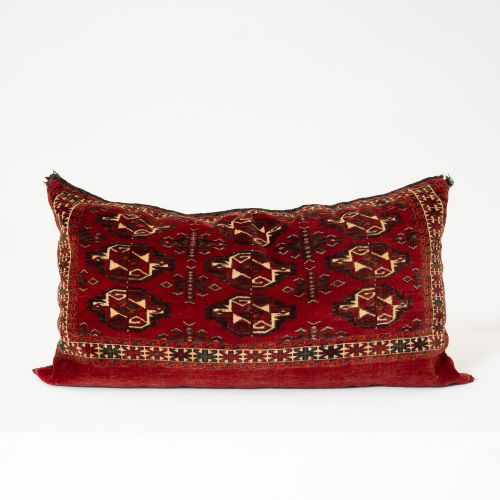
Beyond standard floor rugs, buyers frequently encounter functional tribal items repurposed or created for domestic use, including bread sofrehs, dining cloths, salt-bags, horse blankets, and tent storage bags like mafrashes and chuvals. These specific regional forms carry unique structural designs tied to the daily lives of nomadic groups such as the Qashqai, Afshar, Shahsavan, and Yomut Turkmen.
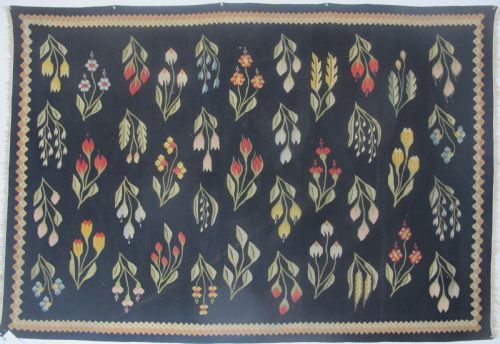
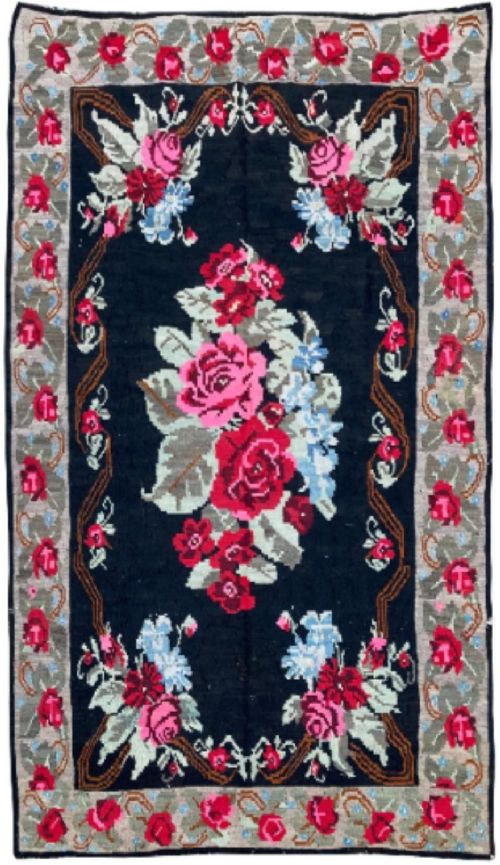
The aesthetic ranges from graphic banded patterns of Uzbek gajeri kilims and intricate Caucasian Shirvan designs to floral European-influenced Bessarabian and Romanian tapestries. Selecting a piece involves appreciating both the primary weaving region and the specific tribal workshop traditions that dictated the motifs.
How they were made
The primary construction relies on slit-tapestry weaving, where weft threads of varying colours are tightly beaten down over warp threads to create sharp geometric colour transitions and flat surfaces without pile. Artisans utilised hand-spun wool and occasionally cotton foundations, sometimes incorporating goat hair for added durability along borders and edges.
Natural dyes provide the foundational palette across these historical textiles, yielding deep, muted tones that age gracefully over decades. The interplay of wool quality and natural dyeing techniques results in the distinct tactile warmth and visual depth characteristic of genuine tribal flat-weaves.
Nomadic weavers sometimes included small intentional errors in geometric borders to ward off the evil eye.
What varies in quality
Quality in these flat-weaves rests upon the tightness of the weave, the precision of the geometric or pictorial execution, and the integrity of the original structure. A finer, denser weave demonstrates superior control by the weaver, resulting in sharper pattern definition and greater longevity under foot.
The complexity and rarity of the design layout also dictate distinction, with specific tribal motifs, balanced proportions, and intact original finishes separating standard village pieces from exceptional collector examples.
The Handwoven Wool Kilim Rug Glossary
- Sofreh
- A utilitarian woven cloth used traditionally for spreading meals, kneading bread, or wrapping foodstuffs in nomadic households. These items frequently display striking minimalist or symbolic iconography.
- Mafrash
- A large rectangular storage bag or chest face woven flat to transport household belongings by camel or horse. They are prized for their complex banded face designs.
- Slit-tapestry
- A flat-weaving technique where the weft threads are returned at the edge of a colour motif rather than wrapping around a common warp, leaving a small slit between adjacent colour areas.
- Warp
- The stationary vertical threads stretched tightly on the loom that form the structural foundation of the textile. Wefts are woven horizontally across these threads.
- Weft
- The horizontal threads passed back and forth through the warp threads to build up the pattern and colour of the flat-weave.
Handwoven Wool Kilim Rug: Frequently Asked Questions
How do I clean a fragile antique kilim?
Gentle surface brushing and careful professional specialist washing designed for antique textiles help preserve the wool fibres and natural dyes. Avoid harsh detergents or soaking.
Regular light vacuuming without a rotating beater bar prevents dust accumulation within the tight flat-weave structure without stressing the historical threads.
Can these flat-weaves be used on the floor?
Many sturdy room-sized and runner formats function well on floors when paired with a quality breathable underlay to prevent sliding and reduce friction against the wool.
More delicate utilitarian items like sofrehs or smaller bag faces are better suited for low-traffic display areas, wall hanging, or gentle interior styling.
How can I tell regional tribal styles apart?
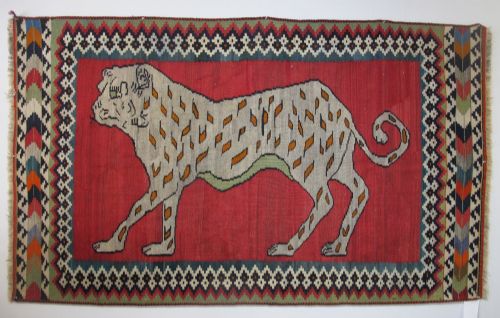
Caucasian pieces typically exhibit sharp, highly geometric medallions and crisp palettes, whereas Persian nomadic groups like the Qashqai favour warmer madder-red grounds with animal and plant motifs.
Central Asian Turkmen and Uzbek textiles often feature repeated guls or bold horizontal banding in structured, utilitarian compositions.
What is the difference between a rug and a sofreh?
A rug is woven primarily as a floor covering for warmth and decoration, featuring proportions and pile or flat-weave formats suited for walking upon.
A sofreh is a specialised domestic textile created for food preparation or dining rituals, possessing unique square or elongated dimensions and specific symbolic border arrangements.