

Handwoven Wool Floor Carpet
A handwoven wool floor carpet brings genuine warmth and historical texture to a room, drawing on centuries of village and tribal weaving traditions.
Handwoven Wool Floor Carpet
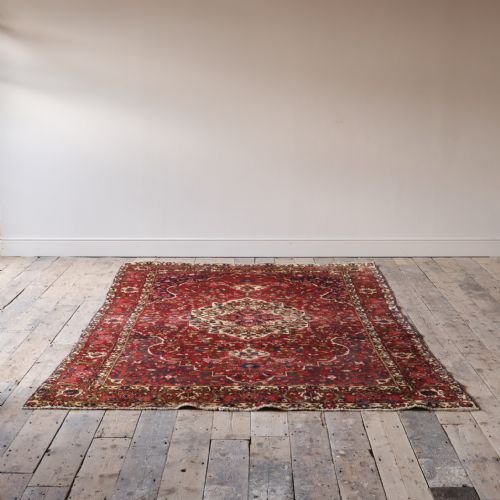
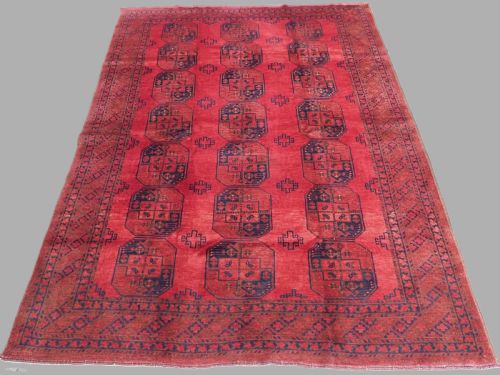
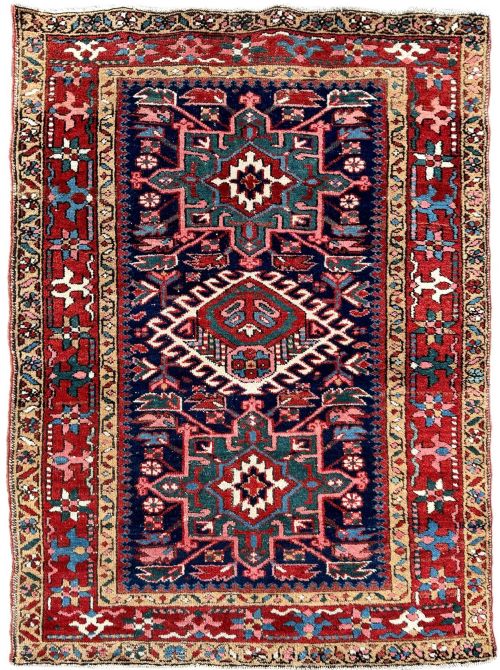
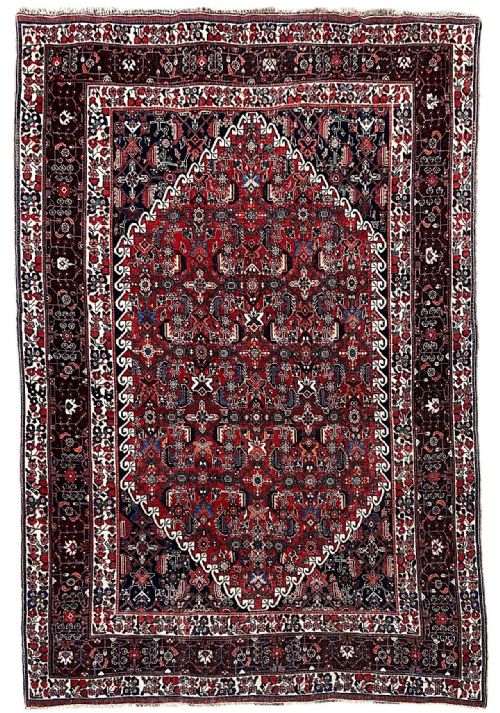
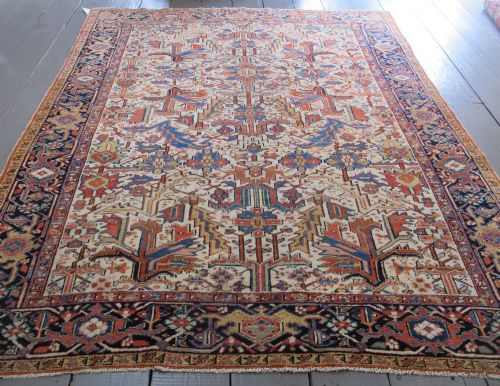
A handwoven wool floor carpet encompasses durable village and tribal floor coverings originating primarily from Persia, the Caucasus, and Afghanistan. When searching for a handwoven wool floor carpet, buyers encounter formats ranging from small scatter rugs and long runners to substantial room-sized carpets.
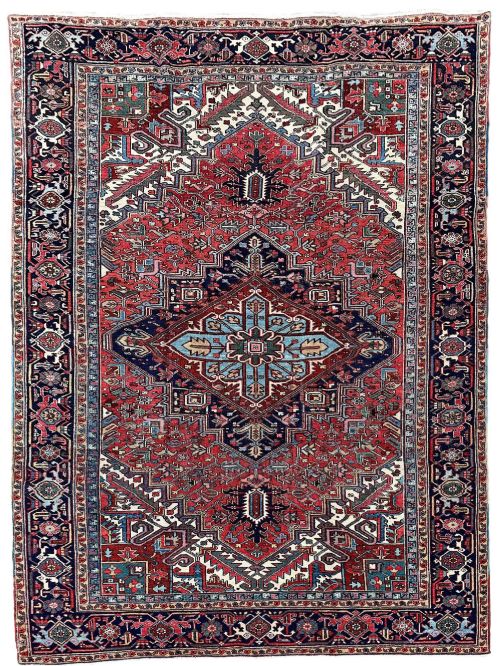
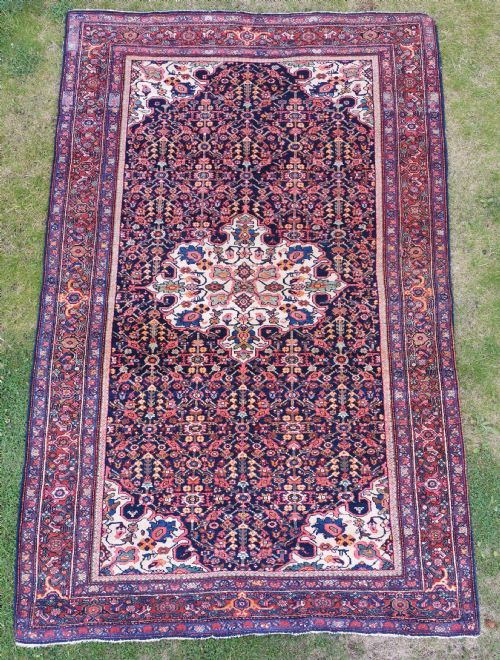
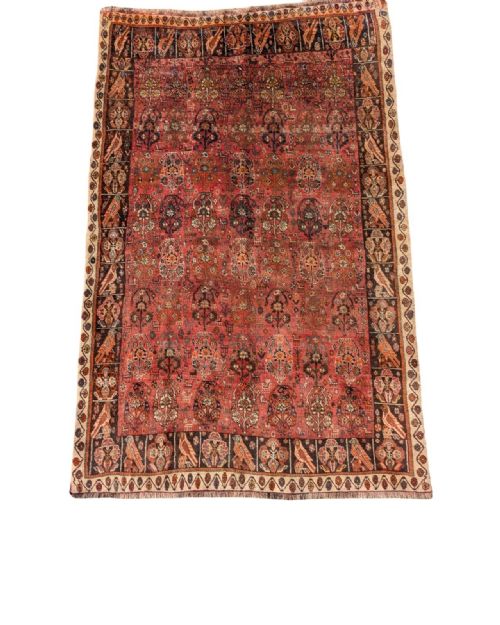
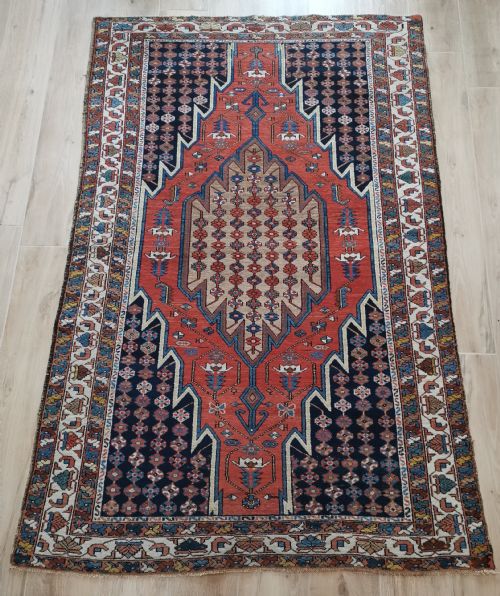
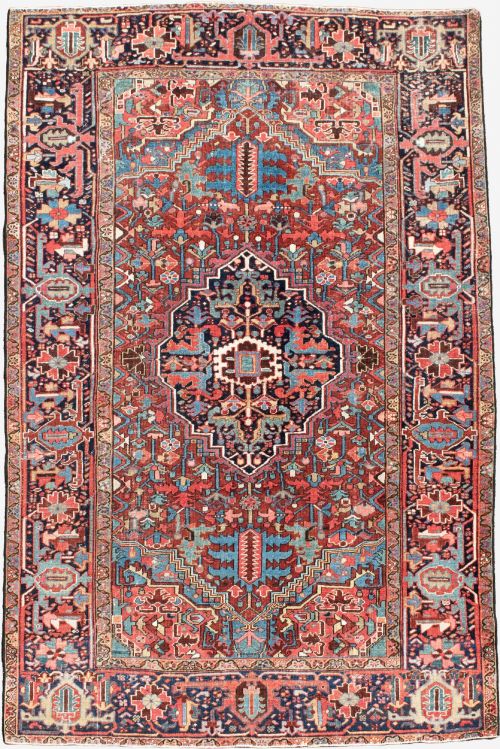
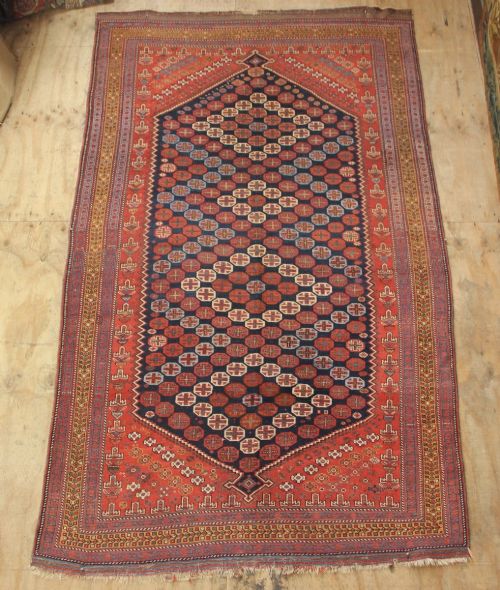
The pieces on this page span the late nineteenth century through to the mid-twentieth century, capturing periods such as 1900, 1910, 1920, and 1930. Common regional identifiers in the evidence include Heriz, Afshar, Kashan, Hamadan, and Qashqai, representing distinct design vocabularies and knotting techniques.
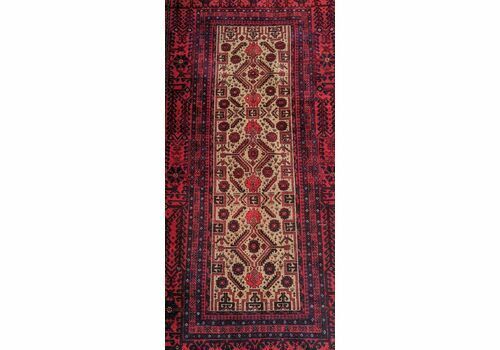
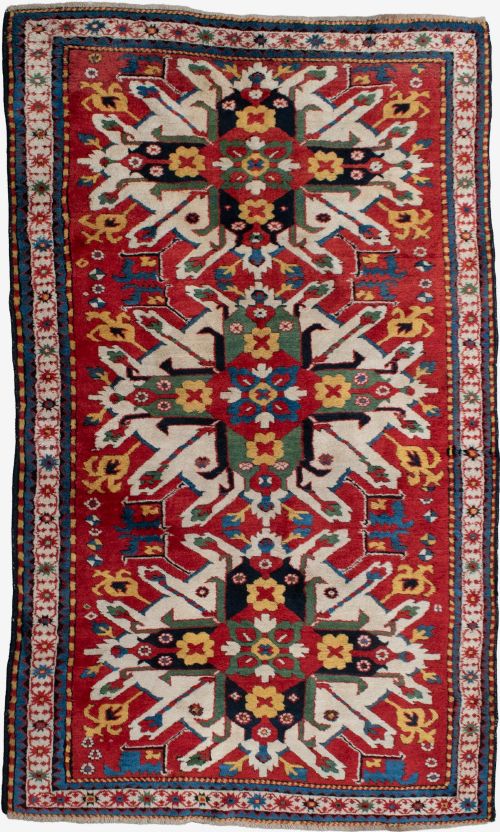
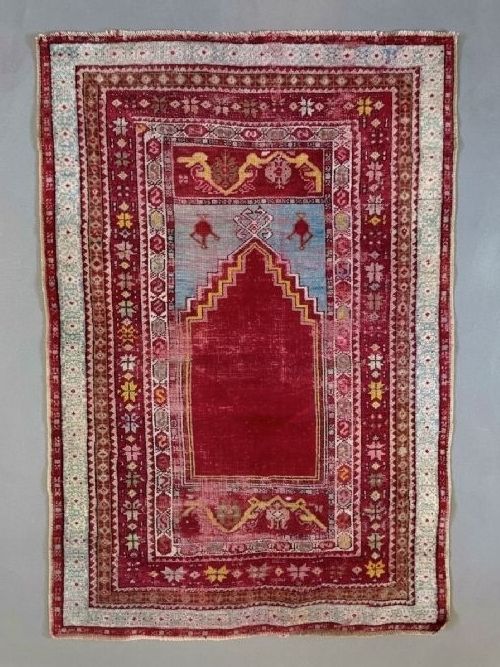
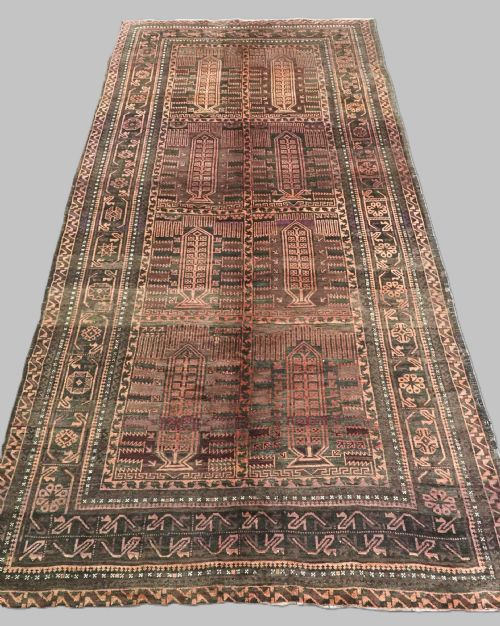
Most examples function practically as area rugs or long runners, utilising traditional tribal or village motifs such as the pencil box design, tree of life, and geometric medallions. These textiles serve as both functional floor coverings and historical artefacts reflecting the specific heritage of their makers.
What varies in quality
Quality in these carpets rests upon the fineness of the knotting and the integrity of the materials, particularly whether the wool is hand-spun. Tightly packed knots allow intricate geometric and floral designs to remain crisp and well-defined over generations of use.
The depth and consistency of the natural dyes also distinguish the finer examples, where rich indigo, madder red, and ivory tones age gracefully. Structural balance, including straight margins and secure selvedges, indicates the skill and care invested by the original weaver.
Timuri weavers tucked pencil box motifs into their carpets, preserving tiny portable stationery cupboards in wool.
Heriz weavers·Afshar tribes·Kashan workshops·Qashqai weavers·Hamadan villages
The Handwoven Wool Floor Carpet Glossary
- Carpet
- A heavy floor covering made of thick woven material. In this context, it refers to larger formats designed to anchor a room.
- Runner
- A long, narrow carpet format. These pieces suit hallways, corridors, and narrow passageways.
- Kilim
- A flat-woven carpet or rug produced without a pile. They offer a lighter weight and distinct geometric surface patterns.
- Prayer rug
- A small carpet featuring a niche or mihrab design at one end. Historically used for daily prayers, these rugs often display specific floral vase or tree of life motifs.
Handwoven Wool Floor Carpet: Frequently Asked Questions
How do I choose the right size?
Measure your floor space carefully and leave a uniform border of exposed flooring around the edges of the carpet.
Consider whether you want the furniture legs to sit entirely on the rug or just on the outer perimeter.
Are these carpets durable for hallways?
Wool possesses natural oils that provide inherent resilience against daily foot traffic and general wear.
Heavier weaves and runner formats handle high-traffic corridors effectively when paired with a quality underlay.
How do I clean an antique wool rug?
Gentle, regular vacuuming without a rotating brush roll prevents dust and grit from settling deep into the wool pile.
Professional specialist cleaning is recommended for any major spills or deep maintenance to protect the natural dyes.
How can I tell tribal designs apart?
Tribal rugs often feature geometric motifs, asymmetrical layouts, and bold primary colours derived from local village traditions.
City carpets typically display more curved floral patterns, symmetrical medallions, and finer knot densities.