
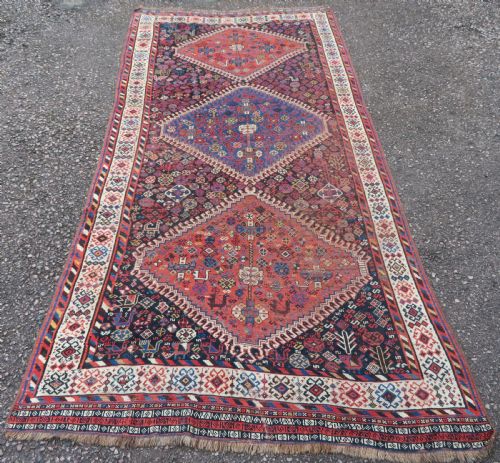
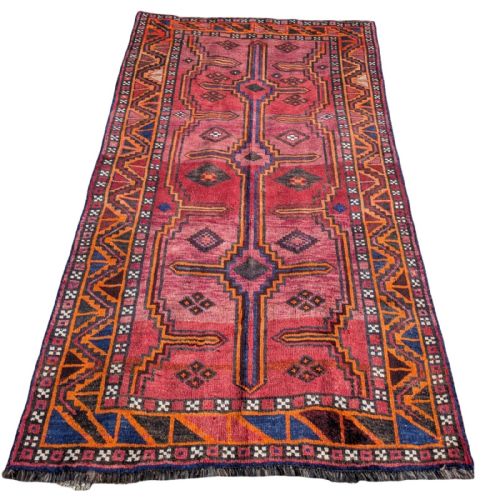


Luri Tribal Runner Carpet
A luri tribal runner carpet brings robust wool and authentic nomad design straight into a hallway, offering durable warmth underfoot.
Luri Tribal Runner Carpet
A luri tribal runner carpet is a hand-woven textile created by the Lur tribes of Luristan, designed with narrow proportions suited for hallways and corridors. Buyers searching for a luri tribal runner carpet encounter antique pieces spanning the nineteenth century through the early twentieth century, including long rugs and narrow runners.
The aesthetic falls broadly under Persian tribal and luri tribal styles, frequently showing affinity with Qashqai and Khamseh work. Common visual motifs involve repeat shield patterns, floral arrangements, birds, and tree of life compositions.
Most examples found here date from the 1880s to the 1930s, reflecting an era of traditional nomadic weaving before commercial production took over. The format ranges from compact hallway runners to larger carpet dimensions.
Construction and materials
These carpets rely entirely on wool, often hand-spun, which provides the resilient pile necessary for heavy domestic traffic. The hand-woven structure binds the fleece tightly to the foundation, ensuring long-term structural integrity.
Weavers utilised traditional nomadic techniques passed down through generations in Luristan, resulting in dense, durable textiles built for functional daily use rather than static display.
Listings span from the 1880s through the 1930s, featuring wool and hand-spun wool materials across hallway runners and carpet formats.
Assessing quality in luri tribal runner carpets
Quality rests primarily in the handling of the wool and the crispness of the woven design. Hand-spun wool yields a tactile depth and varied uptake of natural dyes that flat machine-processed yarns simply cannot replicate.
Design complexity also defines the upper tiers of these textiles. Pieces featuring detailed pictorial elements like birds and flowers, or structured repeat shield arrangements, demand greater technical skill from the weaver.
The Luri Tribal Runner Carpet Glossary
- Runner
- A long, narrow carpet format specifically proportioned for corridors, hallways, and stairs. These pieces guide movement through a home while protecting timber flooring.
- Kelleh
- A medium-sized rectangular rug format, broader than a typical runner but narrower than a full room-size carpet. It often shares compositional traits with larger tribal carpets.
- Nomadic
- Pertaining to pastoral peoples who move seasonally, carrying their horizontal looms with them. This lifestyle influences the portable scale and robust materials of the woven output.
- Pile
- The upright yarn loops or tufts that form the usable surface of the carpet. In these pieces, the pile is tightly knotted from wool to withstand constant foot traffic.
Luri Tribal Runner Carpet: Frequently Asked Questions
How do I clean a luri tribal runner carpet?
Regular gentle vacuuming without a beater bar removes surface grit before it settles into the wool pile. Professional specialist cleaning remains essential for deep washes to preserve the hand-spun fibres.
Avoid chemical spot treatments or soaking the textile at home, as traditional dyes can run. Prompt attention to spills prevents staining without compromising the historical structure.
Are these carpets suitable for heavy hallways?
The dense hand-spun wool and sturdy hand-woven construction make these textiles exceptionally resilient against daily foot traffic. Placing a quality underlay beneath the piece prevents slipping and cushions the fibres.
Nomadic floor coverings were originally built for rigorous daily habitation in tents and tribal dwellings. This inherent toughness suits them well to modern corridor use.
How do I date an antique luri carpet?
Dating relies on examining material wear, wool preparation methods, and stylistic indicators within the weave. Pieces from the nineteenth century often display distinct natural colour variations and looser, organic geometry.
Comparative analysis with documented tribal pieces from Luristan helps narrow down production eras. Structural clues in the foundation yarns confirm whether a textile dates to the late Victorian period or the early twentieth century.
What is the difference between a runner and a kelleh?
A runner is elongated and narrow, tailored specifically for hallways and narrow passageways. A kelleh offers a wider rectangular footprint, functioning well in larger reception rooms or open floor spaces.
Both formats share the same tribal weaving techniques and wool materials originating from the Lur tribes. The distinction lies entirely in the proportional dimensions rather than the origin.