
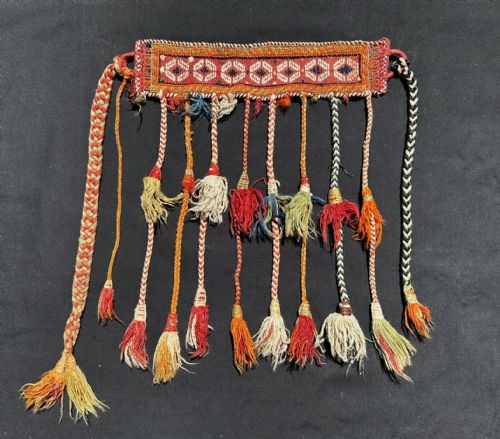
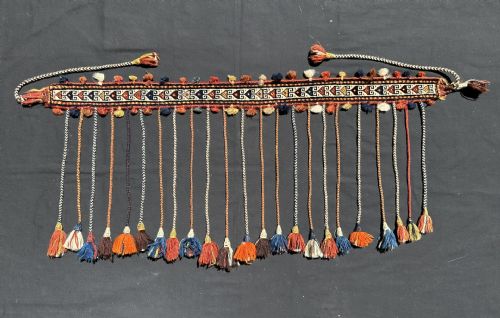

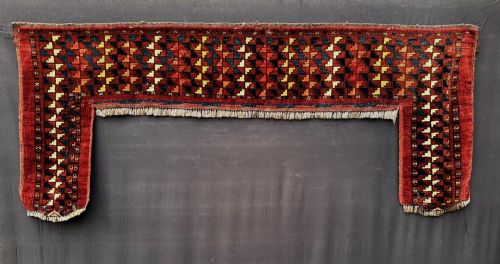
Handwoven Tribal Textile
A handwoven tribal textile brings raw nomadic artistry into your home through enduring wool and earthy natural dyes.
Handwoven Tribal Textile
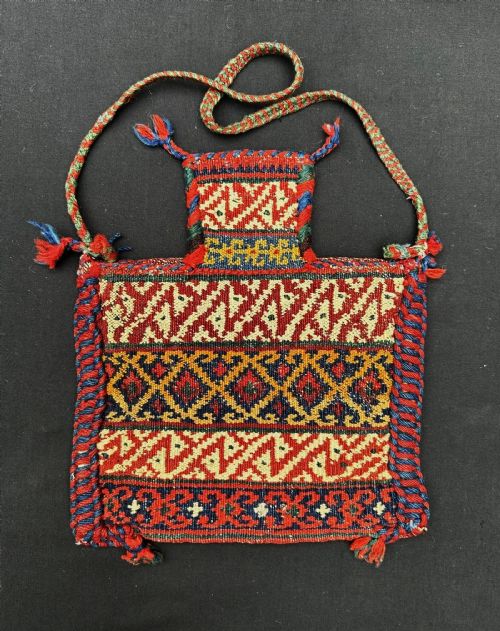
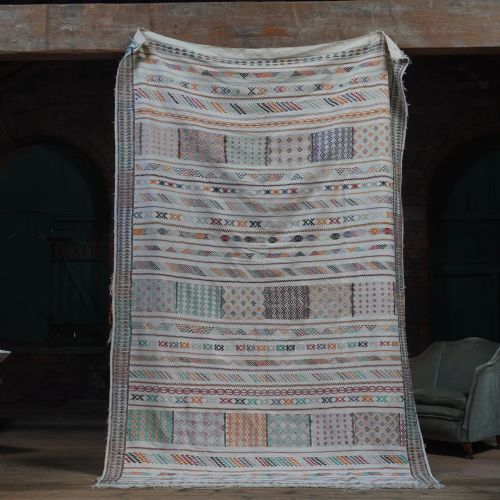
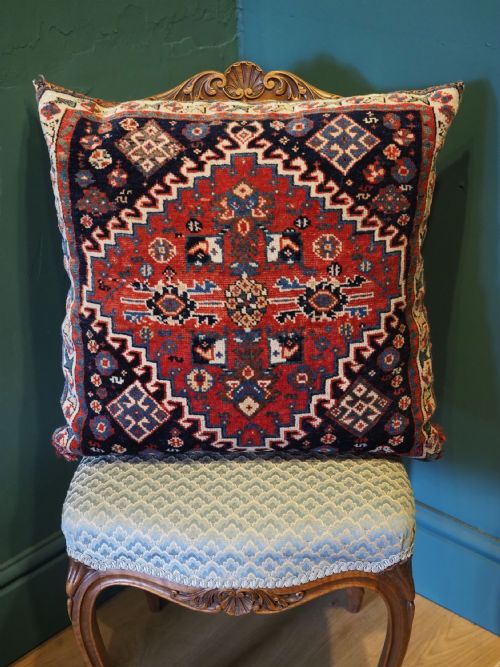
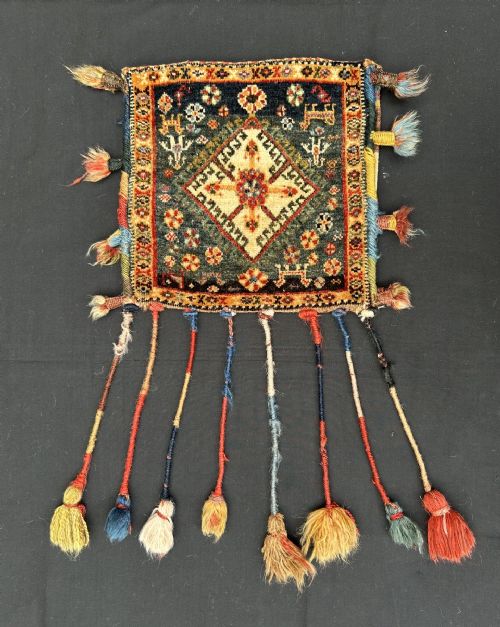
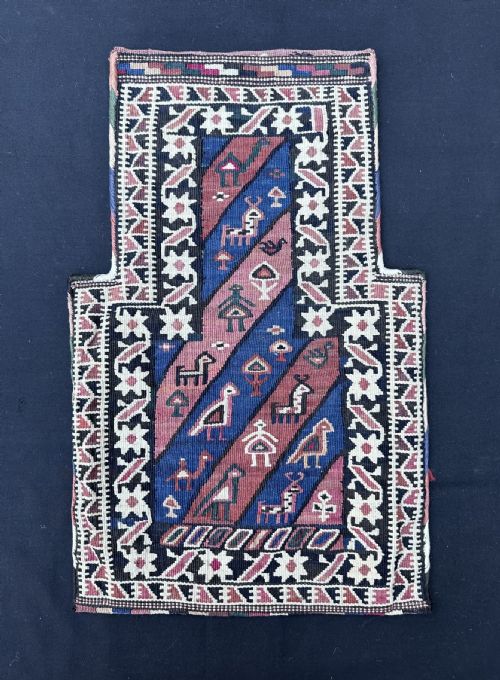
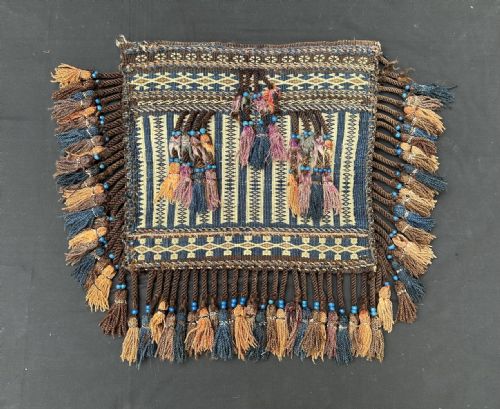
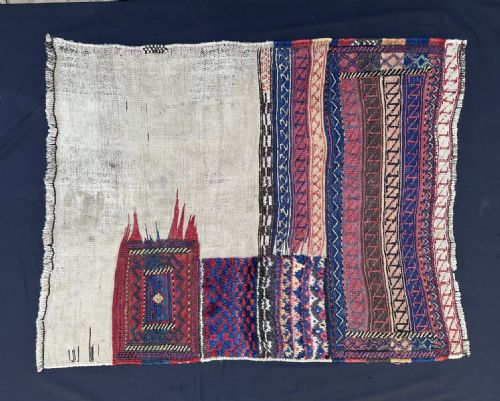
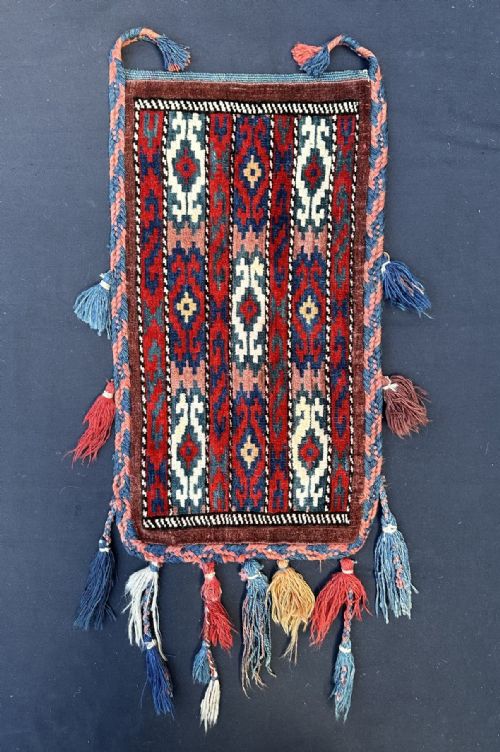
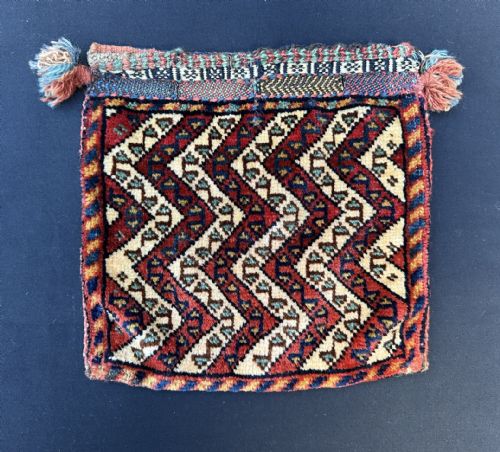
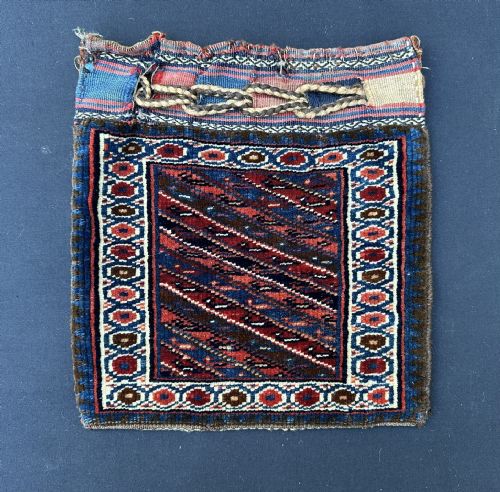
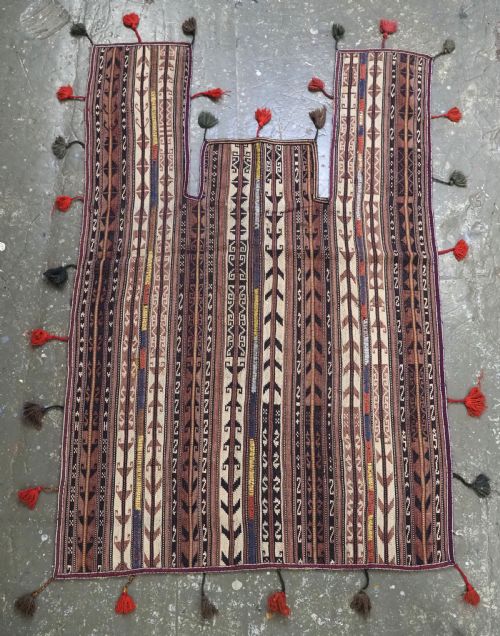
When you search for a handwoven tribal textile, you are looking at practical nomadic weavings produced by tribal groups across Central Asia and Persia. These pieces include utilitarian items such as bread sofreh, spindle bags, tent bands, and saddlebag faces created for daily tribal life. The examples you meet on this page span from the late nineteenth century up to 1910.
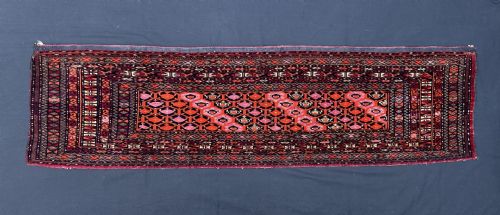
The regional styles represented reflect distinct nomadic traditions, ranging from Turkmen and Turkoman tribal groups to Persian Qashqai and Afshar nomads. You encounter specific forms like Yomut and Ersari torba or chuval faces, alongside Uzbek tartari saddlebag faces and Kyrgyz tent band fragments. Each piece carries the distinct geometric vocabulary and banded weft work of its maker's specific community.
How they were made
These textiles rely entirely on animal and plant fibres, utilising wool and hand-spun wool for the main structural and piled areas, combined with cotton where appropriate. Artisans built these fabrics using traditional looms set up temporarily in nomadic camps or permanent village settlements. The construction methods vary from piled knotting to flatweaves and banded weft work.
Colour comes from natural dyes derived from local plants and minerals, creating the rich palette characteristic of nineteenth-century tribal weaving. Spinners prepared the wool by hand before dyeing, ensuring subtle tonal variations across the surface of each bag face or tent band.
Handwoven Tribal Textile Retail Price Guide 2026
Typical asking prices for handwoven tribal textile among the pieces listed under this phrase on Sellingantiques today, from the lower quarter to the upper quarter. They describe what is for sale here now, not the wider market.
Listings feature wool, hand-spun wool, cotton, and natural dyes across periods spanning 1880 to 1910 and the wider nineteenth century.
What varies in quality
Quality in these textiles depends on the density of the weave and the precision of the tribal motifs. Finer pieces demonstrate tight knotting or exacting flatweave construction that keeps geometric patterns crisp and structurally sound. The handling of natural dyes also dictates visual success, with superior examples showing harmonious colour saturation.
Preservation plays a major role in the overall integrity of the piece, distinguishing complete bag faces and tent bands from mere fragments. The quality of the hand-spun wool and the complexity of the design layout, such as multi-gul medallions or intricate ikat patterns, elevate individual examples.
The Handwoven Tribal Textile Glossary
- Sofreh
- A cloth used for spreading meals or handling bread in nomadic households. These flatwoven or piled pieces often feature stark geometric field designs.
- Torba
- A small utilitarian bag used for storage within a nomadic tent. They frequently display intricate gul motifs and rich borders.
- Chuval
- A large tent bag employed for storing household belongings. Collectors prize these for their multiple gul arrangements and tribal field designs.
- Gul
- A medallion pattern repeated across Turkmen and Turkoman weavings. Each tribal group utilised distinct variations of this octagonal motif.
- Tegerich
- A piled tent band used inside a nomadic dwelling. Surviving fragments display dense geometric patterning from nineteenth-century workshops.
Handwoven Tribal Textile: Frequently Asked Questions
What is a tribal textile?
A tribal textile is a functional weaving produced by nomadic or village groups for everyday use in tents and settlements. These pieces include bags, sofreh cloths, and tent bands.
They reflect the traditional motifs and material culture of specific tribes across Persia and Central Asia during the nineteenth and early twentieth centuries.
How were these bags used?
Nomads used these sturdy bags and textiles to store grain, bread, bedding, and personal possessions inside portable dwellings. Items like spindle bags and saddlebags travelled across steppes and mountains.
Their robust construction of hand-spun wool ensured they could withstand the rigours of a nomadic lifestyle.
How do I live with a tribal textile?
You can display these textiles on walls as textile art or place smaller pieces like saddlebag faces on low surfaces. Their durable wool construction suits gentle placement in rooms with stable light levels.
Avoid direct, harsh sunlight to protect the natural dyes and keep the wool clean with gentle, professional care.
How do I tell tribal styles apart?
Tribal styles differ through their characteristic colour palettes, structural techniques, and repeating geometric motifs such as guls or banded weft designs. Turkmen and Turkoman pieces often feature deep reds and octagonal medallions.
Afshar and Qashqai works display distinct medallion arrangements and field patterns rooted in southern Persian nomadic traditions.