

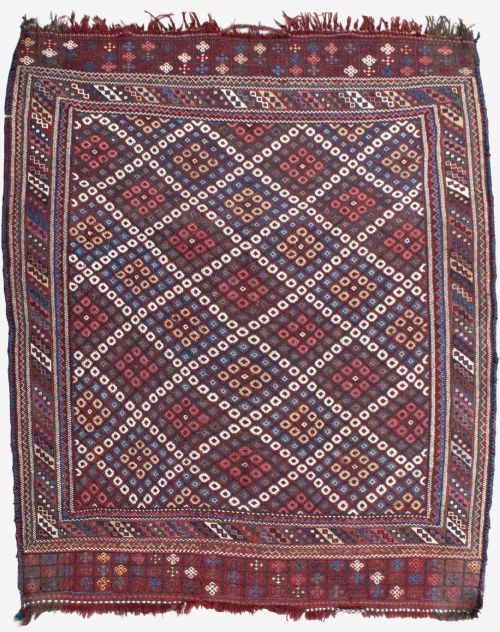


Handwoven Kelim Rug
A handwoven kelim rug brings flat-woven tribal textiles into your rooms, offering bold geometric patterns formed through centuries of nomadic weaving traditions.
Handwoven Kelim Rug
A handwoven kelim rug is a flat-woven textile produced across Anatolia, Persia, Central Asia, and Eastern Europe, represented here by pieces dating from 1890 up to 1930. Buyers searching for a handwoven kelim rug encounter various tribal designations, including Anatolian Tribal, Persian Tribal, Central Asian Tribal, and Bessarabian styles.
The forms span standard rugs and carpets, runner rugs, and specific regional types such as the Afshar sofreh, Malatya Konya half kilim, Qashqai kilim, Uzbek gajeri kilim, Konya reyhanli, and Afyon finger kelim. The most frequently met examples on this page are Turkish and Afghan productions from the late nineteenth and early twentieth centuries.
These flat-weave floor coverings rely on slit-weave and related non-pile techniques to create graphic visual impacts. The designs reflect the specific weaving heritage of nomadic and tribal groups across diverse geographic regions.
How they were made
The construction of a handwoven kelim rug relies primarily on wool and cotton foundations and surface yarns. Weavers interlace warp and weft threads by hand on vertical or horizontal looms without knotting pile fibres.
This slit-weave technique produces distinctive vertical gaps where different colour blocks meet, which weavers often lock or interlock to strengthen the structure. The resulting textiles achieve flat surfaces with identical patterns visible on both sides.
Handwoven Kelim Rug Retail Price Guide 2026
Typical asking prices for handwoven kelim rug among the pieces listed under this phrase on Sellingantiques today, from the lower quarter to the upper quarter. They describe what is for sale here now, not the wider market.
Some weavers added finger-woven techniques, ensuring every rug bears the literal handprint of its maker.
What varies in quality
Quality in a handwoven kelim rug emerges from the tightness of the weave and the precision of the geometric layout. Tighter packing of the wool weft threads creates a firmer, more durable textile that holds its structural integrity under foot traffic.
The clarity of the graphic design and the sophistication of the regional colour palette separate finer weaving from simpler output. Individual pieces demonstrate varying degrees of age-related wear and distress that influence their overall visual presence.
The Handwoven Kelim Rug Glossary
- Kelim
- A flat-woven rug or carpet produced without a pile across Turkey, the Caucasus, Persia, and Central Asia. These textiles utilise slit-weave methods to build geometric patterns.
- Sofreh
- A flat-woven spread or cloth traditionally used for serving food or processing flour. In nomadic contexts, these woven pieces double as decorative textiles with distinct compositional layouts.
- Warp
- The stationary vertical threads stretched across a loom before weaving begins. The weft threads pass over and under these foundational strands to form the fabric.
- Weft
- The horizontal threads carried on a shuttle or bobbin that pass through the warp yarns to create the pattern. In flat-weaves, these coloured yarns completely conceal the warp.
- Slit-weave
- A fundamental flat-weaving technique where the weft returns at the edge of a colour area, leaving a small vertical slit in the fabric. Weavers sometimes stitch or interlock these edges to prevent fraying.
Handwoven Kelim Rug: Frequently Asked Questions
What is a kelim rug?
A kelim rug is a flat-woven textile created by interweaving warp and weft threads without knotted pile. These pieces emerge from nomadic and tribal traditions across Turkey, Persia, and Central Asia.
They function primarily as floor coverings or decorative hangings, prized for their graphic patterns and flat structure. The absence of pile makes them lighter than traditional knotted carpets.
Where were these rugs made?
The listings show production across multiple distinct regions including Anatolia, Persia, Central Asia, and Bessarabia. Specific workshops and tribal areas such as Afshar, Qashqai, and Konya generated characteristic regional designs.
Nomadic groups and village weavers in these territories utilised local materials like wool and cotton. Each region developed unique geometric vocabularies and colour choices.
How do I care for a kelim rug?
Care for a flat-woven textile involves gentle vacuuming without a rotating brush bar to protect the wool and cotton fibres. Professional cleaning suited for antique flat-weaves helps maintain the structural integrity of the weave.
Using an appropriate rug underlay prevents slipping and reduces friction against hard flooring. Keeping the textile out of direct, prolonged sunlight preserves the natural dyes.
How old are these antique kelims?
The pieces available on this page date from the late nineteenth century through the early decades of the twentieth century. Specific production dates recorded in the listings span from 1890 to 1930.
Such dating relies on stylistic analysis, material assessment, and structural characteristics typical of traditional tribal weaving during those periods. Age is evidenced by natural wear patterns and regional dye chemistries.
What materials are used?
Traditional construction relies on natural wool and cotton fibres for both the structural foundation and the surface pattern. Wool provides resilience and elasticity to the flat-woven structure.
Cotton often serves as a sturdy warp foundation in specific regional types. The combination of these natural materials dictates the weight and drape of the textile.